Prepare before surgery
If the operation is planned, use the weeks before it to set up the home. Prehabilitation, meaning getting strong and organised before surgery, improves recovery; see joint replacement prehabilitation. Ask the hospital team for a pre-operative visit or a list of equipment, and, if possible, an occupational therapy assessment; see occupational therapy home assessment.
Plan the living arrangement:
- Ground-floor living for the first weeks, if possible: bed, toilet and seating on one level; see ground floor vs upper floor living.
- A clear route from bed to toilet, kitchen and the main seat.
- Meals and medicines organised; cook and freeze some meals; see cooking for one older adult.
- Help arranged for the first one to two weeks: a family member, an attendant or both; see hiring a home attendant checklist.
- Pets and clutter managed; remove loose rugs and cables; see flooring, rugs and trip hazards.
- Lighting and night lights; see motion-sensor night lights.
- Transport plan for the return home and follow-up visits; see getting an elderly person in and out of a car.
Essential: walking aids
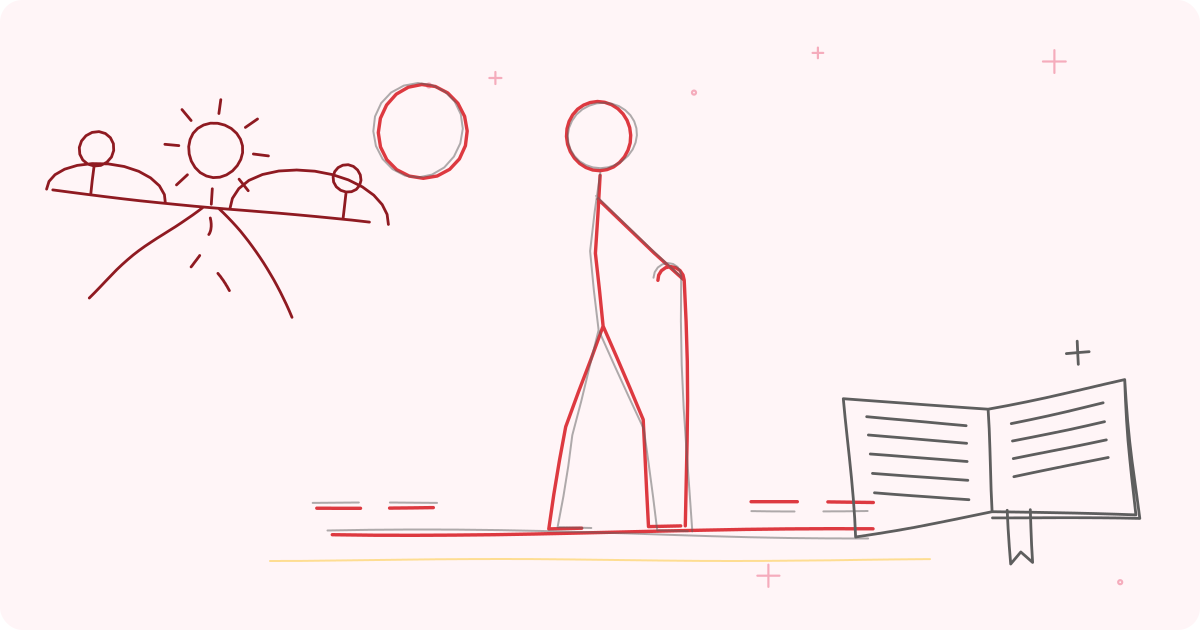
After knee replacement, most patients walk on the day or day after surgery with a walker or crutches, and gradually progress to a stick.
- Walking frame or walker. A stable frame with height set so the grips sit at the wrist crease; see walking frame buying guide and walking frame after hip or knee surgery. Two-wheeled walkers glide more easily; see two-wheeled walker guide. Learn the technique with the physiotherapist; see how to use a walking frame correctly.
- Crutches if the team prefers them; they need training.
- Walking stick or cane, used in the hand opposite the operated knee, as the next step; see how to choose a walking stick, walking stick height fitting and using a walking stick on stairs and slopes.
- Walker bag or tray to carry items, so hands stay free.
- Check rubber tips and feet, and replace worn ones; see walking stick rubber tips.
- Non-slip footwear: closed-heel, firm-soled, supportive, and not backless slippers; see choosing shoes for older feet.
Rent or borrow a frame for the short term if you wish; see renting vs buying a wheelchair and equipment to rent vs buy checklist for general advice.
Essential: chair and seating
A good chair makes standing up much easier on a sore knee.
- A firm, upright chair with arms, at a height where the hips are slightly above the knees; see choosing a chair for an older person and living room and seating setup. Avoid low, soft sofas and deep recliners that are hard to get out of.
- A firm cushion to raise a low seat, if needed; see seat cushion buying guide.
- A footstool or leg rest for elevating the leg to reduce swelling; see leg elevation pillow guide. Support the whole leg, not only the heel.
- Avoid placing pillows under the knee to rest, since the team will want the knee to straighten fully. Follow their guidance.
Essential: bed set-up
- Bed height so that feet are flat when sitting on the edge; see bed height and getting out of bed.
- A firm mattress edge.
- A bed rail or assist handle is sometimes helpful; check with the therapist; see bed rails guide.
- Pillows for positioning, as told by the team.
- A bedside table with water, medicines, phone, tissues and call device; see bedside essentials checklist.
- A night light and clear path.
- A leg lifter (a strap with a loop) to help lift the operated leg into bed, if the leg is weak.
Bathroom and toilet
The bathroom is the highest-risk room; see bathroom safety checklist.
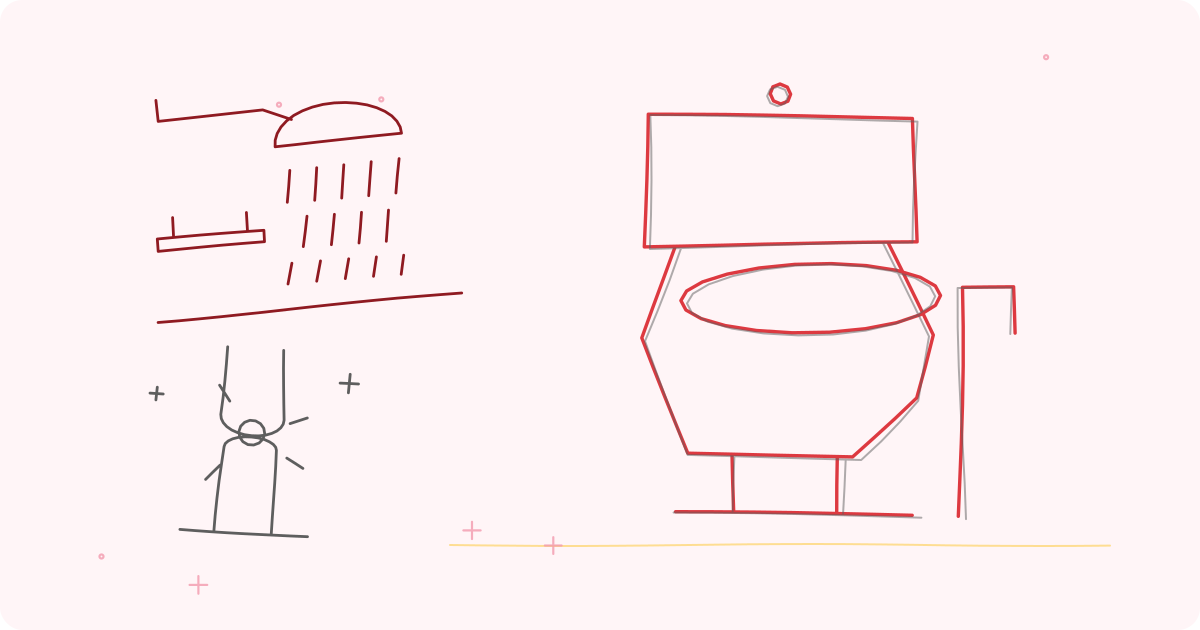
- Raised toilet seat and/or toilet frame to reduce knee bending and give arms to push on; see raised toilet seat guide and toilet frame guide. Squatting is not advised in early recovery; a Western toilet or commode is needed; see adapting an Indian bathroom for knees and hips.
- Commode for night if the toilet is far; see commode chair guide.
- Shower chair or stool, plus a handheld shower; see shower chair buying guide and handheld shower guide. Keep the wound dry until the team says it can get wet.
- Grab bars at the toilet and shower; see where to fit grab bars.
- Non-slip mat or floor treatment; see non-slip bath mats.
- Bath transfer bench, if you have a tub; see bath transfer bench guide. Do not step into a deep bath in the early weeks without advice.
- Long-handled sponge and long shoe horn.
Daily living aids
- Reacher or grabber to pick up items from the floor and low shelves, avoiding bending; see reacher grabber guide.
- Sock aid and dressing stick, and elastic laces, for dressing without bending the knee too far; see dressing aid guide.
- A tray, trolley or walker bag to carry items in the kitchen, since hands are on the walker; see kitchen setup for seniors.
- A perching stool for kitchen tasks.
- Easy-grip utensils and jar openers if hands are weak; see arthritis daily living gadgets.
- Pill organiser to manage medicines; see pill organiser guide.
- A phone or wearable alarm for calling help; see panic pendant buying guide.
Swelling, pain and wound care
- Cold therapy. Cold packs wrapped in cloth for 10 to 15 minutes, several times a day, reduce swelling and pain; some hospitals provide cooling devices. Never apply ice directly to the skin or the wound. Take care if skin has reduced sensation; see heat or cold for joint pain.
- Compression stockings may be prescribed after surgery to reduce swelling and the risk of clots. Follow the team's instructions; they need proper measuring and skin checks; see compression stockings guide and measuring, sizing and putting them on.
- Wound dressings and supplies as instructed. Do not apply creams or home remedies to the wound. See wound care at home for older adults.
- Thermometer to check for fever; see digital thermometer guide.
- Medicines. Take pain relief and blood-thinning medicines as prescribed, and discuss any other tablets with the team; see painkillers and older adults.
- TENS is occasionally used; ask the surgeon before using one near a fresh wound; see TENS units for pain.
Exercise equipment
The physiotherapist will give an exercise programme to restore bending and straightening, and to strengthen the thigh. Equipment that may help:
- A firm bed or mat for exercises.
- A towel or strap for assisted stretches.
- A pedal exerciser (stationary pedals) for gentle bending, used under guidance; see pedal exerciser after surgery and pedal exerciser guide.
- Resistance bands for strengthening, later, as advised; see resistance bands guide.
- A sturdy chair for sit-to-stand practice.
- A rolled towel for straightening exercises.
- A timer or chart for exercise sessions.
Do the exercises regularly, since stiffness can set in within weeks; see gentle exercises for knee and hip pain and knee osteoarthritis at home for general principles, but follow the postoperative plan. Pain relief timed before exercise often helps; ask the team.
Knee braces and supports
Most patients do not need a brace after knee replacement. Some surgeons use a knee immobiliser or hinged brace in specific cases. Use only what is prescribed; see hinged knee braces and knee support buying guide.
Car, travel and outings
- Car seat height and transfers: a cushion may help; see getting an elderly person in and out of a car.
- Foldable stick or seat stick for outings; see mobility aids for temples and weddings.
- Plan breaks on long journeys to move the leg and reduce clot risk; see travel with an elderly parent checklist.
What to avoid
- Low, deep sofas and beds.
- Squat toilets and floor sitting.
- Loose rugs and clutter.
- Slippery socks and backless slippers.
- Carrying hot drinks while using a walker.
- Hand-me-down equipment of the wrong size or in poor repair.
- Pillows under the knee when resting, unless advised.
- Skipping exercises.
When to ask a professional
Speak to your surgeon or hospital team about equipment, weight-bearing, wound care and exercises. A physiotherapist can fit walking aids and teach exercises. An occupational therapist can advise on home set-up and daily living aids. Contact the team urgently for fever, wound redness, swelling, discharge or separation, increasing pain, a hot, swollen calf, or inability to bear weight. Call emergency services for sudden breathlessness, chest pain or collapse, which may signal a clot.
Equipment mentioned in this guide
Frequently asked questions
What equipment is essential after a knee replacement?
Usually a walking aid, a firm chair with arms, a raised toilet seat or frame, a shower seat, a reacher and non-slip footwear. The hospital team can confirm what your parent needs.
Can I rent equipment instead of buying?
Yes, for short-term items such as frames, commodes and shower chairs. Check hygiene, fit and return terms.
Should my mother put a pillow under her knee to rest?
Often not, because the knee needs to straighten fully. Elevate the whole leg with support under the calf and heel, and follow your surgeon's advice.
When can she use a stick instead of a walker?
Usually after a few weeks, when the physiotherapist judges her balance and strength are good enough. Do not progress on your own.
Sources and further reading
- NICE guideline NG157, Joint replacement (primary): hip, knee and shoulder
- American Academy of Orthopaedic Surgeons, OrthoInfo patient information on total knee replacement and recovery
- Chartered Society of Physiotherapy, patient information on knee replacement rehabilitation
- Royal College of Occupational Therapists, guidance on recovery after joint replacement
Tags: knee replacement recoveryequipment after knee surgerywalker after knee replacementraised toilet seatshower chairrecovery at homeJoint and pain supportFolding walking frameMobility and walking aidsBathroom and toilet safety
This article is for general education and is not medical advice. Speak to your doctor before changing your exercise, diet or medicines.