
Arthritis and old injuries make everyday movement painful. Supports can steady a joint and ease pain, but they work best alongside exercise and medical advice.
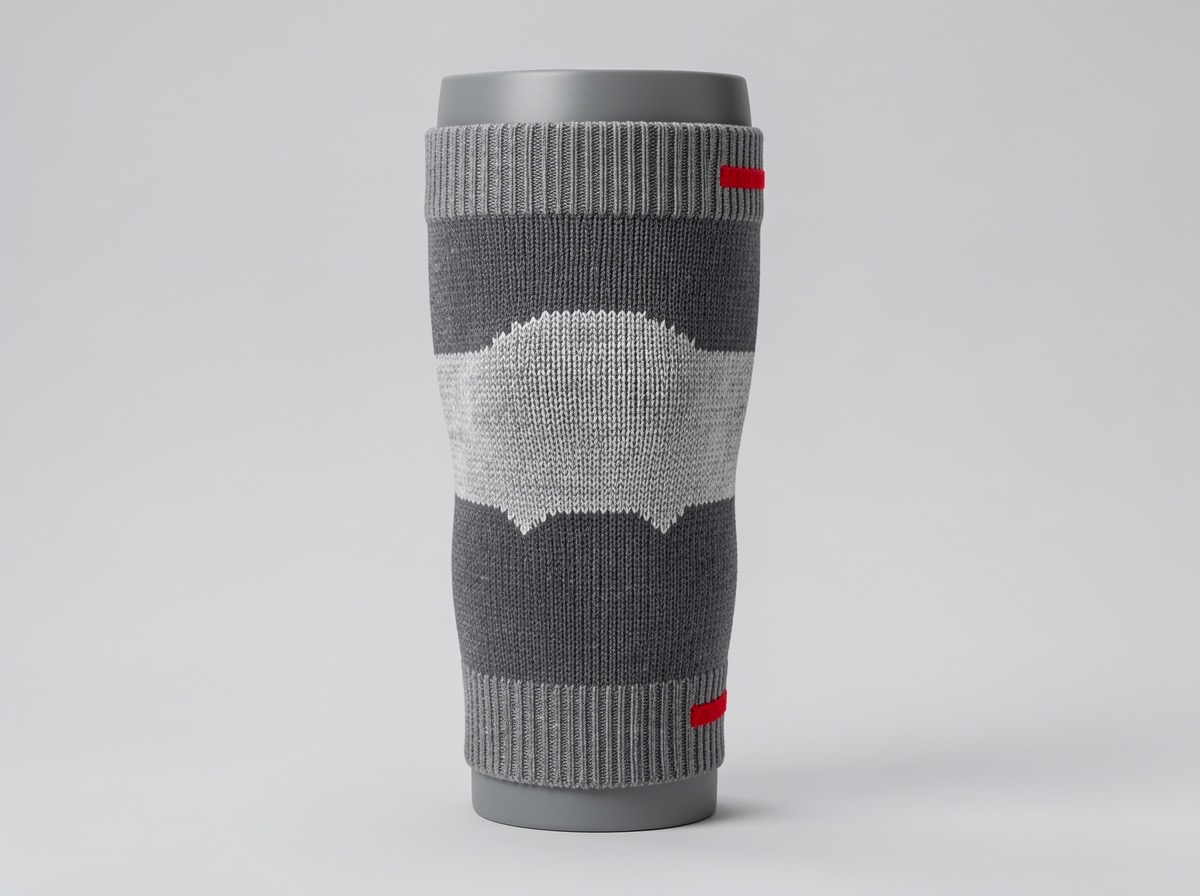
Knee support sleeve
Compression sleeve with gentle support for knee arthritis and weakness.
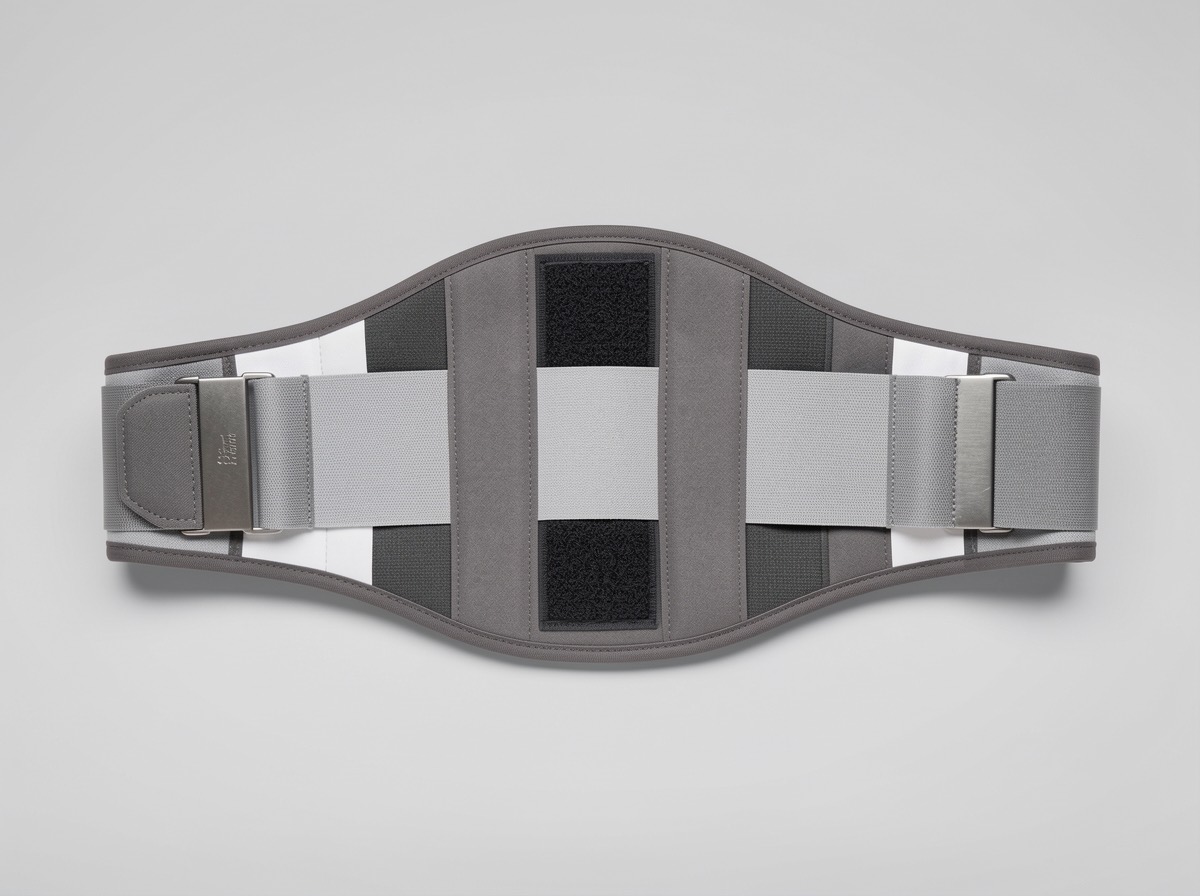
Lumbar back support belt
Adjustable belt that supports the lower back.
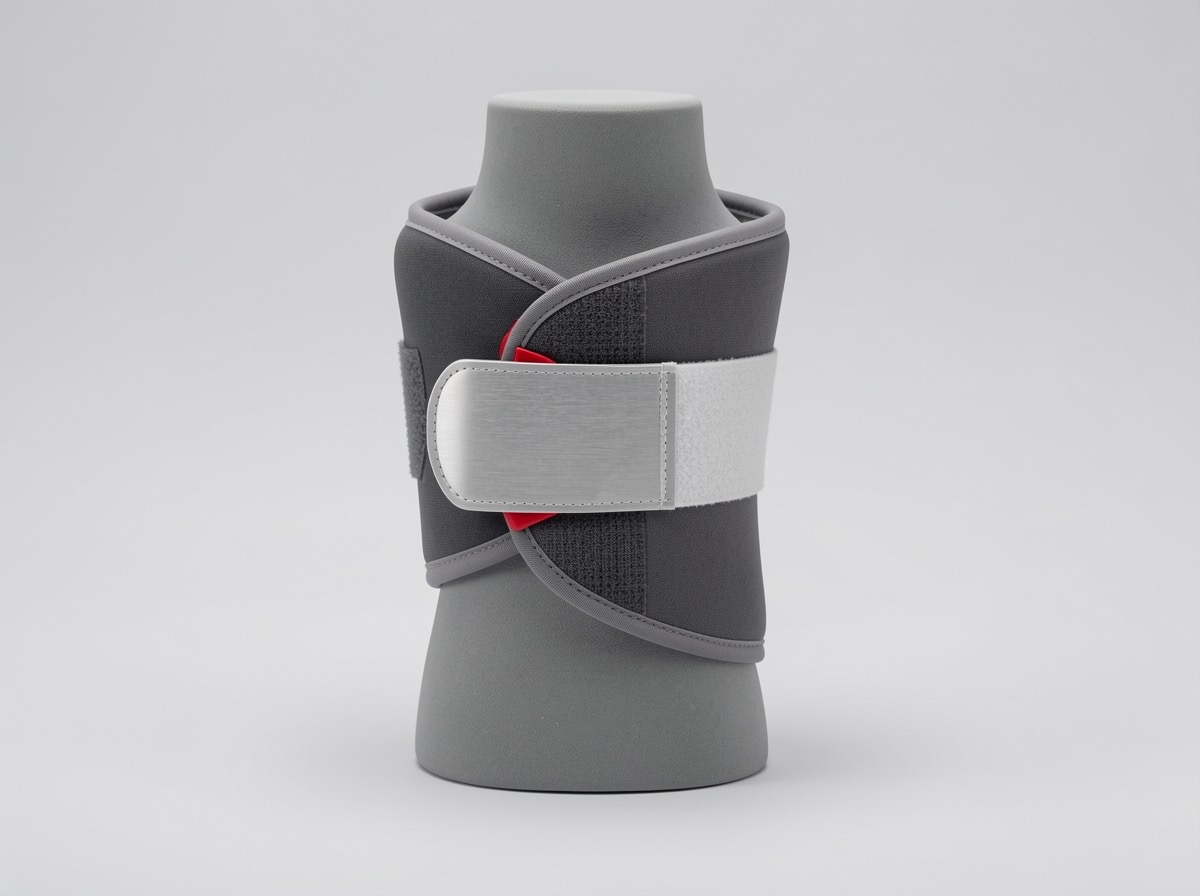
Wrist and thumb support
Light support for wrist strain, arthritis and carpal tunnel.
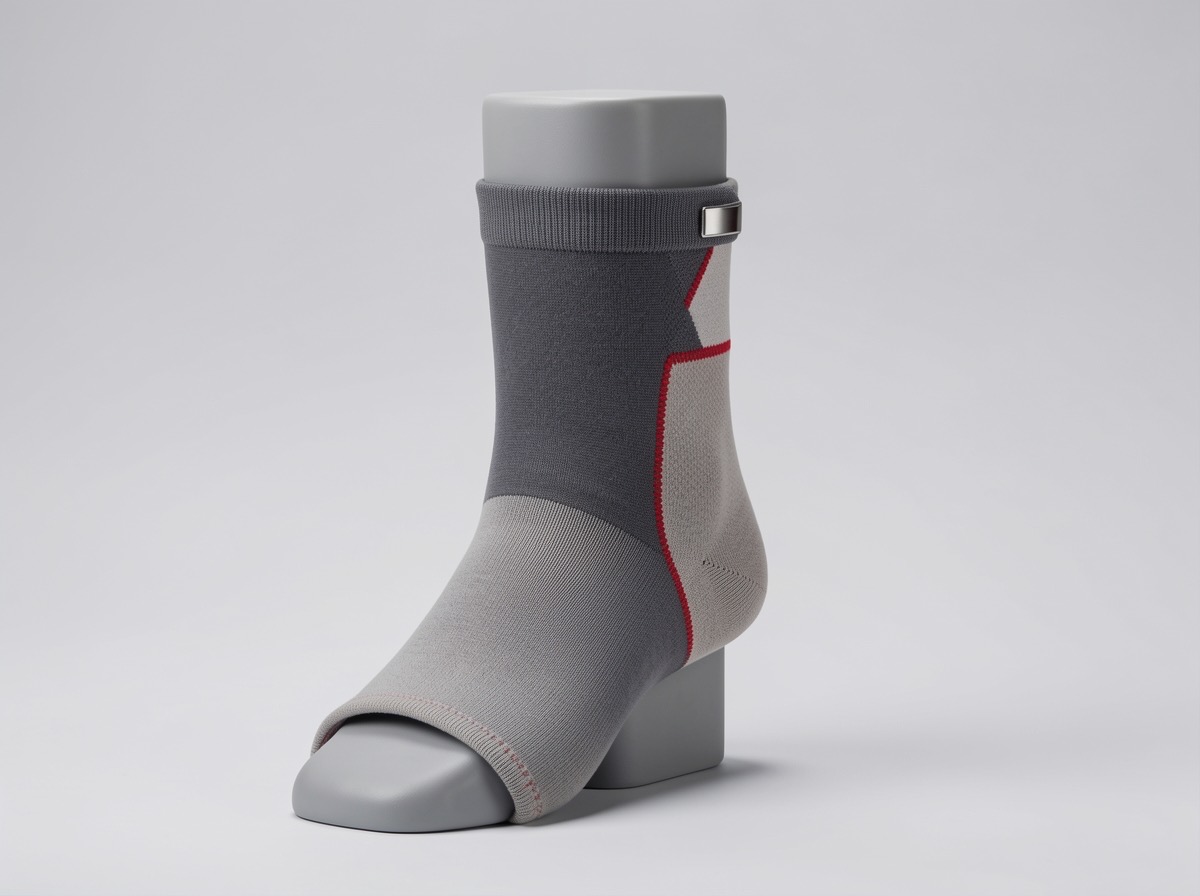
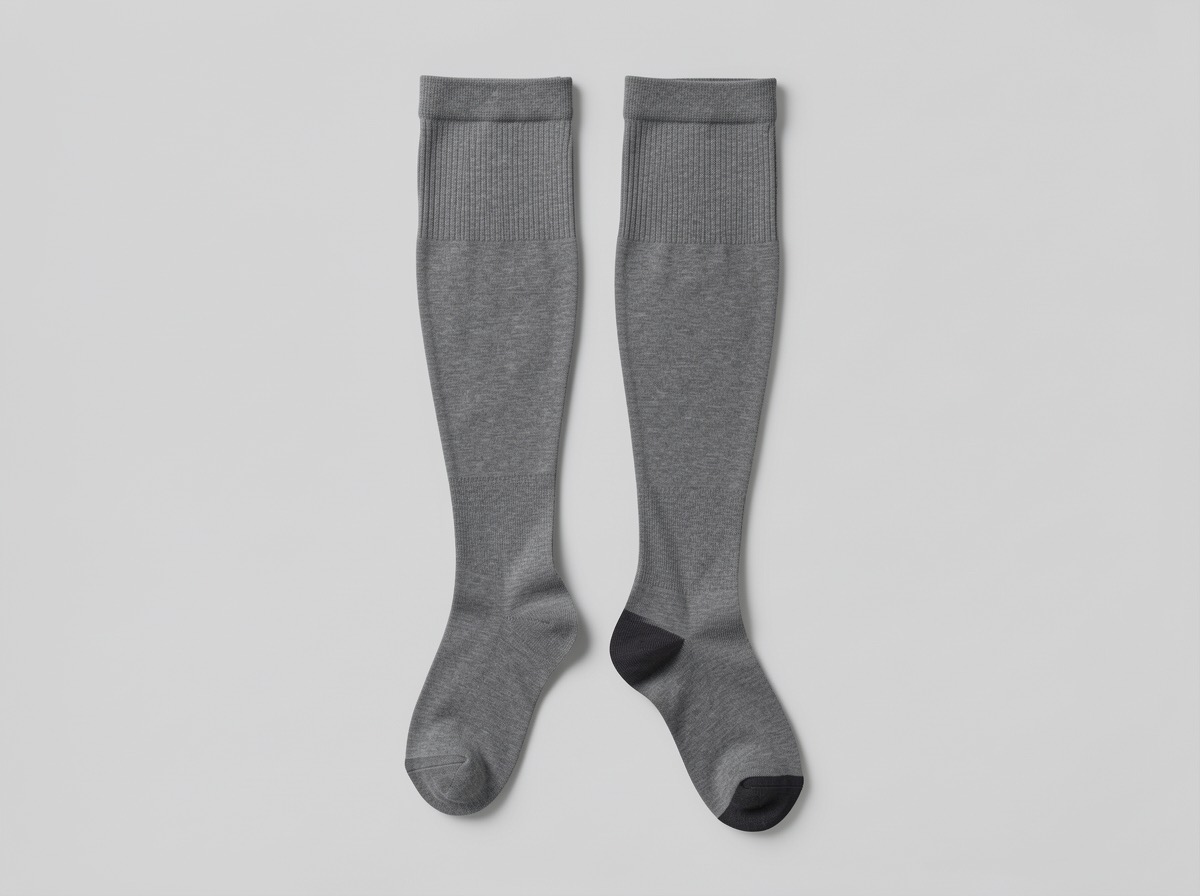
Compression stockings
Graduated stockings for swollen legs and circulation.
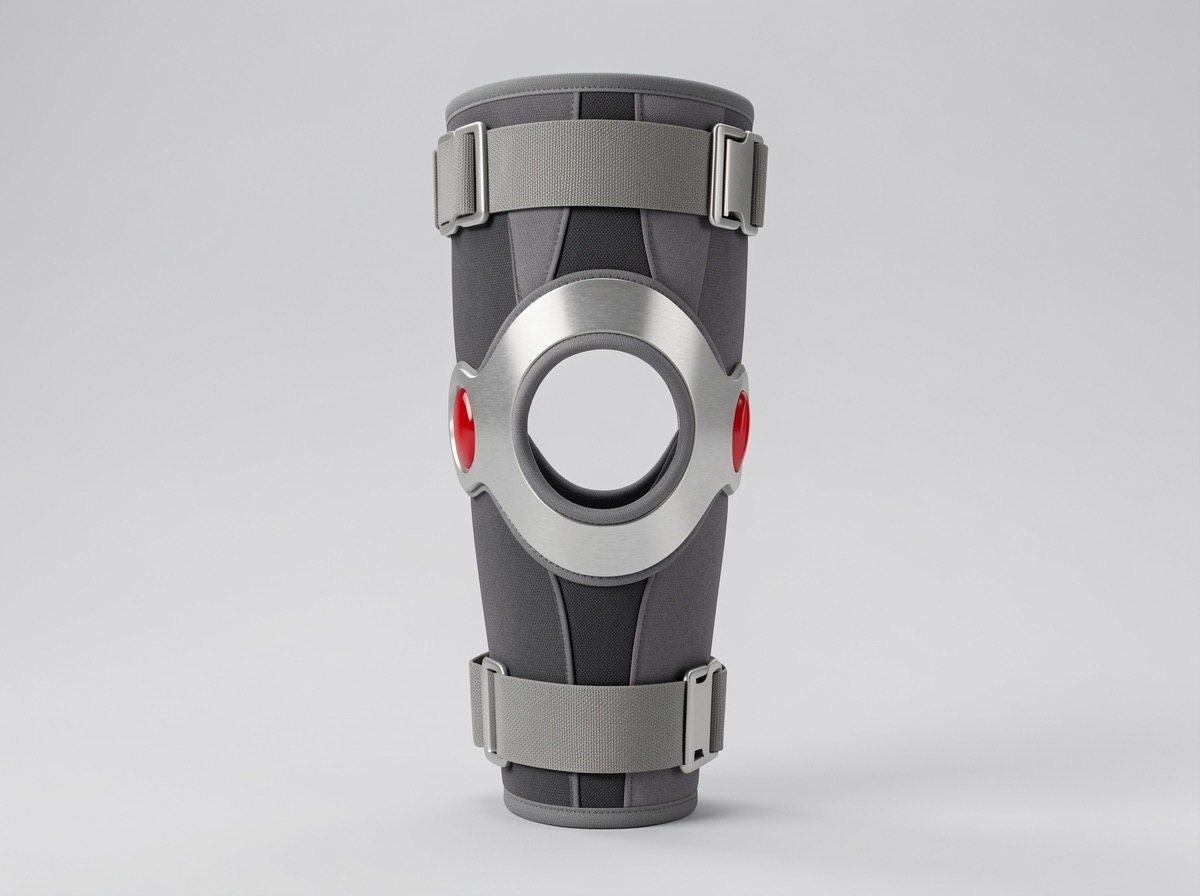
Hinged knee brace
A firmer brace with side hinges that limits sideways movement of an unstable knee.
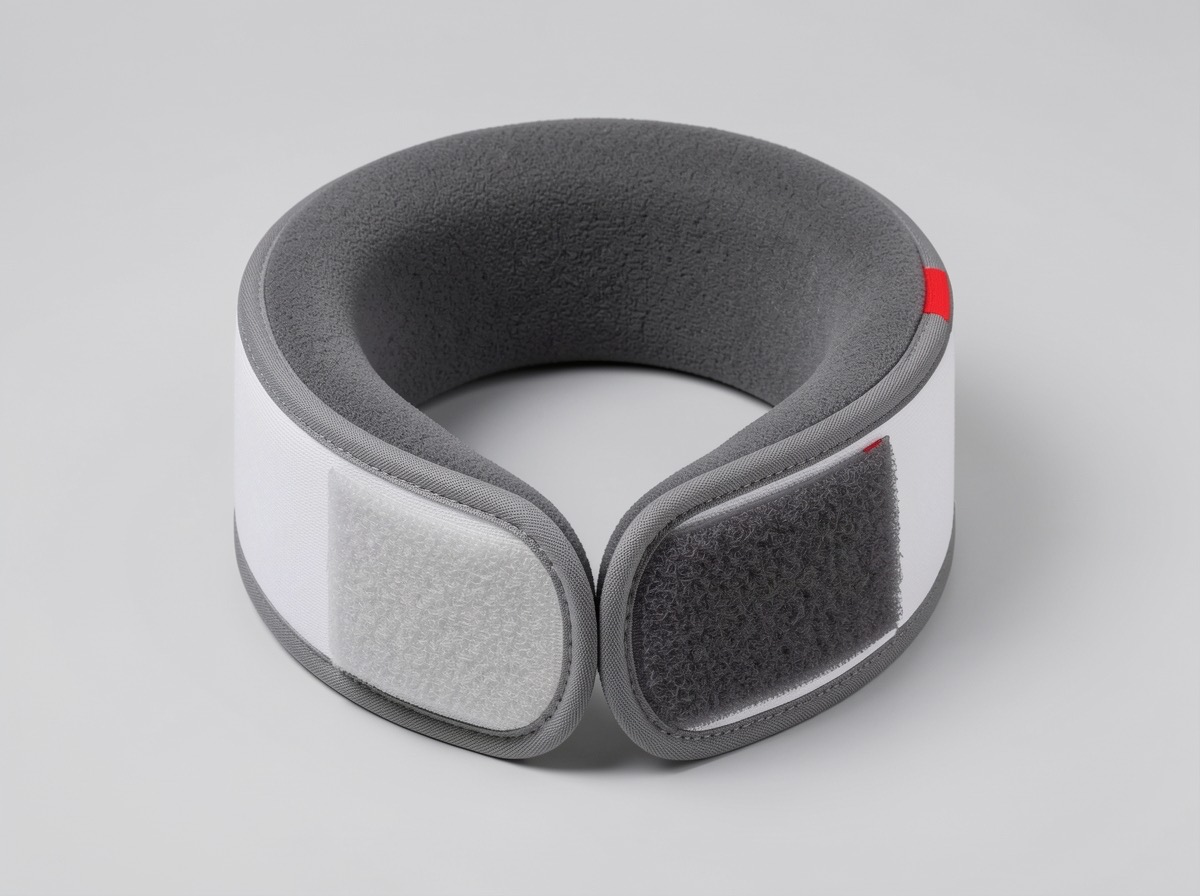
Soft cervical collar
A padded collar that supports the neck for short periods.
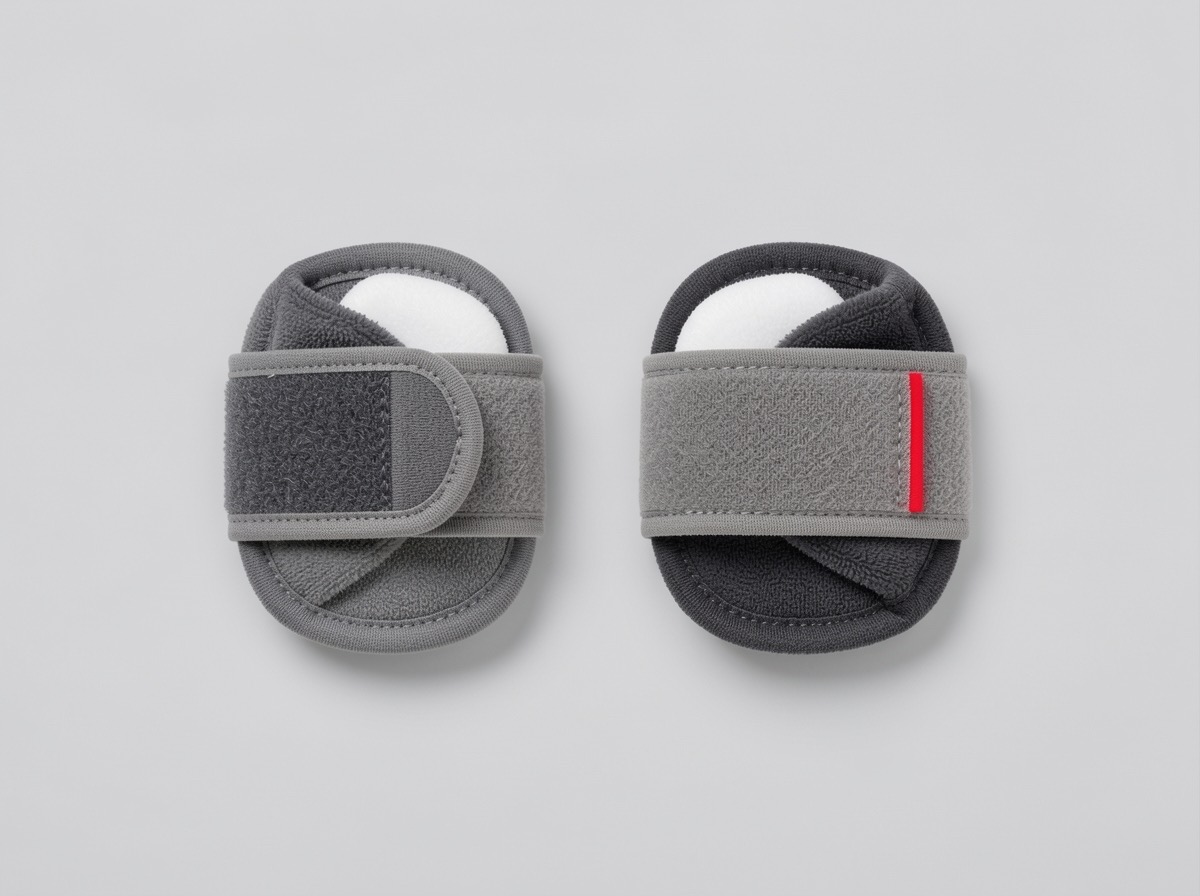
Bunion corrector
A soft splint that holds the big toe in a more natural position and cushions the joint.
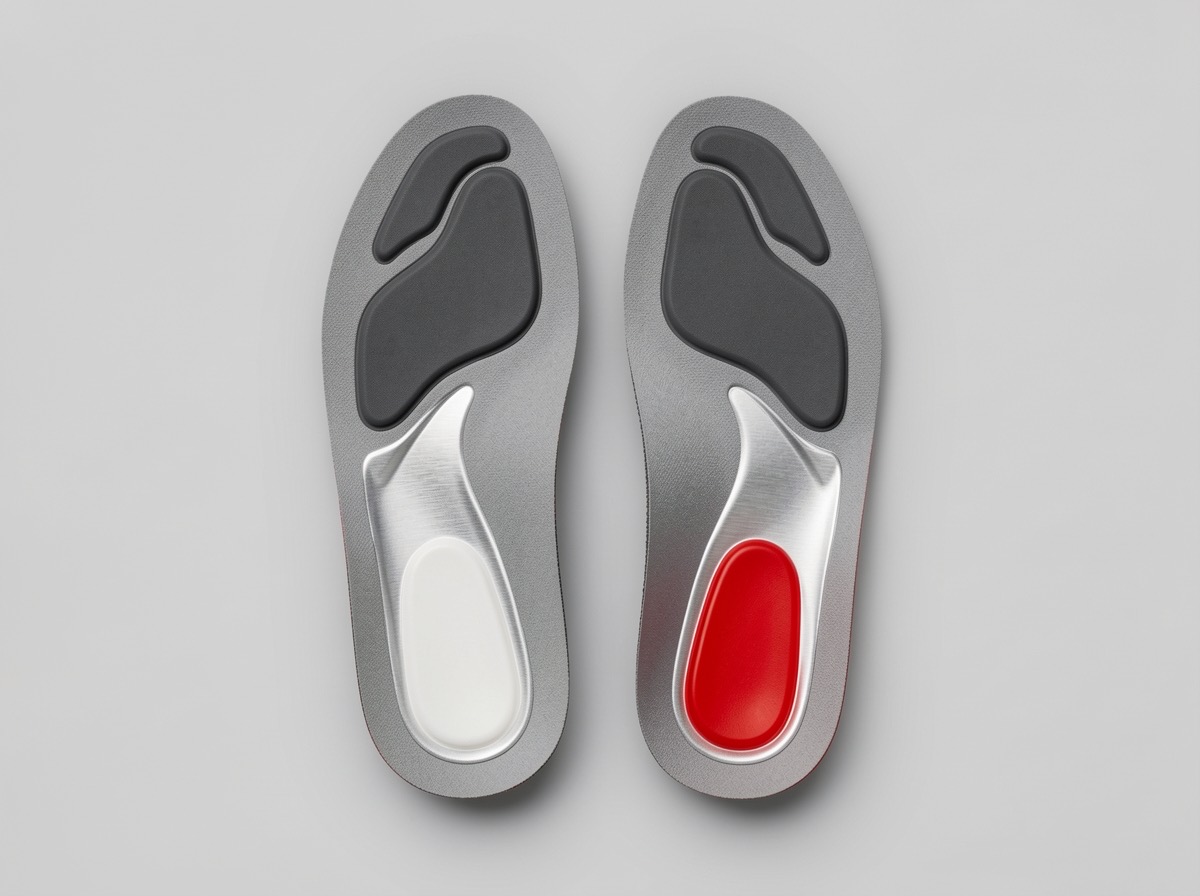
Cushioned insoles and heel pads
Shock-absorbing inserts that ease pressure on heels and the balls of the feet.
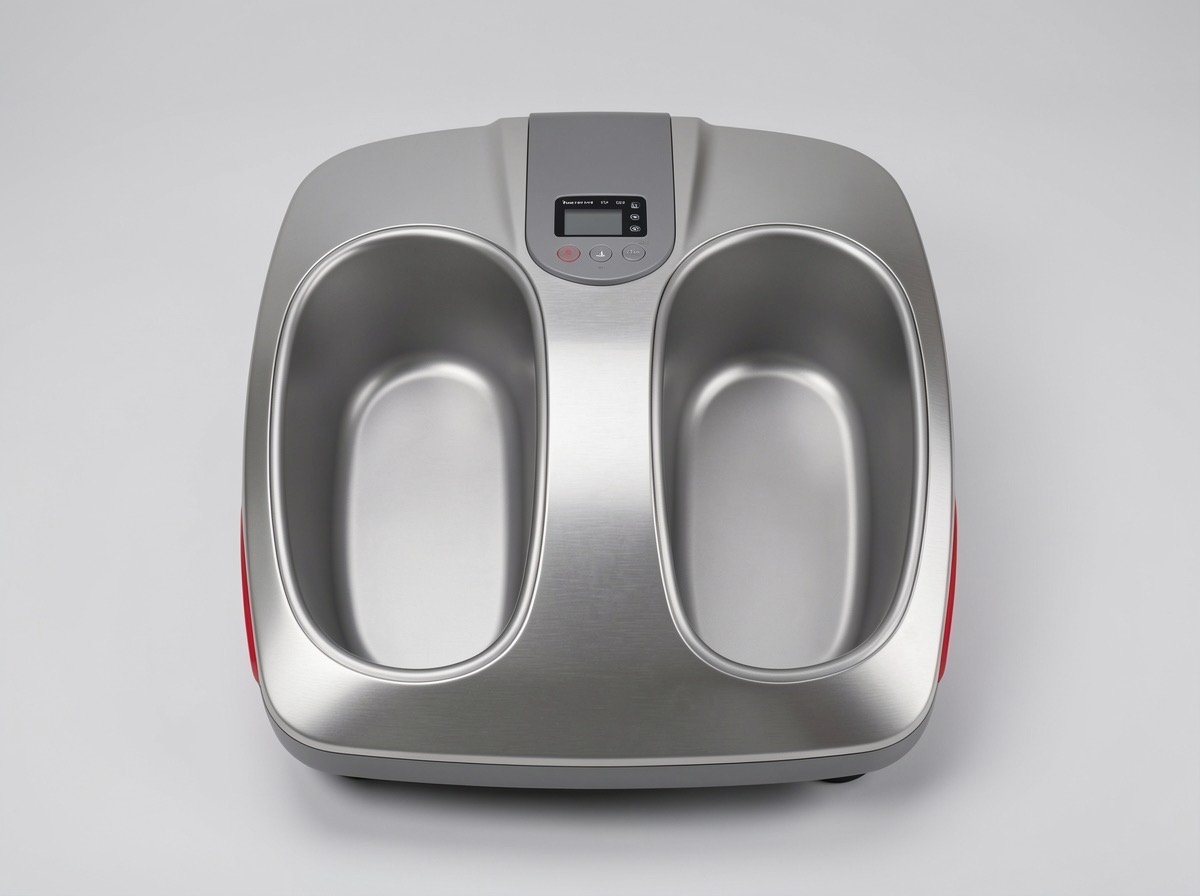
Foot and calf massager
An electric massager for tired feet and calves.
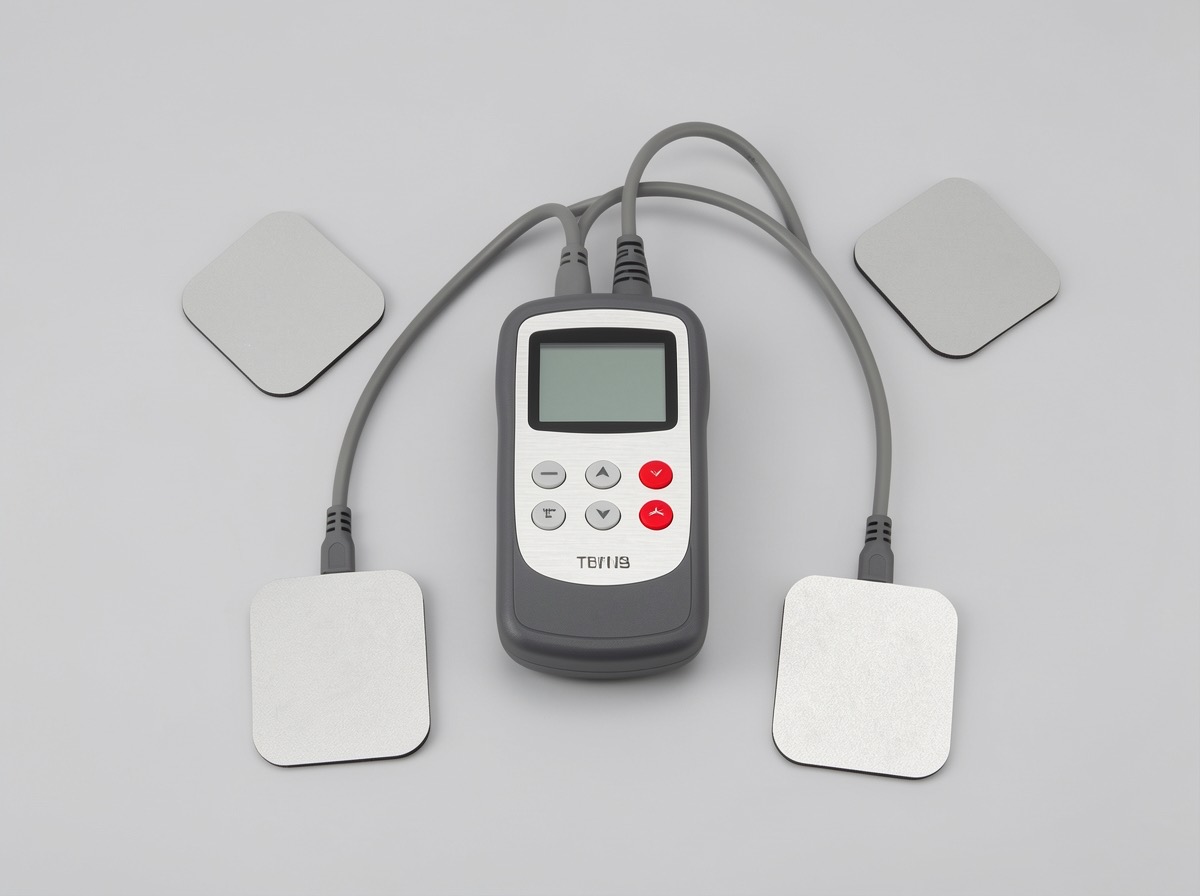
TENS pain-relief unit
A small electrical stimulator with pads that can ease some kinds of muscle and joint pain.
Prices, delivery and any advice needed are confirmed with you before anything ships. View your cart
How to choose
A few things worth checking before you buy.
Safety first. Stop using a support if it causes numbness, swelling or skin marks, and see a doctor. Supports are not a substitute for treatment.
- Measure carefully; a support that is too tight or loose does not help.
- Choose breathable, washable material for daily wear.
- Use a support for activity, not all day, unless advised.
- Ask a doctor or physiotherapist before using a brace for a new injury.
Before you buy
Should my parent wear a knee brace all day?
Usually not. Ask a physiotherapist how long and when to wear it.
Read next: Strength training after 50
Products described here are general information. Ask a doctor, nurse or physiotherapist about the right choice for your parent.
Need help choosing?
A nurse can suggest the right one and arrange delivery and setup.