
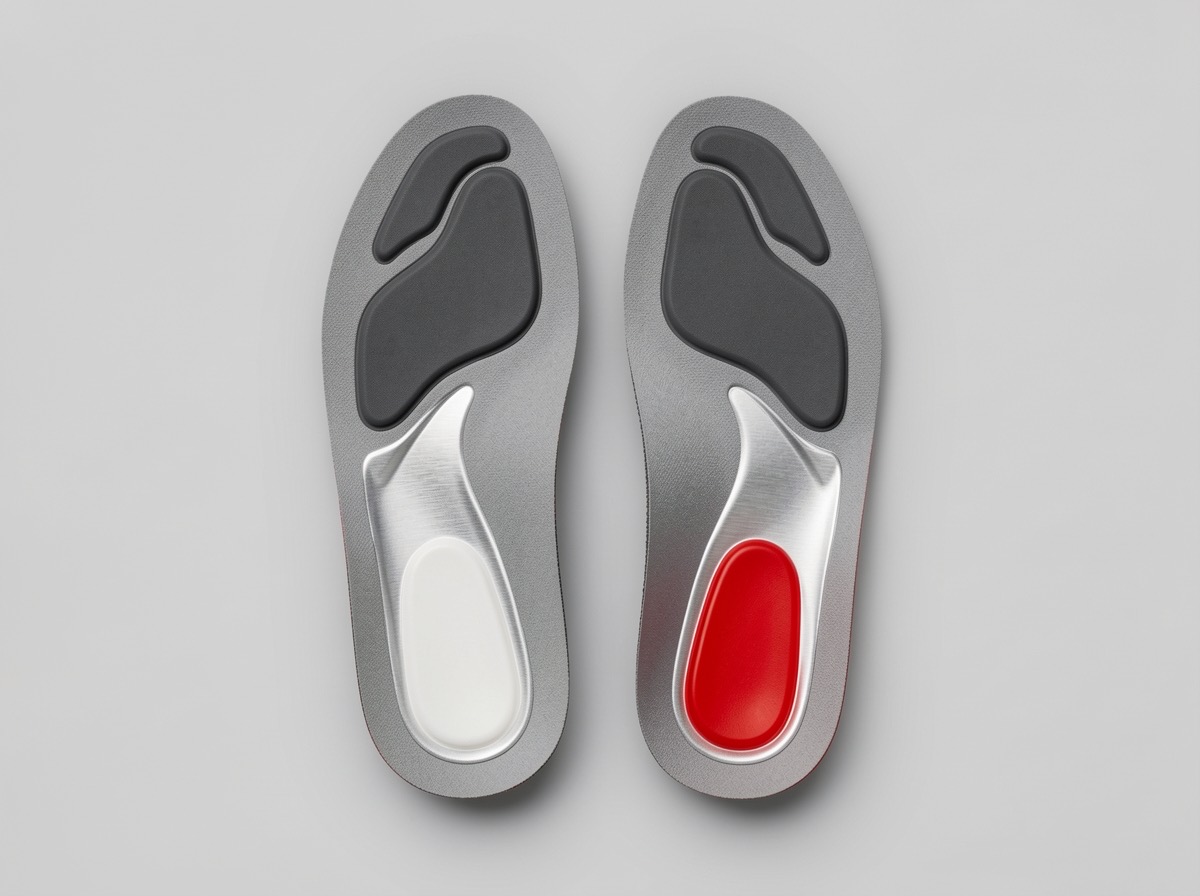
Illustrative picture. We confirm the exact model with your price.
Cushioned insoles and heel pads
Shock-absorbing inserts that ease pressure on heels and the balls of the feet.
Good forHeel pain and tired feet
- Price and delivery confirmed first
- A nurse can advise before you buy
- Set-up help when it is needed
What it is, and who it helps
Cushioned insoles and heel pads are soft inserts that fit inside shoes to absorb shock and spread pressure. As we age, the natural fat pad under the heel and the ball of the foot thins, so walking can become uncomfortable. Inserts replace some of that cushioning.
They are a simple, low-cost way to ease tired feet, heel pain and some knee and back discomfort that comes from walking on hard floors.
How to choose
- Choose the size by shoe size, and trim to fit if the maker allows.
- Pick a material that is firm enough to support but soft enough to cushion, such as gel or memory foam.
- Check that the shoe has room for the insole, or it will make the shoe too tight.
- Look for arch support if the arch is flat or the foot rolls inwards.
Using it safely
- Introduce them gradually, wearing them for a few hours at first.
- Do not use them to replace proper, well-fitting shoes.
- Ask a podiatrist for custom insoles if the pain is severe, or if your parent has diabetes or foot deformities.
Before you buy
Will insoles help with heel pain?
Often they ease it. Persistent heel pain needs a check by a doctor or podiatrist.
How often should I replace them?
Usually every six months to a year, or when they flatten or crack.
More in Joint and pain support · Care plans · Services · Strength training after 50
General information, not medical advice. Ask a doctor, nurse or physiotherapist what is right for your parent.
Often chosen together
Not sure this is the right one?
A nurse can suggest the right choice, arrange delivery and show how to use it.