
Regular readings at home let small changes be noticed early. The most useful devices are simple, validated and easy for your parent or carer to use.
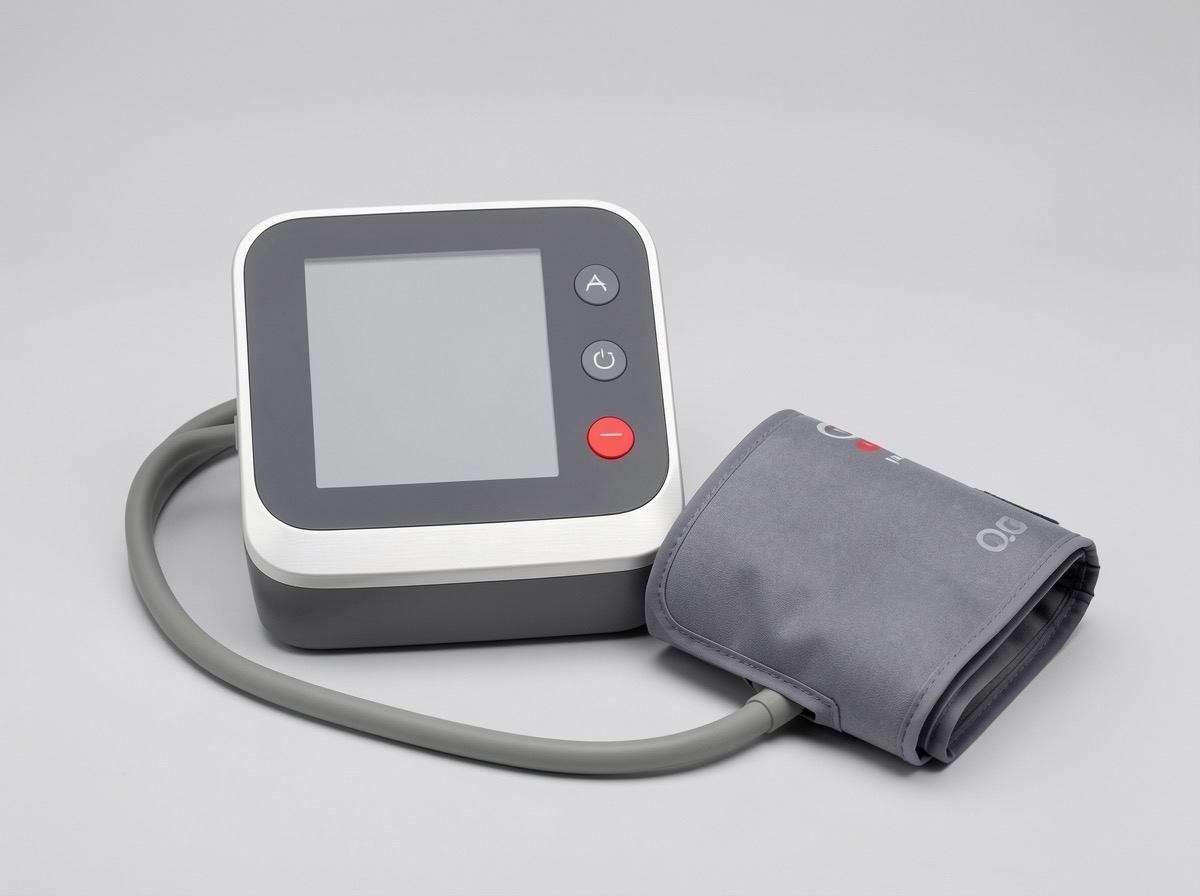
Digital blood pressure monitor (upper arm)
Automatic monitor with a large display, memory and irregular-heartbeat alert.
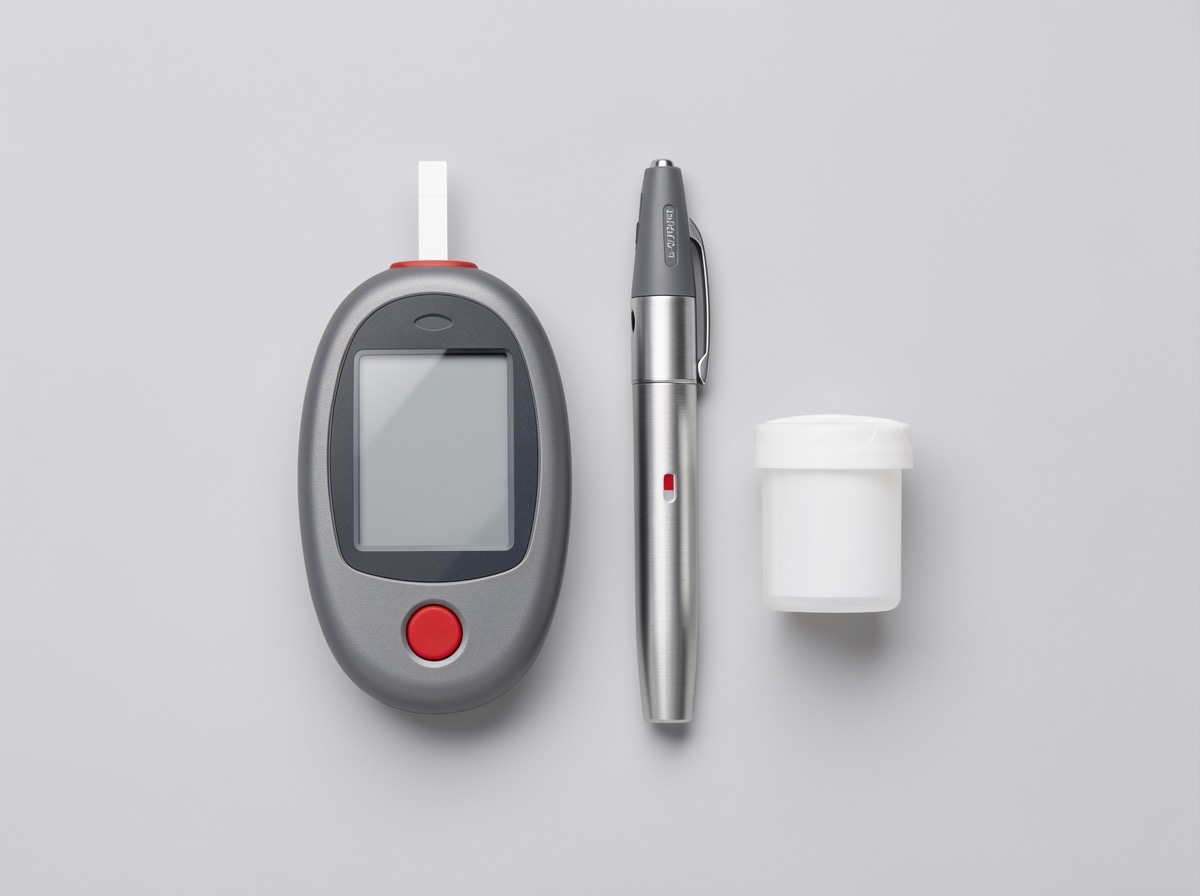
Blood glucose meter with strips
Easy-to-read meter, lancets and test strips.
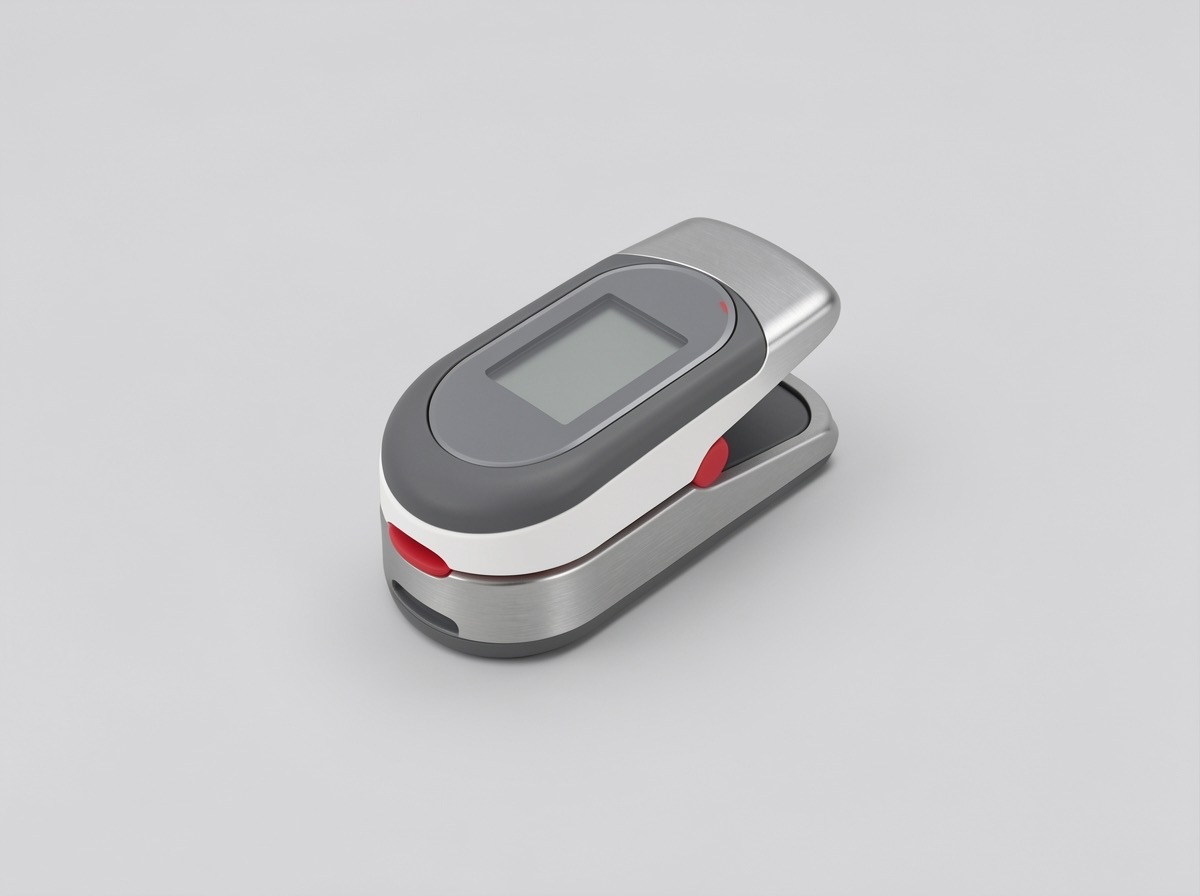
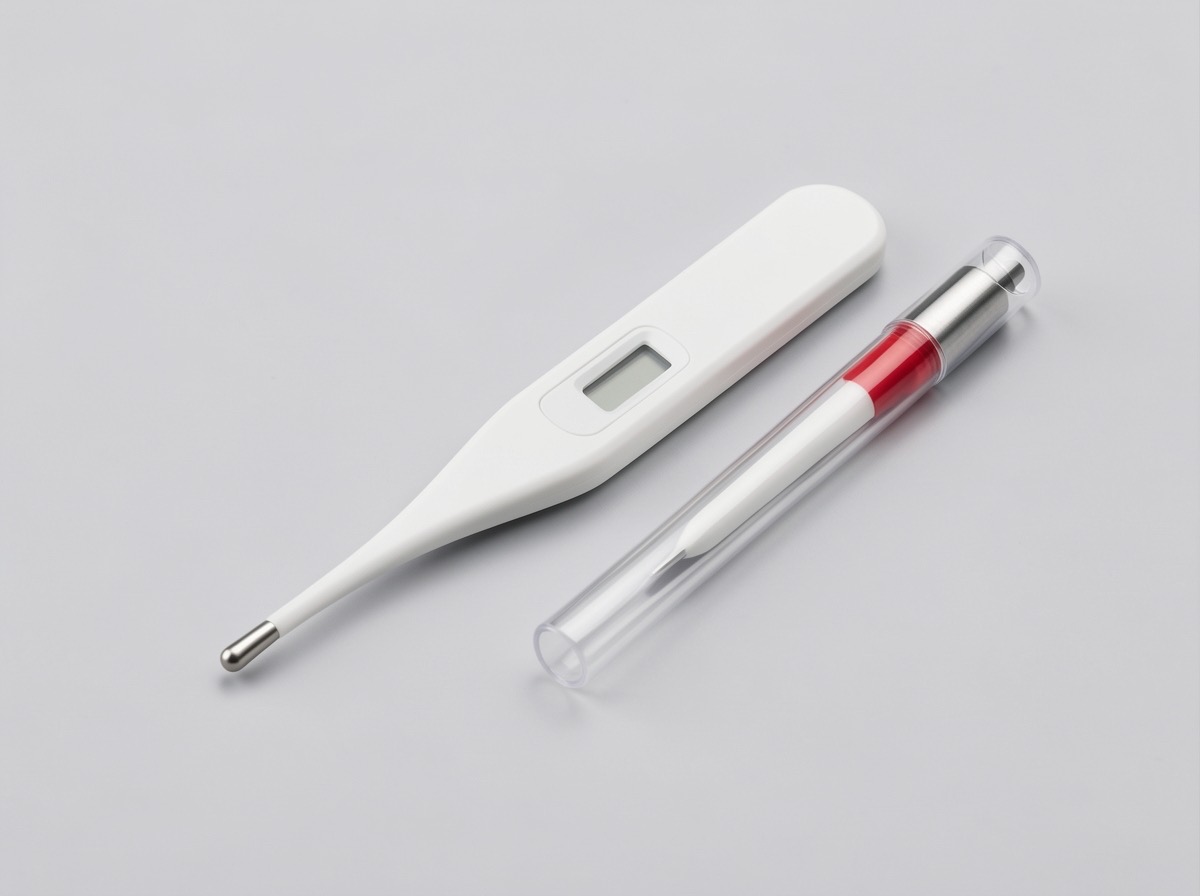
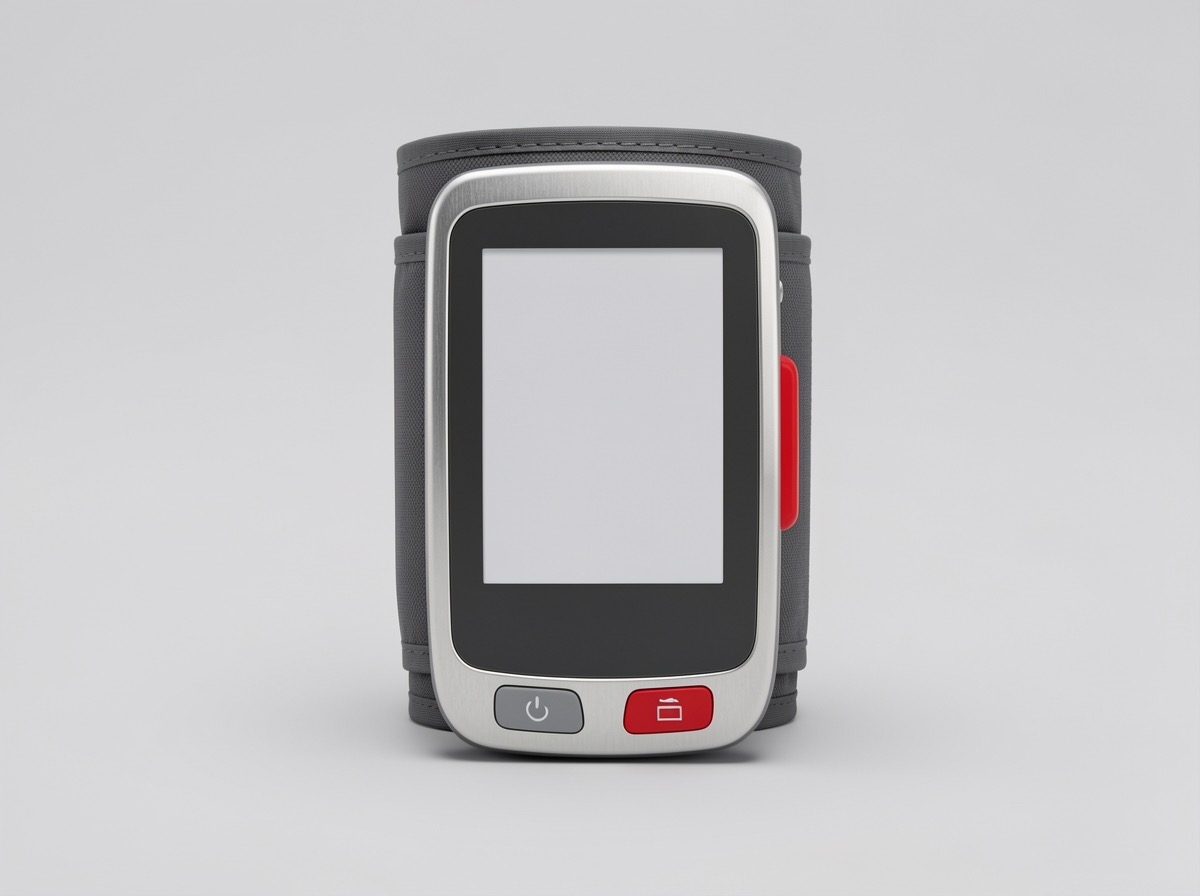
Wrist blood pressure monitor
A compact monitor worn on the wrist. Easy to carry, but readings depend on holding the wrist at heart level.
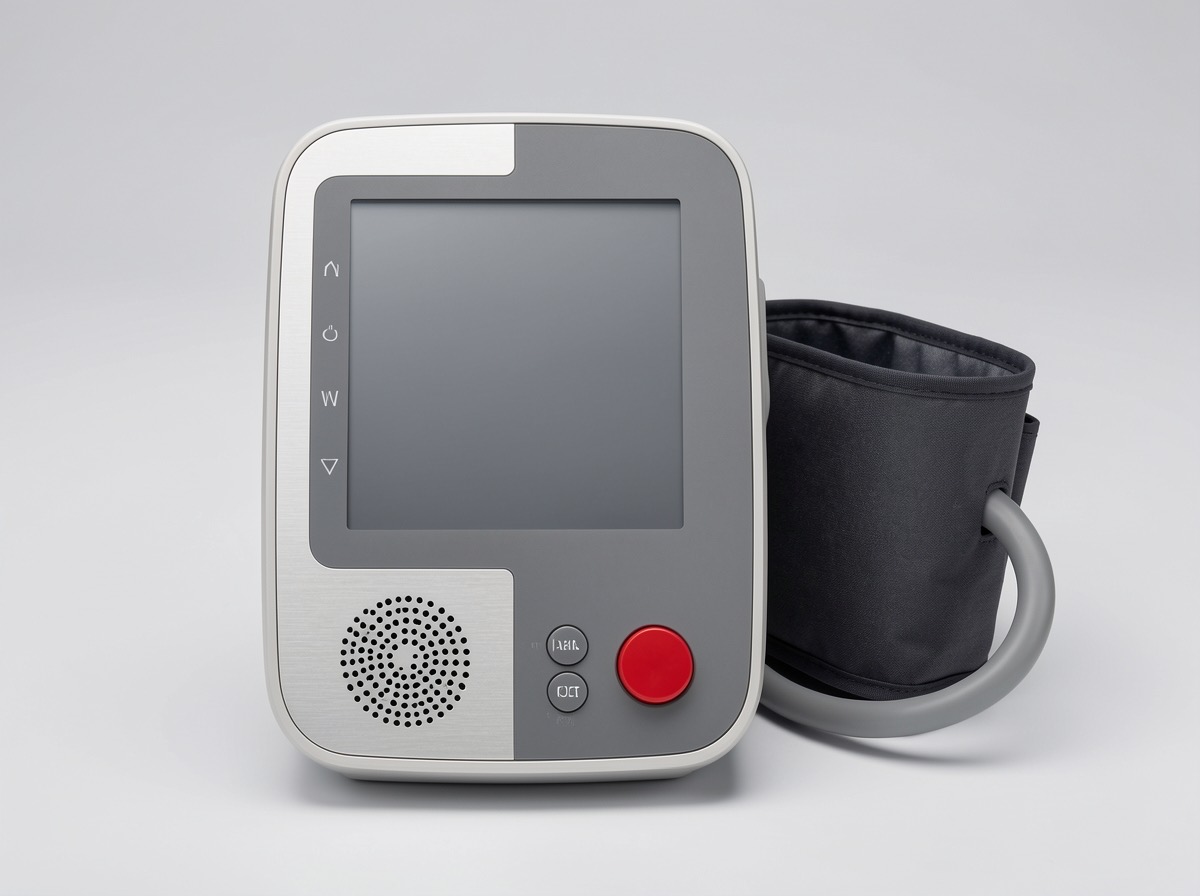
Talking blood pressure monitor
A monitor that speaks the result aloud and shows very large digits.
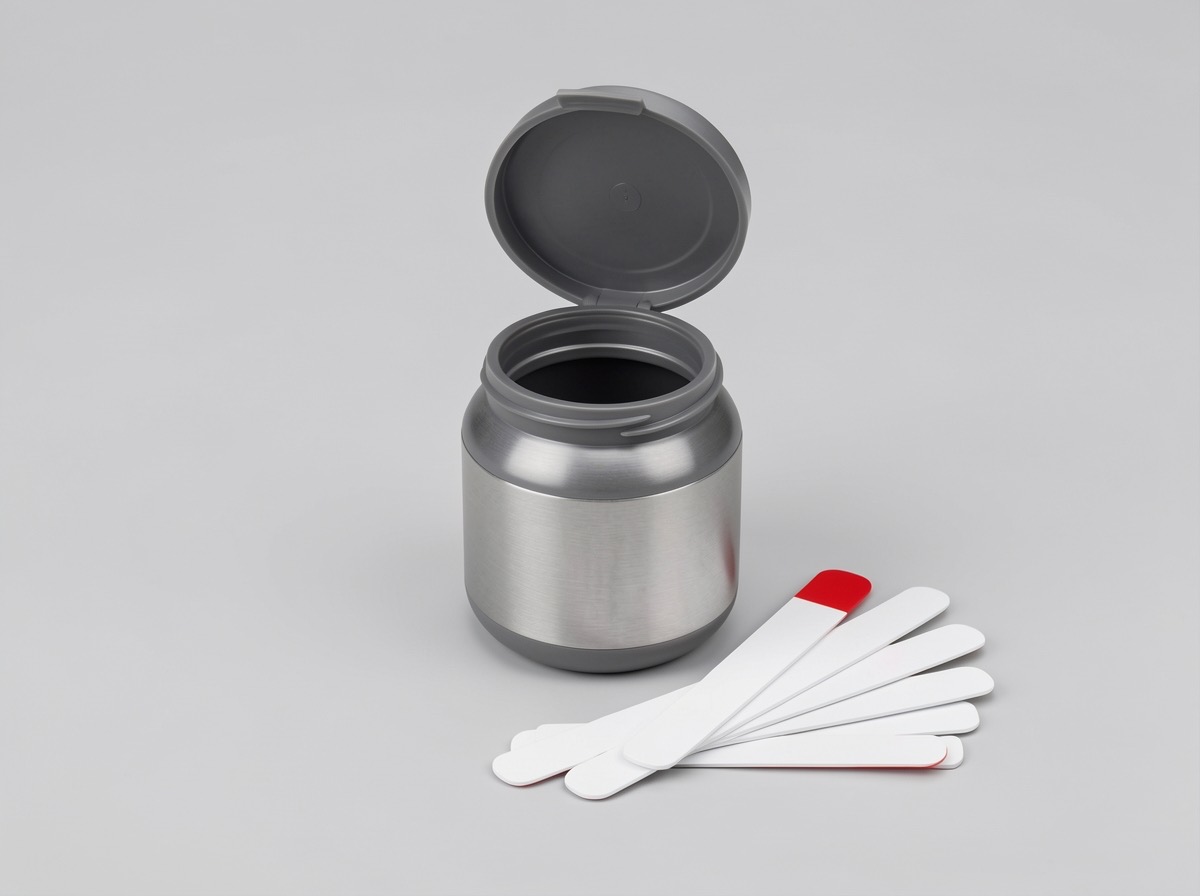
Blood glucose test strips
Test strips made for a specific meter. Always buy the ones that match your meter.
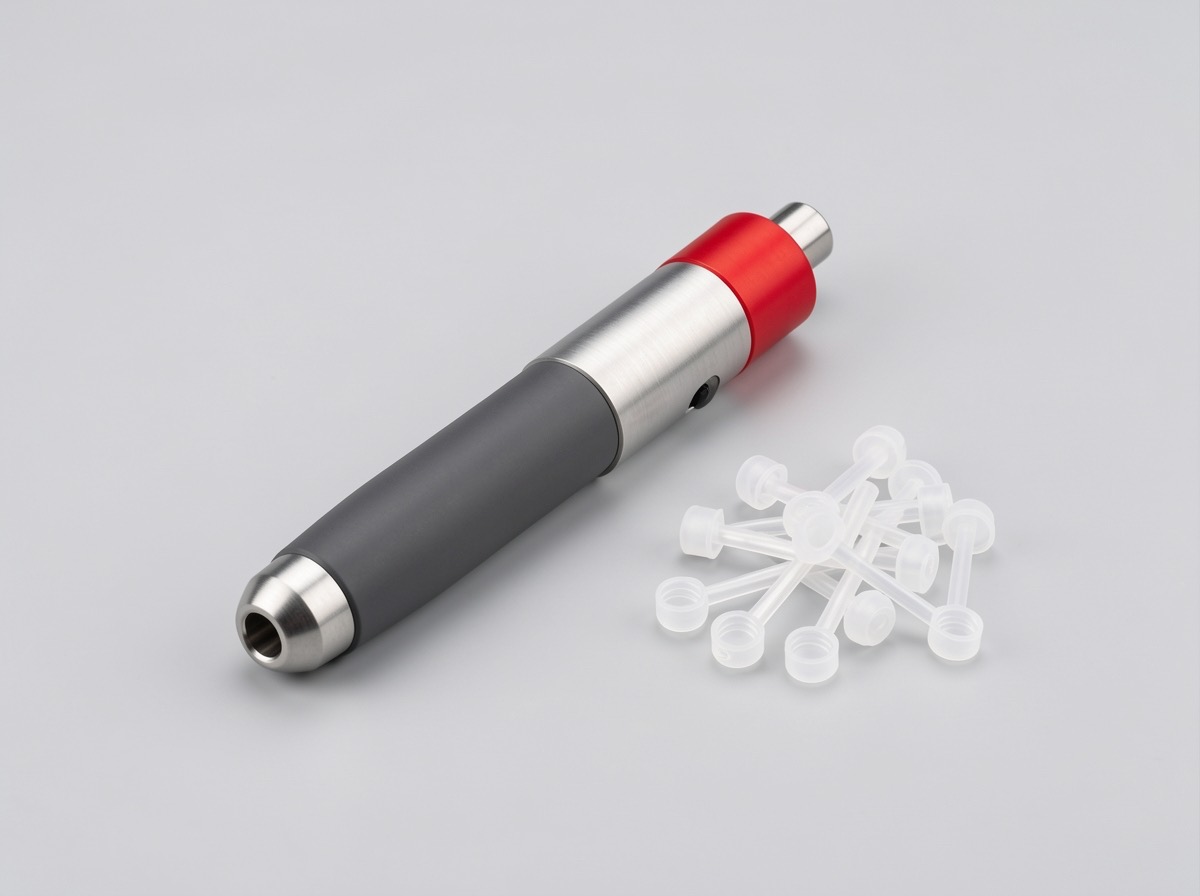
Lancets and lancing needles
Single-use needles for the finger-prick device that comes with a glucose meter.
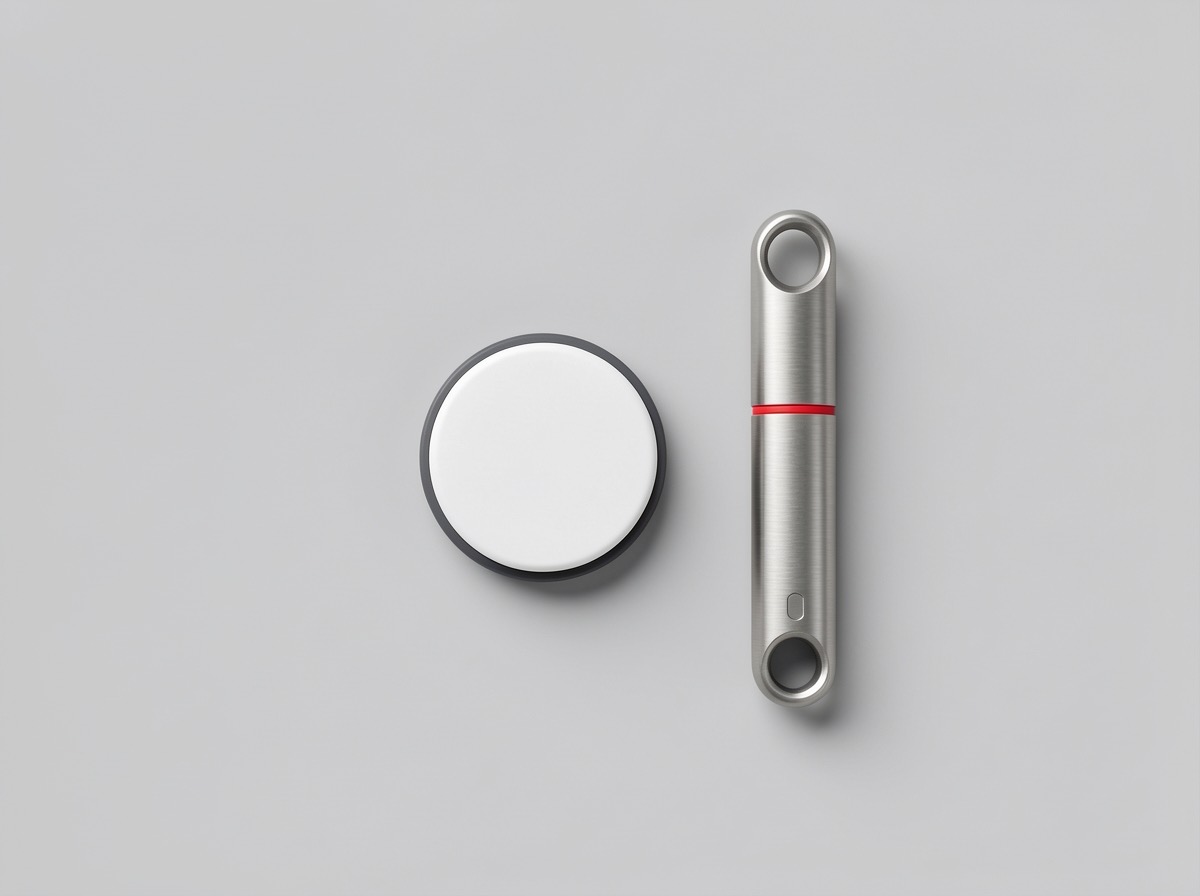
Continuous glucose monitoring sensor
A small sensor worn on the arm that tracks sugar levels day and night and sends them to a reader or phone.
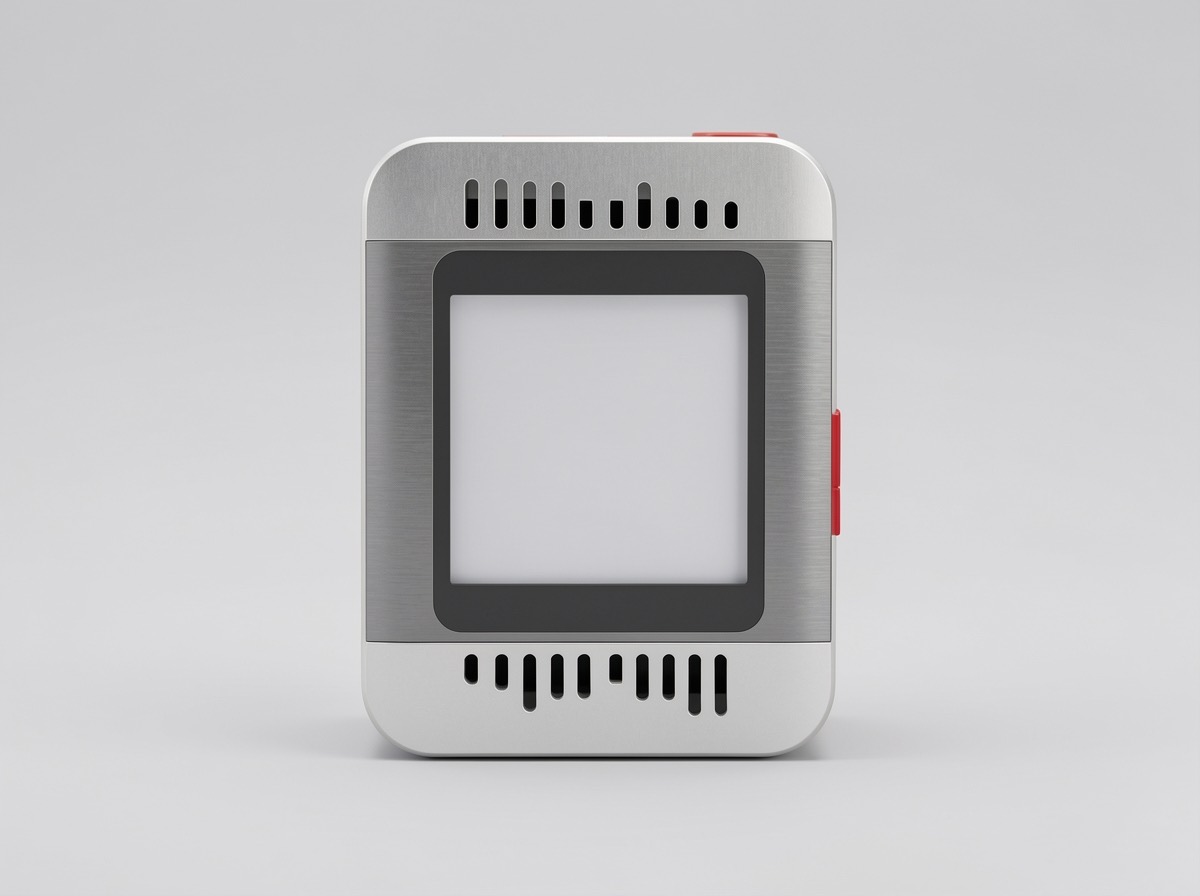
Indoor air quality monitor
A table-top monitor that shows fine dust and other readings so that you know when to keep windows shut or run a purifier.
Prices, delivery and any advice needed are confirmed with you before anything ships. View your cart
How to choose
A few things worth checking before you buy.
Safety first. Do not change medicines because of a home reading. Contact your doctor for readings outside the range they have given you, or for symptoms such as chest pain or severe breathlessness.
- Choose a validated upper-arm blood pressure monitor with a cuff of the right size.
- A glucometer needs test strips and lancets; check how easy they are to buy.
- A pulse oximeter is useful for chest conditions; a reading is a guide, not a diagnosis.
- Pick large displays and voice output if eyesight is poor.
- Write readings in a notebook and share them with your doctor.
Before you buy
Wrist or arm blood pressure monitor?
Upper-arm monitors are generally more reliable and are preferred for most older adults.
Read next: Proactive health monitoring · Blood pressure after 60
Products described here are general information. Ask a doctor, nurse or physiotherapist about the right choice for your parent.
Need help choosing?
A nurse can suggest the right one and arrange delivery and setup.