Common equipment
Many items can be rented for short recoveries.
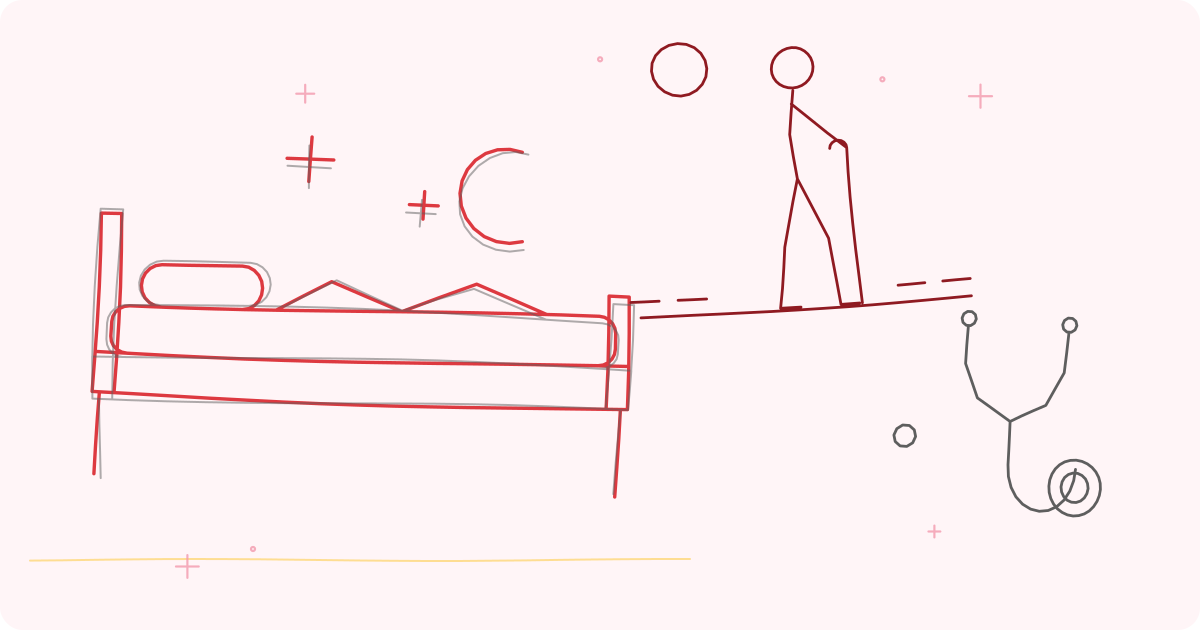
- Adjustable hospital beds and pressure-relief mattresses
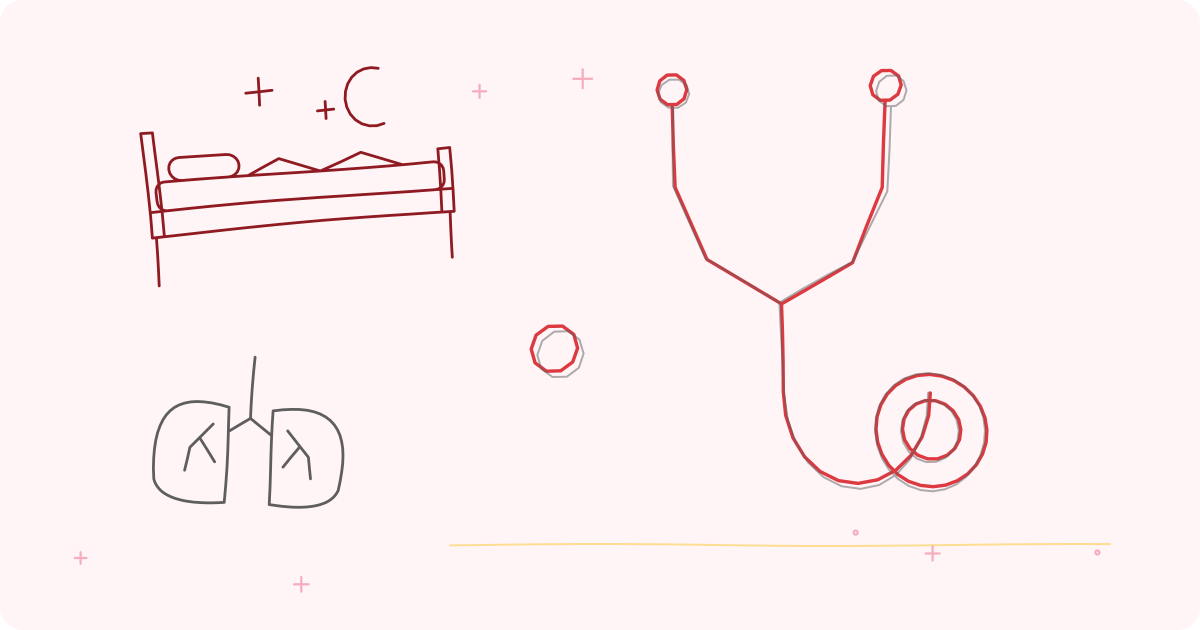
- Oxygen concentrators and nebulisers
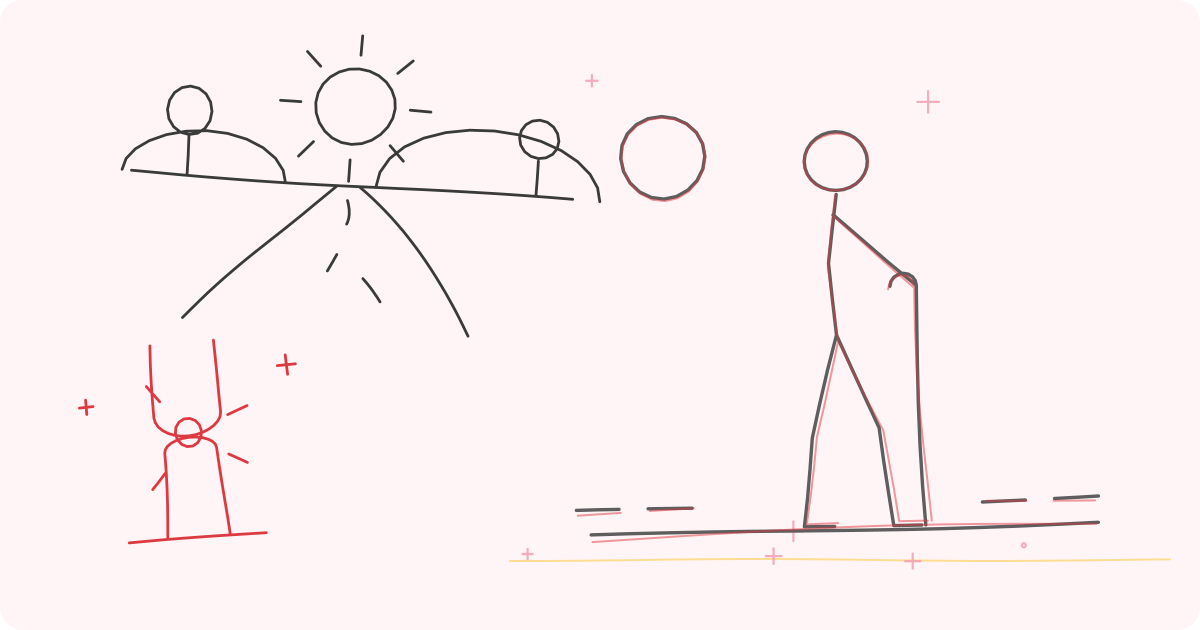
- Wheelchairs, walkers and commodes
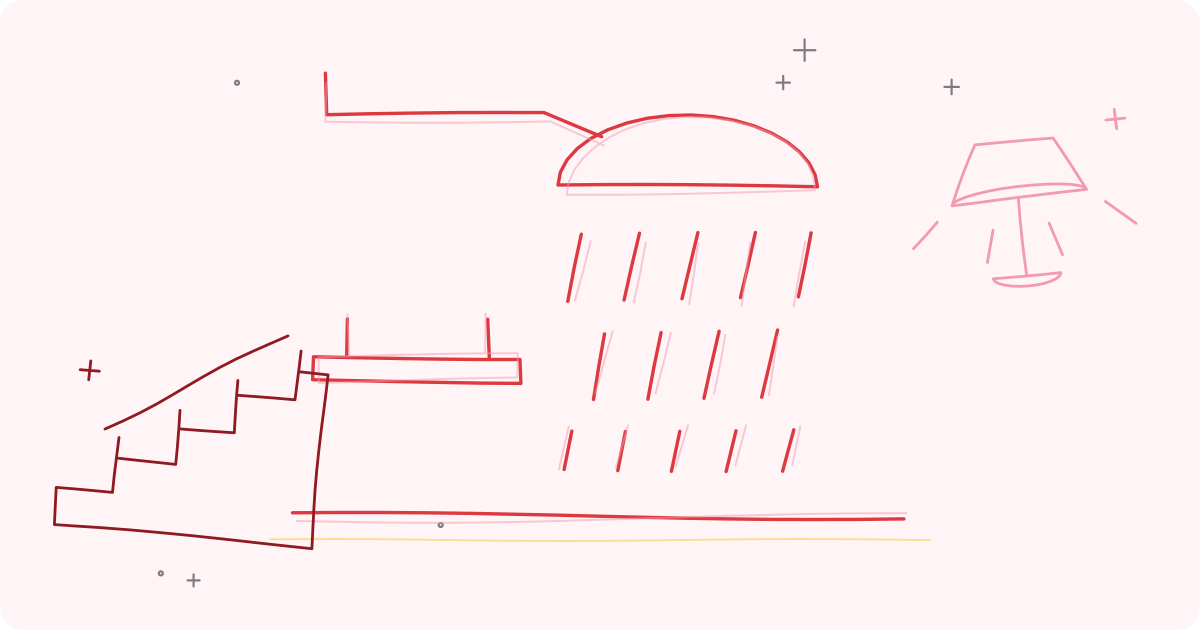
- Shower chairs, grab bars and raised toilet seats
- BP monitors, glucometers and pulse oximeters
- Suction machines and feeding pumps
Rent or buy
Rent when need is temporary, such as after surgery. Buy for lifelong use of items like a BP monitor. Ask about delivery, setup, servicing and replacement.
Get a fitting
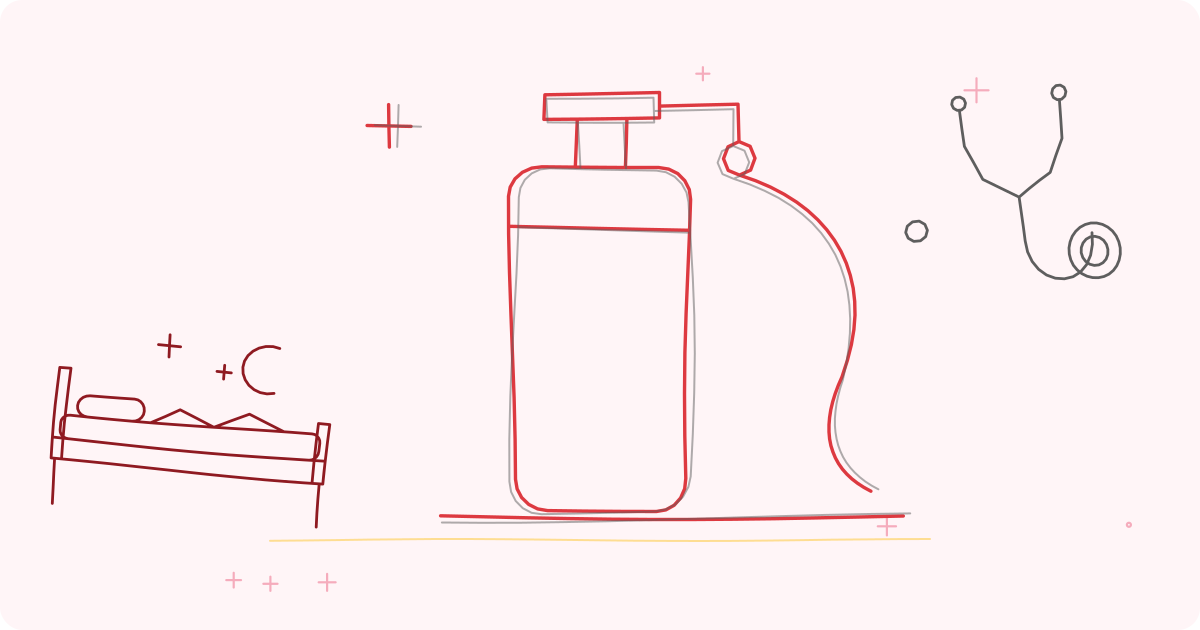
A nurse or physiotherapist should check height, size and use. Learn how to use oxygen safely: keep it away from flames and follow the prescribed flow.
Beds, mattresses and preventing pressure sores
For anyone who spends most of the day in bed, the bed and mattress are not luxuries. An adjustable bed makes feeding, breathing and nursing care easier and protects carers' backs. A pressure-relief mattress, usually an air or alternating-pressure type, reduces the risk of pressure sores, which develop quickly in frail skin. Turn the person at least every two hours if they cannot move, keep skin clean and dry, check heels, hips and the base of the spine daily, and keep nutrition and fluids up.
Oxygen and breathing support
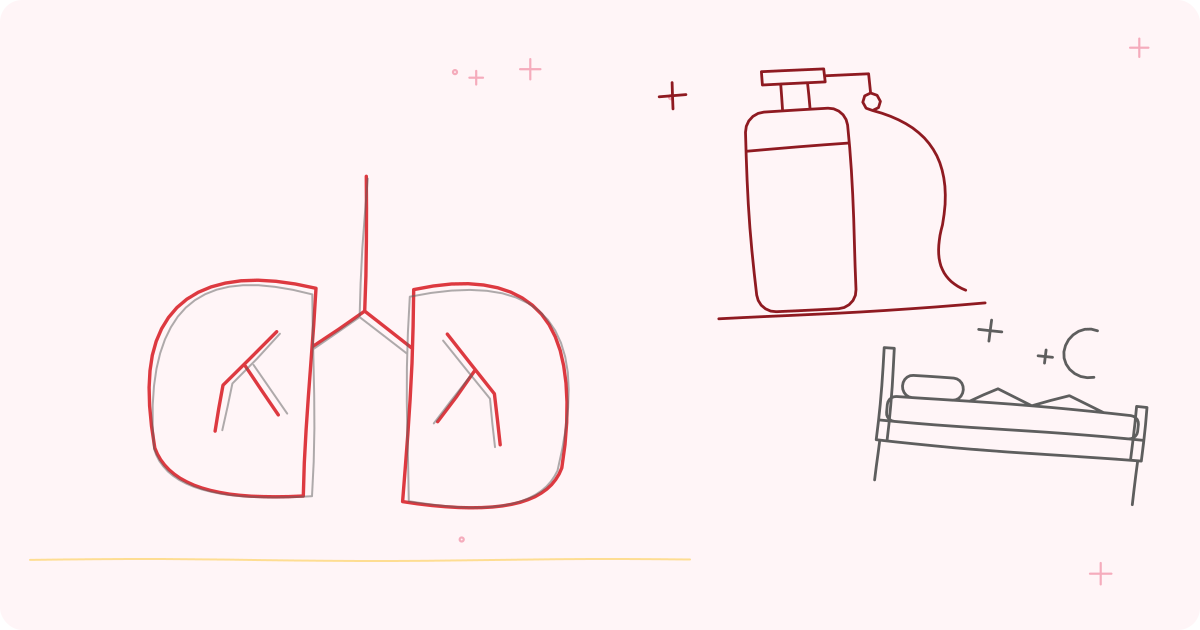
An oxygen concentrator is a medical device and the flow must be set by a doctor. Keep it in a ventilated room, away from flames, cigarettes and gas stoves, and have a backup cylinder for power cuts. Learn to clean the filters, check tubing and use a pulse oximeter. A nebuliser delivers inhaled medicines; clean the mask after each use and follow dosing exactly.
Moving safely: walkers, wheelchairs and commodes
A walking frame or stick must be the right height: with arms relaxed at the side, the handle should be level with the wrist crease. A wheelchair needs the right seat width, a cushion, working brakes and footrests, and your parent should be shown how to transfer safely. A bedside commode or raised toilet seat can prevent night-time falls. Ask a physiotherapist to check the fit and teach family how to help without lifting.
Renting, buying and maintenance
For short recoveries, rent. For long-term use, buying can be cheaper, but do not skimp on the mattress or the monitoring devices. Check warranties, ask for installation and a demonstration, and keep a contact for repairs. Clean and disinfect shared equipment between users and replace worn parts promptly.
Setting up a room for someone who is bed-bound
Place the bed so that carers can reach both sides, with the head against a wall, away from draughts and direct fan air. Keep the bedside table within reach with water, tissues, glasses and the call bell. Put a commode or urinal nearby, a night light, and a window for daylight. Keep floors clear and cables out of the way. Good ventilation, a comfortable temperature and a view of the outdoors lift mood remarkably.
Hygiene and safety checks
Clean surfaces and mattresses with mild disinfectant, wash bedding frequently and keep oxygen tubing and masks clean. Check cords, plugs and tubing for wear weekly. Keep emergency numbers and the supplier's contact on the wall. Ask the supplier to service machines on schedule, and keep a spare mask, filter or battery on hand.
Equipment for common situations
After a hip fracture, families often need a raised toilet seat, a walking frame, a shower stool and a chair with firm arms. For chronic lung disease, an oxygen concentrator, a pulse oximeter and a nebuliser. For stroke recovery, a wheelchair, a hospital bed, a commode and perhaps a lifting aid. For dementia, door alarms, a bed sensor and a simple, non-slip footwear plan. Match the equipment to the diagnosis and ask the treating team for a list.
Ask a physiotherapist or occupational therapist to visit; one short visit often prevents costly mistakes.
What things cost, and how to save
Prices vary by city and quality. Renting suits short or uncertain needs; buying suits lifelong ones. Compare rentals by the month including delivery and servicing, ask about discounts for long periods, and check whether insurance or government schemes reimburse any items. Avoid paying for features your parent will not use, but do not compromise on safety, fit and hygiene.
Training family members to use equipment safely
Ask the supplier or nurse to demonstrate each device and let you practise. Learn how to lock wheelchair brakes, adjust bed height, move a person with a transfer belt, use a hoist if provided, check oxygen flow and clean the equipment. Write down instructions and keep manuals in one place. Know whom to call for faults and how to turn devices off in an emergency.
Review the setup after the first week and adjust.
Well-trained caregivers prevent injuries to themselves and the patient.
Equipment mentioned in this guide
Frequently asked questions
Do I need a prescription for oxygen?
Yes. Oxygen is a medical treatment and the flow rate should be set by a doctor.
How long can I rent a bed?
Usually from a week to many months. Ask about monthly rates and deposits.
Who cleans the equipment?
Good suppliers sanitise equipment between uses and offer servicing.
Can equipment be returned if no longer needed?
Rental agreements usually allow it. Check the minimum period and any deposit.
Is it safe to buy used equipment?
Be careful with items that touch the body or deliver oxygen or medicine. Prefer new or professionally refurbished and sanitised equipment.
Who can teach us to use it?
A nurse, physiotherapist or the supplier's technician. Ask for a demonstration at home.
How much space do we need?
Allow room to move around the bed on both sides, roughly a metre each, and a turning space for a wheelchair.
Sources and further reading
- World Health Organization, Ageing and health (fact sheet)
- NHS, Pressure ulcers: prevention
- World Health Organization, Guidelines on the provision of manual wheelchairs in less-resourced settings (2008)
Tags: Adjustable hospital bedPressure-relief air mattressOxygen concentratorManual wheelchairCommode chairRollator with seat and brakesBeds, mattresses and restBreathing supportMobility and walking aidsBathroom and toilet safety
This article is for general education and is not medical advice. Speak to your doctor before changing your exercise, diet or medicines.