The four pillars
These work together.
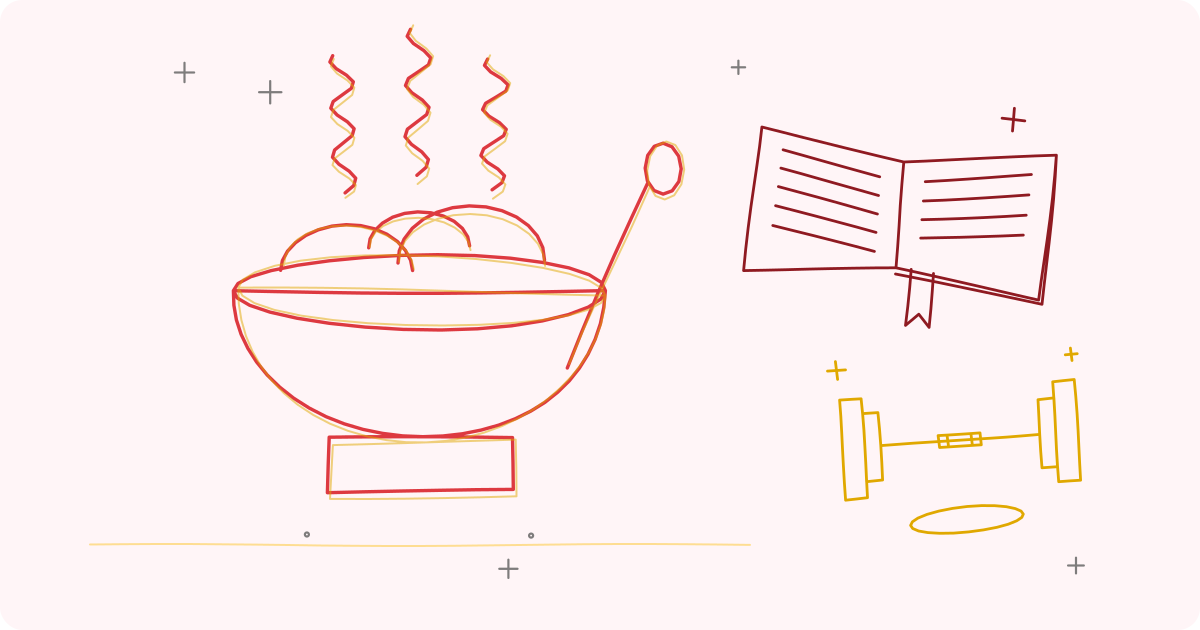
- Weight-bearing and strength exercise: walking, stair climbing, resistance training
- Calcium from food: dairy, ragi, leafy greens, tofu, sesame and sardines
- Vitamin D from safe sunlight, food and supplements if your doctor advises
- Enough protein and not smoking
How much calcium
Most adults over 50 are advised about 1,000 to 1,200 mg a day, ideally from food first.
Get tested
Ask your doctor about a bone density scan, called a DEXA scan, if you are a woman over 65, a man over 70, or younger with risk factors such as steroid use, early menopause or a family history.
Protect against falls
Most fractures follow a fall, so combine bone care with balance training.
Medicines for osteoporosis: what to know
Bisphosphonates such as alendronate and zoledronic acid slow bone loss and reduce fractures; they must be taken carefully (upright, with water, on an empty stomach for tablets) and may rarely affect the jaw or thigh bone. Other options include denosumab, teriparatide and romosozumab for higher-risk people, and hormone-related treatments in some women. Your doctor will weigh risks and benefits, check kidney function and vitamin D, and review treatment every few years. Dental checks are advised before starting some medicines.
Stay in touch with your doctor about any new pain or side effect.
Men and bone health
Osteoporosis is not only a women's condition: about one in five fractures from osteoporosis occurs in men, who often have worse outcomes after hip fracture. Risk factors include low testosterone, smoking, alcohol, steroids and low vitamin D. Men over 70, or younger with risk factors, should discuss bone density testing with their doctor. Exercise, nutrition and fall prevention apply equally.
Do not assume that bone loss is only a female concern.
Vitamin D in India
Despite abundant sunshine, vitamin D deficiency is widespread in India because of skin pigmentation, clothing, indoor lifestyles, pollution and dietary habits. Sunlight exposure of arms and legs for 15 to 30 minutes around midday can help, balanced against skin cancer risk. Food sources include fatty fish, eggs and fortified foods. Supplements may be needed; get a blood test and follow your doctor's advice on dose, since high doses can be harmful.
Check levels periodically.
Bone health for women after menopause
Oestrogen protects bone, and its fall at menopause speeds loss in the first five to ten years. Women should be aware of bone health around this time, maintain calcium, vitamin D and exercise, stop smoking and discuss bone density testing and treatment options, including hormone therapy where appropriate, with their doctor. Early prevention pays off in later decades.
Strength training and weight-bearing exercise are especially valuable.
Do not wait until a fracture to look after your bones.
How bones age and who is at risk
Bone is living tissue that is constantly renewed. Peak bone mass is reached around the late twenties, and loss gradually exceeds gain from middle age. In women, the fall in oestrogen after menopause speeds loss sharply. Risk rises with age, low body weight, smoking, heavy alcohol use, certain medicines such as long-term steroids, low calcium or vitamin D, a family history of fractures and conditions like rheumatoid arthritis or thyroid disease. Osteoporosis often has no symptoms until a fracture occurs.
Calcium, vitamin D and protein in practice
Most guidance suggests around 1,000 to 1,200 mg of calcium daily for older adults, ideally from food: milk, curd, paneer, ragi, sesame seeds, leafy greens, almonds and sardines. Vitamin D, from sunlight and sometimes supplements, helps absorb calcium; many Indians are deficient despite the sunshine, so blood testing is worthwhile. Protein supports bone and muscle. Do not take large doses of calcium or vitamin D without advice, since too much can cause problems.
Exercise, screening and treatment
Weight-bearing exercise such as walking, stair climbing and dancing, and resistance training, help maintain bone density. Balance training reduces fall risk. Bone density scans (DEXA) are recommended for women from 65 and men from 70, or earlier with risk factors. If osteoporosis is found, effective medicines such as bisphosphonates and others reduce fracture risk; discuss options and side effects with your doctor. Quit smoking and limit alcohol.
Preventing a fracture: the whole picture
Most fractures happen after a fall, so bone health and fall prevention go together. Review medicines that can cause dizziness, treat vision problems, strengthen legs and balance, make the home safe and wear good footwear. If you have osteoporosis, take your medicine as prescribed and attend follow-ups, because stopping early reduces benefit.
Living with osteoporosis
A diagnosis is not a reason to stop living. Stay active with weight-bearing and balance exercise adapted by a physiotherapist. Avoid heavy lifting with a bent spine and sudden twisting. Treat back pain promptly, as a vertebral fracture may be the cause. Eat well, keep your vitamin D up and quit smoking. Join a support group; many people find that sharing tips reduces fear.
Equipment mentioned in this guide
Frequently asked questions
What foods are best for bones?
Dairy, ragi, leafy greens, tofu, sesame, nuts and fish with edible bones.
Do I need a vitamin D supplement?
Many older adults are low. A blood test and your doctor can guide you.
Can exercise rebuild bone?
Weight-bearing and resistance exercise helps maintain and modestly improve bone density.
Can bone loss be reversed?
Exercise and some medicines can improve density and reduce fracture risk, though not fully reverse loss.
Is milk the only source of calcium?
No. Ragi, greens, sesame, almonds and fortified foods are also good sources.
Are calcium supplements safe?
In appropriate doses, yes for many people, but ask your doctor to avoid excess.
Sources and further reading
- Cosman F. et al., Clinician's guide to prevention and treatment of osteoporosis, Osteoporosis International (2014)
- Indian Council of Medical Research and National Institute of Nutrition, Nutrient Requirements for Indians (2020)
- Sherrington C. et al., Exercise for preventing falls in older people living in the community, Cochrane Database of Systematic Reviews (2019)
Tags: Calcium and vitamin D3 tabletsAdjustable walking stickBalance cushionWall-fixed grab barGut health and nutritionMobility and walking aidsGentle exercise at homeBathroom and toilet safetyAgeing gracefullyElder care
This article is for general education and is not medical advice. Speak to your doctor before changing your exercise, diet or medicines.