
A good mobility aid keeps a person walking, going out and meeting people. A poor one, such as the wrong height or the wrong type, causes falls. The right choice depends on how steady your parent is, how far they walk and where they walk.
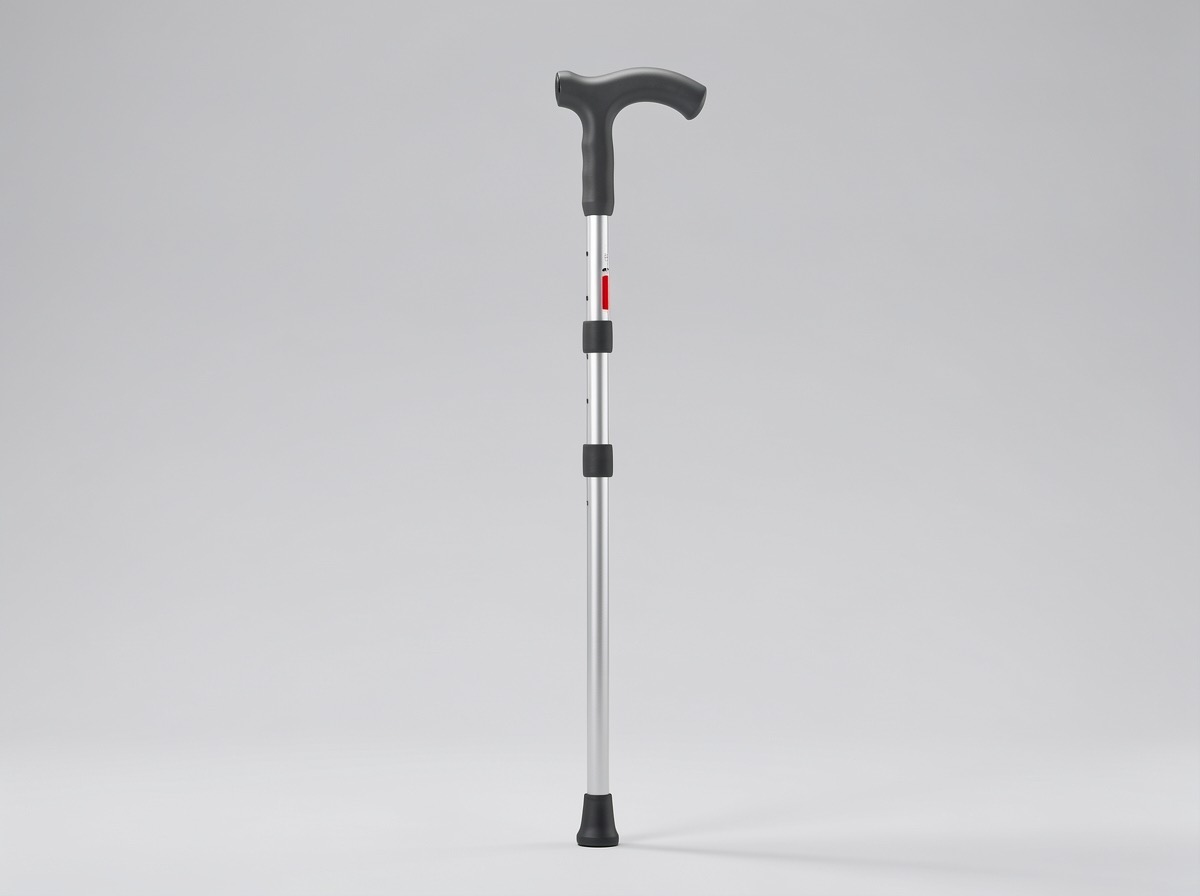
Adjustable walking stick
Lightweight, height-adjustable stick with a non-slip rubber tip and comfortable grip.
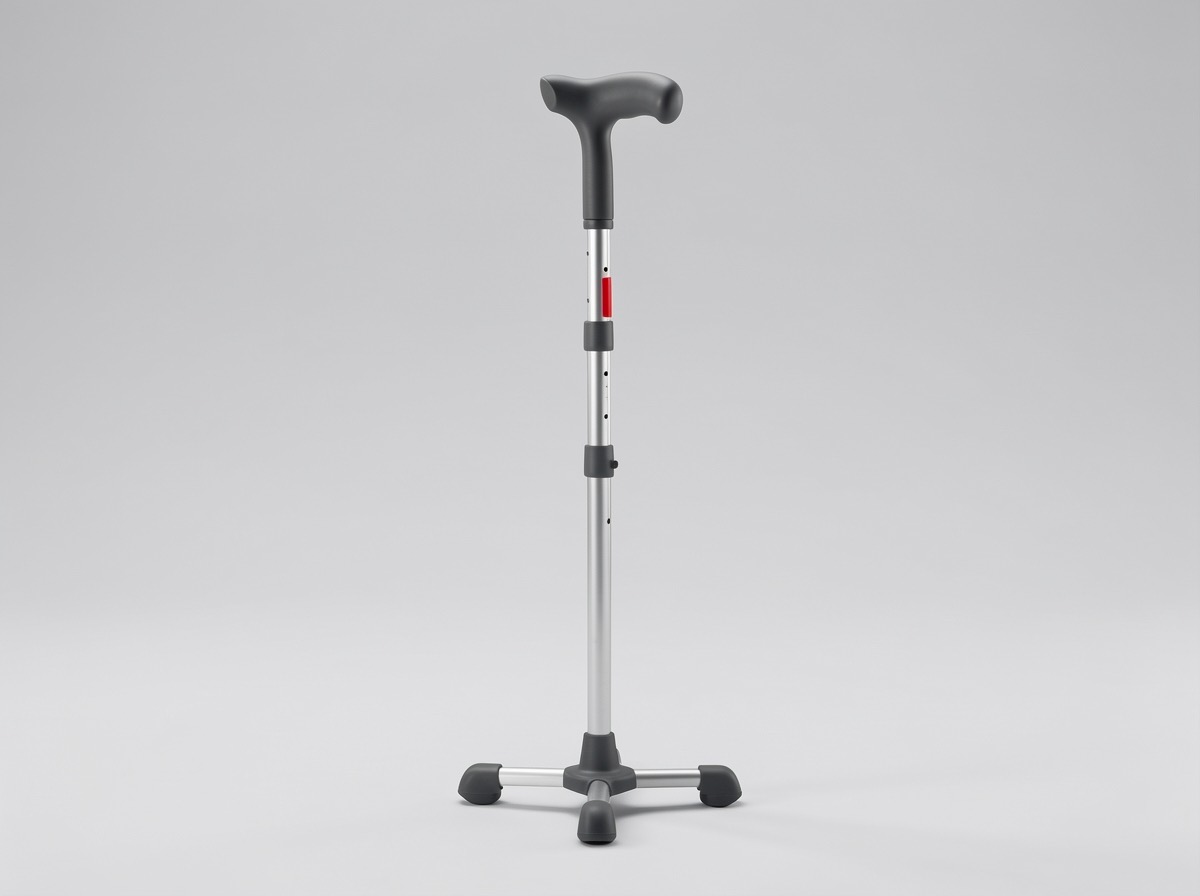
Quad (four-point) stick
A stick with a four-footed base that stands on its own, for extra stability.
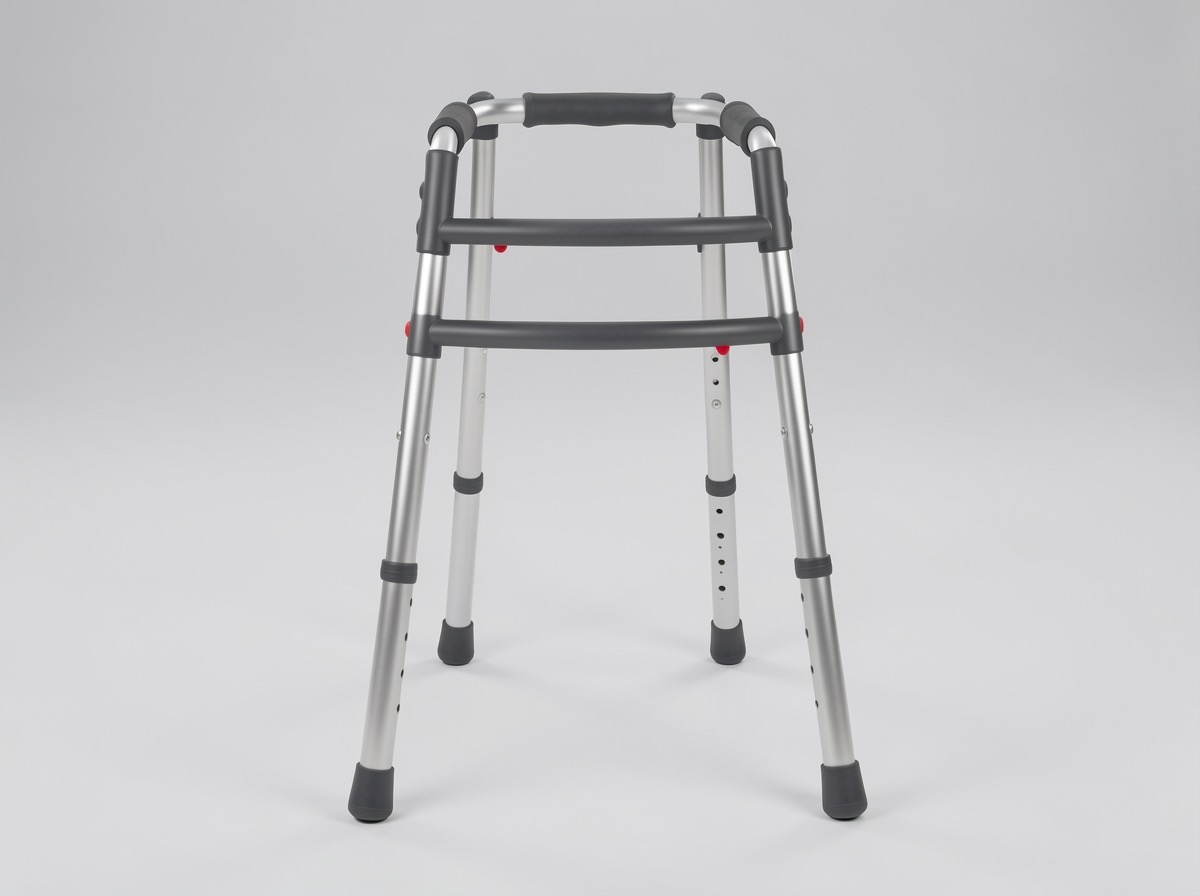
Folding walking frame
Light folding frame with adjustable height for indoor and short outdoor walks.
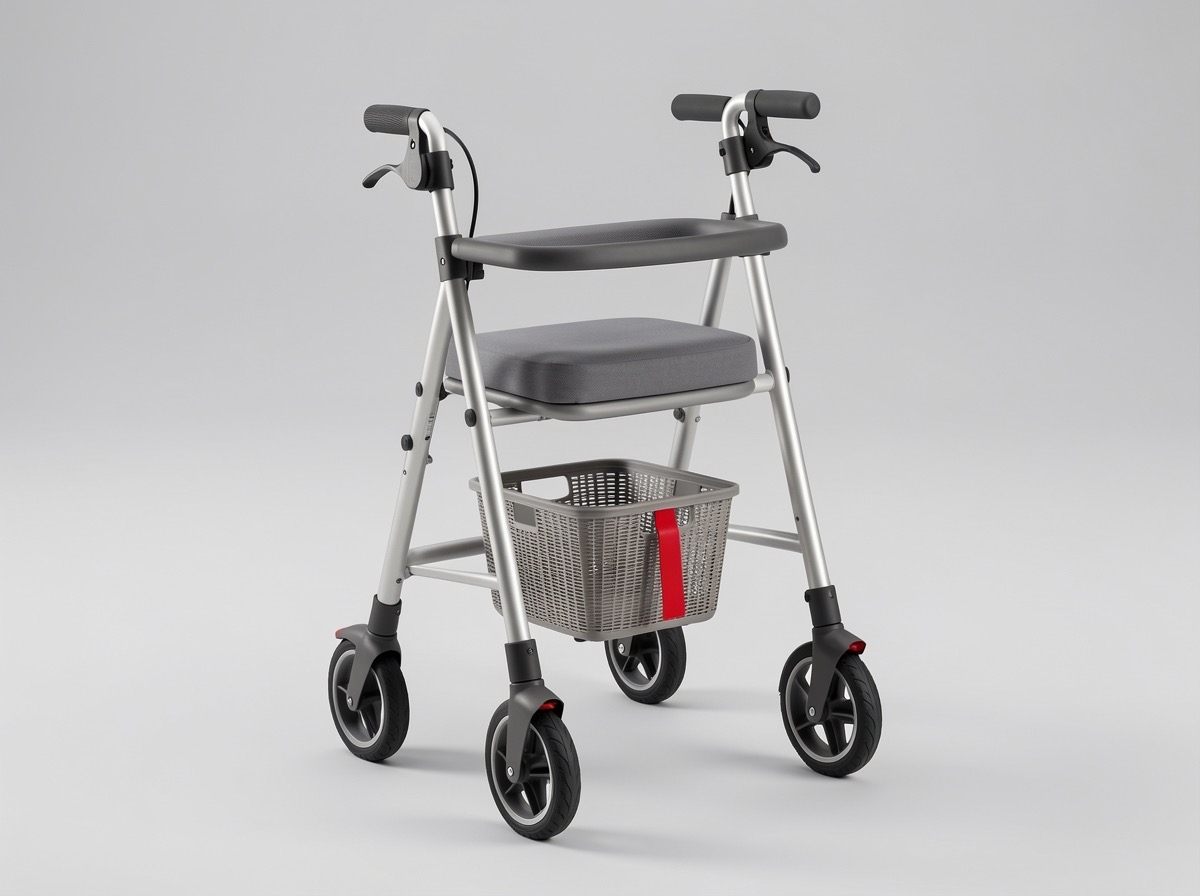
Rollator with seat and brakes
Four-wheeled walker with hand brakes, a seat and a basket, for walking with rests.
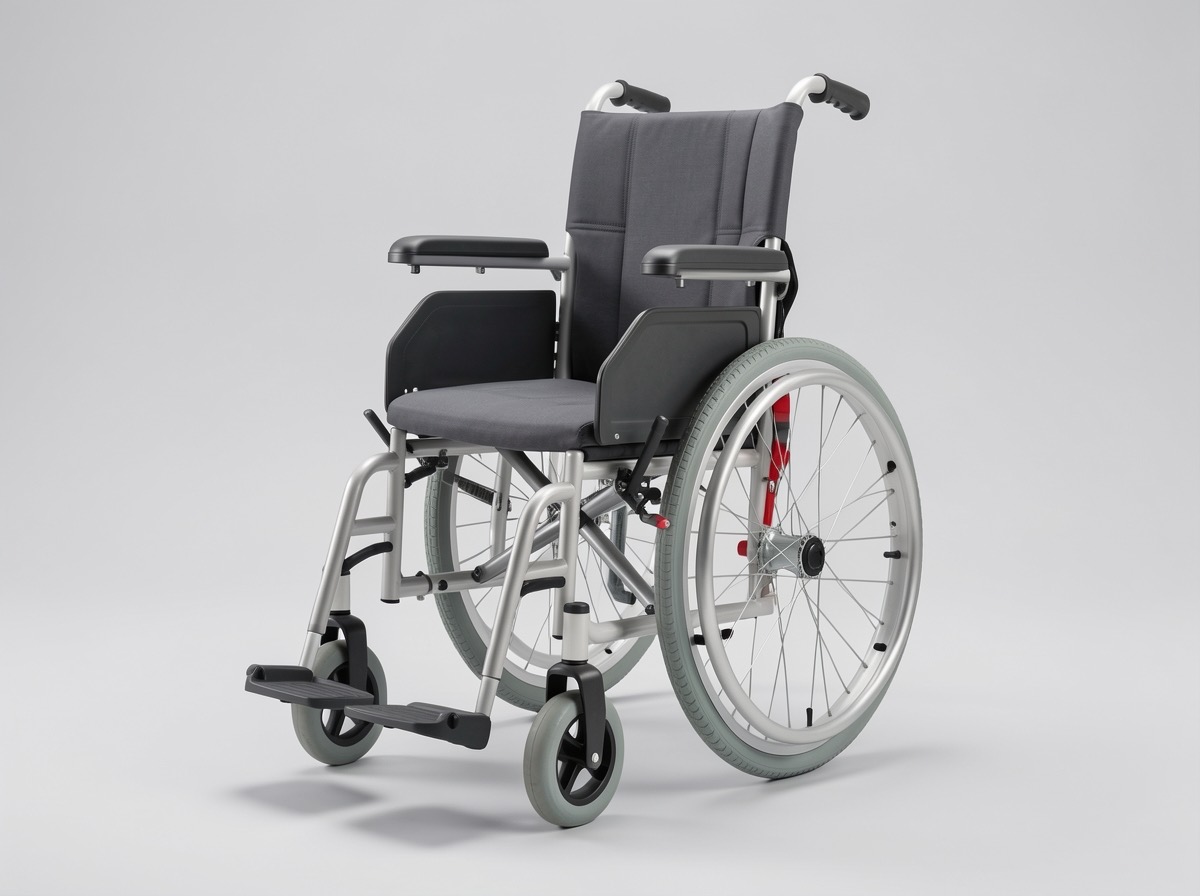
Manual wheelchair
Folding wheelchair with brakes, footrests and a supportive seat. Available to rent for recovery.
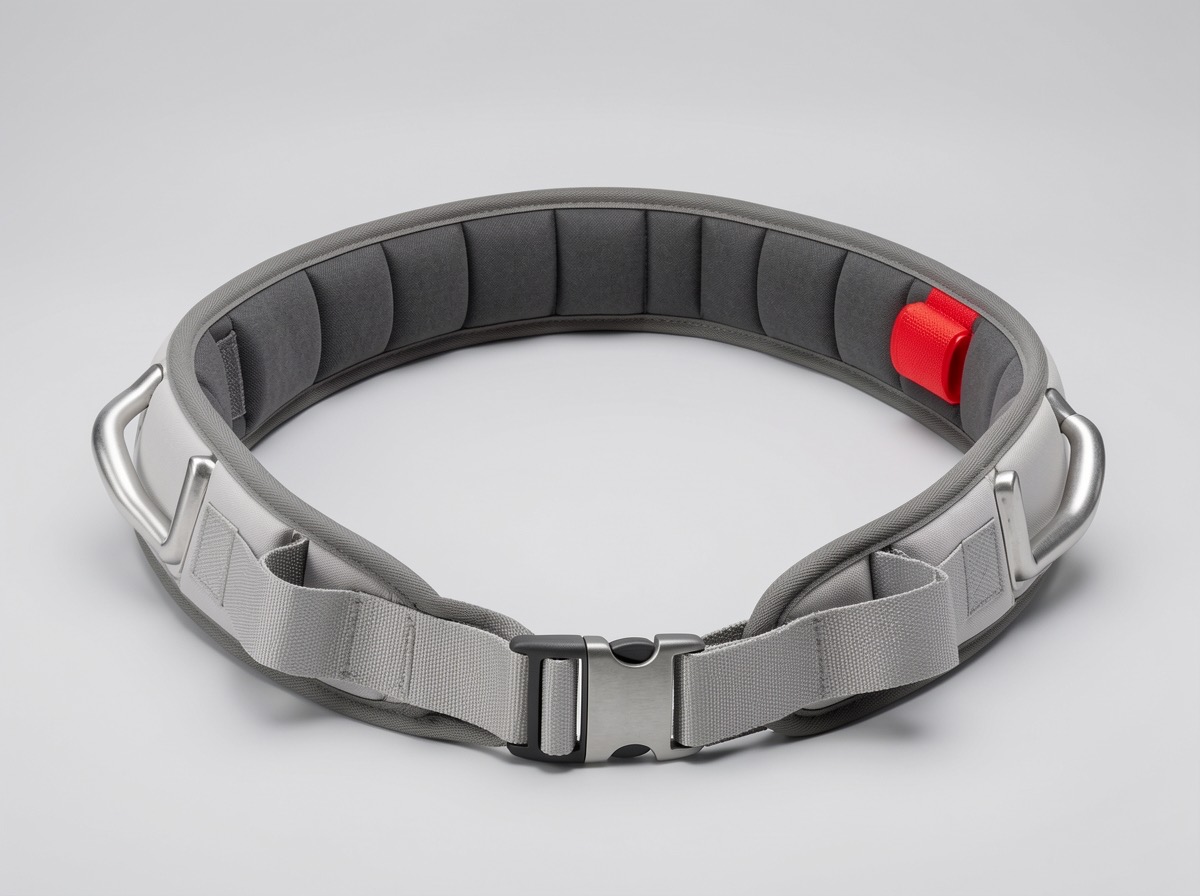
Transfer belt for carers
A padded belt that lets a carer help someone stand and move without pulling on the arm.
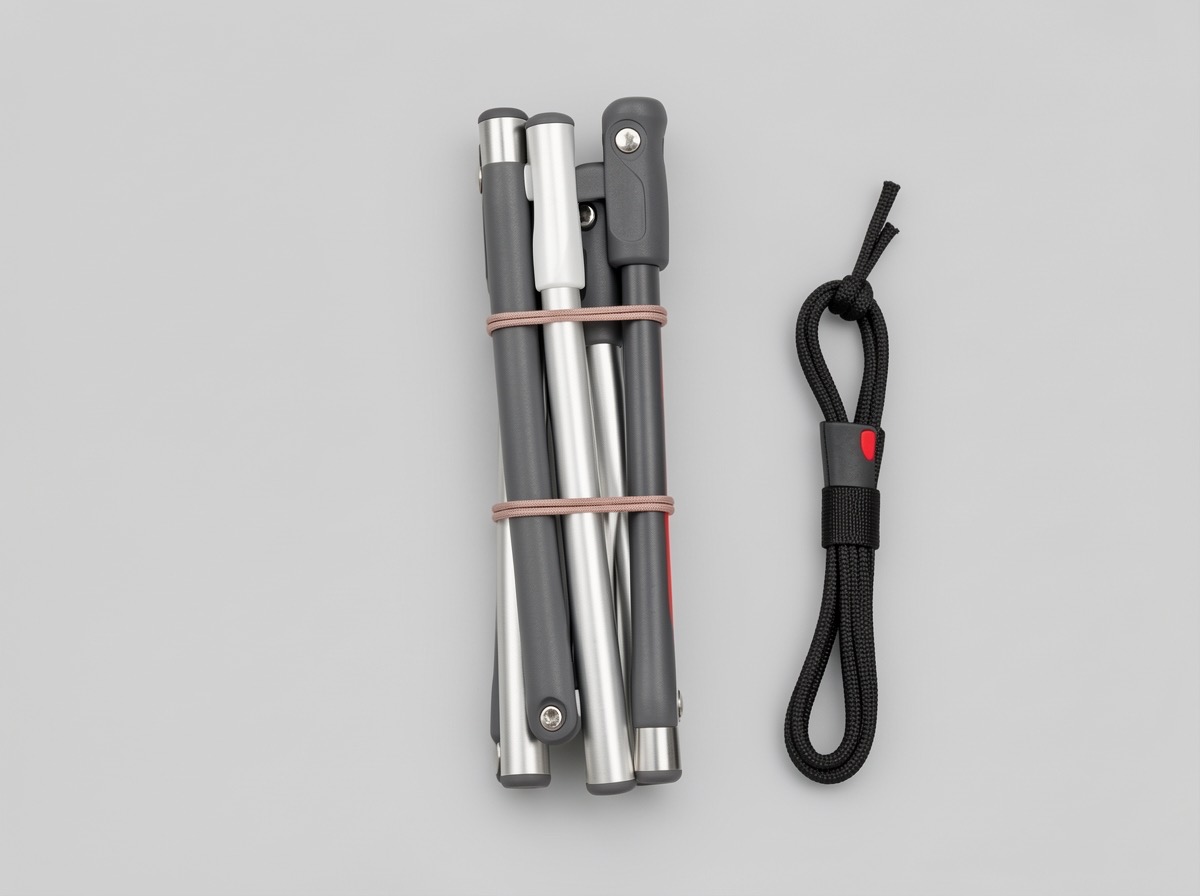
Folding walking stick
An adjustable stick that folds into sections, so it fits in a bag or the pocket of a car seat.
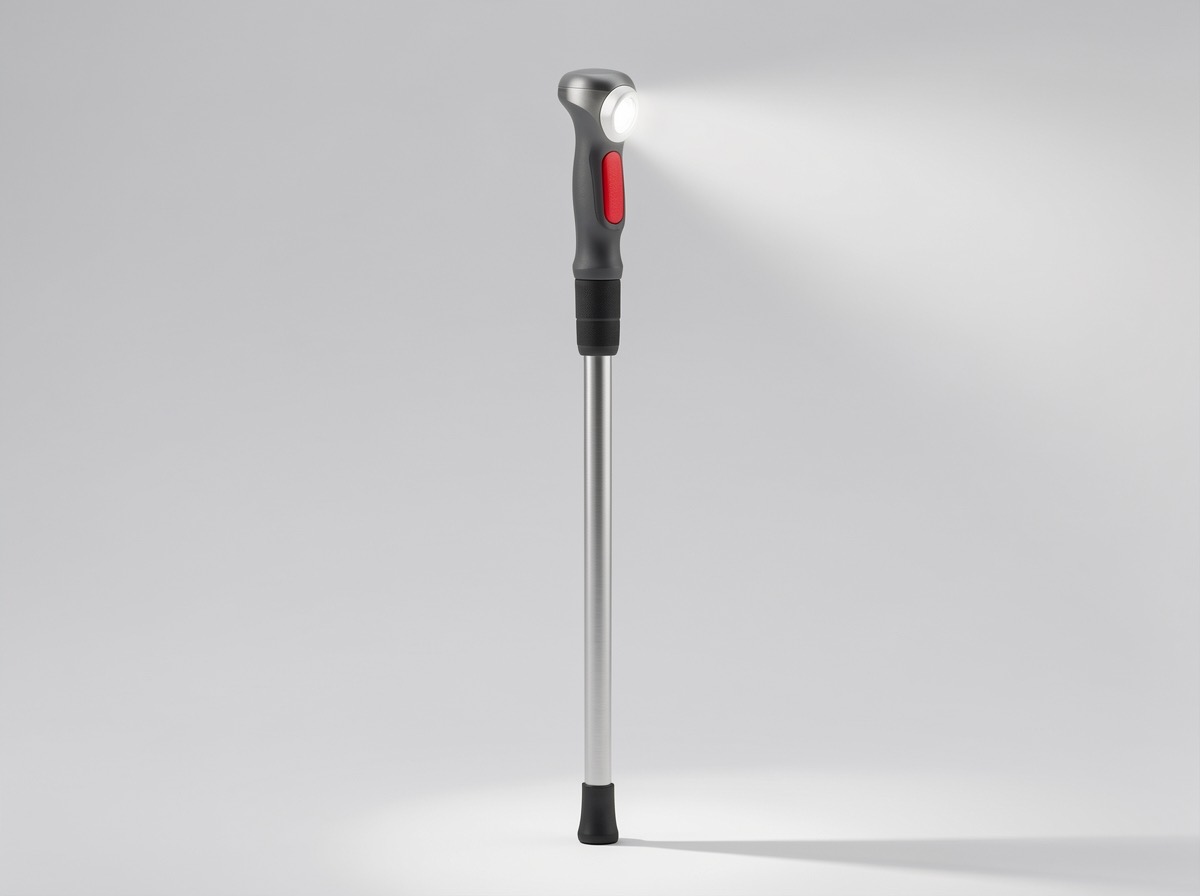
Walking stick with built-in torch
A stick with a bright light in the handle for evening walks, dark corridors and night-time trips.
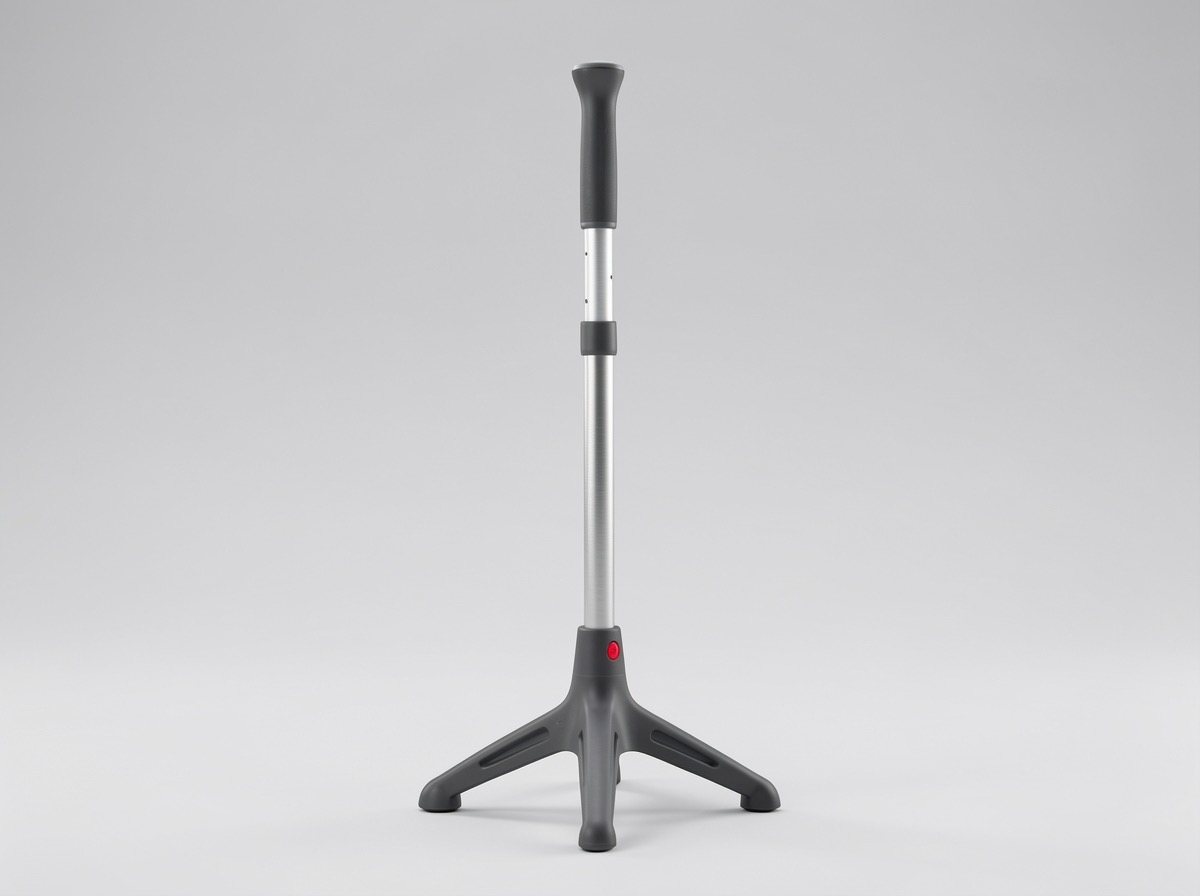
Pivot-base walking stick
A stick with a tilting base that stays flat on the ground even when the stick leans.
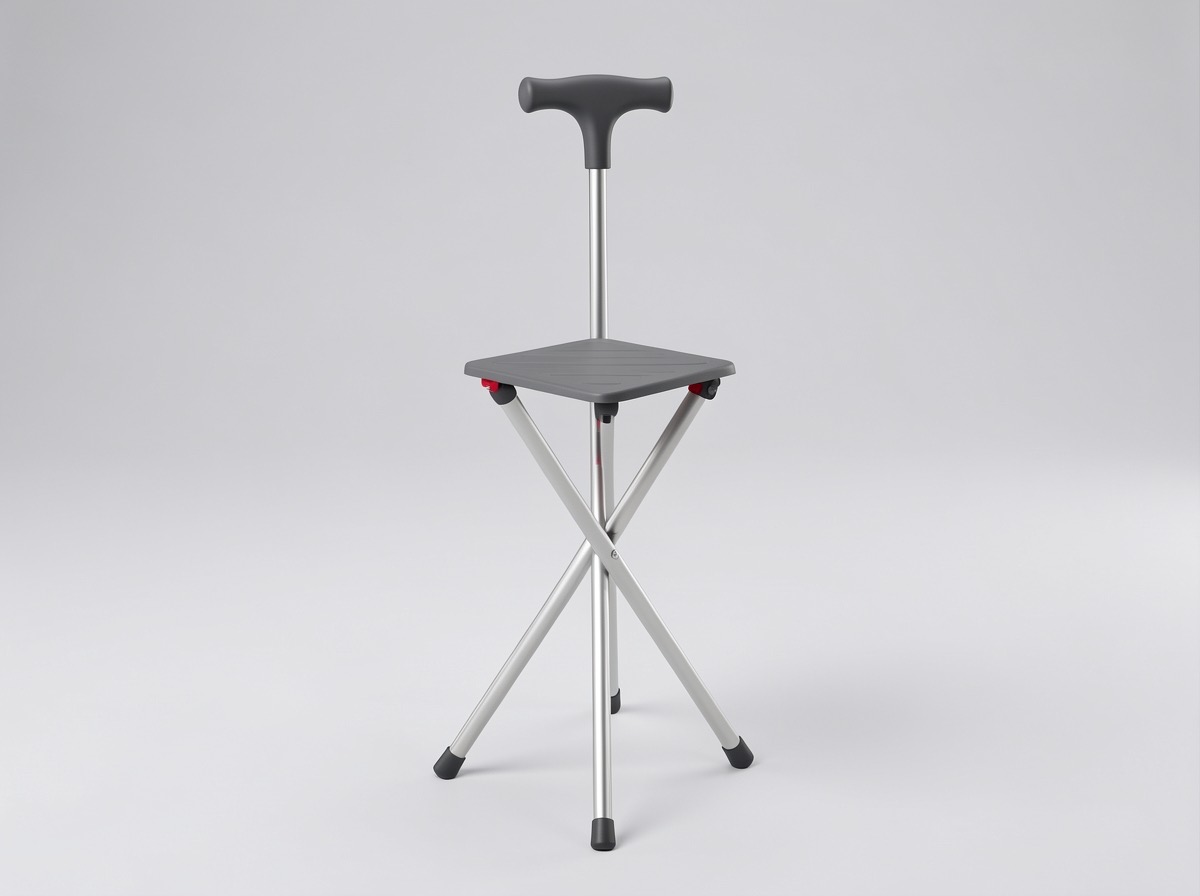
Walking stick with fold-out seat
A stick that opens into a small seat, for rest stops on a walk.
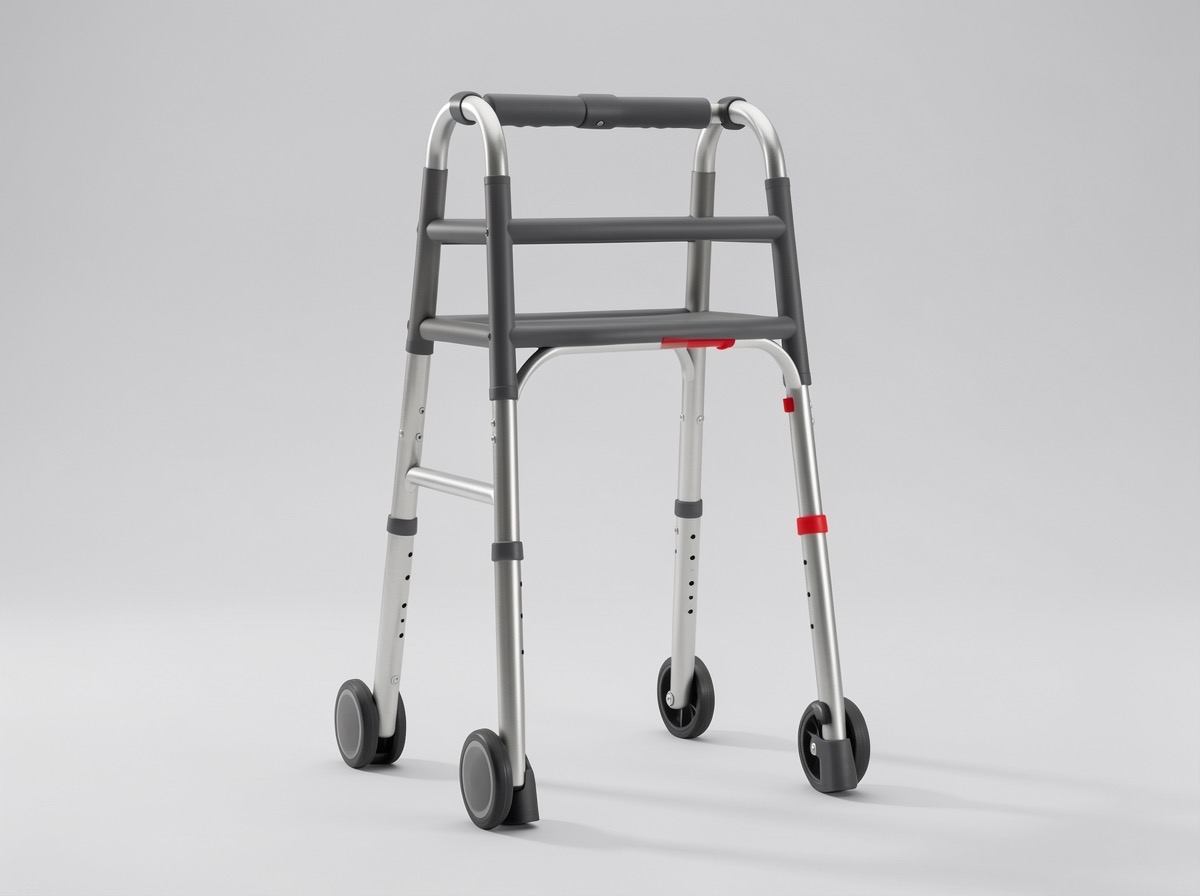
Two-wheeled walker
A frame with front wheels that rolls forward without being lifted, with glides on the back legs.
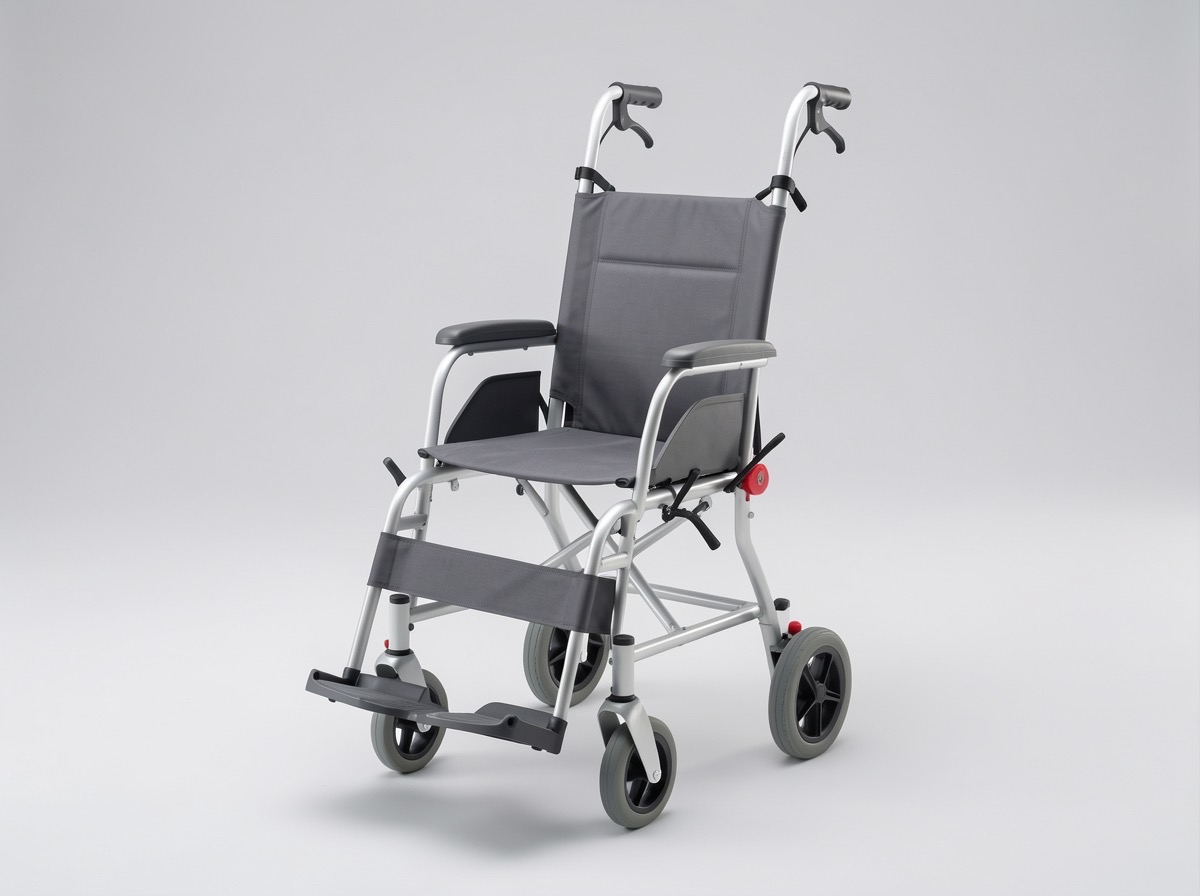
Lightweight transit wheelchair
A foldable chair with small wheels, pushed by a carer, for outings and appointments.
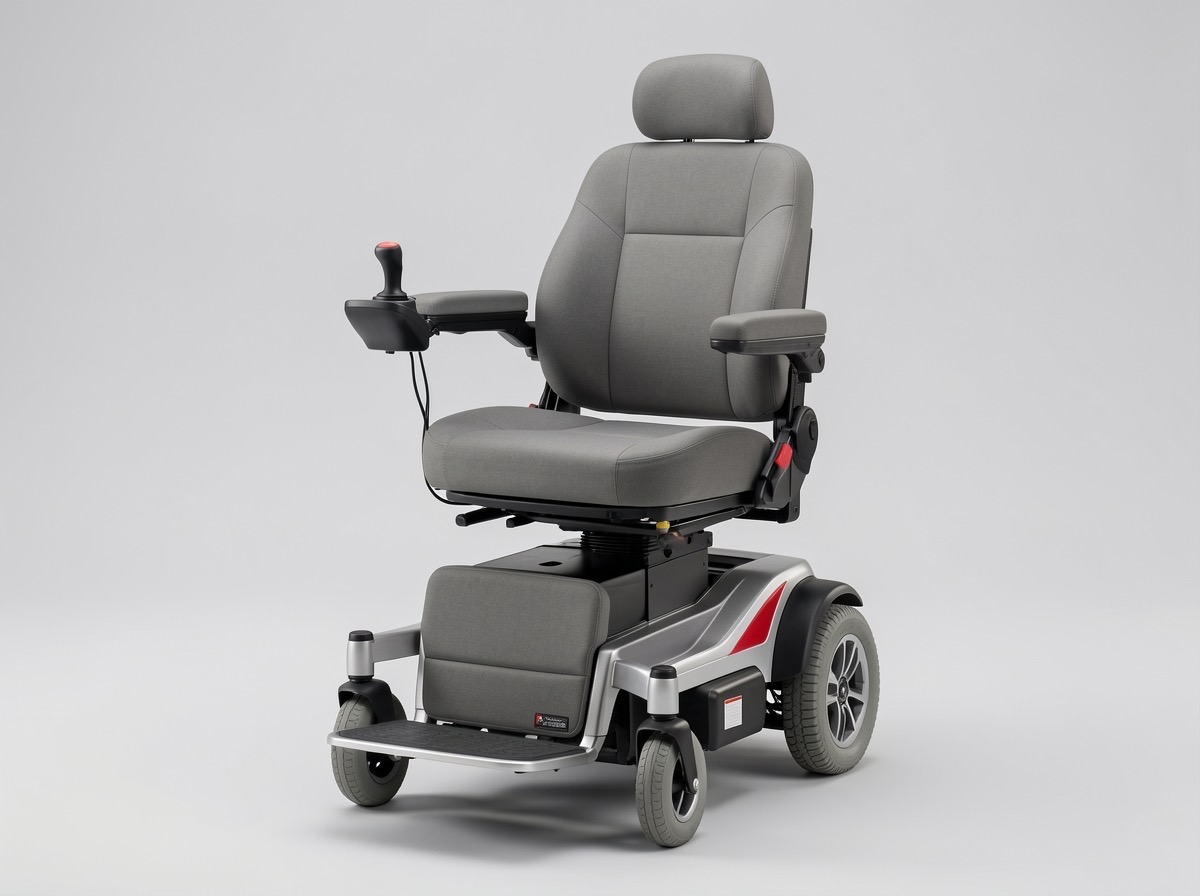
Powered wheelchair
A battery-driven chair with a joystick, for people who cannot push a manual chair.
Prices, delivery and any advice needed are confirmed with you before anything ships. View your cart
How to choose
A few things worth checking before you buy.
Safety first. Never use a walker or stick that wobbles, has worn rubber tips or is the wrong height. Replace tips regularly, lock brakes before sitting, and ask a physiotherapist to teach correct use.
- Height: with the arm relaxed, the handle should reach the wrist crease. A physiotherapist can check it in a minute.
- Stability: a single stick suits mild unsteadiness; a quad stick or walker suits more; a rollator with brakes and a seat suits those who tire quickly.
- Where it will be used: indoors needs a compact frame; outdoors needs larger wheels and good brakes.
- Weight and folding: your parent or carer should be able to lift and fold it easily.
- Try before you buy, or rent for a recovery period.
Before you buy
Should I buy or rent a wheelchair?
For a short recovery, rent. For long-term use, buy one fitted to your parent, with the right seat width and a cushion.
Which is better, a stick or a walker?
A walker gives more stability; a stick helps mildly unsteady people. Ask your doctor or physiotherapist.
Read next: Preventing falls in older adults · Medical equipment at home
Products described here are general information. Ask a doctor, nurse or physiotherapist about the right choice for your parent.
Need help choosing?
A nurse can suggest the right one and arrange delivery and setup.