
For someone who spends many hours in bed, the bed and mattress affect comfort, breathing, skin health and how easy care is. A good setup prevents pressure sores and protects the carer's back.
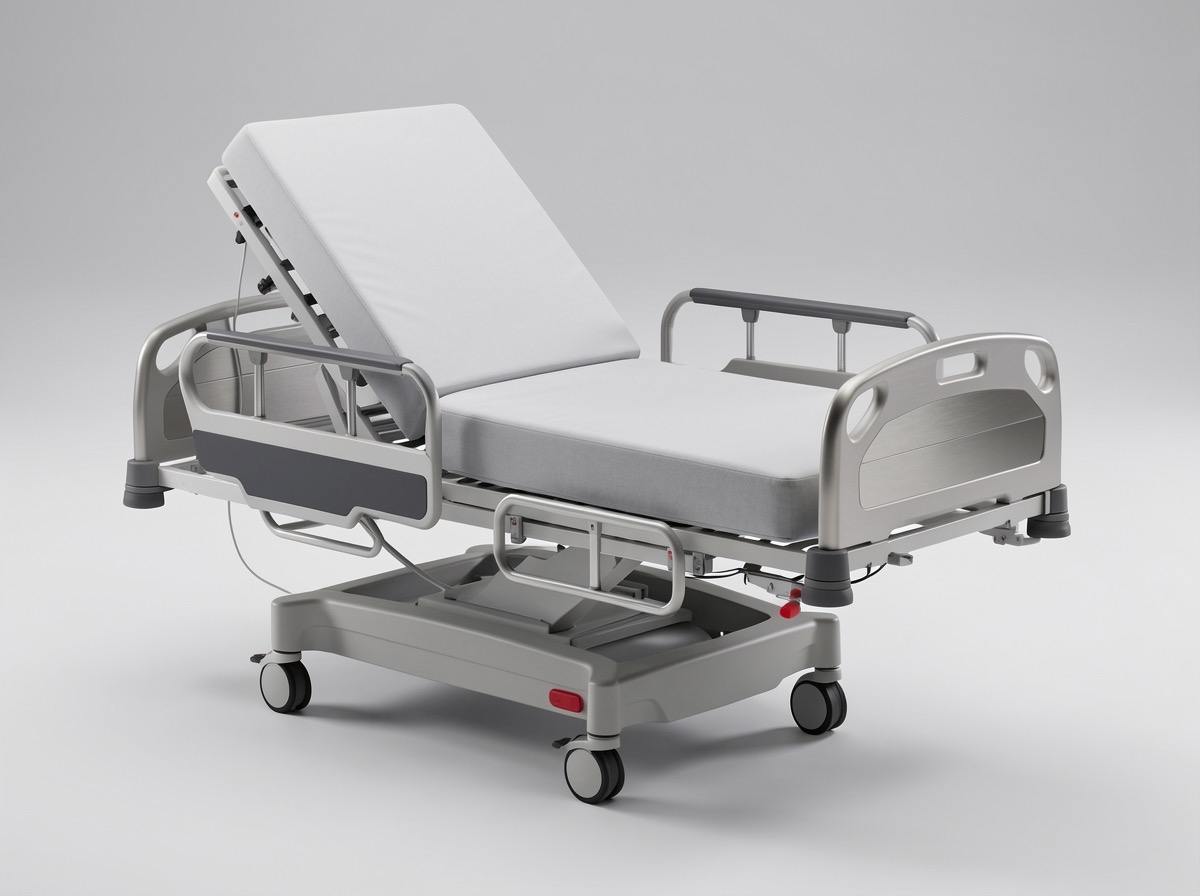
Adjustable hospital bed
Manual or electric bed with adjustable head and knee sections and side rails.
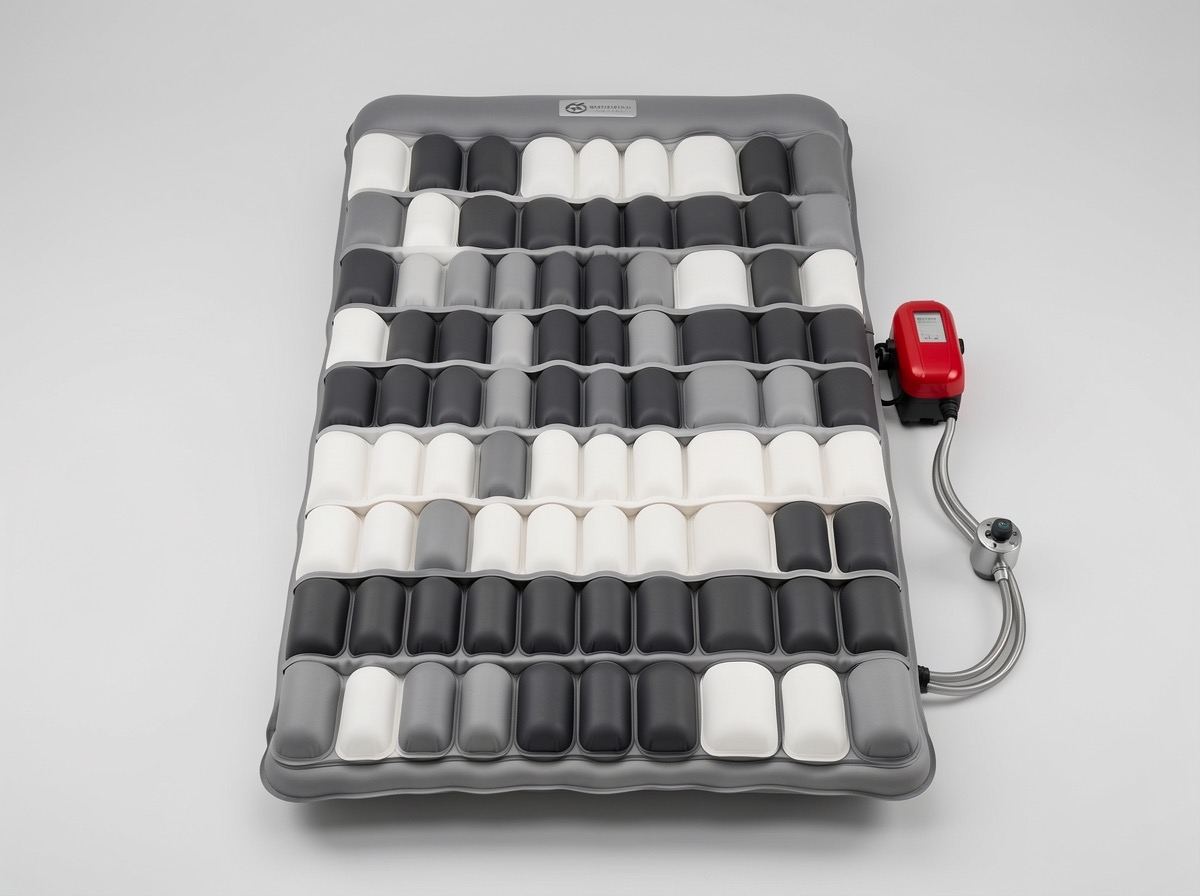
Pressure-relief air mattress
Alternating-pressure mattress with a pump, to reduce pressure sore risk.
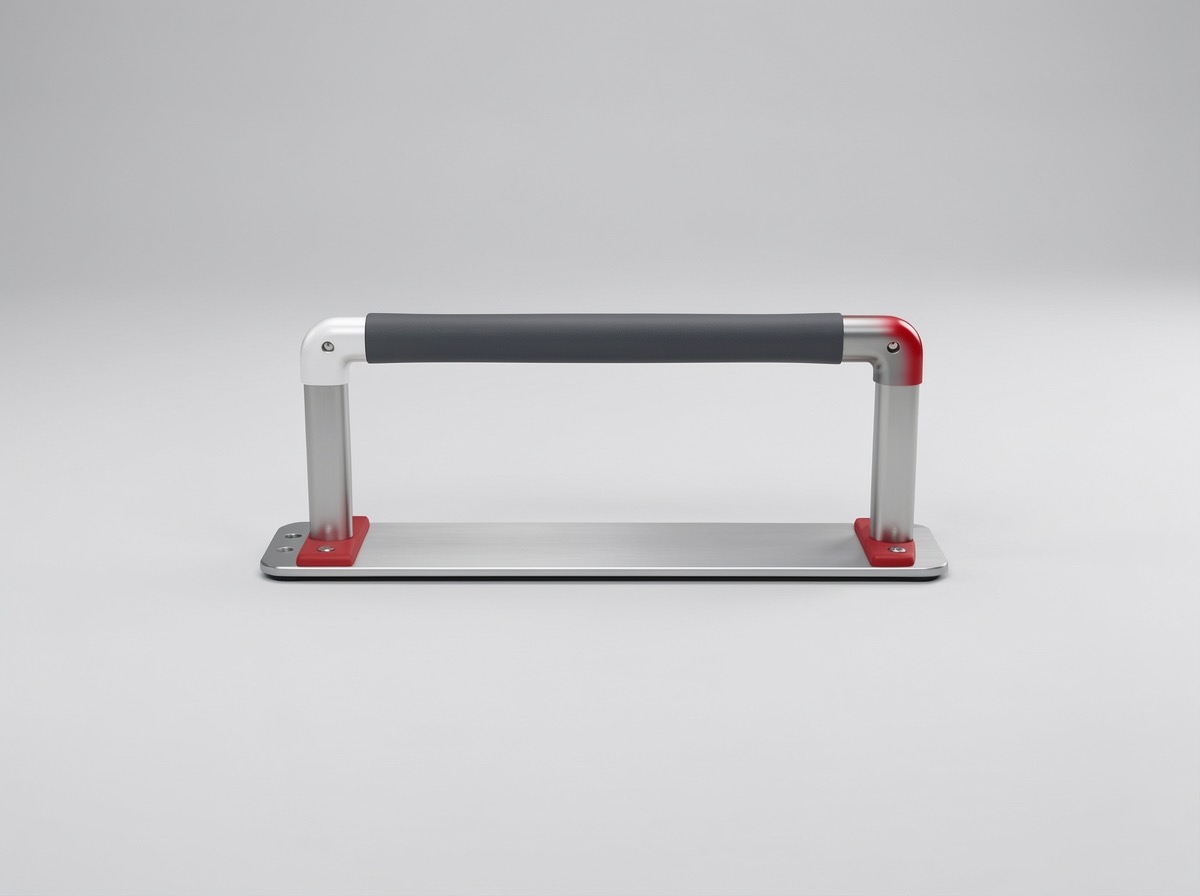
Bed assist rail
A fixed rail that helps with sitting up, turning and getting out of bed.
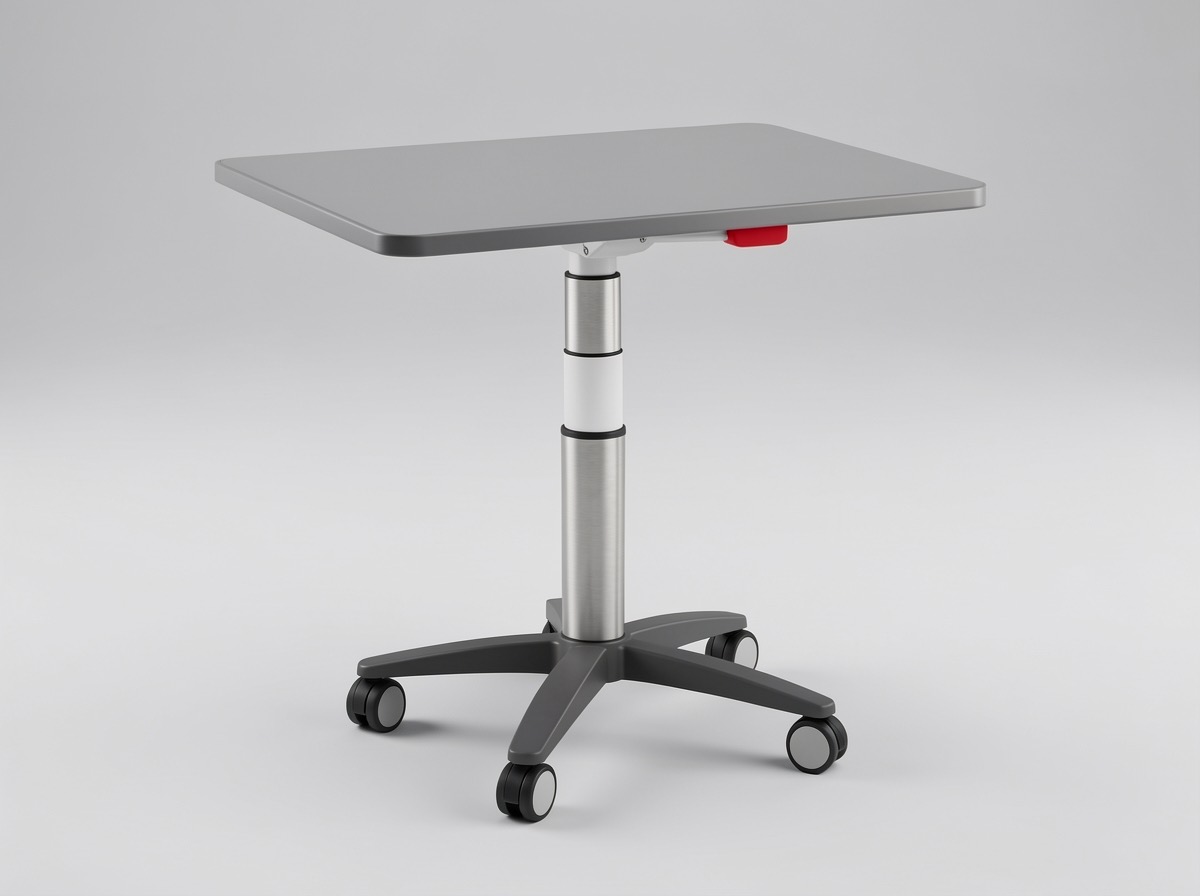
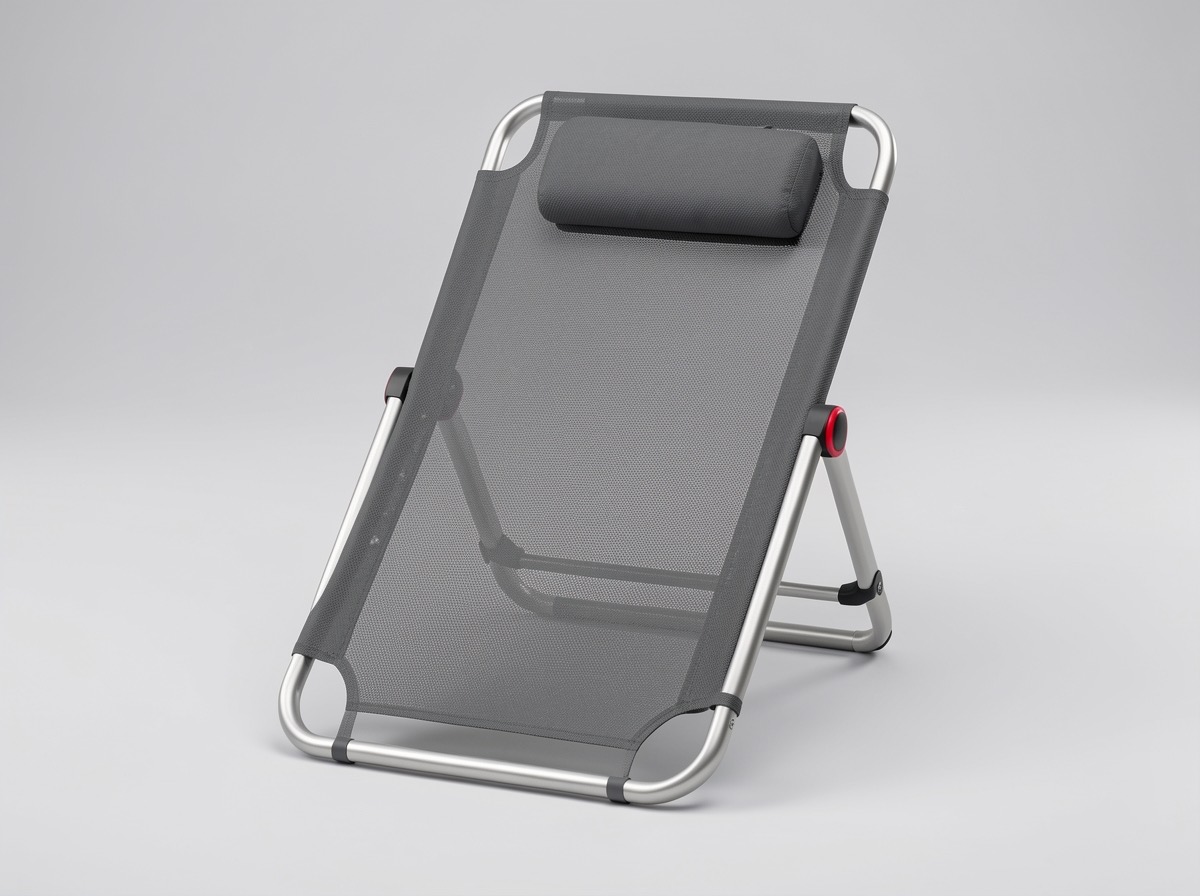
Adjustable backrest
A folding support that lets a person sit up comfortably in a normal bed.
Prices, delivery and any advice needed are confirmed with you before anything ships. View your cart
How to choose
A few things worth checking before you buy.
Safety first. Turn a bed-bound person at least every two hours and check heels, hips and the base of the spine daily. Use rails only as advised, since gaps can trap limbs.
- An adjustable bed lets the person sit up to eat and breathe more easily.
- Pressure-relief mattresses (air or foam) lower the risk of sores for people who cannot move much.
- Bed rails help with turning but must be fitted safely.
- A bedside table and an overbed table keep essentials within reach.
- Check the room has space on both sides for carers.
Before you buy
Can a hospital bed be rented?
Yes. Many families rent for months. Ask about delivery, setup and removal.
Which mattress prevents sores?
An alternating-pressure air mattress suits high risk; a good foam mattress may suit lower risk. Ask a nurse.
Read next: Medical equipment at home · Caring for geriatric patients
Products described here are general information. Ask a doctor, nurse or physiotherapist about the right choice for your parent.
Need help choosing?
A nurse can suggest the right one and arrange delivery and setup.