Measure it right
Sit quietly for five minutes, back supported, feet flat, arm at heart level, and take two readings a minute apart. Use a validated upper-arm monitor. Keep a record to show your doctor.
What the numbers mean
Readings of 130/80 or higher are generally treated as high in many guidelines, and targets vary with age and conditions. Your doctor decides yours.
What helps
Cut salt, eat more fruit and vegetables, stay active, keep a healthy weight, limit alcohol, sleep well and take prescribed medicines every day.
Beware sudden changes
Fainting on standing, severe headache, chest pain or sudden weakness need urgent care.
Salt: where it hides and how to cut it
Most dietary salt comes not from the salt shaker but from pickles, papads, chutneys, namkeen, bread, instant noodles, sauces, processed meats and restaurant food. Read labels: sodium of more than 600 mg per 100 grams is high. Flavour food with herbs, lemon, garlic, ginger, pepper and spices. Cook with less salt and add it at the end. Use potassium-rich foods such as bananas, coconut water and vegetables if your doctor agrees. Taste buds adapt within a few weeks.
Reducing salt is one of the most effective steps for blood pressure.
Low blood pressure and dizziness
Older adults can also have blood pressure that is too low, or that falls on standing (orthostatic hypotension), causing dizziness, blackouts and falls. Causes include dehydration, some medicines, heart problems and long bed rest. Stand up slowly, sit on the bed edge first, drink enough fluids and avoid hot baths. Tell your doctor, who may adjust medicines. Compression stockings sometimes help.
Never ignore fainting; see a doctor promptly.
Hypertension and other conditions
High blood pressure often coexists with diabetes, kidney disease, heart disease and sleep apnoea. Treating them together improves outcomes. Regular checks of kidney function, cholesterol and heart health are part of care. Stress management, enough sleep and treatment of sleep apnoea help control pressure. Keep a good relationship with your doctor, and bring your home readings to each visit.
A team approach gives the best results.
Monitoring after a diagnosis and when to adjust treatment
After starting treatment, home readings help your doctor judge whether the dose is right. Take readings as advised, bring the log to appointments and report side effects. Do not change doses yourself. If your readings are consistently low, or you feel dizzy, tell your doctor; a reduction may be needed. In older and frail people, targets are individualised.
Review medicines yearly to check they are still appropriate.
Regular follow-up is the best protection against complications.
Why blood pressure matters so much
Persistently high blood pressure silently damages arteries in the heart, brain, kidneys and eyes. It is a leading risk factor for stroke, heart attack, heart failure, kidney disease and dementia. The SPRINT trial showed that, in older adults at high risk, a more intensive blood pressure target lowered cardiovascular events and deaths, though it also required careful monitoring for dizziness and falls. Treatment targets differ by person, so work with your doctor.
Measuring at home correctly
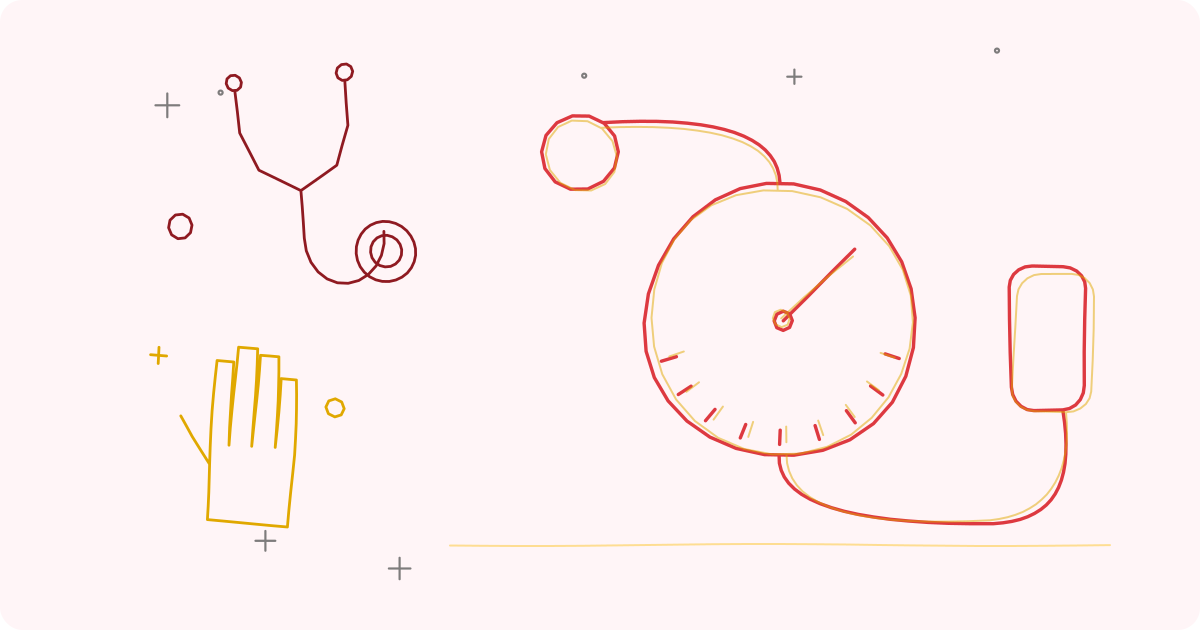
Use a validated upper-arm monitor with the correct cuff size. Avoid caffeine, smoking and exercise for 30 minutes beforehand. Sit with your back supported, feet flat, arm resting at heart level. Rest for five minutes. Take two readings a minute apart in the morning before medicines and in the evening, for seven days. Record all readings and show them to your doctor. Do not adjust medicines yourself.
Lifestyle steps that really lower pressure
Reduce salt to under five grams a day, including pickles, papads, packaged snacks and sauces. Eat more fruit, vegetables, low-fat dairy and potassium-rich foods such as bananas and coconut water, unless your doctor restricts potassium. Walk briskly most days. Maintain a healthy weight, limit alcohol, stop smoking, sleep well and manage stress. Combined, these can lower systolic pressure by 10 to 20 points or more.
Medicines and side effects
Blood pressure medicines are effective and, for most people, well tolerated. Possible side effects include dizziness, ankle swelling, cough or fatigue, depending on the drug. Take them as prescribed, at the same time each day, and do not stop if you feel well. Tell your doctor about dizziness or falls, since doses or drugs can often be adjusted.
Living well with hypertension
Many people live long and active lives with well-controlled blood pressure. Keep appointments, track your readings, enjoy a balanced diet, move often, sleep well and manage stress. Share your plan with family, so they can help you remember and encourage you. Pair medicine-taking with a daily routine such as brushing your teeth.
Equipment mentioned in this guide
Frequently asked questions
Can I stop medicine once my BP is normal?
No. Normal readings usually mean the medicine is working. Never stop without medical advice.
How much salt is okay?
Aim for under 5 grams, about a teaspoon, a day from all sources.
How often should I check?
Your doctor will advise, often daily for a week then weekly.
What is a dangerously high reading?
Readings above 180/120 with symptoms such as chest pain, severe headache or weakness need emergency care.
Why does BP drop when I stand?
Postural hypotension is common in older adults; rise slowly and tell your doctor, as it can cause falls.
Can stress alone cause hypertension?
Stress raises pressure temporarily; long-term, lifestyle and genetics matter more.
Sources and further reading
- SPRINT Research Group, A randomized trial of intensive versus standard blood-pressure control, New England Journal of Medicine (2015)
- Williams B. et al., 2018 ESC/ESH Guidelines for the management of arterial hypertension, European Heart Journal (2018)
- Appel L.J. et al., DASH trial, New England Journal of Medicine (1997)
Tags: Digital blood pressure monitor (upper arm)Wrist blood pressure monitorTalking blood pressure monitorHealth monitoring devicesLongevityHealthy ageingElder care
This article is for general education and is not medical advice. Speak to your doctor before changing your exercise, diet or medicines.