
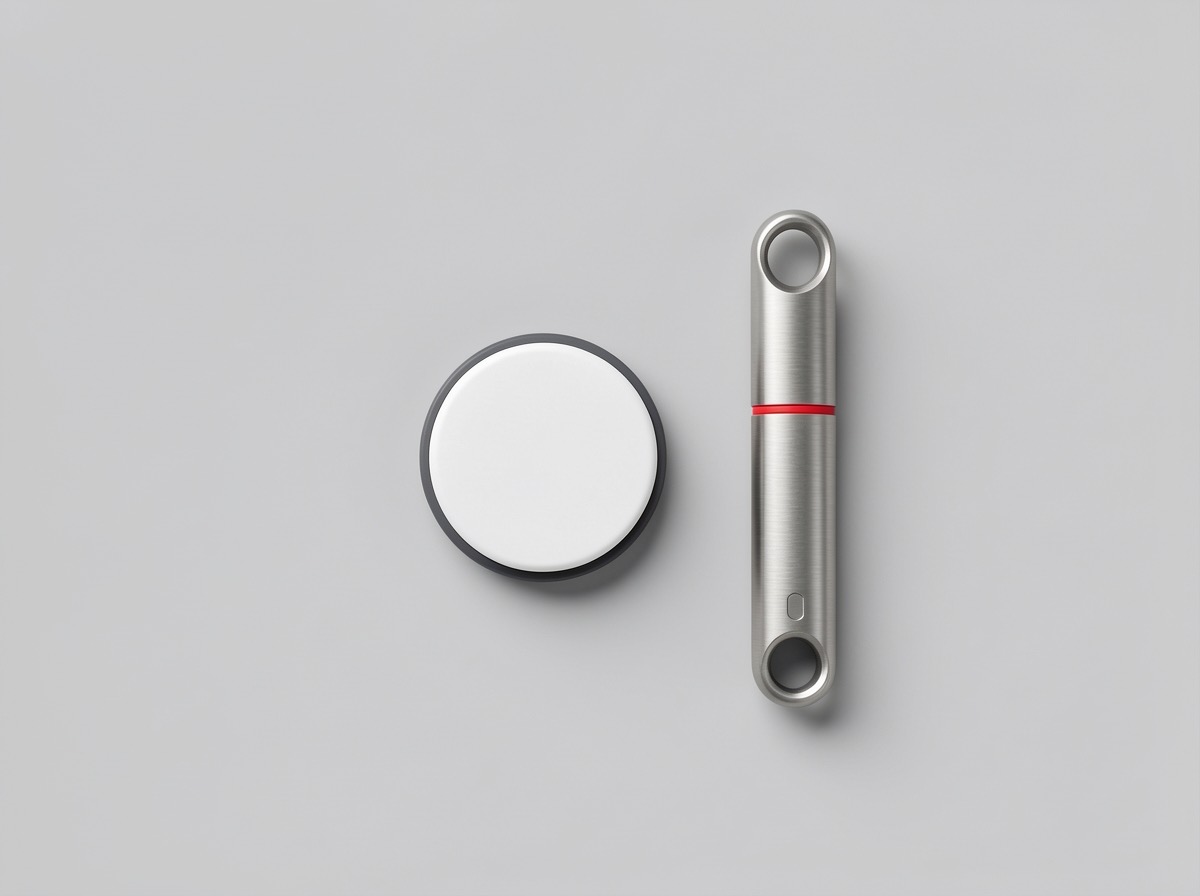
Illustrative picture. We confirm the exact model with your price.
Continuous glucose monitoring sensor
A small sensor worn on the arm that tracks sugar levels day and night and sends them to a reader or phone.
Good forPeople with diabetes whose doctor has advised it
- Price and delivery confirmed first
- A nurse can advise before you buy
- Set-up help when it is needed
What it is, and who it helps
A continuous glucose monitoring sensor is a small patch worn on the back of the arm that measures sugar in the fluid under the skin every few minutes, day and night. It sends the readings to a reader or a phone, showing trends and alerting the wearer to highs and lows.
It is useful for people with diabetes who are on insulin or whose sugars swing, because it shows patterns that finger-pricks miss. It is a prescription-led device: it should be started and reviewed by the diabetes team.
How to choose
- Ask the doctor whether continuous monitoring is right for your parent, and which system they use.
- Check how long each sensor lasts, how much they cost, and whether the system works with a phone your parent can use.
- Look at the alert settings and whether a family member can follow the readings.
- Check that sensors can be reliably bought and delivered.
Using it safely
- Apply the sensor exactly as taught, on clean, dry skin, and rotate sites.
- Do not rely on the reading alone if symptoms do not match; check with a finger-prick as advised.
- Remove it and see a doctor for skin redness, swelling or infection.
Before you buy
Does a sensor replace finger-pricks?
Some systems reduce them a lot, but a finger-prick is still used when a reading seems wrong. Follow your doctor's advice.
Can an older person manage a CGM?
Many do well with it, especially with family help. A diabetes educator can teach the steps.
More in Health monitoring devices · Care plans · Services · Proactive health monitoring · Blood pressure after 60
General information, not medical advice. Ask a doctor, nurse or physiotherapist what is right for your parent.
Not sure this is the right one?
A nurse can suggest the right choice, arrange delivery and show how to use it.