Think before you go
Ask a few questions in advance.
- How long will the event last, and when will your parent need to be there? Arrive for the key moment, not for all of it.
- What is the venue like? Steps, ramps, lifts, stairs, uneven ground, parking distance, toilets, seats and shade. Ask the organisers or visit beforehand.
- How crowded will it be? Choose a quieter time if possible.
- What is the weather? Heat, rain and humidity affect safety; see heat stroke and dehydration in seniors.
- Is walking involved, for example circumambulation of a temple or a long walk from the car?
- Who will help? Name one person responsible for your parent for the day, and one backup.
- What medicines and meals are needed, and when?
- Is there anywhere to rest, including a quiet room?
A short physiotherapist or doctor's check before a major pilgrimage is wise, especially for people with heart, lung or joint problems.
Choosing the aid for the day
Think about what your parent really needs, not what they normally use.
- A folding stick is easy to carry and tuck away at a table; see folding walking sticks for travel.
- A seat stick or a portable stool provides rests in queues; see seat walking stick guide.
- A rollator with a seat helps those who walk but tire, for example on a long walk; see rollator buying guide, though crowds, stairs and rough floors can make it difficult.
- A transit wheelchair, pushed by a helper, is often the best choice for long events, big temples and pilgrimage sites, since it saves energy and makes distance easy. Many temples and venues offer wheelchairs; ask in advance. See transit wheelchair or standard wheelchair.
- A mix: many families use a stick for short distances and a wheelchair for long ones.
If your parent normally uses a walker, take it, but plan where it will be used.
Temples and religious sites
Temples bring special challenges.
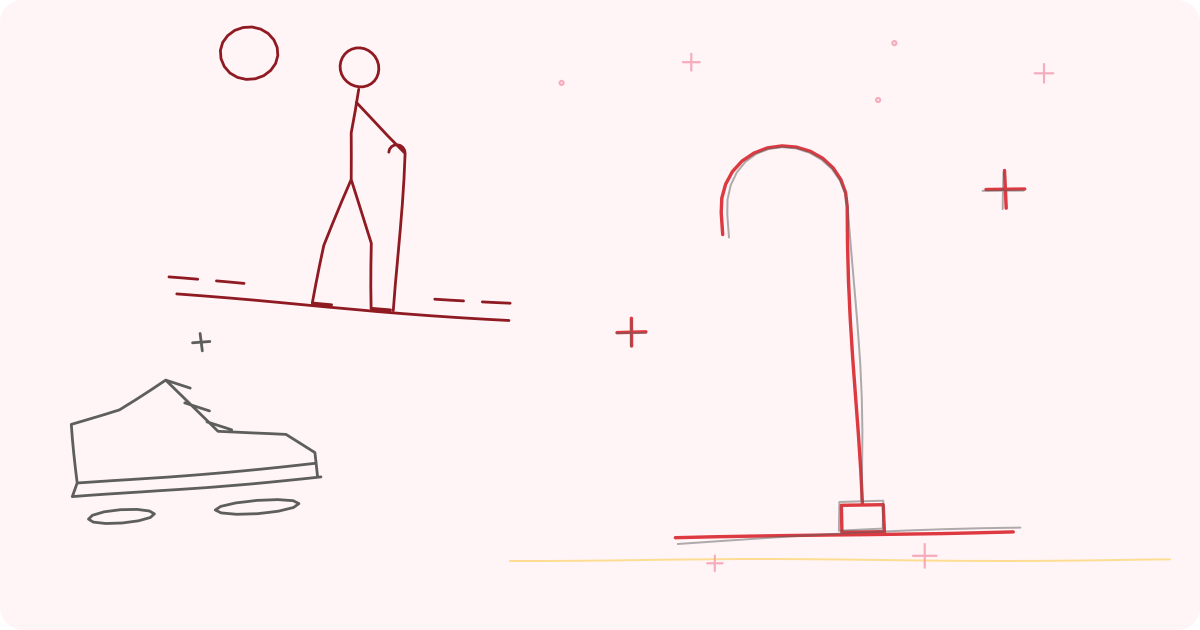
Bare feet. Shoes are removed, and floors can be wet, uneven, hot or littered. In summer, stone can burn the soles; in the rains, floors are slippery. For people with diabetes, neuropathy or fragile skin, bare feet can cause injury. Options include:
- visiting at cooler times of day;
- laying down mats or sheets where permitted;
- wearing clean, thin cotton socks with grips, if allowed;
- ask whether religious practice permits socks or special footwear in case of medical need, as many temples do for older or ill visitors;
- carrying a small towel to dry the feet.
See diabetic foot care at home.
Steps and stairs. Many temples have long flights of steps. Look for ramps, lifts or alternative routes. Ask whether there is a "senior" or "disabled" entrance. Use a handrail and take your time. Rest on the way.
Queues. Long waits are exhausting. Ask about priority access or special lines for senior citizens or those with disabilities; many temples have them. Bring a folding stool or seat stick if allowed, water and a snack. Avoid peak times and festival days if possible.
Crowds and crushes. Large crowds can be dangerous, with pushing and sudden surges. Keep your parent at the edge, hold on to a helper and avoid enclosed spaces at peak times. Never take a wheelchair into a crush.
Aids inside. Some temples do not allow sticks, wheelchairs or walkers in the inner areas. Ask in advance. Staff are often helpful if asked.
Heat. Take water, wear light cotton, a hat or an umbrella, and rest in the shade.
Toilets. Find the nearest suitable toilet, and know whether there is a western seat or a grab bar. A portable urinal or extra pad can give peace of mind; see incontinence when travelling or out.
Weddings and long functions
Weddings can last several days with long rituals, loud music, big crowds, late nights and rich food.
- Choose which ceremonies to attend. It is fine to attend one or two, rather than everything.
- Reserve a seat near the front or near the exit, with arms and a firm seat, away from loudspeakers; see choosing a chair for an older person. Bring a firm cushion.
- Arrange a rest room, where your parent can lie down, away from noise, with a bed or a sofa.
- Ask for a ground-floor room and an accessible bathroom if staying at a hotel or venue; check for step-free access and grab bars.
- Sit for meals, at a table with a chair, and eat at the usual times. Avoid very oily or spicy food that may upset the stomach; see fasting, festivals and older adults.
- Keep medicines on schedule, with a pill organiser; see pill organisers.
- Manage noise. Loud music can overwhelm people with hearing aids or dementia. Bring earplugs or a quiet space, and a companion.
- Dancing and floors. Dance floors can be slippery and crowded. Keep a safe distance and encourage seated participation.
- Late nights. Plan an early exit, and an easy return to the room.
- Transport. Arrange a car or taxi from the door; see wheelchair and car travel.
The helper's checklist
The helper has an important role. Before the event:
- Know your parent's needs, medicines and medical conditions.
- Carry a bag with: medicines, water, snacks, a spare shawl, wipes, a spare pad if needed, a cushion, a phone charger, a card with contact and medical details and cash.
- Charge the phone, and share your location with another family member.
- Check the aids: tips, brakes, tyres and folding locks; see cleaning and maintaining walking aids and wheelchairs.
During the event:
- Stay close. Keep your parent in sight and within reach.
- Check in often. Ask about comfort, thirst, toilet needs and tiredness.
- Watch for warning signs: dizziness, breathlessness, chest pain, confusion, excessive sweating, a flushed face or fainting.
- Rest early and often.
- Know the exit and the nearest medical help.
- Do not leave your parent alone, particularly one with memory problems.
After the event:
- Allow a quiet day to rest.
- Check feet and skin, and hydration.
- Note what worked and what to change next time.
Safety devices
An alert device helps if your parent might wander off or fall in a crowd; see fall detection watches and GPS trackers for seniors. A card or bracelet with name, address, contact numbers and medical conditions helps if your parent becomes lost or ill. For people with dementia, plan carefully; see wandering and dementia safety.
Special cases
After surgery or illness. Ask the doctor before attending. A short visit may be better than none.
Breathing problems. Avoid smoky, crowded and incense-heavy spaces. Carry inhalers and oxygen if needed; see travelling with oxygen.
Heart conditions. Avoid exertion and stress; carry medicines; know the nearest hospital.
Dementia. Quiet times, familiar companions and a calm space; short visits.
Hearing loss. Seat near the speaker, with a quiet corner for conversation; see talking with someone who is hard of hearing.
Diabetes. Keep meals regular, carry sugar and check the feet; see diabetes at home after 60.
When to ask a professional
Ask your doctor before a pilgrimage, long trip or major event if your parent has heart, lung, kidney or other serious conditions or has recently been ill. A physiotherapist can advise on aids and technique for steps and crowds. Our care advisors can plan the day, arrange a wheelchair or a trained companion and help with the logistics.
Equipment mentioned in this guide
Frequently asked questions
What is the best mobility aid for a long temple visit?
Many families use a transit wheelchair pushed by a helper for long distances and queues, with a folding stick for short walks. Check whether the temple allows wheelchairs inside and whether there is a ramp.
How can an older person with diabetes visit a barefoot temple safely?
Visit at cooler times, check the floor, carry a towel, ask whether clean socks are permitted for medical reasons and check the feet afterwards. Ask your doctor for advice first.
How can I make a wedding easier for a frail parent?
Attend only key ceremonies, arrange a rest room and a good seat, keep to meal and medicine times, avoid late nights and have a helper who stays close.
Are priority queues available for senior citizens?
Many temples and venues have special entrances or queues for seniors and people with disabilities. Ask in advance.
What should I carry for my parent?
Medicines, water, snacks, a shawl, a cushion, wipes, a spare pad if needed, a phone, a charger and a card with contact and medical details.
Sources and further reading
- Ministry of Social Justice and Empowerment, India, Accessible India Campaign guidelines on accessibility of public buildings
- World Health Organization, Global age-friendly cities: A guide (2007)
- Chartered Society of Physiotherapy, guidance on mobility aids and travel
- World Health Organization, World report on ageing and health (2015)
Tags: temple visits elderlywedding with elderly parentfamily gatherings seniorsmobility aid for eventsbare feet safetycrowd safetyWalking and mobility aidsFolding walking stickMobility and walking aidsCushions, pillows and comfort
This article is for general education and is not medical advice. Speak to your doctor before changing your exercise, diet or medicines.