Mindset: planning, not worrying
- Talk to your parent in advance, and ask what worries them. Involve them in packing and plans; see talking about incontinence with a parent without shame.
- Treat the bag as ordinary, like an umbrella. A prepared bag gives confidence.
- Choose outings that suit, at least at first: short, familiar places with accessible toilets, then build up.
- Accept that accidents may happen, and have a plan that does not spoil the day.
- Keep the tone light and respectful, and never scold.
The bag list
Pack a dedicated small bag (a tote, backpack or handbag) kept ready with these items. Adjust to the length of the trip, and carry it yourself or have it with the person, as they prefer.
Products - Spare pull-ups or briefs: at least two to three for a short outing, more for long days, in the right size; see how to measure for adult diapers and pull-ups. - A pad or booster as a backup, if used. - A disposable underpad for sitting on in cars, chairs or when changing; see underpads: disposable and washable options. - Spare underwear and, if worn, spare pad liners.
Clothing - A full change of clothes: trousers or skirt, underwear, socks, and a top, folded in a bag. - A wrap, shawl or jacket that can be tied around the waist for cover or warmth. - A spare pair of shoes for long trips, if soiling is likely.
Cleaning and hygiene - Alcohol-free, fragrance-free wipes, a good supply; see wipes and perineal hygiene done gently. - Small packs of tissues or toilet paper. - Disposable gloves, two or three pairs. - Hand sanitiser and a small soap or hand wipes for your own hands. - A small towel or cloth, and a disposable wash mitt or wet wipes. - Barrier cream in a small tube, if advised; see barrier creams and skin care under pads. - Water in a small bottle for rinsing or drinking.
Disposal and odour - Sealable bags, such as zip bags or opaque disposal bags, for used products, and a larger bag for soiled clothes. - Odour-control bags or small scented-free sachets, if you wish; avoid strong perfumes, which may cause allergy or headaches. - A small lidded container for used items if no bin is available.
Toileting aids - A portable urinal (a travel or collapsible urinal, or a disposable or gel-bag urinal) for car journeys and delays; see urinals for men and women: bedside use. - A folding commode or a travel toilet seat for long journeys, if appropriate. - A small toilet seat cover or disposable seat liners, for public toilets, if desired. - A female urination device for women who find public toilets hard to use.
Documents and safety - A card with emergency contacts, medical conditions and medicines; see emergency contact card and medical summary. - A "please help, I need the toilet" card, if communication is difficult. - Medicines for the day, in a labelled container, and the doctor's letter if travelling long distances. - If a catheter is used, spare bags, a securing device, wipes and a clean container; see catheter care basics for families.
For the car - A waterproof seat cover or a large underpad on the seat, a towel and a change of clothes in the boot.
Clothing choices
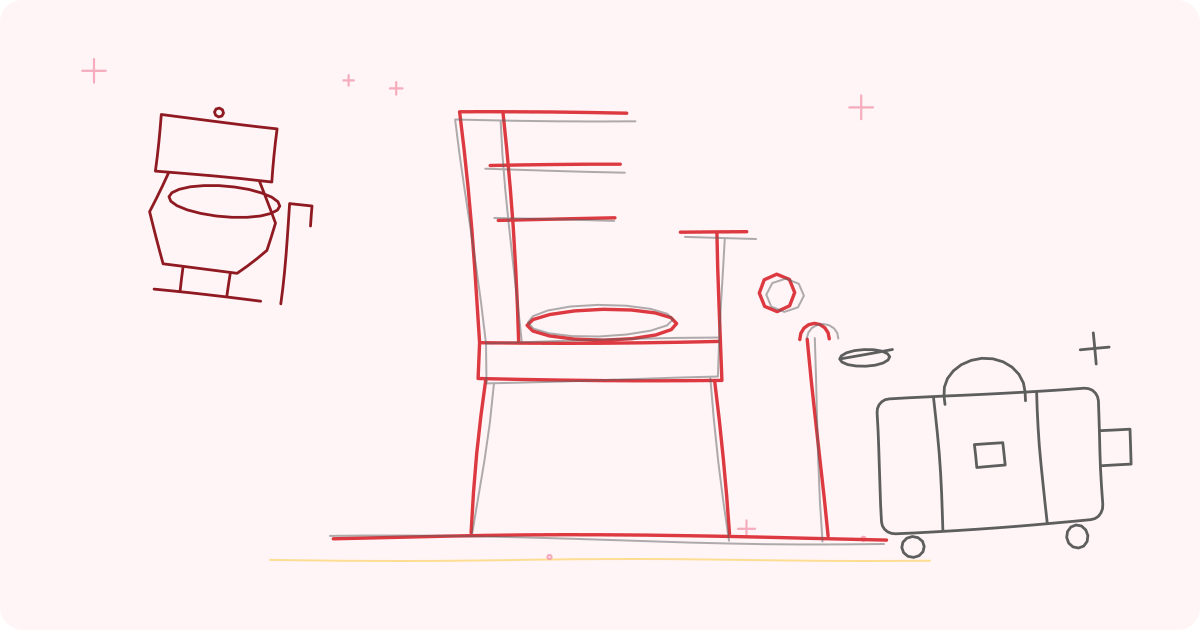
- Loose, easy-to-remove clothes with elastic waists, front fastenings or side zips, and no tight belts, buttons or hooks. Salwar and kurta, loose trousers and skirts are easy; sarees can be hard in a rush but may be managed with practice, and a petticoat with an elastic waist is helpful.
- Dark or patterned fabrics hide stains better than light plain ones, and a longer top or a wrap covers the hips.
- Breathable fabrics, such as cotton, especially in hot climates; avoid heavy synthetics.
- Layered clothing, so that changes are easy.
- Underwear designed for absorbency (washable protective underwear) may be a discreet option for mild leaks.
- Practice dressing and undressing quickly at home.
Planning the day
- Use the toilet before leaving, and take a last visit just before setting off; try again after about two hours or at a set interval; see bladder training and timed toileting.
- Plan stops on road trips every one to two hours, at clean toilets such as petrol stations, malls, highway restaurants and hospitals, and look up toilets on the route. Mention accessible toilets, where available.
- Check the venue: the location of toilets, steps, lifts and distance; call ahead if needed. Choose a seat near the exit and toilet at weddings, halls and theatres.
- Drinks: do not stop drinking; keep fluids regular but avoid large quantities of tea, coffee and fizzy drinks just before travel. Dehydration worsens bladder irritation and confusion; see hydration for older adults.
- Timing: choose times of day when your parent is at their best, and when toilets are less busy. Avoid peak travel.
- Bring a companion who knows the plan and can help, ideally of the same gender as your parent if they prefer.
- Have a plan B: a car nearby, an early exit, or a quiet room.
- Keep to routines for medicines and meals.
Changing in public: dignity and practicality
- Use accessible or family toilets, which have more space, where available. In India, such facilities exist in many airports, malls, metro stations and some hospitals and hotels, but not everywhere; plan accordingly.
- Be quick and calm: lay a disposable underpad on a clean surface, or use the car boot with a towel or a changing mat, and screen with a shawl or the open door.
- In a car, park in a quiet place and use a pad, a towel and a blanket for privacy.
- Use the same technique as at home, with wipes, gloves and a fresh product; see how to change an adult diaper in bed for the steps adapted to standing or lying.
- Dispose carefully: seal used products in a bag, and place them in a bin, never in the toilet; see disposal, laundry and odour control.
- Wash hands afterwards.
- Do not make a fuss, and thank your parent for their help.
- Respect privacy and avoid commenting loudly.
Travel by train, bus, car and plane
- Trains: book a lower berth near the toilet, ask the railway for assistance, and avoid long gaps without a toilet visit; keep the bag within reach, not in the luggage rack. Carry an underpad for the berth. See travel with an elderly parent checklist and train, flight and airport assistance.
- Flights: ask for an aisle seat near the toilet, use the toilet before boarding, carry the bag in the cabin, and pack a full change of clothes in hand luggage. Airport staff can help with wheelchairs and priority security; mention the need discreetly. In-flight toilets are small, so changing may be easier with a companion at the gate.
- Long road trips: plan stops, use a seat protector, a portable urinal, and keep the bag in the car cabin.
- Buses: choose seats near the front and the door, and use a pad.
- Hotels and relatives' homes: ask about a bathroom near the room, add a waterproof sheet over the mattress and keep supplies handy; see mattress protectors for incontinence.
- Long trips: pack extra supplies, since products may not be available in smaller towns, and carry a few days' reserve.
- Heat and delays: take extra care with hydration and skin, since heat and long hours in pads increase the risk of rashes; see incontinence-associated skin damage: prevention and care.
Social events, temples and weddings
- Choose the right moment to leave for the toilet before rituals or long ceremonies.
- Tell a trusted host or relative, if your parent is comfortable, so that they can help find a quiet place.
- Wear dark, loose clothing, and carry the bag discreetly.
- Sit near the exit.
- Avoid long waits in queues; ask for priority access for senior citizens where available.
- Keep an eye on timing for the toilet, and use signals agreed beforehand.
- Plan a quiet corner for changes.
- Respect cultural and religious practice: some temples have rules on footwear and clothing, and some areas are difficult for wet clothes; plan.
If an accident happens
- Stay calm and reassure: "It is all right, it happens. Let us take care of it."
- Move to a private place and cover with a shawl.
- Clean and change efficiently and kindly.
- Seal soiled clothes in a bag and do not leave them on seats.
- Do not blame or sigh.
- Continue the outing if your parent wishes, or go home if they prefer.
- Note what happened and whether the product, fit or timing needs changing; see choosing incontinence products by situation.
When to ask a professional
Ask the doctor or continence nurse about managing incontinence before a trip, including medicines, products and timing, and whether treatment could reduce accidents. Ask a pharmacist about supplies. Seek urgent help for inability to pass urine, fever with confusion, blood in urine, severe pain or a swollen abdomen; call 112 for emergencies, wherever you are.
Equipment mentioned in this guide
Frequently asked questions
How many pull-ups should I pack for a day trip?
At least two to three spares for a short outing and more for a long day, plus wipes, bags and a full change of clothes. Take more than you think you will need.
How do I change my mother discreetly in public?
Use an accessible or family toilet, or a car with a towel and shawl for privacy, and work quickly and calmly.
Should my father stop drinking before a trip?
No. Keep regular drinks but avoid large amounts of tea, coffee and fizzy drinks just before travel, and plan toilet stops.
What clothes work best?
Loose, dark, breathable clothes with elastic waists and easy fastenings, with layers and a wrap.
Can we travel by train with incontinence?
Yes, with planning: a lower berth near the toilet, the bag within reach, an underpad and regular toilet visits.
Sources and further reading
- International Continence Society, guidance for people living with incontinence
- Royal College of Nursing, guidance on continence care
- World Health Organization, World report on ageing and health (2015)
- Ministry of Social Justice and Empowerment, India, accessible India guidance on accessible facilities
Tags: travel with incontinenceincontinence bag listgoing outpull-ups travelaccident kitportable urinalouting with elderlyIncontinence and hygieneHealthy ageingElder care
This article is for general education and is not medical advice. Speak to your doctor before changing your exercise, diet or medicines.