Why diabetes puts feet at risk
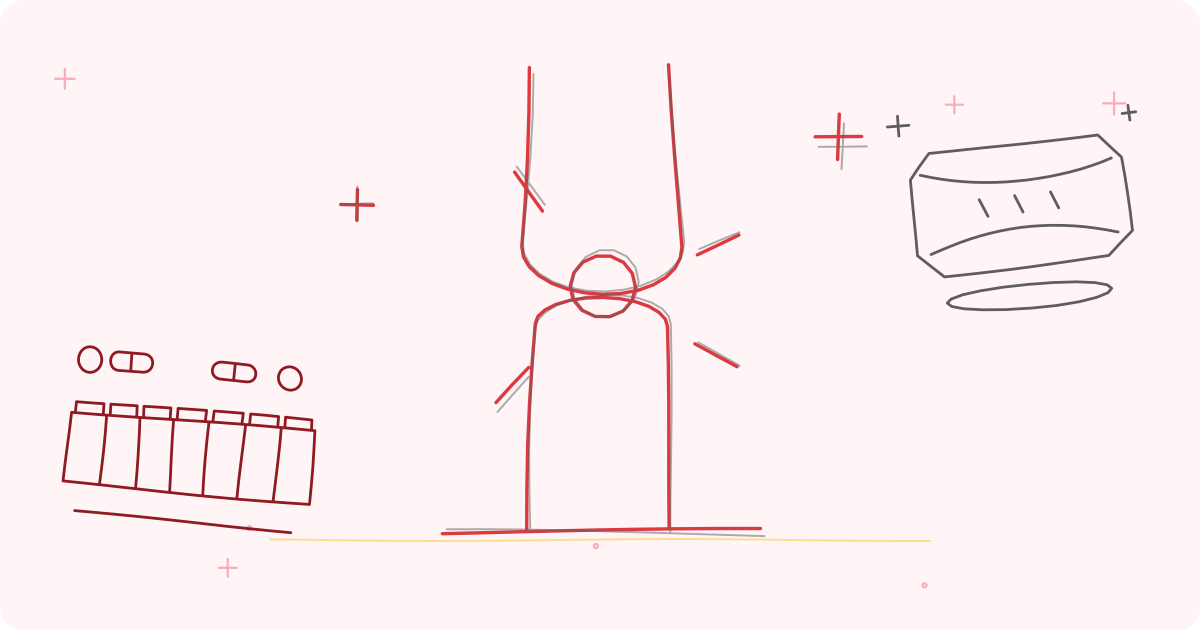
- Neuropathy. Damaged sensory nerves mean a person may not feel a stone, a blister, a burn or a tight shoe. Damaged motor nerves cause muscle imbalance, deformity and abnormal pressure. Damaged autonomic nerves reduce sweating, leaving skin dry and cracked.
- Poor circulation (peripheral arterial disease). Narrowed arteries reduce blood flow, slowing healing and increasing the risk of infection.
- Infection risk. High sugar weakens the body's defences, so infections spread fast.
- Foot deformities and pressure points, such as bunions, hammer toes and Charcot foot.
- Reduced eyesight and flexibility make inspection and self-care harder.
See neuropathy foot care, diabetes at home after 60 and diabetic foot ulcers prevention. Good control of blood sugar, blood pressure and cholesterol, and stopping smoking, help to protect nerves and vessels; see how to test blood sugar at home and glucometer buying guide.
Daily foot check
Make this a fixed daily habit, such as after bathing or before bed.
1. Look at the whole foot in good light, including the soles, heels, between the toes and around the nails. If bending is difficult, use a mirror on the floor or a long-handled mirror, or ask a family member. Use a magnifier if eyesight is poor; see magnifier lamp guide. 2. Look for: cuts, scratches, blisters, redness, swelling, bruises, corns, calluses, cracks (especially at the heel), peeling or white, soggy skin between toes, dark or black areas, ingrown nails, fungal nails, changes in colour or shape, and any discharge. 3. Feel with the hands for warmth, coldness, swelling, dryness and hard areas. A warm, swollen, red foot may signal an infection or Charcot foot. 4. Smell: an unusual smell may signal infection. 5. Check the shoes inside, with a hand, for stones, loose threads, torn linings and folds in the insole. Check again before putting them on. 6. Record any change, and take a photo to compare over days. 7. Act early. Do not wait. Seek advice for any break in the skin, new blister or redness that does not go away within a few hours of removing pressure.
Washing and drying
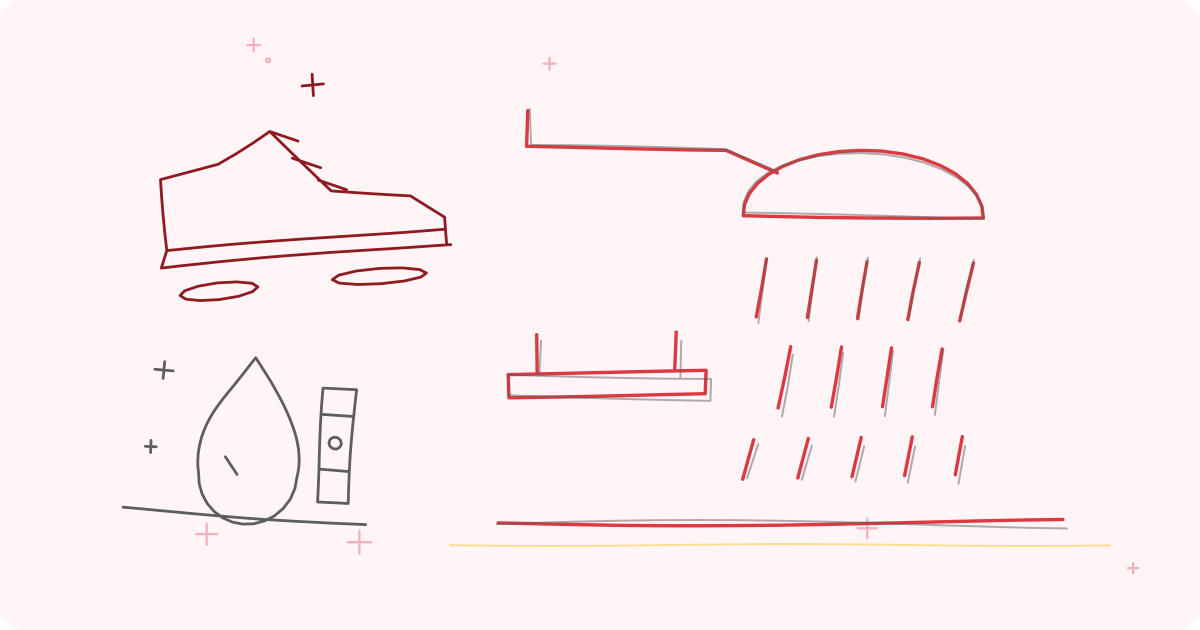
- Wash feet daily with lukewarm water and mild soap. Test the water temperature with the elbow or a thermometer, not with the foot, since numb feet can scald without feeling; see hot water and scald safety for older skin.
- Do not soak feet for long; soaking softens skin.
- Dry thoroughly, with a soft towel, patting, especially between the toes, which are prone to fungal infection.
- Moisturise the tops and soles with a plain, fragrance-free cream or as the doctor advises, but not between the toes. See barrier cream and skin care.
- Do not use very hot water, heating pads, hot water bottles, or sit with feet close to a heater or fire; burns are common in numb feet. See hot pack safety for older skin and safe use of heaters and geysers.
Nail and skin care
- Trim nails straight across after washing, when softer, and file sharp edges. Do not cut into the corners or cut too short. If vision is poor, nails are thick or you have poor circulation, have a podiatrist or nurse trim them. See nail, hair and foot care for the dependent elderly.
- Corns and calluses: do not cut them, use blades, corn plasters with acid or chemical removers, or home surgery. See a podiatrist.
- Dry, cracked heels: moisturise daily, and use a gentle pumice stone only if advised. Deep cracks need a podiatrist.
- Fungal infection: see a doctor or podiatrist for scaling, redness between the toes or thick, discoloured nails; see skin conditions in older adults.
- Ingrown nails: see a podiatrist.
- Do not walk barefoot, even at home, in the garden or on the beach. Floors have splinters, tiles are hot or cold, and small objects hurt unnoticed.
- Do not use home remedies such as hot oil, kerosene, turmeric paste or herbal pastes on broken skin; seek medical care.
Safe footwear and socks
Shoes are the most important protection.
- Fit and shape. Choose shoes with a wide, deep toe box, soft uppers, no internal seams, a firm heel counter and a supportive sole. Shoes should be comfortable immediately. See choosing shoes for older feet.
- Shoe shopping. Shop in the afternoon, measure both feet, wear the usual socks and check the fit while standing.
- Therapeutic footwear and insoles. A podiatrist or orthotist may prescribe special shoes and insoles for deformity or past ulcers; see insoles and orthotics for foot and heel pain.
- Avoid pointed or tight shoes, high heels, flip-flops, sandals with thongs between the toes, backless slippers and plastic shoes that do not breathe.
- Always wear socks or stockings with shoes, to reduce friction. Choose soft, seamless or flat-seam, cotton or wool-blend, moisture-wicking socks, without tight elastic. Change daily, and avoid darned or mended socks.
- Indoors, wear closed, soft slippers with grip, not bare feet; see walking aids and footwear.
- Break in new shoes gradually, wearing for short times at first and checking feet afterwards.
- Check shoes daily, and replace when worn.
- Toe and bunion devices. Use correctors only with podiatrist advice; see bunion correctors.
Protecting against injury and burns
- Never walk on hot pavements, sand or temple floors in summer without footwear. Carry thin shoes or non-slip socks to places where shoes must be removed.
- Check bath water by hand or elbow.
- Avoid heated foot massagers or soaking in hot water; see foot massagers: comfort, circulation and cautions.
- Be careful with TENS and other devices on numb skin; see TENS units for pain.
- Be careful with compression stockings; they need a circulation check first; see compression stockings guide.
- Keep floors clear of sharp objects, and use a torch at night.
- Do not use sharp tools on feet.
- Use sunscreen on the tops of the feet in sandals.
- Protect against mosquito bites and insect stings.
Blood sugar, circulation and general health
Foot health is tied to the rest of the body.
- Control blood sugar as the doctor advises; take medicines on time; attend check-ups.
- Stop smoking. Tobacco worsens circulation.
- Keep blood pressure and cholesterol in check.
- Stay active with walking and gentle exercise, to improve circulation; see exercise with diabetes in older adults.
- Eat well; see nutrition for diabetes after 60.
- Check weight and swelling; see swollen legs in older adults.
- Annual foot examination by a doctor, nurse or podiatrist, checking feeling, pulses, skin and shape. High-risk feet need more frequent review.
- Eye check-ups, since poor sight makes self-care harder; see diabetic eye care.
Warning signs: seek help the same day
Do not wait for the next appointment if you notice:
- A blister, cut, sore or ulcer that is not healing or is getting worse.
- Redness, warmth, swelling or pain in a foot or toe, especially one-sided.
- Pus, discharge, bad smell or red streaks up the leg.
- Fever or chills with a foot problem.
- Black, blue or very pale skin or toes.
- Sudden change in shape of the foot, such as a collapsed arch.
- New numbness, burning, tingling or pain.
- A foot that is cold, pale and painful.
- A wound anywhere on the foot, however small, that does not improve in a day or two.
Foot infections in diabetes can progress quickly and are an emergency when there is fever, spreading redness, severe pain or a black area. Go to hospital; see diabetic foot ulcers prevention and wound care at home for older adults for what to do while arranging care.
How the family can help
- Do the daily check for a parent who cannot see or reach their feet.
- Be gentle and respectful. Many people find it embarrassing to have their feet inspected.
- Make an appointment with a podiatrist and keep it.
- Check footwear and replace worn shoes.
- Trim nails only if confident, otherwise ask a professional.
- Remind about hygiene and drying between toes.
- Keep a record of sugar, foot findings and appointments.
- Learn the warning signs.
When to ask a professional
Ask your doctor or diabetes nurse for a regular foot check, at least once a year, and more often if there is neuropathy, poor circulation, deformity or a history of ulcers. A podiatrist can care for nails, corns, calluses, and advise on footwear and insoles. An orthotist can supply therapeutic shoes. A vascular surgeon or diabetologist may be required for circulation problems. See a doctor immediately for any warning sign above.
Equipment mentioned in this guide
Frequently asked questions
How often should an older adult with diabetes check their feet?
Every day. Look at the tops, soles, heels and between the toes, using a mirror or a helper if needed, and check shoes before wearing.
Can I cut my father's corns at home?
No. Cutting corns or calluses, or using chemical corn removers, can cause wounds in diabetic feet. See a podiatrist.
Is it safe to walk barefoot at home with diabetes?
It is best to avoid it, particularly if there is numbness or poor circulation. Wear closed, soft shoes or slippers with grip, even indoors.
When is a foot problem an emergency?
A wound with spreading redness, pus, a bad smell, fever, black skin, severe pain or a cold, pale foot needs urgent medical care.
Sources and further reading
- NICE guideline NG19, Diabetic foot problems: prevention and management
- International Working Group on the Diabetic Foot, guidelines on prevention and management of diabetic foot disease
- World Health Organization, Global report on diabetes (2016)
- Research Society for the Study of Diabetes in India, guidance on diabetic foot care
Tags: diabetic foot carediabetic foot ulcer preventionfoot inspectionneuropathy footdiabetes footwearfoot checksJoint and pain supportCushioned insoles and heel padsHealth monitoring devicesIncontinence and hygiene
This article is for general education and is not medical advice. Speak to your doctor before changing your exercise, diet or medicines.