What neuropathy feels like
Symptoms usually start in the toes and feet and spread upward in a "stocking" pattern, and may later affect the hands ("glove"). They include:
- Numbness, a feeling of wearing socks, or the ground feeling strange.
- Tingling, pins and needles.
- Burning pain, often worse at night.
- Sharp, electric or stabbing pains.
- Extreme sensitivity to touch, even a bedsheet.
- Cold or hot feelings without a cause.
- Weak muscles in the feet and legs, foot drop, tripping, unsteady walking.
- Loss of balance, especially in the dark or with eyes closed.
- Foot deformity, such as high arches, claw toes.
- Dry, cracked skin, reduced sweating.
- Painless sores or blisters.
Some people with neuropathy have no pain at all, which is more dangerous, since nothing warns them of injury.
Common causes
- Diabetes, the leading cause worldwide. Years of high blood sugar damage nerves; see diabetes at home after 60 and diabetic foot care at home.
- Vitamin B12 deficiency, common in vegetarians, older adults and people taking certain stomach medicines or diabetes tablets; see vitamin B12 in older vegetarians.
- Alcohol.
- Kidney disease; see chronic kidney disease home care.
- Thyroid disease; see thyroid problems in older adults.
- Medicines, including some used for cancer, infections, heart conditions and others.
- Spinal problems, such as stenosis or a disc problem; see spinal stenosis and sciatica.
- Infections and inflammatory conditions, and nerve compression.
- Poor circulation can mimic or add to neuropathy.
- Shingles can cause nerve pain after the rash; see shingles and nerve pain.
- Inherited and idiopathic causes: sometimes no cause is found.
Because several causes are treatable, numb feet need a medical check, including blood tests for sugar, B12, kidney and thyroid, and an examination of nerves and circulation. See neuropathy and balance.
Daily foot check
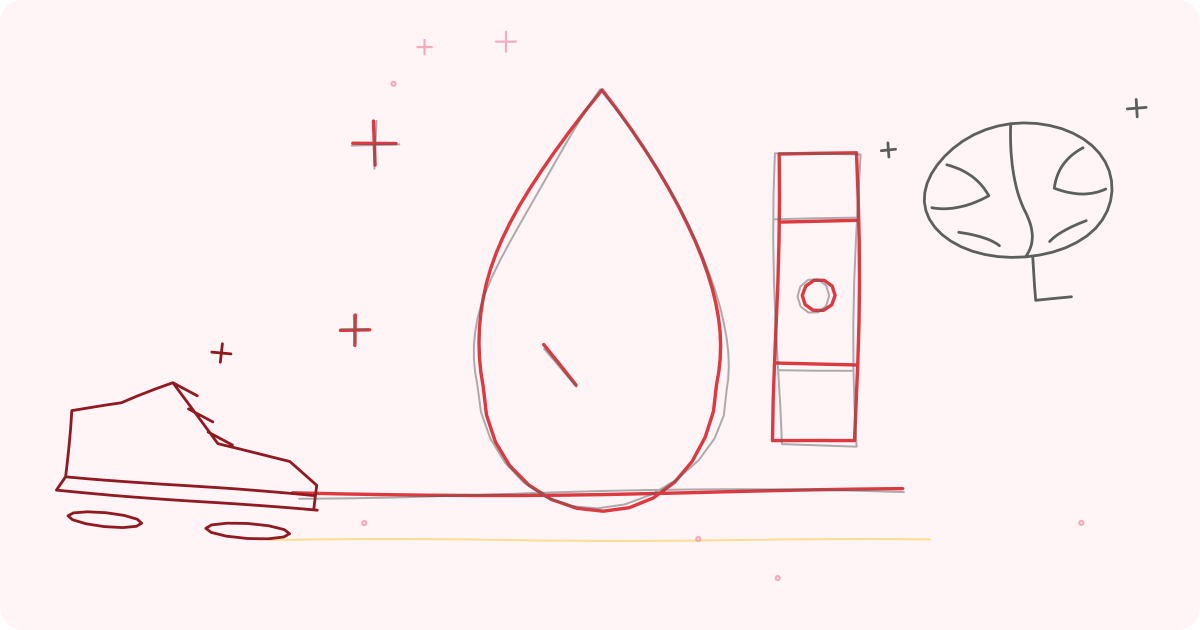
Do this every day, such as after a bath or before bed. If the person cannot see or reach their feet, a family member does it; see dignity in intimate care.
1. Look at the whole foot in good light: tops, soles, heels, between the toes and around the nails. Use a mirror on the floor, or a magnifier; see magnifier lamp guide. 2. Look for cuts, scratches, blisters, red marks, bruises, corns, calluses, cracks, swelling, colour changes, peeling skin, fungal infection between toes, ingrown nails, and any discharge. 3. Feel for warmth, swelling, hard areas and dryness. 4. Smell: an unusual smell may mean infection. 5. Check the shoes and socks inside by hand each time before wearing: stones, creases, rough seams, torn lining, nails. 6. Record changes and take photographs. 7. Act quickly. Any break in the skin needs attention the same day; see wound care at home for older adults. In diabetes, see a doctor promptly.
Protecting numb feet from injury
- Never walk barefoot, indoors or outdoors, even on a short trip to the bathroom or garden. Floors may have splinters, tiles can be hot or cold, and small objects hurt unnoticed.
- Wear shoes and socks at all times, including at home. Choose shoes with a wide, deep toe box, soft upper, no internal seams, cushioned soles and good grip; see choosing shoes for older feet and walking aids and footwear.
- Socks: soft, seamless or flat-seam, moisture-wicking, loose at the top; change daily.
- Check shoe fit carefully; shop in the afternoon; break in new shoes slowly.
- Insoles that spread pressure may help; use under guidance; see insoles and orthotics for foot and heel pain.
- Avoid pressure points: pointed shoes, tight straps, thongs and hard soles.
- Do not cut corns, calluses or nails carelessly. Cut nails straight across after bathing; ask a podiatrist for thick nails, corns or calluses; see nail, hair and foot care for the dependent elderly.
- Moisturise dry skin, not between the toes.
- Keep skin dry between toes; treat athlete's foot early; see skin conditions in older adults.
- Protect from sun with covered shoes or sunscreen on exposed tops.
- Avoid rough handling, such as scrubbing with stones or pumice, unless advised.
Temperature and burn safety
A numb foot can be burned or frozen without the owner knowing.
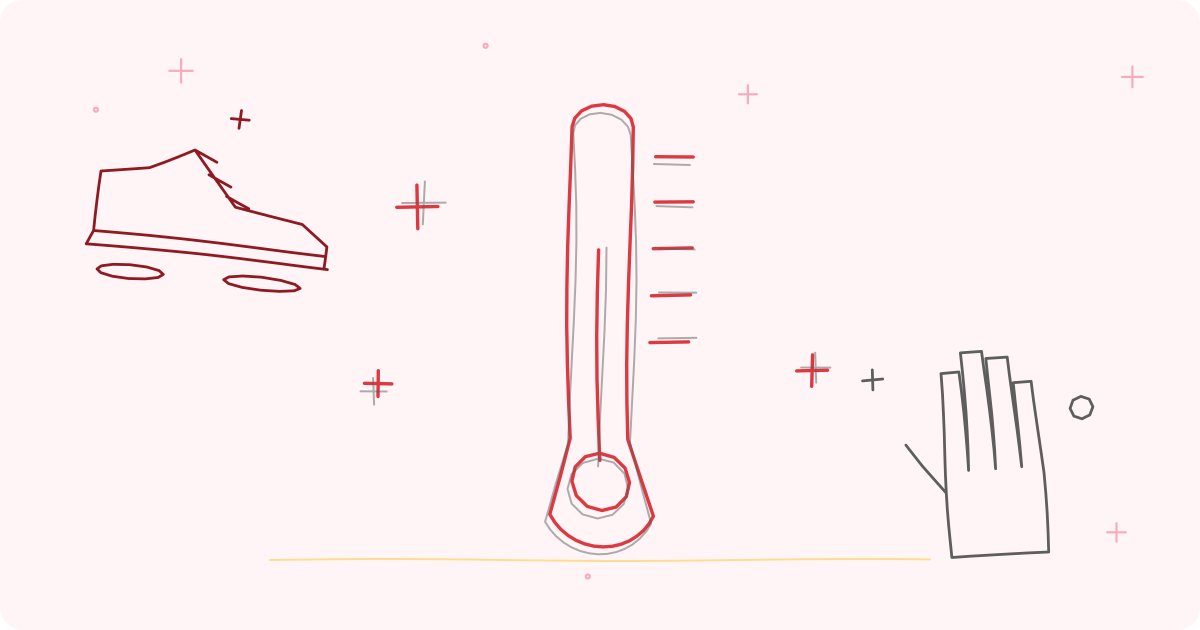
- Test bath and shower water with the elbow, a hand or a thermometer, never with the foot. See hot water and scald safety for older skin.
- Avoid hot water bottles, heating pads, electric blankets directly on the feet, and sitting with feet near a heater, fire or hot pipe; see hot pack safety for older skin and safe use of heaters and geysers.
- Foot soaks only in warm water tested for temperature, for short times, and dry well.
- Hot ground: wear footwear on hot pavements, temple floors, terraces and beaches.
- Cold: wear warm socks in winter; avoid ice packs on numb feet; see heat or cold for joint pain.
- Massagers and TENS are risky on numb feet; ask a doctor first; see foot massagers: comfort, circulation and cautions and TENS units for pain.
- Compression stockings need a circulation check and skin checks; see compression stockings guide.
Balance and falls
Numb feet reduce the sense of where the foot is, so people walk heavily, stagger in the dark and catch their toes.
- Light the way, particularly at night; see motion-sensor night lights and lighting and contrast at home.
- Clear floors of rugs, wires and clutter; see flooring, rugs and trip hazards.
- Use a stick or walker if advised; see how to choose a walking stick.
- Use handrails and grab bars, especially in the bathroom; see bathroom safety checklist.
- Stand and walk deliberately, looking where you step.
- Balance and strength exercises, taught by a physiotherapist; see balance exercises for seniors and exercises for knee and hip pain.
- Ankle supports may help some; see ankle supports.
- Check eyesight and footwear; see hearing and vision checkup schedule.
- Review medicines for dizziness and drowsiness; see polypharmacy and deprescribing.
- Falls plan: see falls risk assessment at home.
Managing neuropathic pain
Burning, shooting and electric pains can be severe and disturb sleep. They respond differently from ordinary pain, and the usual painkillers often do little.
- See a doctor. Several types of prescription medicines are used for nerve pain, each with side effects, and older adults need careful dosing and review for drowsiness, confusion, dizziness and falls. Do not use leftover or borrowed tablets. See painkillers and older adults.
- Treat the cause, such as tightening blood sugar control, replacing B12 if low, treating thyroid or kidney disease, and stopping or adjusting a causative medicine, with advice.
- Skin treatments such as certain creams or patches are sometimes used; ask a doctor or pharmacist, and do not apply to broken skin.
- Comfort measures: loose bedding, a bed cradle to keep sheets off feet, cool (not cold) foot soaks in tested-temperature water, gentle movement, relaxing routines.
- Exercise and walking, within safe limits, may reduce symptoms.
- Sleep and mood: pain disrupts sleep and mood; see sleep problems in older adults and chronic pain in older adults.
- A pain diary helps; see keeping a pain diary and talking to the doctor.
- Avoid alcohol, which damages nerves and interacts with medicines.
- Be cautious with supplements and herbal products; vitamin B6 in high doses can itself damage nerves; check with a doctor; see supplements and medicine interactions.
Look after the whole person
- Blood sugar control and regular checks reduce the progression of diabetic neuropathy; see how to test blood sugar at home.
- Stop smoking.
- Balanced diet and good nutrition; see nutrition for diabetes after 60.
- Regular check-ups with a doctor, an annual foot examination and eye checks.
- Podiatry visits, especially if there is deformity, thick nails or past ulcers.
- Treat hand symptoms too, since numb hands make daily tasks, such as cooking and testing water, risky; see arthritis daily living gadgets and kitchen safety for older adults.
Warning signs: seek help the same day
- A new cut, blister, sore or ulcer that does not heal in a day or two, or looks infected.
- Redness, warmth, swelling or pain in a foot, particularly one-sided.
- Pus, discharge, bad smell or red streaks up the leg, with or without fever.
- Black, blue or very pale skin, or a cold foot.
- A sudden change in the shape of the foot.
- A burn, however small.
- Sudden weakness or numbness spreading quickly up the legs, trouble walking, or loss of bladder or bowel control: emergency.
- Severe, sudden pain.
- New numbness on one side with face droop or slurred speech: stroke emergency; see stroke warning signs and first hour.
When to ask a professional
See a doctor for any new numbness, tingling or burning in the feet, and promptly for any wound. A podiatrist can examine feet, manage nails, calluses and advise on footwear and insoles. A diabetes team can review sugar control. A physiotherapist can help with balance and strength. An occupational therapist can review home safety. A neurologist may investigate unusual or rapidly progressing neuropathy. A pharmacist can review medicines and interactions.
Equipment mentioned in this guide
Frequently asked questions
What causes numb feet in older adults?
Common causes are diabetes, vitamin B12 deficiency, alcohol, kidney and thyroid disease, some medicines and spinal problems. A doctor can check for treatable causes with an examination and blood tests.
Is it safe to walk barefoot at home with neuropathy?
No. Numb feet cannot feel injuries or hot or sharp objects. Wear soft, protective shoes or slippers with grip indoors.
Can neuropathy be reversed?
Sometimes, if the cause is found and treated early, such as low B12. In other cases, the aim is to stop progression, manage symptoms and protect feet. Ask your doctor about your situation.
How can I test bath water safely?
Use your elbow, your hand or a bath thermometer, not the foot. Mix cold and hot water before the person gets in, and keep the water warm, not hot.
Sources and further reading
- NICE guideline NG19, Diabetic foot problems: prevention and management
- NICE guideline CG173, Neuropathic pain in adults: pharmacological management in non-specialist settings
- World Health Organization, World report on ageing and health (2015)
- American Academy of Neurology, patient information on peripheral neuropathy
Tags: neuropathynumb feetperipheral neuropathyfoot care elderlyburning feetdiabetic neuropathyJoint and pain supportCushioned insoles and heel padsHealth monitoring devicesMobility and walking aids
This article is for general education and is not medical advice. Speak to your doctor before changing your exercise, diet or medicines.