What changes with age, and what does not
Normal ageing may bring:
- lighter, more fragmented sleep, with more awakenings;
- less deep sleep;
- an earlier body clock, so people feel sleepy early in the evening and wake at dawn;
- more daytime napping;
- greater sensitivity to noise and light.
What is not simply age is persistent trouble sleeping that leaves the person unable to function, loud snoring with pauses in breathing, legs that must keep moving, acting out dreams, sudden confusion at night, or pain that wakes them. These need attention. See insomnia in older adults, sleep apnoea in older adults and restless legs and night cramps.
The bedroom environment
Light. Darkness helps the body produce sleep hormones. Use curtains or blinds to block street lights and early sunrise, and avoid bright screens before bed. Yet total darkness is risky for a person who gets up at night. A low, warm night light on the route to the toilet is safer; see motion-sensor night lights. In the morning, bright daylight helps set the body clock, so open curtains and spend time near a window or outside.
Noise. Traffic, television, barking dogs, neighbours, festivals and construction are common in Indian cities. Close windows if noise is a problem, use thick curtains, a fan's steady hum as white noise, or earplugs if comfortable. Avoid sudden loud sounds. Keep TV low or off at night. For people with hearing loss, avoid leaving the TV on loudly; see hearing loss home care guide.
Temperature and ventilation. Most people sleep best in a cool, comfortable room. In summer, a fan, a cooler or air conditioner set at a moderate temperature, with light cotton bedding, helps. A fan blowing directly onto an older person all night may cause chill or dryness. In winter, warm bedding rather than hot rooms, and a gentle heater used safely. See temperature and ventilation at home, keeping a bedridden parent cool in Indian summers and cold weather health risks for seniors.
Air quality. Dust, mosquito coils and smoke can irritate the lungs. Use nets or screens for mosquitoes; see dengue and malaria in older adults. See also indoor air quality for older lungs.
The bed and mattress. A bed that is too soft, too hard, sagging or too small causes pain and tossing. See mattress firmness for back pain. Pillows should support the neck without pushing the chin down; see neck pillow guide. Side sleepers may need a pillow between the knees; see pillows for side sleepers and shoulder pain. People with breathing problems or reflux may need the head raised; see wedge pillow guide and pillows for sleep apnoea and snoring.
Bedding. Clean, smooth, breathable cotton sheets. Avoid heavy blankets that make it hard to move, and plastic covers that sweat; see bed linen for sensitive older skin.
Clutter and clocks. Remove clutter. A large, quiet clock can reassure, but watching it at night increases worry. Turn it away.
Keep the bedroom for sleep. Avoid eating, working or long TV watching in bed where possible, so the brain links the bed with sleep. For a person who is bedridden, change the setting between day and night: open curtains, sit up, and have light and activity by day, and darkness and quiet by night.
Safety at night
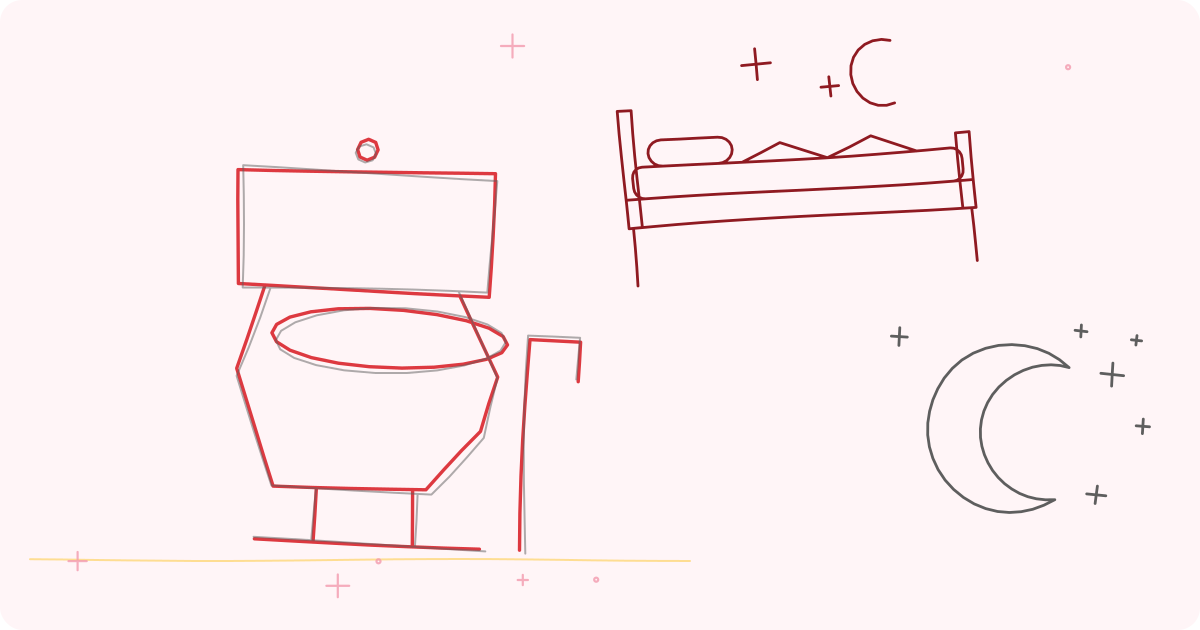
Sleep and safety go together. Many falls happen on the way to the toilet in the night.
- Light the route and keep it clear; see bedroom setup for night safety.
- Keep a bedside commode or urinal if the toilet is far; see night toileting from the bed and night-time toilet trips and falls.
- Put water, spectacles, phone or bell within reach; see bedside essentials checklist.
- Sit before standing on waking.
- For a person with dementia, see dementia sundowning and bed safety for restless sleepers.
Daytime habits that improve night sleep
- Fixed times. Go to bed and get up at roughly the same time each day.
- Daylight and activity. Morning light, a walk, gentle exercise or chair exercises; see exercise at home for seniors and exercise in summer and monsoon indoors. Avoid vigorous exercise close to bedtime.
- Short naps. A nap of 20 to 30 minutes early in the afternoon is fine; long or late naps disturb night sleep.
- Caffeine and tobacco. Limit tea, coffee and cola in the afternoon and evening. Avoid smoking.
- Alcohol. It may bring sleep but fragments it later. See substance and alcohol use in older adults.
- Meals. A light dinner a couple of hours before bed. A heavy, spicy or late meal can cause reflux. A small snack or warm milk is fine for most people unless advised otherwise.
- Fluids. Drink enough during the day, and ease off in the late evening if night-time urination is a problem, but do not restrict fluids heavily without medical advice; see hydration for older adults.
- Social contact and purpose. Loneliness and boredom worsen sleep; see loneliness and isolation in older adults.
- Wind-down routine. A warm wash, quiet music, prayer, gentle stretching or reading, at the same time each evening. Avoid news or stressful talk.
- Worry time. If worries keep the person awake, write them in a notebook earlier in the day.
- If awake for a long time, get up, sit in a dim place and do something calm until sleepy, then return to bed.
Medical causes to raise with a doctor
Do not assume poor sleep is just age. Possible contributors include:
- Pain: arthritis, back pain, neuropathy, cramps.
- Breathing problems: COPD, asthma, heart failure, sleep apnoea.
- Bladder: frequent night urination, prostate problems, infection, diabetes.
- Reflux and digestion.
- Mood: depression, anxiety, grief; see depression in older adults and anxiety in older adults.
- Dementia and Parkinson's disease, which change sleep patterns.
- Restless legs and periodic limb movements.
- Thyroid and other medical conditions; see thyroid problems in older adults.
- Medicines: some blood pressure medicines, steroids, diuretics taken late, stimulants and others can disturb sleep. See polypharmacy and deprescribing.
- Sleeping tablets. Long-term use of sedatives increases the risk of falls, confusion and dependence. Do not start, stop or change sleeping tablets without a doctor's advice. Do not give a parent your own tablets. Ask whether non-drug approaches, such as cognitive behavioural therapy for insomnia, may be suitable.
Snoring and sleep apnoea
Loud snoring, pauses in breathing, gasping or choking at night, morning headaches and daytime sleepiness suggest sleep apnoea. It is treatable and affects heart and brain health. A doctor may arrange a sleep test. Raising the head, side sleeping and weight management can help in mild cases, but do not rely on pillows alone. See sleep apnoea in older adults.
When to ask a professional
See a doctor if sleep problems last more than a few weeks, cause daytime impairment, come with loud snoring or pauses in breathing, severe leg movements, new confusion, hallucinations, shouting or acting out dreams, pain, breathlessness at night, low mood or suspected medicine effects. A pharmacist can review medicines. An occupational therapist can advise on bedroom setup. A psychologist or sleep specialist may offer cognitive behavioural therapy for insomnia. Seek urgent help for chest pain, severe breathlessness, fainting or a sudden change in alertness.
Equipment mentioned in this guide
Frequently asked questions
How much sleep do older adults need?
Most adults need about seven to eight hours in a 24-hour period, though needs vary. Older adults often sleep less at night and may nap in the day. Daytime tiredness and function matter more than the exact number.
Are sleeping tablets safe for my parent?
They carry risks for older people, including falls, confusion and dependence. Only use them as prescribed, for short periods, and review with the doctor. Ask about non-drug options.
Should my mother nap in the afternoon?
A short nap of 20 to 30 minutes early in the afternoon is fine for most. Long or late naps can make it harder to sleep at night.
Does a firmer mattress help sleep?
It depends on the person. A mattress that supports the spine and relieves pressure points helps. Back pain or sores may need a medical opinion; see mattress firmness and pressure-care guides.
Sources and further reading
- World Health Organization, World report on ageing and health (2015)
- NICE Clinical Knowledge Summaries, Insomnia
- Centers for Disease Control and Prevention, information on sleep and sleep disorders
- American Academy of Sleep Medicine, patient information on sleep in older adults
Tags: sleep problems elderlyinsomnia older adultsbedroom for sleepnight wakingsleep hygienesnoring and apnoeaBeds, mattresses and restCervical neck pillowCushions, pillows and comfortBathroom and toilet safety
This article is for general education and is not medical advice. Speak to your doctor before changing your exercise, diet or medicines.