Why the neck suffers
The cervical spine, the seven vertebrae of the neck, has a gentle forward curve. In an older person, discs are thinner, joints are arthritic (cervical spondylosis), and muscles tire easily. When the head is held forward, for instance while reading or looking at a phone, the load on the neck multiplies. When the head tilts sideways in sleep, the muscles on one side are stretched and the joints are compressed.
Common problems include stiff neck on waking, pain that spreads to the shoulders and arms, headaches from tight neck muscles and numbness or tingling in the arms if nerves are irritated. The aim of a neck pillow is to keep the head and neck in a neutral, supported position, with the spine in line from head to hips.
Types of neck pillow
### U-shaped travel pillow
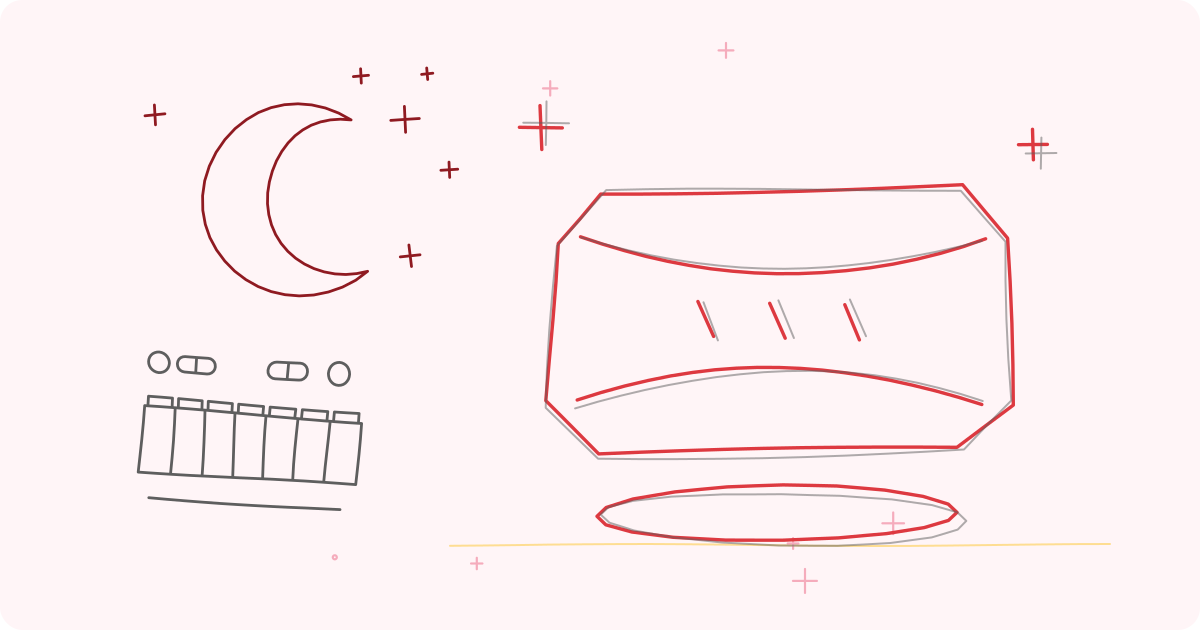
A horseshoe-shaped pillow that wraps around the back and sides of the neck, with the opening at the front. It prevents the head from falling sideways or forwards during sleep in a seat. Available in memory foam, microbead and inflatable versions. Best for trains, planes, cars and long waits.
### Cervical contour pillow
A pillow with a raised roll under the neck and a shallow dip for the head, designed for sleeping. It supports the natural curve of the neck, especially when lying on the back, and is usually made of memory foam or latex.
### Roll or bolster pillow
A cylinder placed under the neck while lying on the back, with the head on a low pillow. A towel roll can be used as a trial.
### Standard pillow with adjustable fill
A pillow where you can add or remove filling to adjust height and firmness. Useful for people who are not sure what height they need.
### Memory foam pillow
Moulds to the head and neck, offering good support. It can feel warm, so a breathable cover helps in hot weather.
### Latex pillow
Springy and supportive, more breathable than memory foam, and resistant to dust mites, but heavier and costlier.
### Wedge pillow
A triangular pillow for the upper body, used for acid reflux, breathing problems or sleeping upright; see wedge pillows.
### Soft cervical collar
A foam collar worn for short periods in some conditions. It is not a pillow and should be used only on a doctor's advice; see cervical collars and neck pain.
Choosing a sleep pillow
The right height depends on how you sleep.
- Back sleepers need a pillow that supports the neck's curve without pushing the head forward; a medium-thin pillow with a slight roll under the neck often works well.
- Side sleepers need a thicker pillow that fills the gap between the shoulder and the head, so the neck stays level with the spine. A pillow between the knees helps the hips.
- Stomach sleepers are the hardest to support, because the neck is twisted. A very thin pillow or none, and a pillow under the hips, is advised; or try to change position.
Check these points.
Height (loft). The most important factor. When lying on the side, the head should be level with the spine, not tilted up or down. A pillow that is too high or too low causes strain.
Firmness. Medium firm usually supports best. Very soft pillows collapse; very firm ones push the neck.
Material. Memory foam supports but can be warm; latex is breathable and springy; polyester fibre is soft and washable; feather is soft but needs fluffing.
Cover. Breathable and washable. Look for hypoallergenic options if there is dust allergy; see pillow hygiene, dust mites and allergies.
Size. Standard sizes fit most beds.
Trial. If you can, test it. A pillow that feels fine for a minute may not suit all night.
Choosing a travel pillow
- Fit. It should be snug but not tight, with the opening at the front, so it holds the head upright and supports the chin.
- Material. Memory foam supports best; inflatable ones are compact and adjustable; microbead ones are soft and flexible.
- Size and portability. A compact or compressible model for luggage; a bigger one for a car.
- Cover. Washable, soft, breathable.
- Fastening. A snap or strap keeps it in place and helps it fit different necks.
- Hygiene. Wipe or wash after trips; do not share.
For buses, cars and trains, some people prefer a pillow that supports the head from the side, or a travel pillow with a chin support. See wheelchair and car travel and travelling with an elderly parent: a checklist.
Using a neck pillow
For sleeping.
1. Lie in a neutral position with the neck level, and the pillow supporting the neck and head. 2. Keep the pillow under the head and neck, not the shoulders. 3. Adjust the height if the neck feels tilted. 4. Avoid several pillows stacked up. 5. Give it a week or two to adapt; discomfort can mean it is wrong.
For travel.
1. Fit the pillow around the neck, with the opening at the front. 2. Sit with the back supported against the seat and the feet flat. 3. Wear the seat belt properly, with the pillow not interfering. 4. Remove it when moving about. 5. Shift position regularly and walk about on long trips to avoid stiffness and clots; see compression stockings guide.
Avoid reading or using a phone in bed with the head propped forward for long periods.
Other ways to ease neck problems
- Gentle neck movements as advised by a physiotherapist.
- Heat for muscle stiffness, applied carefully; see hot packs and older skin.
- Posture: reading material at eye level; a lamp that does not make you lean forward.
- Shoulder and upper back exercises.
- A supportive mattress; see mattress firmness for back pain.
- Review of glasses, since poor vision makes people crane the neck.
- Medical care for persistent pain.
Warning signs: see a doctor
Seek medical help promptly for neck pain with:
- pain, numbness, tingling or weakness in an arm or hand;
- weakness or clumsiness in the legs, difficulty walking or balance problems;
- loss of bladder or bowel control;
- severe headache with fever and neck stiffness (possible meningitis, an emergency);
- neck pain after a fall or injury;
- chest pain, breathlessness or jaw and arm pain (possible heart problem); or
- pain that wakes you at night and does not ease.
Care and replacement
Wash covers regularly, air the pillow in shade and avoid direct sun. Replace pillows when they lose shape, develop lumps or odours, typically every one to two years for fibre pillows and longer for good foam or latex. Check that the pillow still supports the neck.
A simple bedtime routine for a stiff neck
Small habits help as much as the pillow. Before bed, a warm shower or a warm pack on the shoulders, used with care on older skin, relaxes tight muscles. Do two or three gentle neck movements as a physiotherapist has shown, such as slowly turning the head to each side and tilting the ear towards the shoulder, without forcing. Put the phone and book away, because reading with the head propped forward is a common cause of morning stiffness. Lie down in the position you plan to sleep in, check that the neck is level, and adjust the pillow height by a small amount before settling. In the morning, rise slowly, sit on the bed edge for a moment and avoid sudden twisting. If stiffness lasts beyond a few hours most days, or comes with arm symptoms, tell the doctor rather than buying another pillow.
When to ask a professional
A physiotherapist can assess neck pain, teach exercises and advise on posture and pillows. A doctor should check persistent or severe pain, or any of the warning signs. Our care advisors can help choose supports and arrange a physiotherapist visit.
Equipment mentioned in this guide
Frequently asked questions
What is the best pillow for neck pain in older people?
One that keeps the neck level with the spine: medium firm, the right height for your sleeping position, with a supportive cervical contour for back sleepers.
Do travel neck pillows work?
They stop the head from falling sideways or forwards, which reduces strain and waking. A good fit matters, and you should still change position often.
How high should a pillow be?
High enough to fill the gap between the head and the mattress so that the neck stays in line with the spine, and no higher.
Can a pillow treat cervical spondylosis?
No. It can ease discomfort at night, but treatment needs exercise, posture and medical care.
When should I replace a pillow?
When it flattens, lumps or smells, usually after one to two years for fibre and longer for good foam or latex.
Sources and further reading
- NICE Clinical Knowledge Summaries, Neck pain: cervical radiculopathy and non-specific neck pain
- Chartered Society of Physiotherapy, patient information on neck pain and posture
- World Health Organization, Musculoskeletal health: fact sheet
- World Health Organization, World report on ageing and health (2015)
Tags: neck pillowtravel pillowcervical pillowneck pain sleeppillow for elderlyneck supportCushions, pillows and comfortCervical neck pillowJoint and pain supportHealthy ageing
This article is for general education and is not medical advice. Speak to your doctor before changing your exercise, diet or medicines.