Common causes of neck pain in older adults
Cervical spondylosis (neck osteoarthritis). Wear of discs and joints in the neck, giving stiffness, aching, creaking and reduced movement, often worse in the morning or after sitting. Very common and often does not cause severe symptoms. See cervical spondylosis: symptoms, causes, treatment.
Muscle strain and tension. From poor posture, awkward sleeping, stress, long periods of looking down, or carrying loads.
Disc bulge or nerve root irritation (radiculopathy). Pain radiating into the shoulder, arm or hand, with tingling or weakness.
Cervical myelopathy. Narrowing of the spinal canal in the neck compresses the spinal cord, causing clumsy hands, difficulty with buttons, unsteady walking, heaviness or weakness in the legs and sometimes bladder changes. This needs prompt specialist assessment.
Injury. A fall or a jolt, such as a road accident or a bump on the head, may fracture neck bones or damage ligaments, especially with osteoporosis.
Referred pain. Shoulder disease, jaw problems, heart problems, or lung conditions can cause pain felt in the neck or shoulders. Pain in the neck and arm with chest pain, sweating or breathlessness is an emergency. See whats causing my shoulder pain.
Inflammatory and other causes. Polymyalgia rheumatica causes neck, shoulder and hip stiffness, especially in the morning, in people over 50; giant cell arteritis causes headache and scalp tenderness. Infections and tumours are rare but important causes.
Whiplash-type injuries, including minor ones from sudden stops.
Red flags: do not self-treat
Seek urgent medical help for neck pain with:
- Pain following a fall, a blow or an accident, especially in someone with osteoporosis or on blood thinners. Do not move the neck; see what to do after a fall.
- Weakness, numbness or tingling in the arms or legs, loss of dexterity, difficulty walking, or clumsy hands.
- Loss of bladder or bowel control.
- Severe headache, fever, stiff neck, confusion or rash: possible meningitis or other infection.
- Severe headache with scalp tenderness, jaw pain on chewing or visual change: possible giant cell arteritis, which can threaten sight.
- Unexplained weight loss, night pain, or a history of cancer.
- Chest pain, breathlessness, sweating or pain radiating down the left arm.
- Sudden severe neck pain with dizziness, double vision, slurred speech or weakness: possible stroke or artery problem; see stroke warning signs and first hour.
- Neck swelling or a lump.
Do not put a collar on an injured person and move them unless trained; keep the head still and call for help.
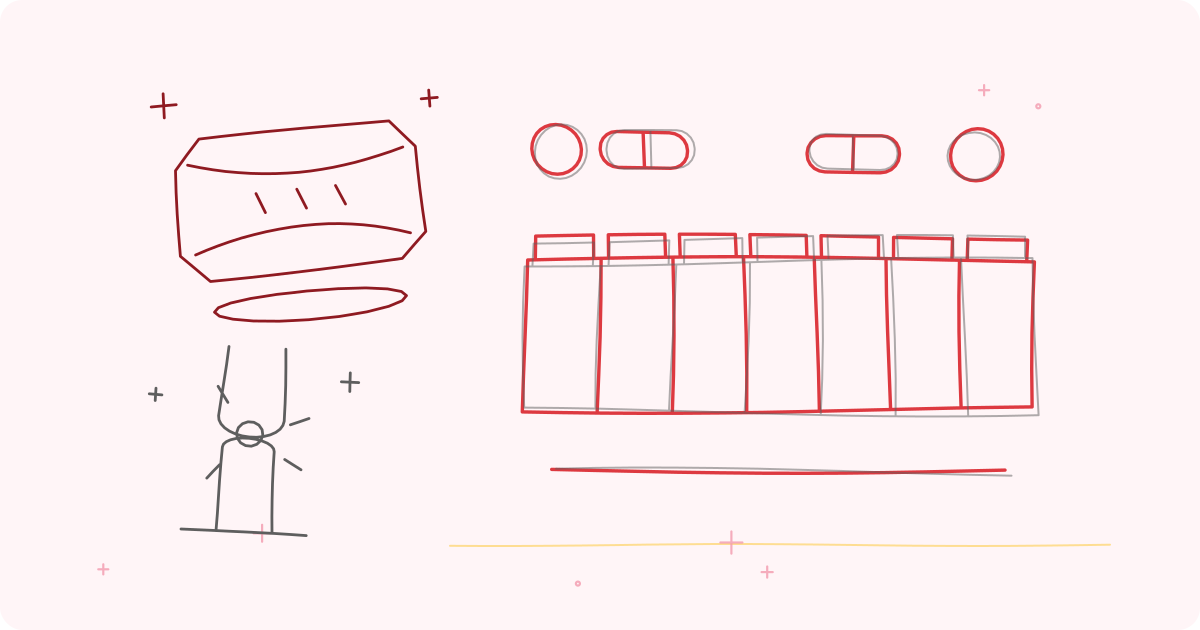
What a cervical collar is, and the types
Soft foam collar. A cushion of soft foam wrapped around the neck with Velcro. It offers gentle support, warmth and a reminder not to turn the head sharply. It does not truly immobilise the neck.
Firm or semi-rigid collar. Plastic with padding, such as Philadelphia-style collars, used after injuries or surgery, as prescribed.
Hard collar and braces. Used for fractures, post-surgery and instability, prescribed and fitted by a doctor or orthotist.
Emergency collars used by paramedics, not for home use.
Travel pillows and neck rolls. Not collars, but used for support in a car or train; see neck pillow guide.
When a collar may help
- A short period (a day or a few days) of acute muscle strain, with severe spasm, where a soft collar gives relief while you keep moving the neck gently. Many guidelines recommend avoiding collars for common neck pain, since they delay recovery. A doctor or physiotherapist can advise whether to use one at all.
- Under medical direction, after a fracture, surgery, or for a specific condition, a firm collar for a specified time.
- Night comfort in some people with severe nerve root pain, for a limited time.
- Travel, as a reminder to avoid sudden head movements, with advice.
When a collar is not appropriate
- For long-term use for chronic neck pain.
- When red flags are present.
- When the neck has not been assessed after injury.
- In people who need to turn their heads to see and walk safely (poor vision, balance problems), since restricted neck movement raises the risk of falls.
- When it makes breathing, swallowing or sleeping difficult; collars can press on the throat.
- When skin is fragile or broken.
- For pain that comes from the shoulder, jaw or heart.
How to use a soft collar if advised
1. Measure the neck circumference and the height from chin to collarbone, as the chart says. The collar should support the chin and sit comfortably on the collarbone and the base of the skull, without pressing on the throat. 2. Fit it snugly, not tight. Check that you can breathe and swallow comfortably, and place a finger between collar and neck. 3. Wear a cotton layer under it to protect skin and absorb sweat. 4. Limit wear to the time advised, often a few hours a day or only at night for a few days. 5. Take it off to move the neck gently, as taught, and to wash the skin; check the skin for redness and pressure marks. 6. Keep the collar clean; wash the cover. 7. Stop using it as soon as the worst pain eases, and increase gentle movement. 8. Do not use the collar while driving; restricted neck movement affects safe driving.
What usually helps more
Gentle movement. Slowly turning and tilting the head within comfort, and shoulder rolls. A physiotherapist can teach neck exercises, including chin tucks and strengthening of the muscles around the neck and shoulder blades; see stretching for stiff older bodies and exercise with arthritis.
Posture. Raise books, tablets and phones to eye level; sit with the back supported and shoulders relaxed; take breaks every 20 to 30 minutes; see phone and remote aids for arthritis and sitting for long hours.
Pillows and sleep. A pillow that keeps the neck in line with the spine, not too high or flat; avoid sleeping on the stomach; see neck pillow guide, pillows for side sleepers and shoulder pain and sleep problems in older adults. A very high stack of pillows strains the neck. Those who sleep on a wooden cot with a hard pillow may need a softer, shaped pillow.
Heat. A warm pack or shower on tight muscles, for short periods and with protection for skin; see heat or cold for joint pain and hot pack safety for older skin.
TENS. Some people find it helpful; ask a doctor first, especially if you have a pacemaker or heart rhythm problem, and do not place electrodes on the front of the neck; see TENS units for pain.
Medicines. Check with a doctor or pharmacist before taking painkillers or muscle relaxants, which have particular risks in older adults; see painkillers and older adults.
Carrying loads. Avoid carrying heavy loads on the head or shoulders; share weight or use wheeled bags.
Stress and mood. Tension tightens the neck; relaxation and breathing help; see breathing techniques for relieving stress and anxiety.
Vision and hearing. Poor eyesight makes people crane the neck; check glasses; see reading glasses vs bifocals for seniors.
Falls and safety
Neck stiffness and pain can reduce the ability to look around safely. Take extra care on stairs and when crossing roads; see falls risk assessment at home. If dizziness occurs when turning the head, see a doctor; see vertigo, BPPV and balance.
When to ask a professional
See a doctor for neck pain with any red flag, after an injury, with arm symptoms, if pain lasts beyond a few weeks, or if you are unsure. A physiotherapist can assess neck movement, teach exercises and posture and advise whether a collar has any role. An orthopaedic or spine specialist or neurologist is needed for suspected cord or nerve compression. A pharmacist can advise about medicines and skin irritation. In an emergency, call for an ambulance.
Equipment mentioned in this guide
Frequently asked questions
Should my mother wear a neck collar for stiffness?
Usually not for long. A soft collar may be used for a day or two in acute pain, but prolonged use weakens muscles. Gentle movement and posture changes often help more. Ask a doctor first.
Is neck pain with tingling in the hand serious?
It may mean a pinched nerve in the neck and needs medical assessment. If there is weakness, clumsy hands or difficulty walking, seek prompt care.
What pillow is best for neck pain?
One that keeps the neck in line with the spine, neither too high nor too flat, and fits the way you sleep. Try different heights and shapes; avoid several stacked pillows.
Can I use a hot pack on the neck?
A warm pack for short periods with a cloth barrier can ease muscle tightness. Check skin often, avoid sleeping on it and ask the doctor if you have reduced sensation.
Sources and further reading
- NICE Clinical Knowledge Summaries, Neck pain: cervical radiculopathy and non-specific neck pain
- American Academy of Orthopaedic Surgeons, OrthoInfo patient information on neck pain and cervical spondylosis
- Chartered Society of Physiotherapy, patient information on neck pain
- World Health Organization, World report on ageing and health (2015)
Tags: cervical collarneck pain elderlycervical spondylosisneck braceneck pillowneck stiffnessJoint and pain supportSoft cervical collarCushions, pillows and comfortHealthy ageing
This article is for general education and is not medical advice. Speak to your doctor before changing your exercise, diet or medicines.