Step one: look at the person
Ask these questions and note the answers.
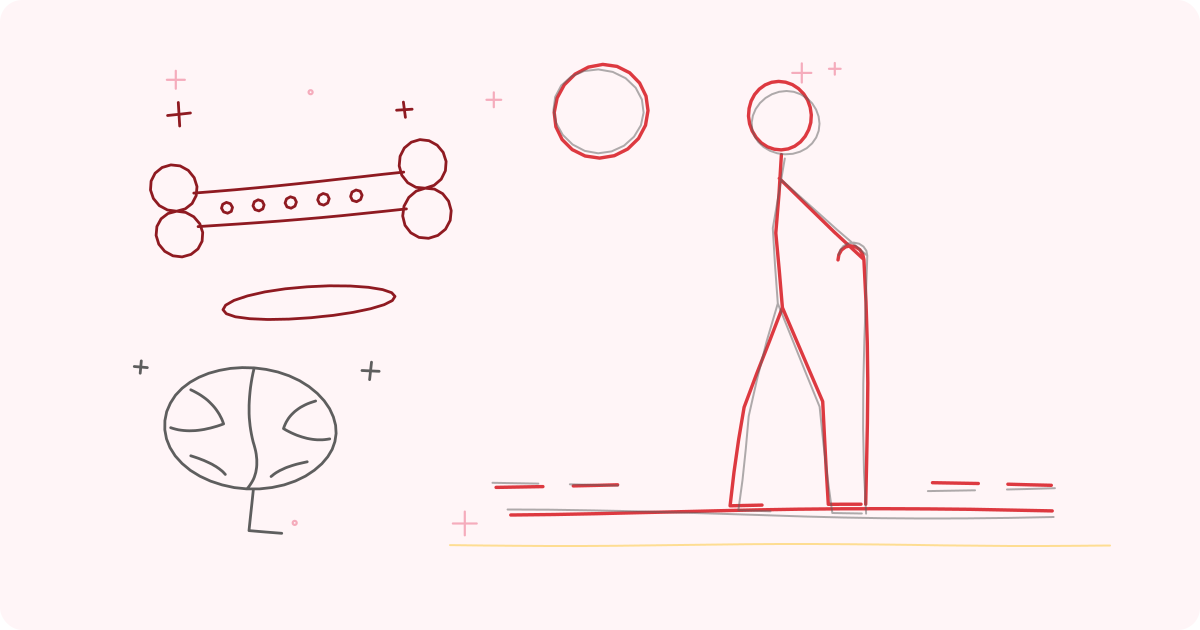
History - Has your parent fallen in the last year? How many times, where, when, and what happened? Did they black out, feel dizzy or trip? - Do they fear falling? Do they avoid stairs, outings or the bathroom because of it? - Have they had near-falls, grabbing furniture or walls? - Have they had a fracture, or are they at risk (osteoporosis)? See osteoporosis home care guide.
Body and balance - Stand up from a chair without using hands: can they do it five times quickly? Difficulty suggests weak legs. - Stand with feet together for ten seconds, then one foot slightly in front of the other, and then on one foot if safe, with you close and a stable surface to hold. Poor balance suggests risk. - Walk across the room: is the pace slow (less than about 0.8 metres per second, or taking more than about 12 seconds for 10 metres), shuffling, wide-based, or does the person need furniture? Does the person stop talking when walking? - Do they use a stick or frame, and is it the right height and in good condition? See how to choose a walking stick and how to use a walking frame correctly. - Dizziness on standing: do they feel faint after getting up? See dizziness and low blood pressure when standing. - Feet: pain, numbness, deformity, long nails or foot ulcers; see diabetic foot ulcers prevention and neuropathy and balance.
If these tests are hard or unsafe to try, skip them and ask a physiotherapist. A formal gait and balance check by a physiotherapist is useful; see physiotherapist gait assessment and falls in older persons: risk factors and prevention.
Step two: health conditions and medicines
Many conditions raise risk: stroke, Parkinson's disease, dementia, arthritis, diabetes, heart rhythm problems, low blood pressure, anaemia, vertigo, urinary urgency, poor vision and depression. See parkinsons freezing and falls, dementia home setup, vertigo, BPPV and balance and stroke recovery at home guide.
Medicines: several types can cause drowsiness, dizziness, low blood pressure or confusion, especially when four or more are taken together. Sleeping tablets, some blood pressure and heart medicines, water tablets, some pain, anxiety, allergy and mood medicines and alcohol are examples. Do not stop or reduce any of them yourself. Instead, make a complete list of everything taken (including herbal products and over-the-counter items), and ask the doctor or pharmacist for a medicine review; see polypharmacy and deprescribing and medicine side effects families should watch.
Other body checks to ask a doctor about: blood pressure lying and standing, heart rhythm, blood sugar, vitamin D and B12, bone health, bladder and bowel problems, foot problems and memory. See calcium and vitamin d guide.
Step three: senses, footwear and habits
- Vision: when was the last eye test? Cataract, glaucoma and wrong spectacles raise falls risk. Multifocal lenses can be risky on stairs; ask the eye doctor. See cataract and glaucoma home care and hearing and vision checkup schedule.
- Hearing: loss can reduce awareness and balance; see hearing loss home care guide.
- Footwear: look for firm, flat, closed shoes with grip soles and a secure fastening; avoid loose slippers, socks alone on tiles, high heels and worn soles. See choosing shoes for older feet.
- Clothing: trousers or saris that trail on the floor, loose dressing gowns and long lungis can catch feet.
- Alcohol and night-time habits: evening drinks and heavy late meals raise risk.
- Rushing: hurrying to the toilet, the door or the phone is a common cause.
- Fluids and food: dehydration and missed meals cause dizziness; see hydration for older adults.
- Activity level: inactivity weakens muscles; see balance exercises for seniors and chair exercises for seniors.
Step four: walk the home, room by room
Walk through at different times of day, and again at night, as your parent does. Look for hazards and fix the biggest first.
Entrance and outdoors - Steps with uneven or broken edges, wet moss in monsoon, loose paving; no handrail; poor light; a high threshold; slippery doormat. - Fix: repair steps, add rails and bright lights, mark step edges, add a non-slip mat that is firmly fixed.
Living areas and passages - Loose rugs, curled carpet edges, door mats, trailing electric cables, low tables, clutter and pets underfoot; slippery polished marble or tile; uneven floor levels; low sofas that are hard to rise from. - Fix: remove or fix rugs, clear paths at least 90 cm wide, tidy cables, raise seating or add a firm cushion, use a non-slip floor treatment. See flooring, rugs and trip hazards and living room and seating setup.
Kitchen - Frequently used items stored too high or too low, wet floors, step stools, lack of seating; see kitchen setup for seniors and kitchen safety for older adults. - Fix: move daily items to waist-to-shoulder height, wipe spills at once, avoid climbing; use a reacher; see reacher grabber guide.
Bathroom and toilet (the highest-risk room) - Wet slippery floors, no grab bars, a high bath edge, low or unstable toilet seat, a squat toilet that is hard to use, hot water scalding, poor light and doors that open inward. - Fix: non-slip flooring and mats, grab bars fixed to the wall, a shower seat, a raised toilet seat or commode, good lighting, a door that can be opened from outside; see bathroom safety checklist for seniors.
Bedroom - Low or soft bed, no light within reach, clutter, a long path to the toilet, loose bedding. - Fix: a bed at knee height, a lamp or motion night light, clear floor, a commode if the toilet is far, a phone or pendant within reach; see bedroom setup for night safety, night-time toilet trips and falls and motion night lights for seniors.
Stairs - Poor light, one handrail or none, worn or loose treads, objects on steps, steps that are too narrow or too steep. - Fix: rails on both sides, bright light and switches at both ends, marked step edges, nothing stored on steps; see handrails and stair lifts and ground floor vs upper floor living.
Lighting generally - Dim bulbs, glare from windows, dark corridors, switches hard to reach. Use bright even lighting, night lights and switches near doors; see reading lamp and lighting for older eyes.
Seasonal risks in India: wet floors in monsoon, slippery verandas, cold-weather stiffness, heat dizziness, load-shedding at night (keep a torch and an emergency light), festival crowds and visitors' footwear on floors.
For a professional review, ask for an occupational therapist's home visit; see occupational therapy home assessment and monthly home safety check.
Step five: make a plan
1. Score the risks: note each risk you found in three groups: person (balance, strength, vision, medicines), health (conditions needing review) and home (hazards). 2. Fix the quick, cheap things this week: rugs, lighting, clutter, footwear, spectacles. 3. Book the appointments: doctor for medicine and blood pressure review, eye test, hearing test, foot check and, if needed, physiotherapy. 4. Start strengthening and balance exercises as the doctor or physiotherapist advises; these are the best single measure to reduce falls; see 14 best exercises for seniors for strength, flexibility and balance. 5. Add safety equipment where needed: grab bars, a shower seat, a raised toilet seat, a walking aid, hip protectors if advised and an alert system; see panic pendant buying guide and fall detection watch guide, and remember that no device can promise to prevent a fall or assure rescue. 6. Agree a plan for a fall: where the phone is, who is called, what to do; see what to do after a fall, how to get up after a fall and long lie after a fall. 7. Review every three to six months, and after any fall, hospital stay or medicine change.
After a fall: when to act
Do not rush the person to stand. Check for pain, injury and head knock first.
Call 112 if the person is unconscious, confused or drowsy, has a head injury (especially if on blood thinners), cannot move a limb, has severe pain, a deformed limb, heavy bleeding, chest pain, breathlessness, one-sided weakness or speech change, or cannot get up and you cannot lift safely. See a doctor the same day after any fall with new pain, bruising on a blood thinner or if the cause is unclear (a fall with dizziness, blackout or palpitations needs prompt medical review). Report every fall to the doctor, even without injury, because it signals a risk.
When to ask a professional
A doctor reviews medicines, blood pressure, heart, bones and other causes. A physiotherapist assesses gait and balance and designs an exercise plan. An occupational therapist advises on the home and equipment. An optometrist or eye doctor checks vision. A podiatrist looks at feet. For senior services, call Elderline 14567. In an emergency, call 112.
Equipment mentioned in this guide
Frequently asked questions
My father has never fallen. Is a falls assessment needed?
It is still useful. Finding weak balance, medicines or hazards early prevents the first fall, which is often the one that causes injury.
Should we stop his tablets if they cause dizziness?
No. Tell the doctor about dizziness. Only the doctor should change or stop medicines.
Do rugs and mats need to go?
Loose ones are a leading trip hazard. Remove them, or fix them firmly with non-slip backing and flat edges.
Will an alarm pendant prevent falls?
No. It can help summon help after a fall if the person wears it and can use it, but it does not prevent falls or ensure rescue.
Sources and further reading
- NICE guideline NG249, Falls: assessment and prevention in older people and in people 50 and over at higher risk
- World Health Organization, Step safely: strategies for preventing and managing falls across the life-course (2021)
- Indian Association of Geriatric Medicine and Association of Gerontology (India), public information on falls prevention
- World Falls Guidelines for prevention and management of falls in older adults (2022)
Tags: falls risk assessmentfall preventionhome safetyolder adultsbalancetrip hazardsConditions and devicesMotion-sensor night lightBathroom and toilet safetyMobility and walking aids
This article is for general education and is not medical advice. Speak to your doctor before changing your exercise, diet or medicines.