What happens when we stand
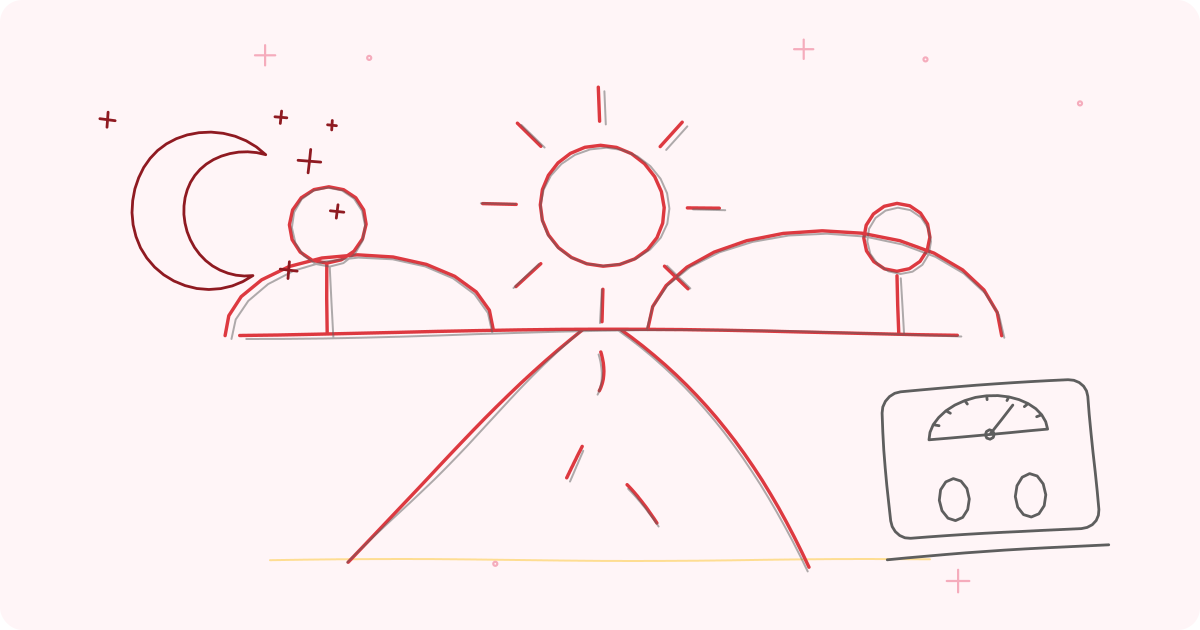
When we stand up, gravity pulls about half a litre of blood into the legs and belly. Normally, the body reacts within seconds: blood vessels tighten, the heart beats faster and blood pressure is held steady. With age these reflexes slow. Blood vessels are stiffer, the heart responds less briskly, thirst and fluid balance are less reliable, and nerves that control blood pressure may be damaged. If the reflex lags, blood pressure falls and the brain is briefly short of blood, causing dizziness, blurred or dimmed vision, weakness, nausea, a heavy head, a "swimming" feeling, or fainting.
Definition used by doctors: a fall in the top (systolic) reading of at least 20 points, or the lower (diastolic) reading of at least 10 points, within about three minutes of standing. Some people have symptoms with smaller drops; others have a drop and no symptoms but are still at risk.
Symptoms to watch for
- Dizziness, light-headedness or a "grey-out" on standing, after sitting up in bed or climbing stairs.
- Blurred or tunnel vision.
- Weakness in the legs, unsteadiness, buckling knees.
- Neck and shoulder aching, sometimes called "coat-hanger" pain.
- Fatigue, confusion or slowed thinking, particularly after meals or in hot weather.
- Falls, near-falls or fainting (syncope), often after a hot bath, a large meal, a long wait in the queue, or getting up at night to pass urine.
Common causes and contributors
- Dehydration: too little fluid, hot weather, sweating, vomiting, diarrhoea, fever, or drinking less to avoid the toilet; see hydration for older adults: how much and how to remember and heat stroke and dehydration in older adults.
- Medicines: many can lower blood pressure or affect the reflexes, including some blood pressure and heart medicines, water tablets, medicines for the prostate and bladder, some antidepressants, sedatives and sleeping aids, some pain and Parkinson's medicines. Do not stop any of them yourself; a doctor or pharmacist can review timing, doses and alternatives; see polypharmacy and deprescribing: taking fewer, better medicines and medicine side effects families should watch for.
- Prolonged bed rest or inactivity, which weakens leg muscles and reflexes; recovery after illness or surgery.
- Meals: after eating, blood is diverted to the gut, and some people see a drop in blood pressure (post-meal hypotension), especially after large carbohydrate-rich meals.
- Heart conditions: rhythm problems, valve disease, heart failure.
- Diabetes and nerve damage affecting blood pressure control; see peripheral neuropathy and balance.
- Parkinson's disease and other neurological conditions.
- Anaemia, thyroid and adrenal problems, blood loss; see fatigue and anaemia in older adults and thyroid problems in older adults.
- Alcohol; see alcohol and medicines in older adults.
Checking at home: lying, sitting, standing
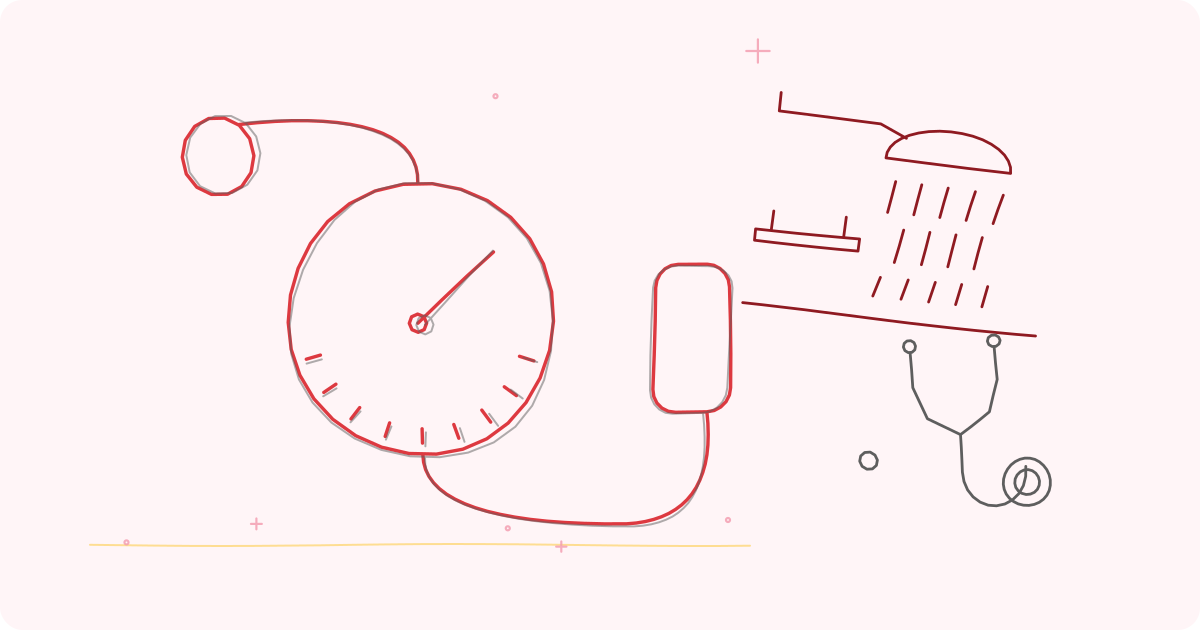
Home measurements help the doctor decide, and many families can do this with a validated upper-arm monitor; see how to measure blood pressure at home accurately and blood pressure monitors: upper arm, wrist and voice models.
1. Rest lying down on the bed for five minutes. Measure blood pressure and pulse; write them down. 2. Help the person to stand with a helper close by and a chair behind, hands free of the monitor if possible. Do not do this alone if there is a fall risk. 3. Measure again after one minute of standing, and again at three minutes, keeping the arm supported at heart level. 4. Ask about symptoms each time: dizziness, vision change, weakness. 5. Stop at once and sit or lie down if the person feels faint. 6. Write the readings with the time, what the person had eaten and drunk, and the medicines taken. Repeat on a few different days, including morning and after meals. 7. Share the log with the doctor; see keeping a blood pressure log and what to tell the doctor.
A drop of 20 points or more in the top number, or symptoms with a smaller drop, is worth reporting. Home readings can vary, so look at patterns.
Habits that help
- Rise in stages: from lying, sit up and stay seated for a minute or two; move legs to the edge, pause; stand with support and wait before walking. Count to ten before moving off.
- Pump the ankles and flex the calves before standing, and clench fists and buttocks, to push blood upward.
- Cross the legs or squat briefly if lightheaded, or sit down at once.
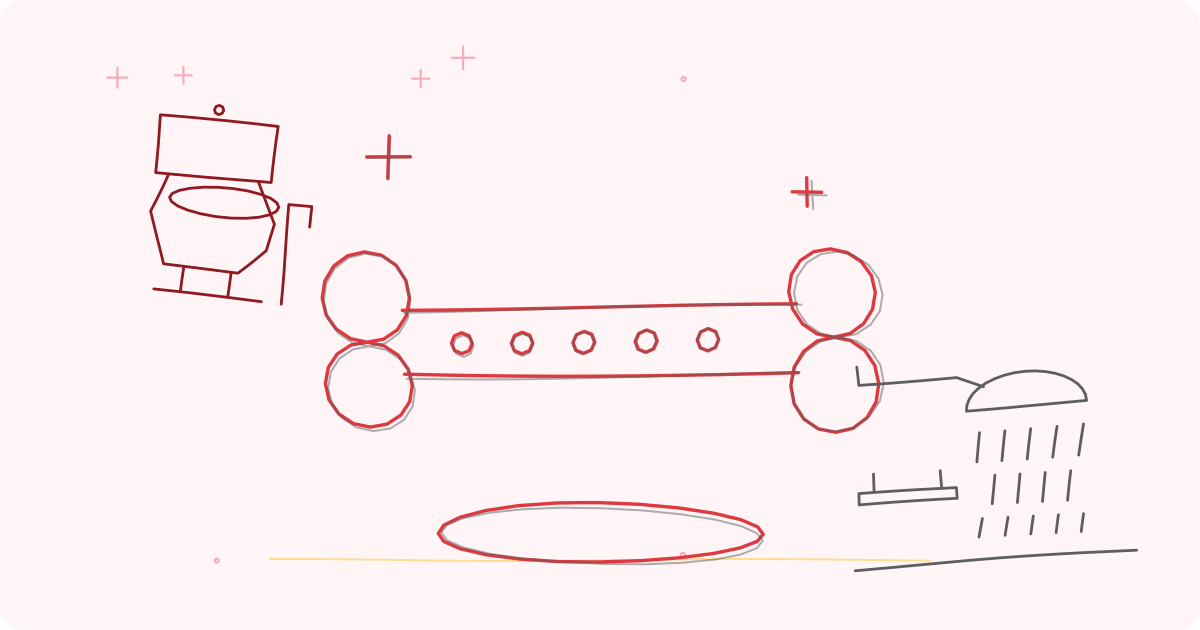
- Avoid sudden standing from the toilet, after bending, from the floor or after a long period of sitting.
- Drink regularly through the day, unless the doctor limits fluids; a glass of water before getting up in the morning helps some people. Spread fluids; do not wait for thirst.
- Eat smaller, more frequent meals and avoid large heavy meals; rest a little after eating; limit alcohol and very sugary foods. Salt is a matter for the doctor, since many older adults with this problem also have high blood pressure or heart disease, and salt advice must be individual.
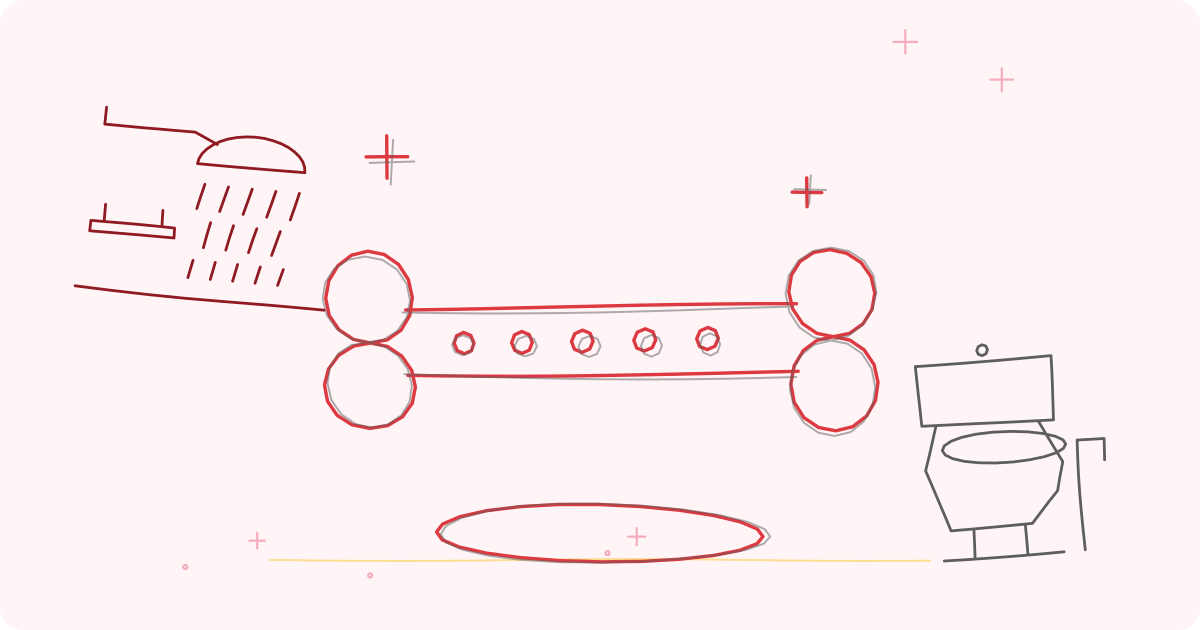
- Avoid hot baths and showers and very hot rooms; use a shower chair and a handheld shower; see bathing safely with a shower chair.
- Night-time toilet trips: sit up for a minute; keep a commode or urinal beside the bed if needed; see night-time toilet trips and falls and commode chair guide.
- Stay active: walking, leg exercises and strength training improve circulation and muscles; see chair exercises for seniors and balance exercises for seniors.
- Compression stockings or abdominal binders are sometimes recommended by a doctor; they must be correctly sized and used only as advised; see compression stockings guide.
Home safety
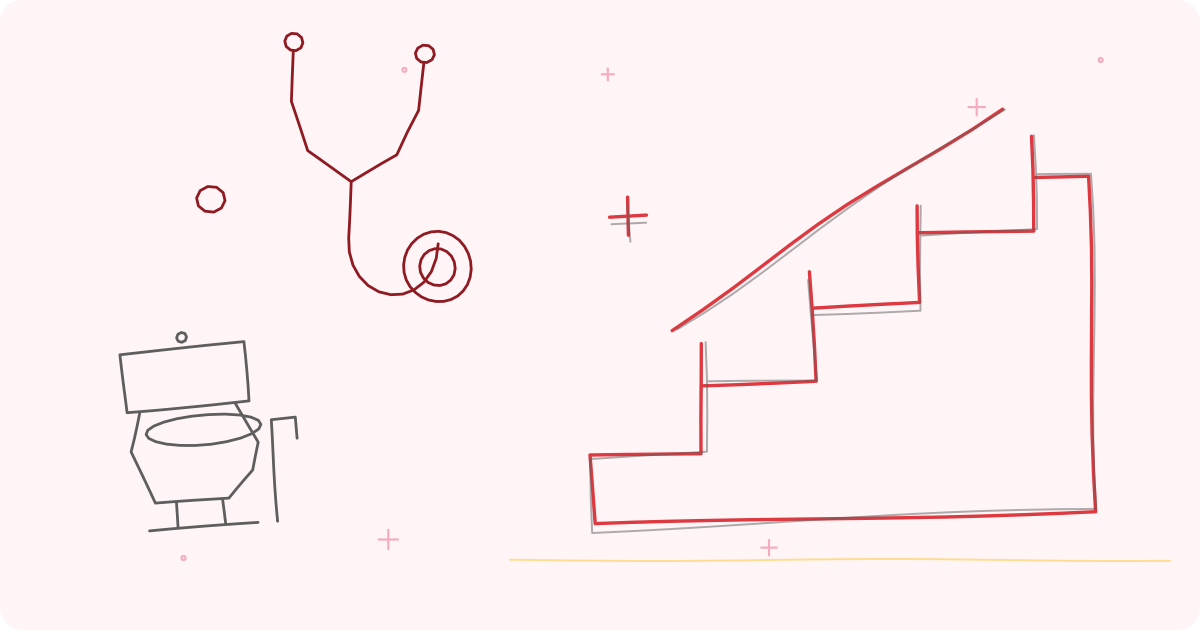
Falls are the real danger. See falls risk assessment at home.
- Light the route from bed to toilet with motion-activated night lights; see motion night lights for seniors.
- Grab bars and rails in the bathroom and beside the bed and toilet; see grab bar buying guide.
- Sturdy chairs with arms, a raised toilet seat if rising is hard; see raised toilet seat guide.
- Non-slip footwear, clear floors, no loose rugs; see flooring, rugs and trip hazards.
- A walking aid if recommended; see stick or walker: which one does my parent need?.
- A way to call for help: a phone within reach, a pendant or alert device; see panic pendant buying guide.
- Do not leave a person who has had a faint alone for the first hour or so.
What to do during an episode
1. Sit or lie down at once, with legs raised if lying, which helps blood return to the brain. 2. Do not try to walk it off. Wait until the feeling passes, then rise slowly. 3. Give water if the person is alert and can swallow. 4. If they faint, lay them flat, raise the legs and check breathing; they usually recover within a minute. Do not sit a fainted person up; do not give food or drink until fully alert. 5. Check for injury, especially head injury, and measure blood pressure and pulse if you can. 6. Tell the doctor about every faint, even if the person recovers.
When it needs a doctor: red flags
Call 112 or go to hospital at once for: - Fainting with chest pain, palpitations, breathlessness or a very slow or irregular pulse. - Faint with head injury, or a fall with suspected fracture. - Faint with weakness on one side, facial droop, speech difficulty, severe headache or sudden confusion (possible stroke). - Fainting while lying down or sitting, or without warning, or during exertion. - Black or bloody stools, vomiting blood, or heavy bleeding with dizziness. - Prolonged confusion after a faint, or a fit. - Severe vomiting, diarrhoea or inability to drink with dizziness; see diarrhoea and dehydration in older adults.
See the doctor within a day or two for new or worsening dizziness, repeated falls, home readings showing big drops, symptoms after a medicine change, or dizziness with fever or illness.
What the doctor may do
Ask about symptoms and medicines, measure blood pressure lying and standing, examine the heart and nerves, and arrange tests such as blood tests (sugar, blood count, kidney function, thyroid), an electrocardiogram, a heart rhythm monitor or an echocardiogram if the heart is suspected. They may review and adjust medicines, advise fluids and meals, recommend stockings or exercises, and treat underlying conditions. Some people are offered other treatments by specialists.
Supporting someone with dementia or poor communication
People who cannot describe dizziness may become unsteady, sit down suddenly, hold furniture, refuse to stand, fall or become irritable. Watch behaviour, check blood pressure, and supervise standing. See confusion, hallucinations and sudden change: when to call.
When to ask a professional
Ask the doctor to measure lying and standing blood pressure and review medicines, hydration, heart and nerve causes. Ask a pharmacist about medicines that may contribute. Ask a physiotherapist for strength and balance exercises. Ask an occupational therapist for a home safety check; see occupational therapy home assessment. Seek urgent help for faints with chest pain, stroke signs or injury.
Equipment mentioned in this guide
Frequently asked questions
Why does my father feel dizzy every time he gets up from bed?
Blood pressure may drop when he stands. Check lying and standing readings, get up in stages, drink regularly and ask the doctor to review medicines and causes.
Is low blood pressure always dangerous?
Not always, but symptoms on standing, falls or fainting need attention. Do not stop prescribed medicines yourself.
Should my mother drink more water?
Often yes, unless the doctor has limited fluids because of heart or kidney problems. Spread drinks through the day.
Do compression stockings help?
They help some people but must be fitted properly and used only on a doctor's advice, since they are not suitable for everyone.
When is a faint an emergency?
With chest pain, palpitations, stroke signs, head injury, breathlessness or no warning. Call 112.
Sources and further reading
- National Institute for Health and Care Excellence, NG249 Falls: prevention, assessment and management in older adults
- European Society of Cardiology, guidelines for the diagnosis and management of syncope
- British and Irish Hypertension Society, guidance on blood pressure measurement and postural hypotension
- World Health Organization, World report on ageing and health (2015)
Tags: postural hypotensiondizziness on standinglow blood pressure elderlyfaintingorthostatic hypotensionfalls preventionConditions and devicesDigital blood pressure monitor (upper arm)Health monitoring devicesBathroom and toilet safety
This article is for general education and is not medical advice. Speak to your doctor before changing your exercise, diet or medicines.