Before the bath: get the room ready
Most problems can be prevented in the two minutes before the bath starts.
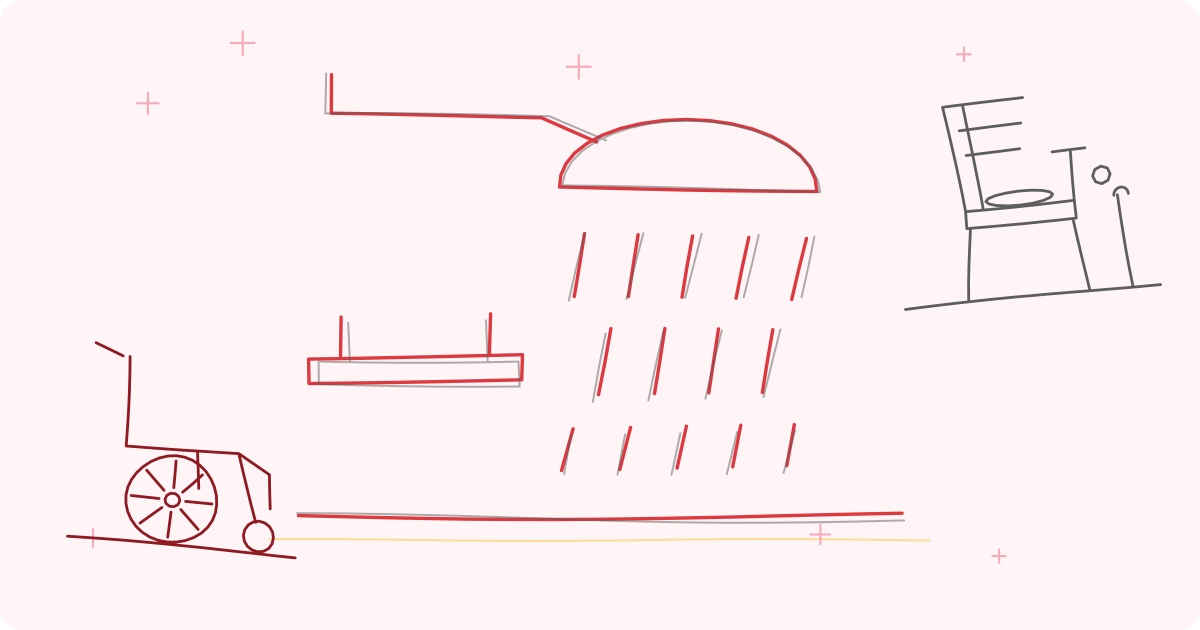
- Gather everything first. Towels, clean clothes, soap, shampoo, a flannel or sponge and any creams should be within reach, not across the room. Hang the towel on a hook near the shower, not on a rail that will be grabbed.
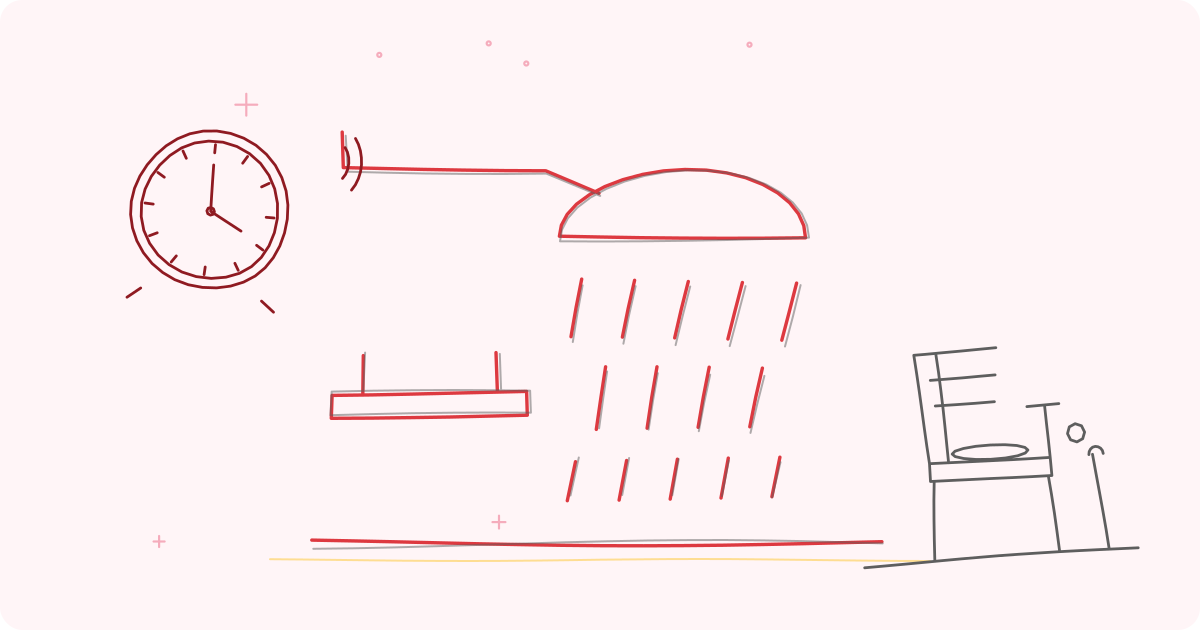
- Warm the room. Older people chill quickly. Run the hot tap for a minute, or use a heater safely away from water, so the room is not cold when the clothes come off. See safe use of heaters and geysers.
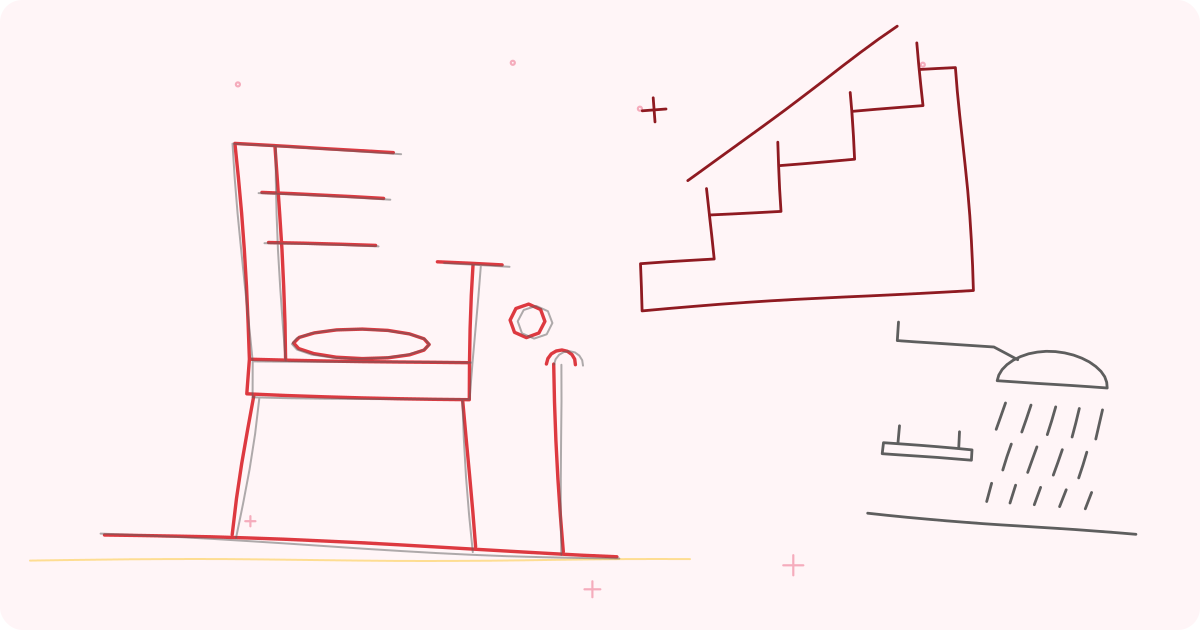
- Check the chair. Make sure the legs are all set at the same height and clicked fully into place, the feet are firm and the chair does not rock. Place it on the flattest part of the floor.
- Check the floor. A non-slip mat or treatment outside the shower stops a wet foot slipping on the way out. Wipe up any puddles.
- Check the lighting and ventilation. Turn on the light and the exhaust fan.
- Clear the path. Remove buckets, stools and anything on the floor.
- Close the door, but not the lock. Give privacy but never lock.
- Support available. Make sure a grab bar or the chair's arms are in reach at the time of sitting and standing.
Setting the water
Water temperature is a quiet danger. Older skin is thin and may not sense heat quickly, and some people with diabetes or nerve damage cannot feel heat in their feet at all. Set up the water first with cold and hot mixed, and test it on the inside of your own wrist or with a bath thermometer. It should feel warm, not hot. Many care guides suggest a bath temperature around 37 to 40 degrees Celsius; if you are unsure, go cooler rather than hotter. Do not let your parent adjust the taps while sitting under the spray unless you are sure they can judge the temperature. See hot water and scald safety.
A handheld shower is far safer than a fixed head for a seated bather. It lets the water be directed at the body without moving the person, and lets you keep it away from the face. With a bucket, use a mug and a stool for the bucket, placed within comfortable reach, and fill the bucket with water at the right temperature before the person sits down.
Getting onto the chair
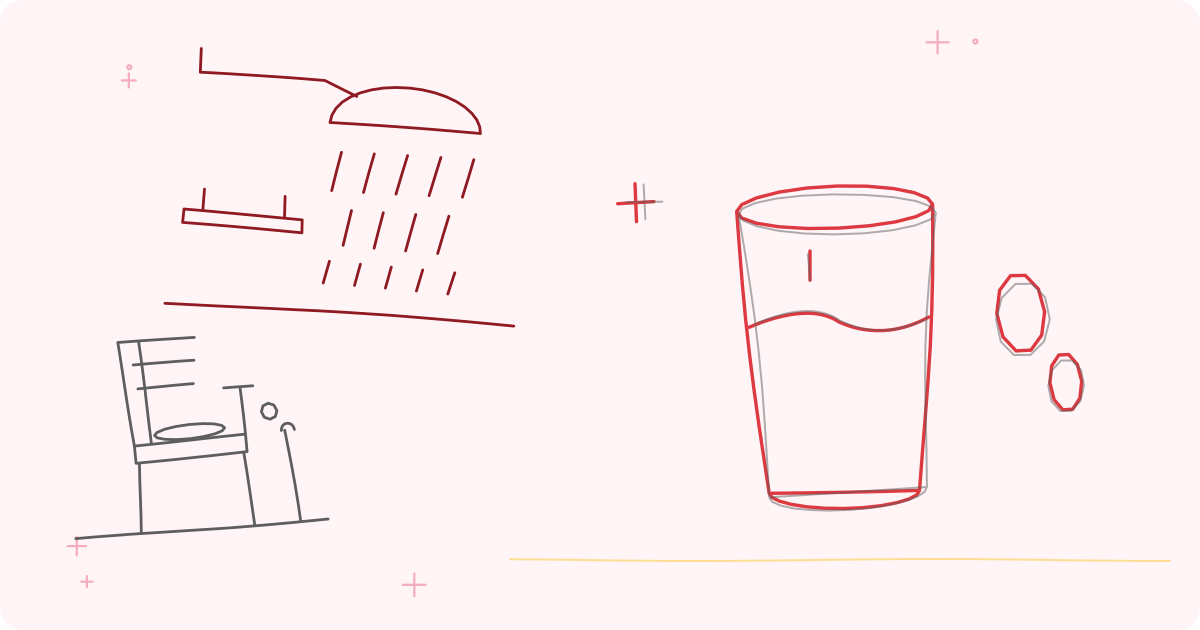
This is the moment of highest risk, so take it slowly.
1. Undress while seated, if possible. Many falls occur when a person is standing on one leg to take off trousers. Sit on a dry chair or stool outside the shower, undress, then move to the shower chair. 2. Walk to the chair with a hand on a support. If your parent uses a walker or stick, keep it in reach but outside the water. 3. Turn so the backs of the legs touch the chair. The person should feel the seat against them, not guess where it is. 4. Reach back for the seat or arm with both hands, one at a time, and lower slowly. 5. Sit well back. The hips should be towards the back of the seat, not perched on the edge. 6. Pause before starting the water, to let the dizziness settle if there is any.
If your parent is using a transfer bench in a tub, the sequence is slightly different, with a swing of the legs over the side.
A carer helping should stand where they can reach the person but are not in the way, and use a transfer belt if it has been recommended. Avoid pulling on the person's arms. See how to lift and transfer safely for the carer's own back.
Washing: a sensible order
Work from clean to less clean, top to bottom, and keep warm.
1. Wet the body gently, starting with the shoulders and legs rather than the head, so the person adjusts to the temperature. 2. Wash the face first, if they wish, using a flannel rather than the spray. 3. Hair. Many people dislike water on the face. Tilt the head back slightly or use a hand to shield the eyes. A rinse-free shampoo or a hair wash at another time is fine if a full wash is tiring. 4. Arms, chest and back. A long-handled sponge or a loofah with straps helps with the back. 5. Legs and feet. A seated person can lift one foot at a time onto a low stool or a non-slip foot rest, or use a long sponge. Check between the toes, particularly if there is diabetes; see diabetic foot care at home. 6. Private areas last, done by the person if possible, with the carer's help only if needed. See dignity in intimate care. 7. Rinse well so no soap remains, since leftover soap irritates thin skin and makes the seat slippery.
Keep the bath short. Ten to fifteen minutes is enough for most people. Watch for signs of tiredness: pallor, sweating, breathlessness, confusion or a sudden quiet.
Drying, dressing and getting up
- Turn off the water before standing. Do not stand up with the shower running.
- Wrap a warm towel around the shoulders first and let the water drip off for a moment.
- Dry the seat and the nearby floor if you can.
- Dry seated. Patting dry the top half while sitting is safer than standing wet and wrapped in a towel. Dry well in skin folds, between the toes and under the breasts or belly to avoid fungal rashes.
- Moisturise after drying if advised by a doctor, but keep the feet dry and avoid slippery creams on the soles before walking.
- Stand with a pause. Ask your parent to sit upright for ten seconds, then stand with a hand on a grab bar. Wait before walking, to allow any dizziness from the warm water to pass. See dizziness and low blood pressure on standing.
- Dress seated on a dry chair or the bed edge. A dressing aid may help those with stiff joints.

If your parent resists or feels anxious
Some people dislike sitting in the shower. They may feel exposed, be afraid of falling or think it signals the end of independence. It helps to:
- involve them in choosing the chair and where to put it;
- allow time to practise on a dry day, with clothes on;
- call it a "shower seat" rather than a medical thing;
- offer a towel or robe over the lap for privacy;
- let them wash what they can by themselves.
For persistent refusal or confusion, see bathing a parent who resists and managing a parent who refuses help.
Tips for the carer
- Stand beside rather than in front when the person gets up, and keep your feet apart and your back straight.
- Wear non-slip footwear.
- Use the handheld shower yourself so that your hands are free.
- Tell the person what you are going to do before you do it.
- Never leave a person who is unsteady, drowsy or confused alone in the shower.
- Keep the bathroom door open a crack or stay within earshot for those who can bathe alone but may need help.
- Wash your hands after any bathing; see infection control for home caregivers.
Common mistakes
- Leaving the chair with legs at different heights.
- Placing the chair on the sloping drain area so it tilts.
- Using soap that leaves a film on the seat and making it slippery.
- Letting the person stand in the shower to rinse their hair.
- Leaving a loose bath mat on the floor outside.
- Bathing a person right after a heavy meal or when they have just taken a medicine that makes them drowsy.
- Using extremely hot water in a small, steamy room.
- Rushing.
When to ask a professional
An occupational therapist can watch your parent bathe and fine-tune the equipment and the routine, and can teach a carer safe methods, especially after stroke, joint replacement, with Parkinson's disease or dementia. A nurse can advise on skin care and on bathing someone with a wound, catheter or skin condition. Speak to a doctor if your parent becomes faint, breathless or confused during bathing, or if you notice new bruises, sores or redness while washing.
Equipment mentioned in this guide
Frequently asked questions
How long should a seated shower take?
Usually ten to fifteen minutes. A shorter wash is fine for a tired person. If your parent tires easily, split the wash, doing the top half one day and the legs and feet another time.
Should my parent shower every day?
Not necessarily. Daily washing of the face, hands, underarms and private areas matters more than a full bath. Older skin can dry out with too many hot showers. Ask your doctor or nurse for advice on how often is right for your parent.
Can my parent be left alone in the shower?
Some can, with a safe set-up and a way to call for help. Others, such as those with dementia, fainting, seizures or poor balance, should have someone close by. An assessment can help you decide.
What should my parent wear while bathing?
Some people feel more comfortable in light swimwear or a thin cloth. It is a personal choice. Wet clothes are slippery, so avoid long robes that trail on the floor.
Sources and further reading
- World Health Organization, World report on ageing and health (2015)
- Royal College of Occupational Therapists, guidance on bathing and personal care equipment
- NHS information for carers on helping someone wash and bathe
- NICE guideline NG249, Falls: prevention, assessment and management in older adults and adults at higher risk
Tags: bathing with shower chairseated bathhow to use shower chairassisted bathingbath routine elderlycarer bathing tipsBathroom and toilet safetyShower chair with backHealthy ageingElder care
This article is for general education and is not medical advice. Speak to your doctor before changing your exercise, diet or medicines.