
Why people resist bathing
Look for the reason behind the refusal. Common causes include:
- Fear of falling. A slippery floor, a high tub edge, shaky legs or a past fall can make a person terrified of the bathroom.
- Cold. Older people feel cold quickly and may dread being undressed in a chilly room.
- Pain or stiffness. Arthritis, back pain or a sore shoulder can make undressing and moving painful.
- Loss of privacy and dignity. Being seen unclothed, particularly by a child, a daughter-in-law or a paid attendant of the opposite sex, can feel humiliating. In many families and cultures, modesty is deeply held.
- Loss of control. Being told when and how to wash can feel like being treated as a child.
- Forgetting and confusion. In dementia, a person may not understand why they must wash, may not recognise the bathroom or may not recall the steps.
- Misperception of water. A person with dementia may find running water frightening, or not feel the temperature properly.
- Depression and low motivation. Low mood reduces interest in self-care. See depression in older adults.
- Sensory problems. The sound of the shower, the feel of water on the skin or bright lights can be unpleasant.
- Fear of strangers. A new attendant, or an unfamiliar person, may cause anxiety.
- Past experiences. Trauma or distress linked to bathing can resurface.
- Belief that bathing is harmful. Some people believe frequent bathing in winter will cause a cold, or have fixed habits about days and times.
- Medical causes. Pain, urinary infection, delirium or new medicines may change behaviour suddenly.
Think about when it started. A sudden change is a reason for a medical check; a slow change may be dementia or low mood.
First, check the basics
Before trying new techniques, fix practical issues:
- Is the room warm? Warm the bathroom, towels and clothes. A small heater, used safely away from water, or a hot-water run, helps. See safe use of heaters and geysers.
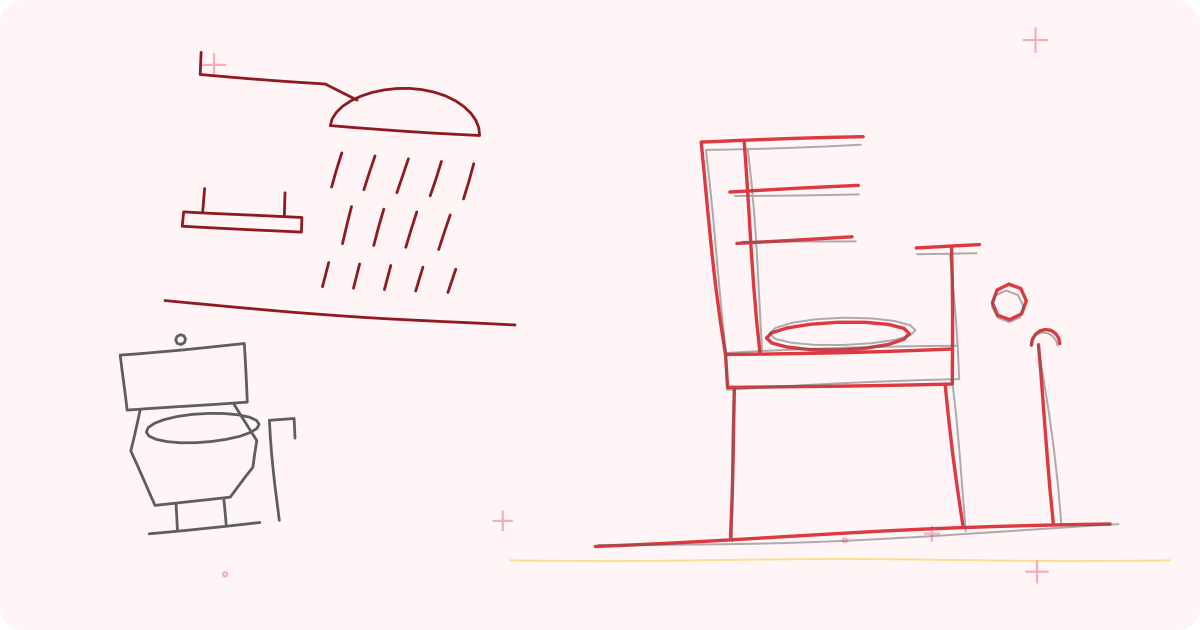
- Is the floor safe? Add a non-slip mat, a shower chair and a grab bar. Feeling safe removes much fear.
- Is the water comfortable? Test the temperature carefully, and avoid very hot or cold water. See hot water and scald safety.
- Is the noise or light a problem? Soften the light, turn off the fan or radio if it is too loud and reduce echo with towels.
- Is anything painful? Ask a doctor about pain relief timing; some people do better after their usual pain medicine takes effect, but follow medical advice.
- Is it the wrong time of day? Choose a time when your parent is rested and calm.
Approaches that often help
Listen and ask. Ask gently why they do not want to bathe, without arguing. "You seem worried about the shower. What is it?" Sometimes the answer is simple, such as "The floor is slippery" or "I am cold".
Offer choices. Let your parent decide when, which soap, which towel, bath or wash at the sink, morning or evening. Choice restores control. Avoid yes or no questions, such as "Do you want a bath?" which invite a no. Try "Would you like to wash now or after tea?"
Use routine. Wash on the same days and times, as part of a familiar routine. Link it with a pleasant event, such as a favourite breakfast afterwards.
Ask someone else. A person may resist a daughter but accept a son, a nurse or an attendant. Others accept a family member but not a stranger. Let your parent choose, if possible. See hiring a home attendant checklist and dignity and consent in care.
Respect modesty. Cover with a towel, wash one part at a time, close the door, and use clothing or a wrap while bathing. Let your parent wash private areas themselves where possible. See dignity in intimate care.
Keep things warm. Warm towels and a robe in reach. A cold, wet person is a miserable person.
Take it slowly. Give time to undress. Do not rush. A calm, unhurried voice helps.
Use simple, kind words. Explain each step before doing it: "I am going to wash your back now." Avoid "bath" if it is a trigger; some prefer "freshen up".
Make it pleasant. Soft music, a favourite soap or fragrance, a cup of tea afterwards, a massage with moisturiser. Use a familiar towel and clothes.
Involve them. Give your parent a flannel to hold, and let them wash what they can.
Praise. Say thank you, and compliment how fresh they look afterwards.
Make the equipment comfortable. A handheld shower lets water stay off the face and head. A padded seat or a folded towel over the chair helps.
Alternatives to a full bath or shower
You do not have to bathe a person fully every day. Skin health and hygiene can be kept with partial washing.
- Daily wash of key areas. Face, hands, underarms, genitals and bottom, and skin folds, daily. A warm flannel and mild soap or wipes. See wipes and perineal hygiene.
- Sponge wash at the sink or in a chair, one part at a time, keeping the rest covered.
- Bed bath for those who cannot go to the bathroom; see bed bath step by step.
- No-rinse products, such as no-rinse body wash and shampoo caps, for days when a full wash is too distressing.
- Hair wash on a different day than the body wash.
- Foot wash and care on another day; see nail, hair and foot care for the dependent elderly.
- Change clothes frequently, even if a full wash is not possible.
- Full shower once or twice a week may be enough for many older adults, with daily partial washes.
Ask a doctor or nurse how often a full bath is truly needed. Overbathing with hot water and strong soap can dry thin skin.
Special points for dementia
For a person with dementia, resistance is a form of communication, and can be very strong. These approaches may help:
- Do not argue about whether they have bathed. Say "Let's get ready for the day" rather than correct them.
- Keep a steady routine and a calm manner. Fear and rush increase resistance.
- Prepare the room first, so the person does not wait unclothed.
- Use few words and one instruction at a time.
- Distract. Talk about a favourite subject, sing a song or hum.
- Watch for signs of distress such as clenched fists, a raised voice or pulling away. Stop, reassure and try again later.
- Do not force. Forcing makes things worse, may cause injury and damages trust.
- Keep the bathroom simple and uncluttered, with contrast colours and good light. See dementia-friendly bathroom.
- Wash at the time of day they are most settled. Many are better in the morning.
- Familiar carers build trust.
- Check for pain or infection.
See also dementia challenging behaviours and caring for a parent with dementia at home.

Looking after yourself
Being refused day after day is exhausting. It can create tension, and some carers raise their voice or feel guilt. Take breaks, share the task with siblings or an attendant and talk to others in a carer support group. If you feel overwhelmed, see caregiver burnout signs and prevention and respite care and taking a break. It is also a good idea to learn safe lifting and positioning; see how to lift and transfer safely.
When it is not just resistance
Be alert to signs that bathing refusal reflects a medical or safety problem:
- Sudden change in behaviour or confusion.
- Pain, swelling or skin damage.
- Strong smell of urine, which may mean infection or incontinence.
- Weight loss, low mood or a lack of interest in other activities.
- New fear of water or of the bathroom.
- Signs of a fall or injury.
In these cases, speak to a doctor. Also check your parent's skin during washing for redness, rashes, pressure areas or wounds; see skin conditions in older adults.
When to ask a professional
Ask a doctor if refusal is new, your parent seems confused, in pain or very low, or if you see skin problems. A nurse can show safe methods for washing and skin care. An occupational therapist can adapt the bathroom and teach techniques. A geriatric specialist or psychologist may help with persistent fear or dementia-related distress. If your parent is a danger to themselves, such as through poor hygiene leading to infection, seek medical help promptly.
Equipment mentioned in this guide
Frequently asked questions
How often does an older person need a full bath?
Many older adults are fine with a full wash once or twice a week, provided the face, hands, underarms, genitals and bottom are washed daily. Ask a doctor or nurse for advice for your parent.
What should I do if my parent says they have already bathed?
Avoid arguing. Say something like "Let's freshen up before lunch", and offer a gentle wash. Keep a routine and note when they last bathed.
Is it acceptable to wash someone who refuses?
Forcing a person is not acceptable and can harm them. Stop, try later with a different approach, and ask for professional advice if hygiene or skin is at risk.
Does bathing at night help?
It depends on the person. Some are calmer in the morning, others in the evening. Observe your parent and choose the time they are least anxious.
Sources and further reading
- Alzheimer's Society (UK), guidance on washing and bathing for people with dementia
- NICE guideline NG97, Dementia: assessment, management and support for people living with dementia and their carers
- World Health Organization, World report on ageing and health (2015)
- Royal College of Occupational Therapists, guidance on personal care and bathing
Tags: elderly refuses to bathebathing resistancedementia bathingbathing a parentpersonal care refusalwashing elderly parentBathroom and toilet safetyShower chair with backIncontinence and hygieneHealthy ageing
This article is for general education and is not medical advice. Speak to your doctor before changing your exercise, diet or medicines.