Why a handheld shower helps
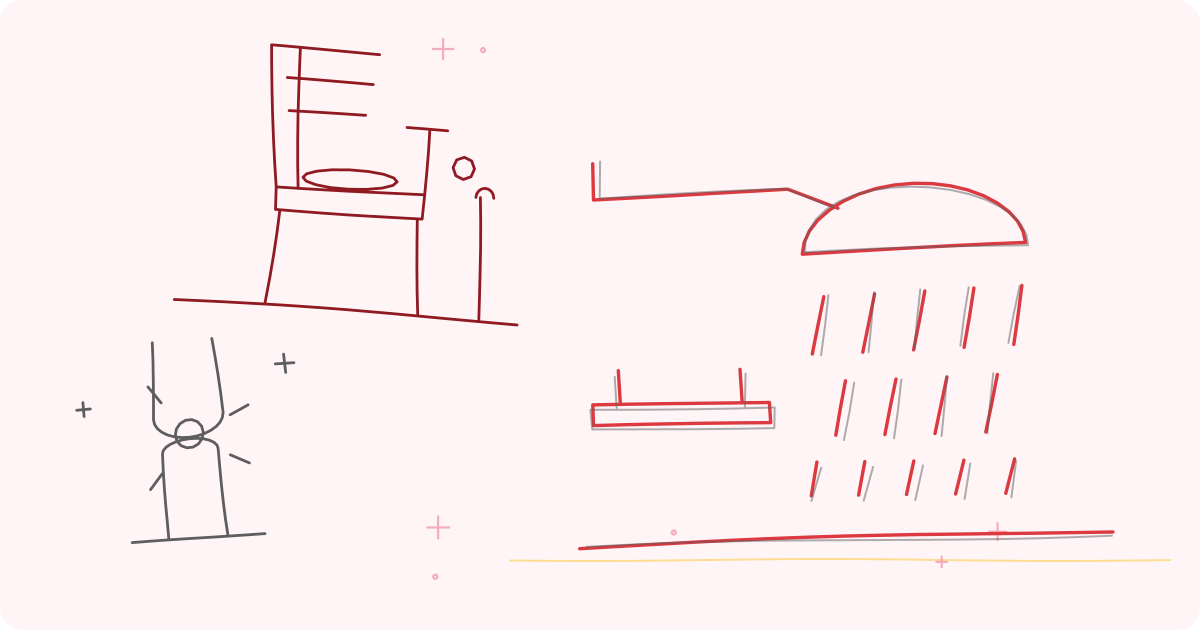
- Seated bathing. A person on a shower chair or bath transfer bench can rinse every part of the body without standing or twisting.
- Control. The user chooses where the water goes, and can keep it off the face, a wound dressing or a catheter site.
- Carers. A carer can wash the person while keeping both feet planted and avoiding leaning over wet floors.
- Less splashing. The spray can be kept close to the body so less water lands on the floor.
- Cleaning. It makes rinsing the chair, the tray and the walls easier.
- Hair washing. Gentle rinsing over the back of the head is easier than standing under a fixed shower.
- Personal care. It helps with rinsing private areas if the person cannot reach well.
Types and set-ups
Handheld on a slide rail. A shower head clipped onto a vertical rail fixed to the wall. It can be slid up or down to suit a person standing, sitting or a carer. The head can be unclipped and used in the hand. It is the most flexible option and is generally recommended. A rail may be fixed at the same time as a grab bar, though a shower rail must not be used as a grab bar unless it is designed and rated for the purpose.
Handheld with a fixed wall bracket. The shower head sits on a simple bracket at a set height. It is cheaper and easier to fit, but the height cannot adjust. A bracket at about 100 to 110 cm from the floor suits a seated bather, but it is too low for standing.
Handheld with a diverter on a tap or a mixer. Some bathrooms have a mixer that can switch between a fixed head and a handheld hose. Check that the diverter works smoothly and does not leak.
Handheld shower on a tap, for homes without a shower. A small shower head with a hose that slips onto a bath tap or a bucket tap. It suits homes without any shower fitting, and can be used with a bucket or tub. Check that the push-fit is tight, as it can pop off under pressure.
Shower with a bucket and mug system. For people who bathe with a bucket, a long-handled mug or a scoop and a stool for the bucket may be the best choice. Where a flexible hose is not possible, a bucket with a tap at the base and a small hose can act like a handheld.
Hair-wash trays and rinsing jugs. For those who cannot sit comfortably, they are an alternative.
What to look for
Hose length. At least 1.5 metres, and 2 metres is better, so the shower can reach the floor from a seated position and the whole body. A short hose will pull on the person or the carer. Choose a hose that does not kink or twist: metal braided or reinforced hoses resist this, while plain plastic hoses can twist and crack.
Weight and grip. A light shower head is easier for weak hands. A large, textured handle helps those with arthritis. Check the head can be held without squeezing a button.
Spray pattern. A soft, wide spray is gentler on thin skin than a hard needle spray. Some heads have several settings. Avoid heads with a sharp, strong jet.
On/off button on the handle. A button that pauses the flow can save water and allow a person to stop the spray to rest or soap up without reaching for the tap.
Flow limiter. Low water pressure is common in older Indian buildings and upper floors. A head with a built-in flow aerator can make a weak flow feel stronger, while one that is too restrictive will produce a trickle. Ask for a head suitable for low pressure.
Material. Chrome-plated brass fittings last longer in hard water. Plastic heads are light but may crack. Check for limescale; hard water blocks nozzles. Some heads have soft rubber nozzles that can be rubbed clean.
Holder. The bracket should hold the head securely at several angles and should not drop it onto the floor or a person. A dropped head can hurt.
Connection to the water supply. Check that the hose thread fits your existing wall outlet, and that there is a washer to prevent leaks. If you are not sure, ask a plumber.
Fitting it in
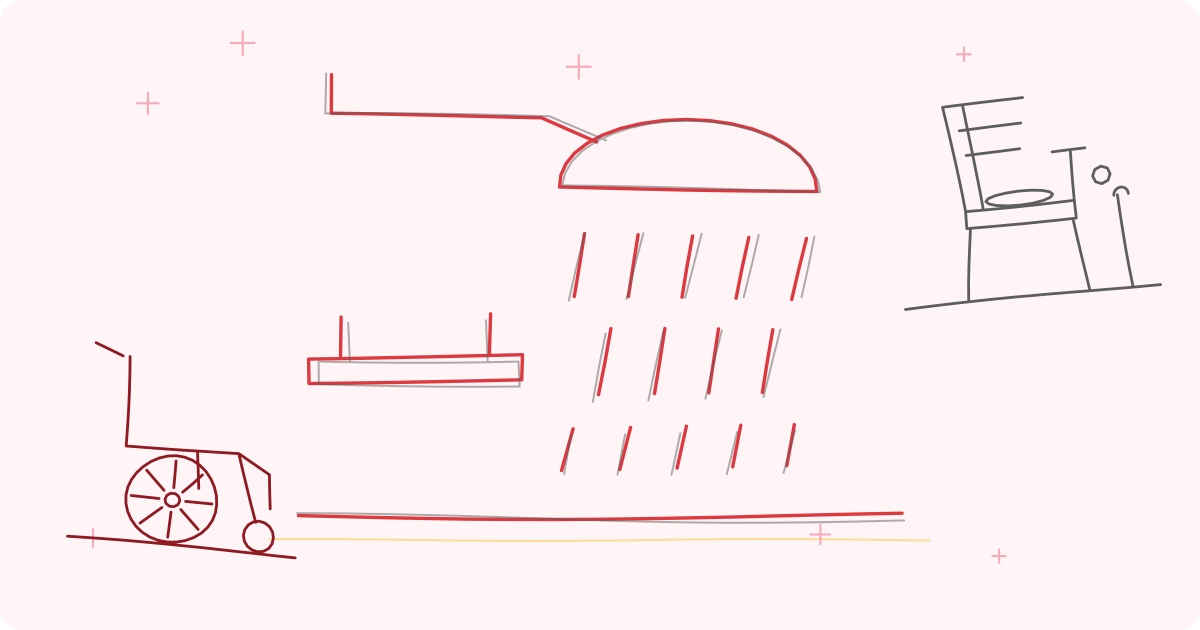
- Plan the height. For a person seated on a shower chair, a bracket or rail at about 100 to 120 cm from the floor allows the head to be clipped at chest level, and the hose reaches the legs.
- Keep controls within reach. The taps, or the mixer, should be reachable from the seat; if not, a carer sets the water before sitting down or the controls can be extended.
- Fix the rail or bracket to the wall with suitable plugs. The wall must be solid; read fitting grab bars in a rented or apartment home for general tips on walls, drilling and checking for pipes.
- Seal around the fixing with silicone to stop water getting behind the tile.
- Keep the hose off the floor. A trailing hose can trip a person or a carer. Hang it from a hook when not in use.
- Make sure the water can drain. The floor should slope to the drain so water does not pool around the chair.
Plumbers can fit a slide rail in under an hour. Ask them to check the pressure and the connection afterwards.
Using it safely
Check the temperature first. A handheld shower makes it easy to point hot water at the skin. Always run the water and test it on your own wrist or with a thermometer before the person sits, and keep the head pointing away until it is comfortable. The article on hot water and scald safety explains thermostats, geysers and safe temperatures.
Wet the lower body first. Start with the legs and feet and move upward, so the person adjusts to the temperature.
Keep the spray off the face. Many older adults dislike water on the face. Shield the eyes with a hand or use a flannel for the face.
Do not let the head drop. If it falls and the hose whips, the person may be startled. Teach them to rest it in the holder, not on the floor.
Turn off before standing. Never stand with the spray running. Hang the head on its bracket and stop the water.
Mind the hose. Check that no one steps on it. A coiled hose on a wet floor is a hazard.
Rinse the chair and floor at the end with the shower, so soap does not make them slippery.
Descale monthly. Soak the head in a mild descaler or in diluted vinegar if the manufacturer allows. Replace the hose if it cracks or smells.
For a full step-by-step method, read how to bathe safely using a shower chair.
Geysers, bucket baths and low pressure
- Geyser hot water. Instant geysers and storage geysers deliver water at different temperatures and flow rates. A handheld shower with a small flow may not mix well, and the water can swing from hot to cold. Ask a plumber to check the mixing, and make sure a cold water supply is mixed in. Set the geyser to a moderate temperature.
- Bucket baths. If your parent bathes with a bucket and mug, you can still use a handheld shower with a flexible hose attached to a tap, or place the bucket on a stool at the right height to reduce bending. Mixing water in the bucket first, and testing it, ensures the right temperature.
- Low pressure. If pressure is poor, a small booster pump, a different head or a gravity-fed set-up may help. Do not choose a head that stops the water from flowing. A plumber can recommend a solution.
- Small bathrooms. Choose a bracket that does not block the door or the chair.
Common mistakes
- Buying a hose that is too short.
- Fitting the bracket too high for a seated person.
- Using a rail as a grab bar when it is not rated for it.
- Leaving the head lying on the floor, where it can scald or trip someone.
- Not testing the water temperature.
- Using a hard spray on thin skin.
- Forgetting to clean limescale.
When to ask a professional
An occupational therapist can check where the shower should be placed, how the person reaches it and what other equipment is needed, particularly after stroke, joint surgery or for Parkinson's disease and dementia. A plumber should fit rails, check the water pressure and adjust the geyser. A nurse or doctor can advise if skin is fragile, wounds need protecting or sensation is reduced.
Equipment mentioned in this guide
Frequently asked questions
How long should the hose be?
At least 1.5 metres, and about 2 metres is better, so it reaches the floor and the whole body from a seated position without pulling.
Can I use the shower rail as a grab bar?
Only if it is designed and rated for support. Most rails are made to hold a shower head, not a person's weight. Fit a separate, properly rated grab bar.
Will a handheld shower work with a geyser?
Usually yes, but water temperature and flow may vary. Test it, mix with cold water and ask a plumber if the flow is weak or the temperature swings.
Is a handheld shower useful for bucket bathers?
Yes, if you attach it to a tap, or use a bucket on a stool with a mug and a seat. It reduces bending and standing, and makes bathing easier.
Sources and further reading
- World Health Organization, World report on ageing and health (2015)
- Royal College of Occupational Therapists, guidance on bathing equipment and home adaptations
- NICE guideline NG249, Falls: prevention, assessment and management in older adults and adults at higher risk
- UK Health and Safety Executive, guidance on hot water and scalding risks in care settings
Tags: handheld showerhand shower for elderlyshower with slide railseated bathingshower hosebathroom accessories elderlyBathroom and toilet safetyHandheld shower setHealthy ageingElder care
This article is for general education and is not medical advice. Speak to your doctor before changing your exercise, diet or medicines.