Follow your own team's instructions
Hip surgery is not the same for everyone. There are different operations (total or partial hip replacement, fracture fixation with screws or a nail), different surgical approaches and different surgeons' preferences. Some people are told to avoid certain movements for about six to twelve weeks, often called hip precautions. Others have fewer restrictions. Some people may put full weight on the leg straight away, and others may be asked to limit weight for a time. Your surgeon, physiotherapist and occupational therapist give the rules for your parent. This guide is general information only. If advice you read here differs from what your own team has said, follow your team and ask them to explain.
Common hip precautions
After a hip replacement, many surgeons advise the patient to avoid, for a period:
- Bending the hip past about 90 degrees, such as bending forward to reach the feet, sitting on a very low seat or leaning far forward from a chair.
- Crossing the legs or ankles or bringing the knees together across the midline.
- Twisting the operated leg inwards or turning the foot in, particularly when pivoting on the spot.
- Lying on the operated side or sleeping without a pillow between the knees, depending on the surgeon.
- Bending down to pick things up from the floor.
The bathroom is full of situations that break these rules: low toilet, wiping, putting on socks, washing the feet, a deep bathtub and a squat toilet. Equipment and routines help to avoid them.
Before surgery: prepare the bathroom if you can
If the operation is planned, set up the bathroom before your parent goes to hospital. You will have a week or two, not months.
1. Measure the toilet height and check it, with the help of the occupational therapist. A seat that is too low is a common problem. Plan a raised toilet seat, a frame or a commode. 2. Fit grab bars or arrange a frame, with a grab bar at the toilet and shower. 3. Arrange a shower chair or a bath transfer bench. 4. Fix a handheld shower; see handheld shower guide. 5. Remove rugs and clutter, improve lighting and fit a night light. 6. Buy or borrow long-handled aids: a long-handled sponge, a long shoe horn, a reacher, a sock aid and a dressing stick. See reacher grabber guide and dressing aid guide. 7. Think about a commode for the bedroom. 8. Check the walking aid and the route to the bathroom; see walking frame after hip or knee surgery. 9. Prepare the bedroom and chair heights as the team advises; see hip replacement recovery equipment and joint replacement prehabilitation. 10. Practice the movements with a therapist if possible.
After a hip fracture
Hip fractures are usually unplanned, so you often have only days. Ask the ward occupational therapist and physiotherapist what equipment is needed at discharge, and whether they can do a home assessment. See hip fracture recovery at home. Make sure the toilet, shower and route are ready before your parent leaves hospital, and ask the ward staff about borrowing or renting equipment.
The toilet
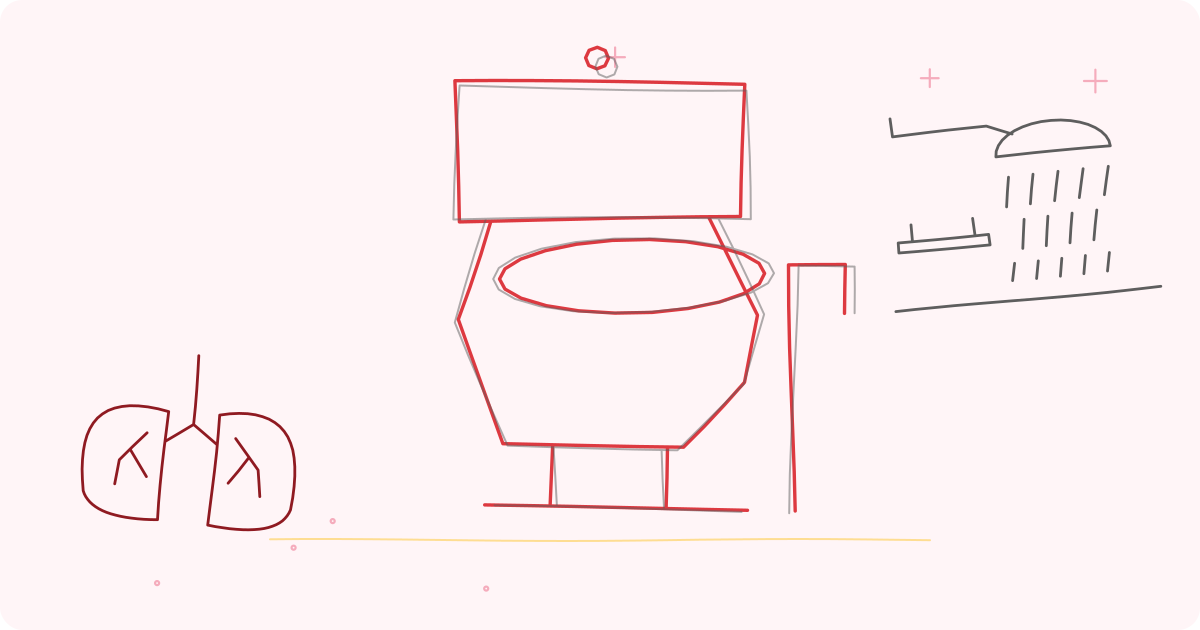
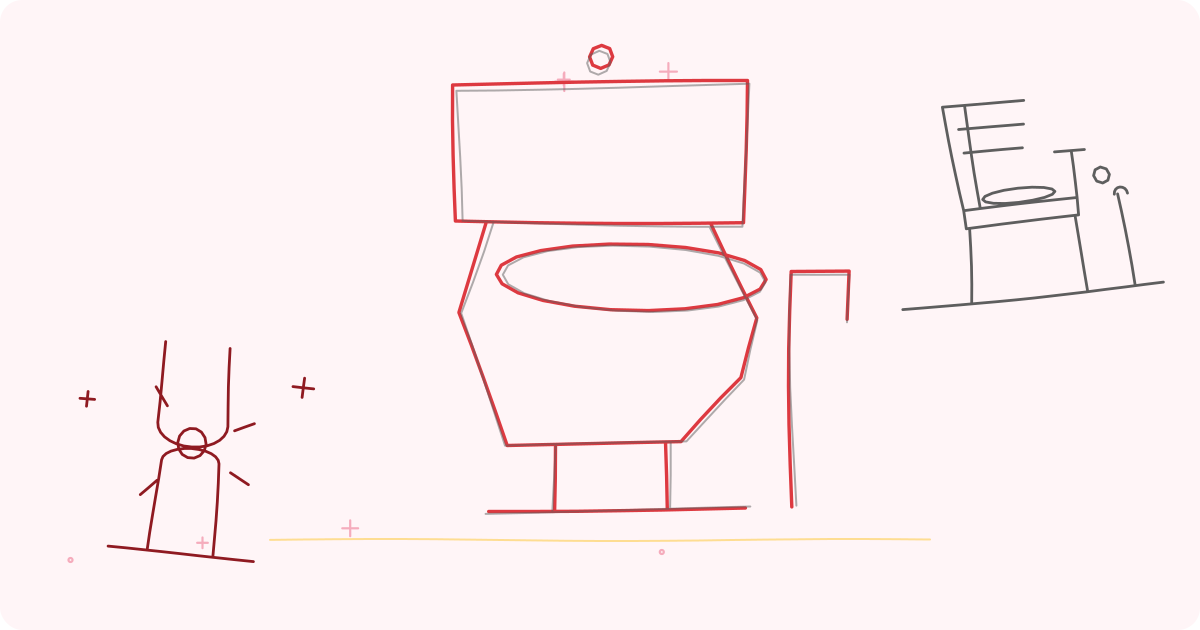
- Raised seat or frame. A raised seat brings the sitting height up, so the hips do not bend as far. Many hip patients need a raise of about 10 to 15 cm, but check with the therapist; see raised toilet seat guide. Arms or a frame give pushing support.
- Sitting down. Stand with the back to the toilet, feel the seat with the back of the legs, reach back for the arms or a bar, slide the operated leg forward, then lower slowly. Keep the operated leg out in front.
- Standing up. Slide to the edge, put the operated leg forward, push up with both hands and the strong leg. Wait before walking.
- Wiping. A toilet aid, a bidet spray or a toilet-roll holder that avoids bending forward helps. Avoid twisting.
- Squat toilets. Not safe after a hip replacement; the deep squat breaks hip precautions. Use a Western toilet, a commode or a raised seat over the pan, as the team advises; see adapting an Indian bathroom for knees and hips.
- Night. A commode at the bed reduces risks; see commode chair guide and night-time toilet trips and falls.

The shower and bath
Most surgeons advise sponge washing or seated showers at first, with a waterproof dressing, and no tub baths for some weeks. Ask when the wound can get wet.
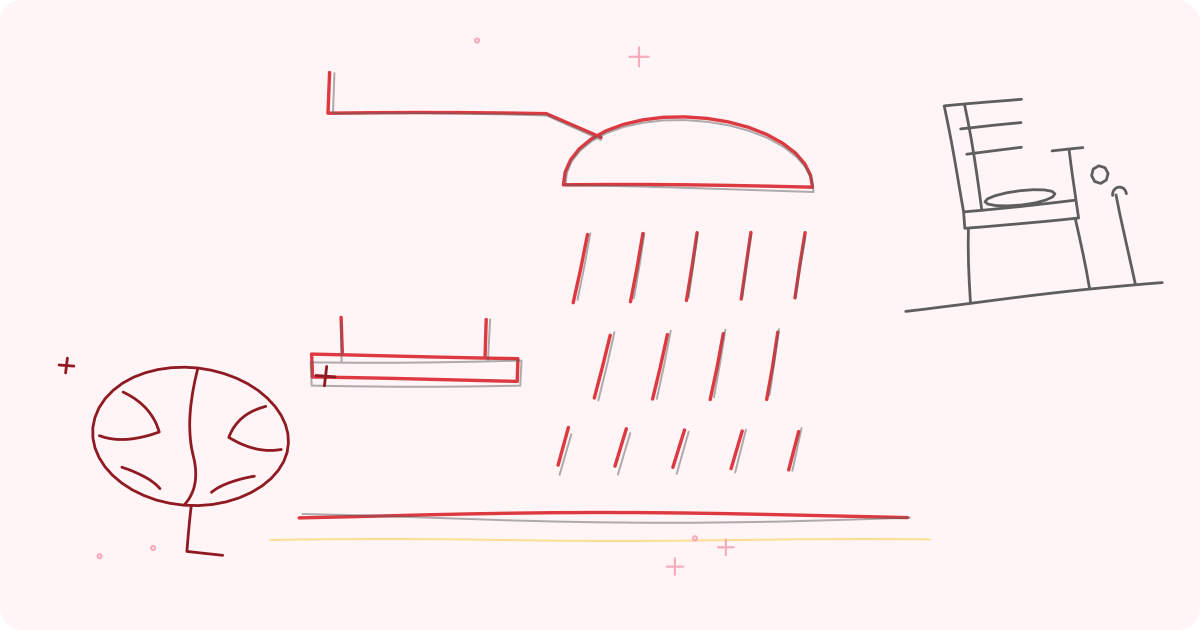
- Seated shower. Use a shower chair with a good seat height, so the hips are not too bent. A stool that is too low breaks the precautions.
- Getting in. A walk-in shower with a low or no tray is best. If there is a tray, lead with the operated leg if your therapist advises, or the other way, since it varies. Hold the bars.
- Transfer bench for a tub. See bath transfer bench guide. Do not step into a deep tub.
- Long-handled sponge for legs and feet, to avoid bending.
- Do not twist to reach shelves; have the soap at hand.
- Handheld shower to rinse legs.
- Non-slip floor and a mat; see non-slip bath mats.
- Dry seated. Use a long towel or a hand-held hairdryer on a cool setting, as advised.
- Dressing. Dress the operated leg first, undress it last, sitting on a firm chair or the bed. Use a sock aid and a reacher.
- Skin and wound. Keep the scar clean and dry as the team says, and check for redness, swelling or discharge.
Washing the feet and personal care
Bending to wash and dry the feet, cut the toenails and put on socks and shoes are classic hip-precaution breakers.
- Use a long-handled sponge, a sock aid and a long shoe horn with slip-on shoes or elastic laces.
- Ask a family member or a podiatrist to help with nail care.
- Use a leg lifter strap if the operated leg is hard to lift into the bed or the car.
- Use a raised chair and a table or stool to bring objects up, rather than bending down.
Getting around the bathroom
- Walker or crutches. Use the aid as taught, and keep it dry. A frame may not fit in the bathroom; see walking frame buying guide.
- Clear path. Remove mats, wires and clutter.
- Light. Use night lights and good lighting.
- Sit to rest. Take your time. Use a seat in the bathroom for dressing.
- Footwear. Non-slip, enclosed shoes or slippers; see choosing shoes for older feet.
- Help nearby. For the first weeks, have someone near, and a way to call; see calling for help from the bathroom.
Medicines and blood clots
After hip surgery, people are at risk of blood clots, so the team may give blood thinners or advise leg exercises. Follow the instructions. Keep medicines out of the bathroom if there is risk of mixing up. See medicine side effects families should watch.
Warning signs: call the surgical team or doctor
Contact the hospital or doctor at once for:
- Sudden severe pain in the hip, groin or thigh.
- A leg that looks shorter or turned out, or an inability to put weight on it.
- A fall, particularly with a hit to the hip.
- Redness, heat, swelling or discharge from the wound, or fever.
- Calf pain, swelling or warmth.
- Chest pain, sudden breathlessness or coughing blood: this is an emergency, call emergency services.
- Confusion or new weakness.
When to ask a professional
Your surgeon, physiotherapist and occupational therapist are the key people. Ask them what precautions apply, how long, what equipment you need and whether they can visit. Ask your GP or nurse for wound care, medicines and general health. A dietician can help with nutrition and bone health. Keep their phone numbers handy.
Equipment mentioned in this guide
Frequently asked questions
How high should the toilet seat be after hip replacement?
Many surgeons recommend a seat that keeps the hips above the knees, which often means a raised seat of 10 to 15 cm. Follow your own team's advice, and make sure the seat is stable.
When can my parent take a tub bath after hip surgery?
This depends on the wound healing and the surgeon's advice, often several weeks. Ask your team. Until then, sponge washes or seated showers with a waterproof dressing are common.
Can my parent use an Indian-style toilet after hip replacement?
Usually not, since the deep squat may break hip precautions. Use a Western toilet, commode or raised seat, as the team advises.
Do we need long-handled aids?
Many people find them very helpful for washing legs, putting on socks and picking things up without bending. A therapist can show you which ones.
Sources and further reading
- American Academy of Orthopaedic Surgeons, OrthoInfo patient information on total hip replacement and recovery
- NICE guideline NG124, Hip fracture: management
- Royal College of Occupational Therapists, guidance on recovery after hip surgery
- Chartered Society of Physiotherapy, patient information on hip replacement rehabilitation
Tags: hip replacement bathroomhip surgery recoveryhip precautionsraised toilet seat after hipshower after hip replacementhip fracture home setupBathroom and toilet safetyRaised toilet seatDaily living aidsHealthy ageing
This article is for general education and is not medical advice. Speak to your doctor before changing your exercise, diet or medicines.