Why prepare ahead
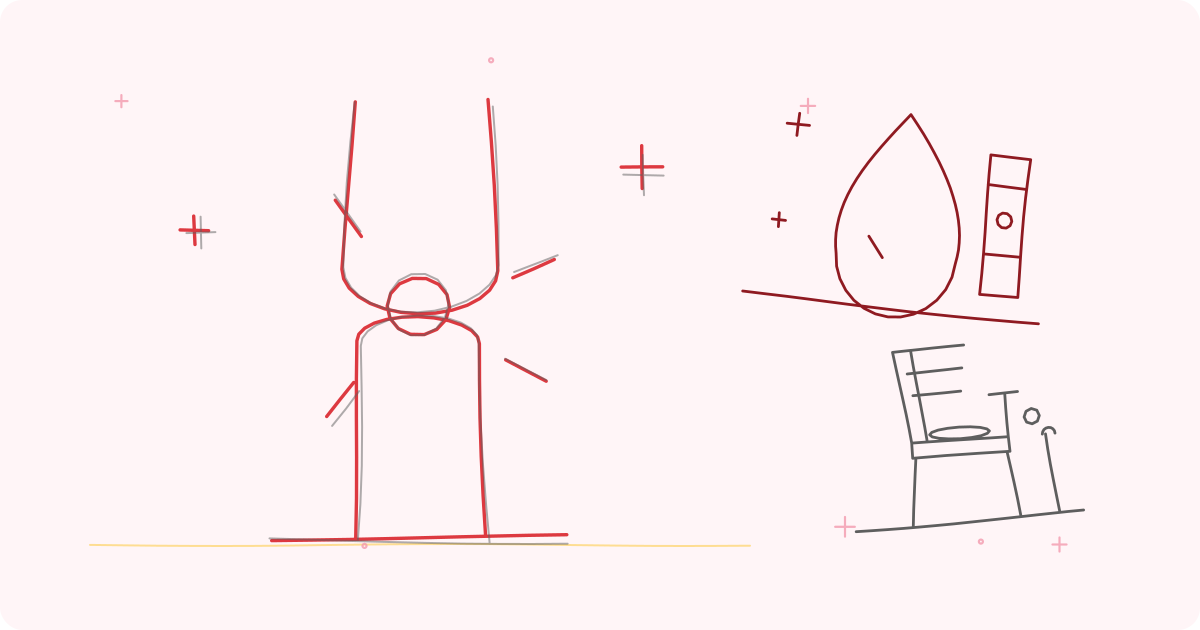
- Stronger muscles before surgery usually mean easier recovery, because surgery and bed rest weaken muscles quickly.
- Learning the exercises and the walking aid beforehand is far easier when not in pain and groggy after anaesthesia.
- Better control of health conditions such as diabetes, high blood pressure, anaemia, infection and weight lowers the risk of complications.
- A ready home means safe discharge, fewer falls and less stress for the family.
- Time to ask questions and plan finances, leave and help; see care costs in India: budgeting and health insurance for senior citizens in India.
Questions to ask the surgical team
Write down the answers and keep them with the health file; see preparing for a doctor's visit with a parent.
1. Which operation and implant are planned, and what are the usual benefits and risks for my parent's age and health? 2. What tests are needed beforehand (blood tests, heart check, scans, dental check, urine test)? 3. Which of my parent's regular medicines should continue or pause before surgery, and when? Never stop any medicine on your own, particularly blood thinners and diabetes medicines; follow the team's written plan. 4. What blood thinner or clot prevention will be used afterwards, and for how long? 5. How long is the hospital stay, and will rehabilitation continue at home, an outpatient clinic or a rehabilitation centre? 6. What movement restrictions apply after surgery (for example, positions to avoid after a hip replacement), and for how long? 7. What equipment will be needed on discharge, and what can be rented or bought? See hip replacement recovery equipment and knee replacement recovery equipment. 8. When can my parent shower, climb stairs, travel, sit on the floor, drive or return to usual activities? In India, floor sitting and squatting toilets matter; ask specifically. 9. What pain and swelling are expected, and what is a warning sign? 10. What does the package include and what extras may arise?

Timeline: the weeks before surgery
### Several weeks before
- Health review: diabetes, blood pressure, anaemia, kidney and heart conditions optimised with the family doctor; see diabetes after 60: a home care guide and hypertension home care guide.
- Dental check and treatment for any infection or decay; mouth bacteria can reach the new joint through the blood.
- Skin and infection check: treat fungal skin or foot infections, ulcers or urinary infections; tell the team about any.
- Stop smoking and limit alcohol; both slow healing.
- Weight: if overweight, a modest reduction helps, but do not crash diet; speak to a dietician.
- Nutrition: protein, iron-rich foods, fluids and vitamin D as advised; see how much protein do older adults need, indian meals for high-protein seniors and iron and anaemia in older adults. Do not take extra supplements without asking.
- Start the exercises below.
- Meet the physiotherapist if possible for a pre-operative session, and learn how to use the walker or crutches; see walking frame buying guide and how to use a walking frame correctly.
- Arrange help: who will stay, who will cook, who will drive, and how long can they stay? Consider a trained attendant for the first weeks; see hiring a home attendant checklist.
### One to two weeks before
- Set up the house (see below).
- Prepare meals: freeze nutritious portions or arrange a tiffin; keep favourite foods.
- Practise getting in and out of bed and chair, using the toilet and shower arrangement, and climbing a few steps with the aid.
- Confirm medicines plan in writing, including which to stop and when.
- Pack the hospital bag; see emergency bag for a hospital visit.
### Day before and morning of surgery
Follow the hospital's fasting, washing and medicine instructions exactly.
Exercises before surgery
A physiotherapist can tailor these. Do them daily or as advised, within comfort. Stop and tell the team for sharp pain, dizziness, chest pain or breathlessness.
- Ankle pumps: while lying or sitting, move the feet up and down, 10 to 20 times, several times a day. They help circulation.
- Quadriceps sets: lying or sitting with the leg straight, tighten the front thigh muscle, press the knee down, hold for five seconds, and release. Repeat ten times.
- Heel slides: lying on the back, slide the heel toward the buttock and back.
- Straight leg raises: lying, tighten the thigh and lift the straight leg a short way, hold, lower slowly.
- Hip and buttock squeezes: lying or sitting, squeeze the buttocks together for five seconds.
- Sit-to-stand: from a firm chair with arms, stand up and sit down slowly, using the arms as needed, five to ten times. This is the most functional exercise and is the same action needed on the first days after surgery.
- Mini-squats and standing marches, holding a counter.
- Upper body and arm strength: the arms will help with walkers, crutches and rising; gentle arm exercises or light resistance bands; see resistance band routine for seniors.
- Balance practice, near a counter; see balance exercises for seniors.
- Walking: short, regular walks, as pain permits; see walking programme for older adults.
- Seated cycling on a pedal exerciser keeps knees moving and strengthens legs; see pedal exerciser guide and pedal exerciser after surgery.
- Breathing exercises: deep breaths and gentle coughing help prevent chest problems after anaesthesia; see breathing exercises for seniors.
- Stretching of tight hips, hamstrings and calves, gently; see stretching for stiff older bodies.
See also exercises for knee and hip pain and joint pain care before surgery in knee osteoarthritis.
Setting up the home
Walk through the house as if you had a stiff leg and a walker.
Bedroom - Bed height: the knees should be slightly lower than the hips when sitting on the edge, making it easier to rise; use a firm mattress and avoid a very low bed or soft sagging mattress; see bed height and getting out of bed. - Ground-floor sleeping if stairs are hard; see ground floor vs upper floor living. - Night light, bedside table, phone and water within reach; see bedroom setup for night safety. - Leg elevation pillow for rest when advised by the team; see leg elevation pillow guide.
Bathroom and toilet - A raised toilet seat and frame are often needed, especially after hip surgery; Indian-style toilets may need a temporary commode or conversion; see raised toilet seat guide, toilet frame guide, commode chair guide and Indian-style toilet to Western conversion. - Shower chair or bench, grab bars, non-slip mats, handheld shower; see shower chair buying guide, grab bar buying guide and after hip surgery: bathroom setup. - Dry floor and good lighting.
Living areas - A firm chair with arms and the right height, not a low sofa; see choosing a chair for an older person and helping an elderly parent stand from a chair. - Clear pathways: remove rugs, wires and clutter; see flooring, rugs and trip hazards. - Kitchen: move daily items to waist height; see kitchen setup for seniors. - Stairs: handrails, practise with the walking aid and the physiotherapist's method; see stairs, steps and thresholds and handrails and stair lifts. - Aids for daily tasks: a long-handled reacher, dressing aid, long shoehorn and sock aid; see reacher grabber guide and dressing aid guide. - Entrances: ramps for steps if needed; see portable ramps for thresholds. - Pets and children: keep them out of the walking path. - Pick up and arrange equipment early, or rent; see equipment to rent vs buy checklist.
For a full view, see knee replacement recovery equipment, hip replacement recovery equipment and walking frame after hip or knee surgery.
Hospital bag
- Documents, insurance papers, medical summary, test reports; see emergency contact card and medical summary.
- Medicine list (not the supply unless told).
- Glasses, hearing aids, dentures with cases.
- Loose clothing that goes over the leg, non-slip supportive shoes.
- Toiletries, phone and charger, a comfortable cushion.
- The walking aid if the hospital asks you to bring it.
Mind and mood
Fear, anxiety and low mood before surgery are normal. Talk through worries with the surgeon, keep routines, and plan something pleasant for the recovery weeks; see anxiety in older adults. If your parent feels hopeless or says they do not want to go on, seek help the same day; Tele-MANAS (14416) is India's national mental health helpline (check the current number) and 112 is the emergency number.
After surgery: a brief outline
The hospital team will give detailed instructions. In general, rehabilitation begins within a day or two, with walking and exercises; pain, swelling and bruising are expected; clot prevention, wound care and follow-up are essential; see rehabilitation after fracture or surgery: a physiotherapy plan and recovery after major surgery in older adults.
When to ask a professional
Ask the surgeon and physiotherapist about the plan, exercises and restrictions. Ask an occupational therapist about home changes. Ask the physician, pharmacist and dentist about medicines and health before surgery. Seek urgent help for chest pain, severe breathlessness, fever with infection signs, or a painful swollen leg.
Equipment mentioned in this guide
Frequently asked questions
How early should exercises start?
As early as is practical, ideally several weeks before surgery, within comfort and after approval from the surgeon or physiotherapist.
Should my mother stop her regular tablets before surgery?
Only as the surgical team instructs in writing. Some need to continue; some are paused.
Do we need to change the toilet?
Often yes. A raised seat, frame or commode makes things safer. Ask about squatting restrictions.
Can she go home the same week?
Many people go home within a few days, if home is prepared and help is arranged.
What if she gets a fever or cough before surgery?
Tell the surgical team; surgery may need to be delayed until the infection is treated.
Sources and further reading
- National Institute for Health and Care Excellence, NG157 Joint replacement (primary): hip, knee and shoulder
- British Orthopaedic Association and Arthroplasty Care Practitioners Association, patient information on joint replacement preparation
- Indian Orthopaedic Association, patient guidance on joint replacement
- Chartered Society of Physiotherapy, guidance on prehabilitation and rehabilitation
Tags: joint replacementknee replacementhip replacementprehabilitationsurgery preparationhome setuprecoveryConditions and devicesMobility and walking aidsBathroom and toilet safety
This article is for general education and is not medical advice. Speak to your doctor before changing your exercise, diet or medicines.