What knee osteoarthritis is
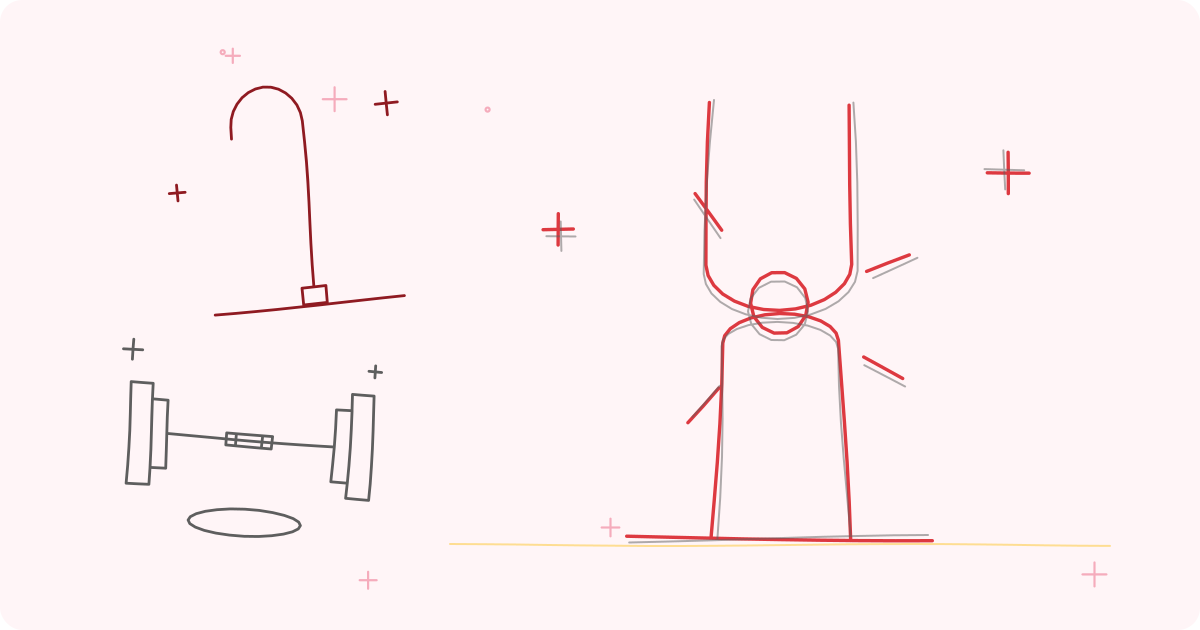
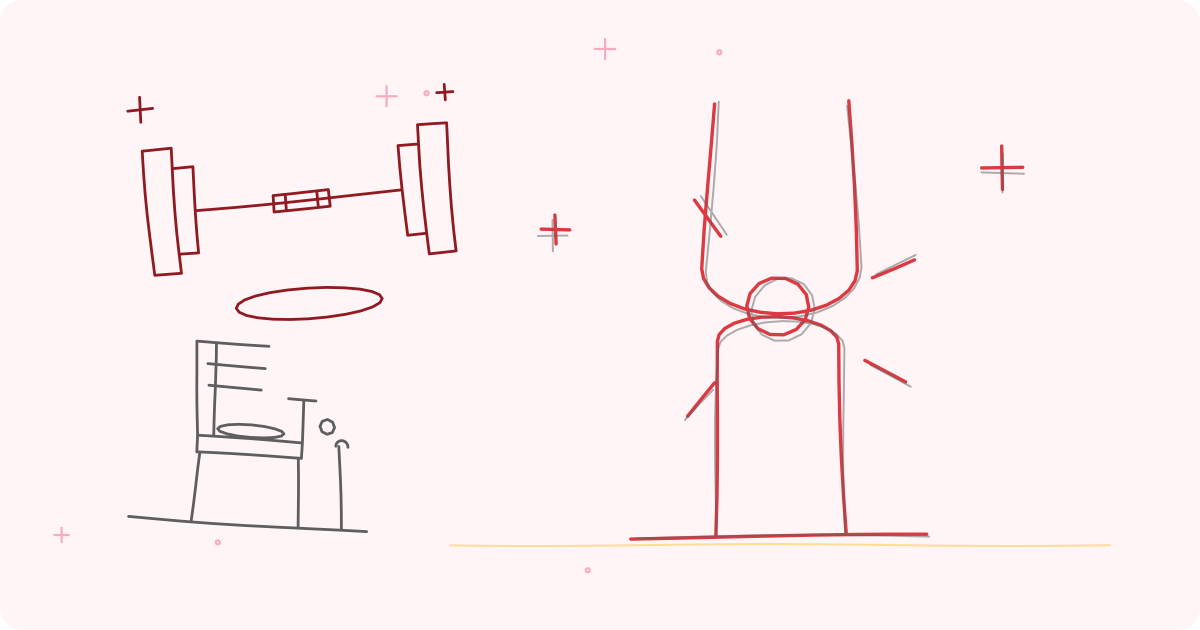
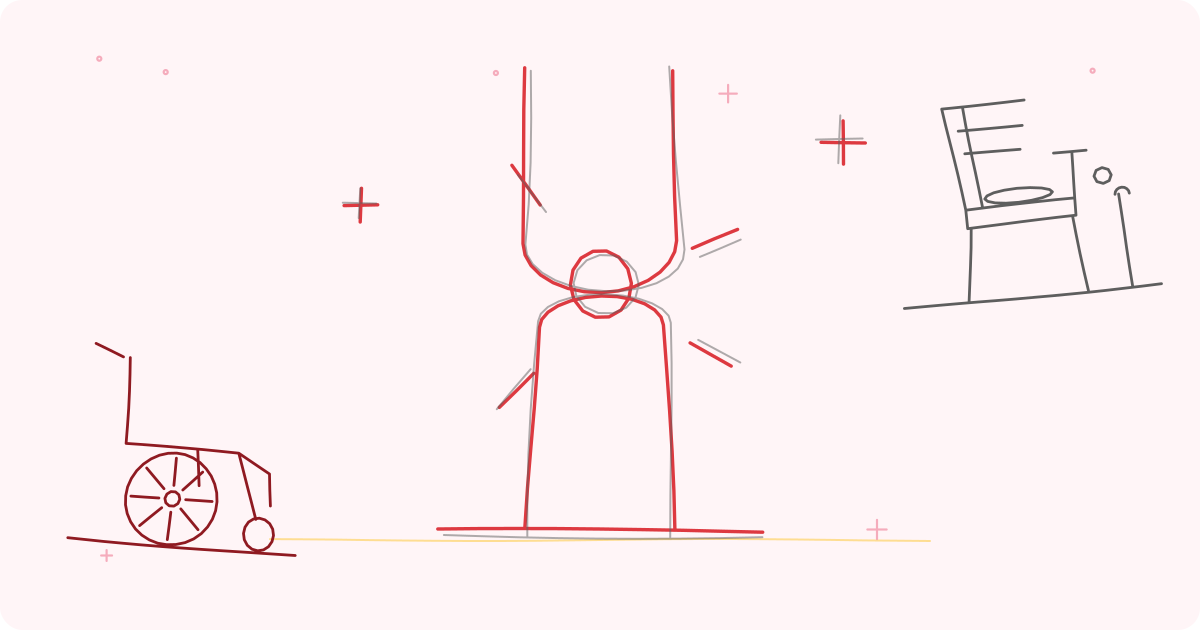
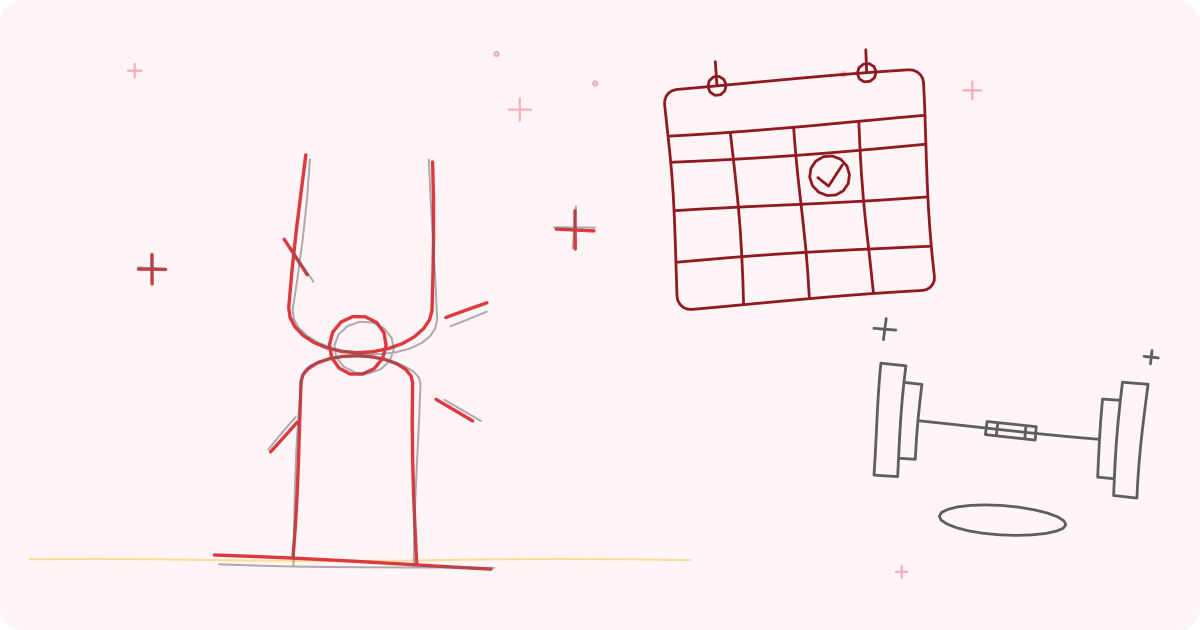
The knee joint is covered by smooth cartilage that lets the bones glide. In osteoarthritis the cartilage thins and roughens, the bone edges grow, the tissues around the joint thicken and the joint lining becomes irritated. It is not just "wear"; the whole joint, the muscles and the nerves are involved. Typical features:
- pain on walking, standing up, going up and down stairs, and squatting;
- stiffness after resting, especially in the morning, usually settling within half an hour;
- a creaking or grinding feeling;
- swelling at times;
- a knee that seems to give way, because the muscles are weak or pain interrupts their action;
- bowing of the legs in advanced disease.
Not all knee pain is osteoarthritis. A doctor should confirm the diagnosis, particularly if only one knee is affected suddenly, or if there is redness, heat or fever; see osteoarthritis vs rheumatoid arthritis and arthritis home care guide.
The core of home care: stay active
Rest alone makes knees stiffer and muscles weaker. Regular, gentle exercise is one of the best-supported ways to ease osteoarthritis pain and improve function. It does not damage the joint when done properly.
Strengthen the thigh muscles. The quadriceps and hamstrings work like shock absorbers. Strong muscles reduce load on the joint. Simple exercises include sitting leg raises, wall slides, sit-to-stand from a chair and gentle calf work, as taught by a physiotherapist; see gentle exercises for knee and hip pain, resistance band routine for seniors and chair exercises for seniors.
Keep the knee moving. Gentle bending and straightening, cycling on a pedal exerciser, swimming or walking in water, and short walks help keep the cartilage nourished and the joint supple; see pedal exerciser guide.
Aerobic activity. Walking, as tolerated, improves general fitness, mood and weight. Increase slowly; see walking programme for older adults.
Balance work, to reduce falls; see balance exercises for seniors.
Stretching the calf, hamstring and thigh; see stretching for stiff older bodies.
How much? Start low and go slow. Many therapists suggest a few short sessions a day rather than one long one. Mild aching that settles within an hour or two is acceptable; sharp pain, swelling or pain that lasts into the next day means to ease back. A physiotherapist can prescribe an individual programme. In hot weather or monsoon, exercise indoors; see exercise in summer and monsoon indoors.
Weight and food
Every kilogram of body weight places several kilograms of force through the knee on walking. Even modest weight loss in someone who is overweight can reduce knee pain. But for frail or underweight older adults, weight loss is not helpful and may be harmful. Ask a doctor or dietician what is right; see malnutrition in older adults and sarcopenia, muscle loss and food. Enough protein protects muscle; see how much protein do seniors need. Supplements for joints have mixed evidence; ask a doctor before starting; see joint supplements evidence.
Walking aids
A stick can reduce the load on a painful knee by a meaningful amount, when used correctly.
- Hold the stick in the hand opposite the painful knee.
- Set the height at the wrist crease when standing; see walking stick height fitting.
- Move the stick and the painful leg together.
- If both knees hurt, a frame or rollator may be better; see walking aids for knee arthritis, how to choose a walking stick and stick or walker: which one does my parent need.
- Check rubber tips often; see walking stick rubber tips.
Supports, footwear and insoles
- Knee sleeves can give warmth and a feeling of stability; see knee support buying guide. A hinged brace is for specific problems; see hinged knee braces.
- Footwear. Cushioned, supportive, flat shoes with a good grip reduce impact; see choosing shoes for older feet. Avoid hard, slippery floors barefoot.
- Insoles may help some people with knee pain related to foot alignment; ask a therapist; see insoles for foot pain.
Managing pain: heat, cold and pacing
- Heat before activity, such as a warm bath or a warm pack, relaxes stiff muscles. Cold after activity or during a flare, such as a cold pack in a thin cloth, can reduce swelling and soreness. Protect the skin; see heat or cold for joint pain and hot pack safety for older skin.
- TENS may give short-term relief for some; ask a doctor first; see TENS units for pain and using TENS for back and knee pain.
- Pacing. Break tasks into short stretches with rests; alternate heavy and light activities; avoid long periods in one position. Plan the day so that the knee is not overloaded at once.
- Painkillers. Some are safer than others in older adults. Do not start or combine medicines without asking a doctor or pharmacist; see painkillers and older adults. Creams and gels applied to the knee should also be discussed with a pharmacist.
- Sleep and mood. Pain disturbs sleep, and poor sleep and low mood increase pain. See sleep problems in older adults and chronic pain in older adults.
- A pain diary helps you and the doctor see patterns; see keeping a pain diary.
Adapting daily habits in an Indian home
Many daily tasks involve deep knee bending. Small changes spare the joint.
- Squat toilets. Deep squatting is hard on an arthritic knee. A raised seat, a commode or a Western toilet may be safer; see raised toilet seat guide and adapting an Indian bathroom for knees and hips.
- Sitting on the floor. Sitting cross-legged for prayers, meals or visits, and getting up, are painful. Use a firm chair or a low stool with a back where possible, or a prayer stool; if floor sitting is important, use a thick cushion to raise the hips and a wall for support, and ask a therapist how to get up safely.
- Chairs and beds. Use a chair with firm seat and arms at a height that lets you stand with minimal effort; see choosing a chair for an older person and bed height and getting out of bed.
- Stairs. Use a handrail, go up with the stronger leg first and down with the weaker one, and take rests; see using a walking stick on stairs and slopes and stairs, steps and thresholds.
- Kitchen. A stool at the counter, long-handled tools, and storing items at waist level; see kitchen setup for seniors.
- Temples, weddings and travel. Plan rests, use a folding stick or seat stick, and avoid long standing; see mobility aids for temples and weddings.
- Carrying. Use a trolley or a bag on wheels, rather than heavy loads.
- Gardening and floor work. A kneeling pad and a seat.
- Sleep position. A pillow between the knees for side sleepers; see pillows for side sleepers and shoulder pain.
Flare-ups
A flare may bring more pain, swelling and warmth for a few days. Reduce activity but do not stop moving altogether; use cold or heat as suits; keep the leg raised when resting; check with the doctor about medicines. A knee that becomes hot, red and very painful, particularly with fever or after an injury, needs prompt medical review; it may be infection, gout or another cause; see gout in older adults.
When joint replacement is considered
If pain is severe and constant, sleep and walking are badly affected and home care and medicines no longer help, a doctor may discuss knee replacement. Preparation, called prehabilitation, helps recovery; see joint replacement prehabilitation, knee replacement recovery equipment and knee replacement surgery for seniors.
When to ask a professional
See a doctor for knee pain that is new, severe or sudden, a hot, red or very swollen knee, a locked knee, pain after a fall, inability to bear weight, fever, calf swelling, or pain at night that does not settle. A physiotherapist can assess the knee and teach a safe programme. An occupational therapist can advise on home changes. A dietician can help with weight and nutrition. A pharmacist can advise on medicines and creams.
Equipment mentioned in this guide
Frequently asked questions
Should my mother rest her arthritic knee?
Short rests help in a flare, but too much rest causes stiffness and weakness. Gentle, regular exercise and pacing are better for most people. A physiotherapist can set a safe plan.
Is walking bad for knee arthritis?
For most people, walking in moderation is good. Build up gradually, use suitable shoes and a stick if needed, and ease back if pain or swelling is worse the next day.
Which hand should hold the walking stick?
The hand opposite the painful knee. The stick and the painful leg move forward together.
Can I squat or sit cross-legged with knee arthritis?
Deep squatting and prolonged cross-legged sitting often aggravate pain. Use raised seats and chairs where possible, and ask a physiotherapist about safe ways to get up from the floor.
Sources and further reading
- NICE guideline NG226, Osteoarthritis in over 16s: diagnosis and management
- Arthritis Foundation, patient information on osteoarthritis self-management and exercise
- Chartered Society of Physiotherapy, patient information on knee osteoarthritis
- World Health Organization, World report on ageing and health (2015)
Tags: knee osteoarthritisknee arthritis home careknee pain elderlyarthritis exercisewalking stick kneesquatting knee painJoint and pain supportKnee support sleeveMobility and walking aidsCushions, pillows and comfort
This article is for general education and is not medical advice. Speak to your doctor before changing your exercise, diet or medicines.