What knee arthritis does to walking
Osteoarthritis is the wear and thinning of the cartilage that cushions the knee joint. It causes pain, stiffness and sometimes swelling and a grating feeling. It is very common after 60, particularly in women and in people who are overweight or have had knee injuries. Walking becomes painful because each step puts several times body weight through the knee. The person may limp, shorten steps, avoid stairs and tire quickly. In many cases only one knee is badly affected, but both can be.
How a walking aid helps
When you lean on a stick or walker, part of your weight passes through your arm and the aid instead of through the knee. Studies suggest a cane held in the opposite hand can reduce the load on the painful knee by up to a quarter or more, and a walker more. The aid also widens the base of support, improves balance and reduces the fear of giving way. Lower load and better confidence usually mean less pain and more walking.
An aid does not repair the joint. It is part of a plan that includes exercise, weight management, medicine, supports and sometimes injections or surgery.
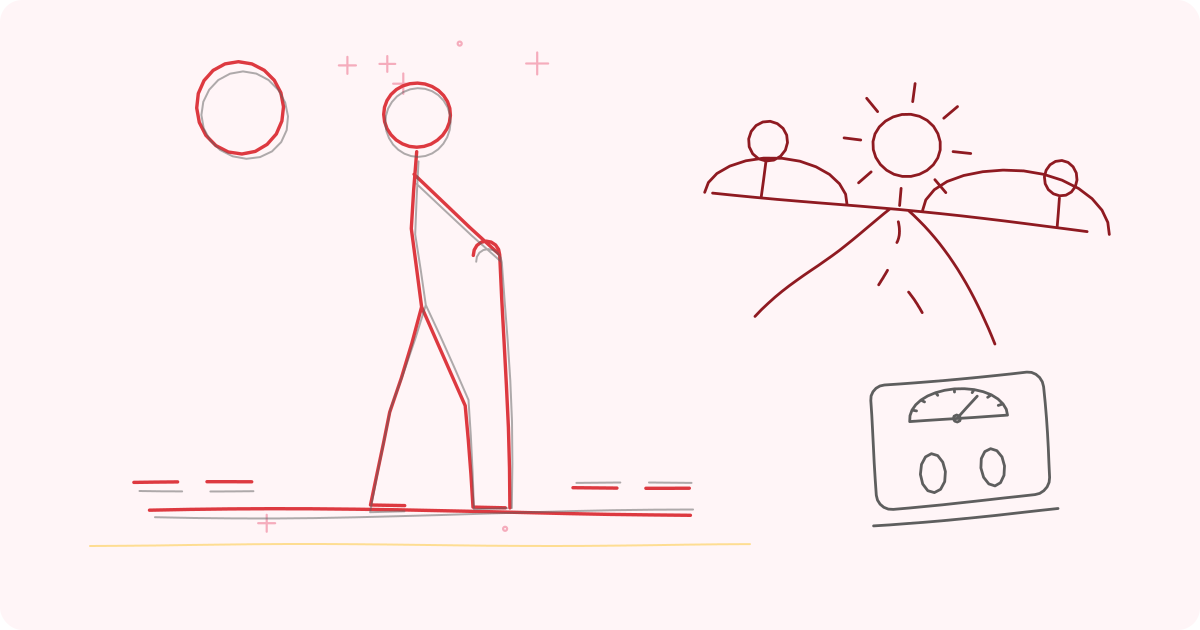
Choosing the aid
Single stick. For one painful knee with otherwise good balance. Held in the hand opposite the painful knee, it moves forward with the sore leg. See how to choose a walking stick. An offset handle and a wide rubber tip are good choices; a pivot-base stick grips better on wet or uneven ground.
Two sticks. For both knees, or when one stick is not enough. Two sticks, used like walking poles, give more support and symmetry, but need practice.
Walker or rollator. If both knees are painful, balance is poor, or the person tires, a walker or rollator gives more support. A rollator with a seat is helpful for outings, when rest is needed. See rollator buying guide and rollator or walking frame.
Knee support or brace. A sleeve or support can give warmth, a feeling of stability and mild relief; a hinged brace may be advised for instability; see knee supports and sleeves and hinged knee braces. They are not a replacement for a walking aid.
Footwear and insoles. Cushioned, supportive shoes absorb shock; see walking aids and footwear and insoles for foot pain.
Which hand
For a stick, the rule is the hand opposite the sore knee. If the right knee hurts, hold the stick in the left hand and move it forward with the right leg. This is because the body's natural arm swing is opposite to the leg, and the stick takes load as the sore leg bears weight. If both knees are sore, use the stick on the side of the more painful knee, and consider a walker or two sticks.
Setting the height
The height matters as much as the type. Set the stick so the handle is at the wrist crease, with a 20 to 30 degree bend in the elbow; see how to measure and set the height of a walking stick. A stick too long or too short twists the body and causes new pain.
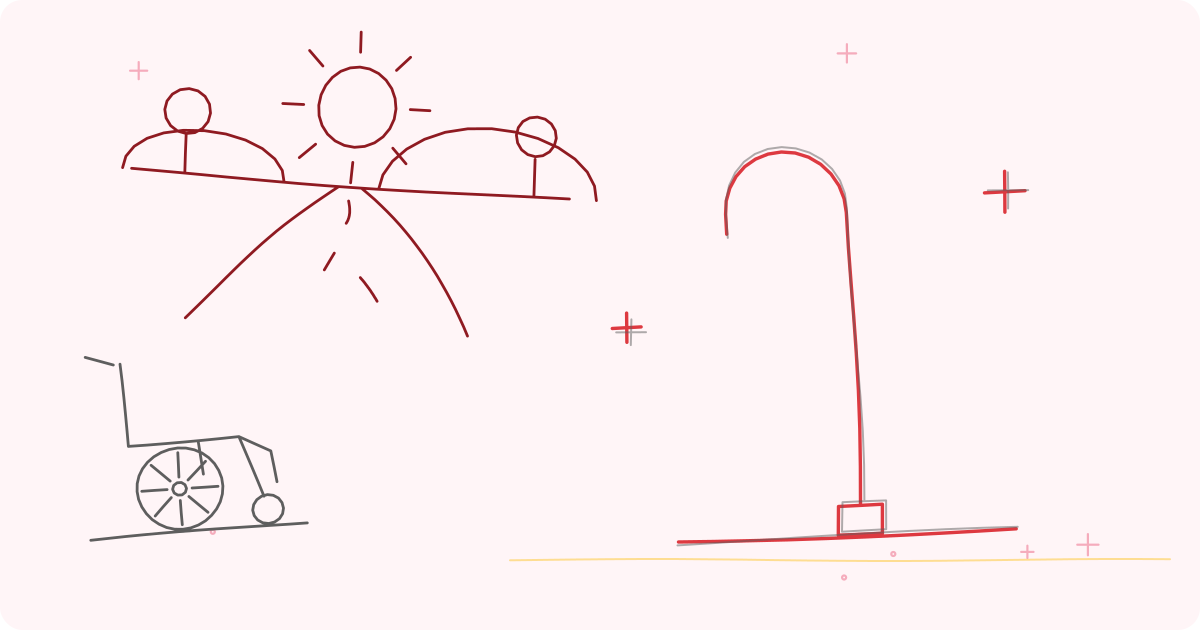
How to walk with it
- Hold the stick in the opposite hand.
- Move the stick and the sore leg forward together.
- Step through with the good leg.
- Keep the steps short, and the body upright.
- Press down through the handle as the sore leg takes weight.
- On stairs, use the rail if there is one, with "up with the good, down with the bad", and the stick with the sore leg; see using a walking stick on stairs and slopes.
Other things that help knee arthritis
Exercise. Strong thigh muscles (quadriceps) and hip muscles take load off the knee. Gentle strengthening, cycling, swimming, water walking and walking are among the best treatments. A physiotherapist can design a programme; see knee osteoarthritis at home and exercises for knee and hip pain. A pedal exerciser is a gentle option at home.
Weight. Each kilogram of body weight adds several kilograms of load across the knee with each step. Even modest weight loss reduces pain. A dietician can help; see nutrition and dietician support.
Heat and cold. Warmth before activity eases stiffness; cold after activity reduces swelling; see heat or cold for joint pain.
Pain relief. Paracetamol, topical anti-inflammatory gels and, with a doctor's advice, other medicines. Some painkillers carry risks for older adults, especially for the stomach, kidneys and heart; see painkillers and older adults.
Supplements. Evidence for glucosamine and similar products is mixed; see joint supplements: what the evidence says.
Other treatments. Injections, physiotherapy and, in severe cases, knee replacement. A doctor or orthopaedic specialist can advise. See knee replacement recovery equipment.
Pacing. Break up long walks, alternate activity and rest, avoid kneeling, squatting and deep stairs where possible.
Home changes. A higher chair with arms, a raised toilet seat and grab bars reduce knee bending; see raised toilet seats.
Common mistakes
- Holding the stick on the same side as the sore knee.
- Wrong height.
- Worn tips. See rubber tips for walking sticks.
- Dropping the stick as soon as it feels better, and overdoing it.
- Relying on an aid and stopping exercise.
- Ignoring weight and strength.
- Using a wrap-around brace for months with no exercise.
- Living with swelling, redness and heat without checking with a doctor.
A weekly plan to try
A simple weekly pattern helps many people with knee arthritis. On most days, do ten to fifteen minutes of gentle strengthening, such as sitting leg lifts, mini squats holding a counter and heel raises, as taught by a physiotherapist. On alternate days, walk for ten to twenty minutes using the aid, split into short bouts if needed, on level ground and in good light, at the time of day when the knee is least stiff. Add a rest day for the knee after any long outing. Use heat for stiffness before activity and a cold pack for swelling afterwards, keeping a cloth between the skin and the pack. Note pain on a scale of one to ten before and after exercise: mild discomfort that settles within a couple of hours is usually acceptable, while sharp pain, swelling that lasts into the next day or a knee that gives way means you should scale back and talk to the physiotherapist. Review the plan every few weeks and adjust the aid, the exercises and the distance as the knee improves.
Keep the aid close to hand in every room, so that it is used for short trips as well as long ones, since many knee falls and flare-ups happen on the way to the kitchen or bathroom. Replace worn tips promptly, and check the height again when you change shoes or lose or gain weight.
When to see a doctor
See a doctor for:
- a sudden, swollen, hot, red knee, particularly with fever, which can be infection or gout;
- a knee that locks, catches or gives way often;
- severe pain at rest or at night;
- inability to bear weight;
- a deformity;
- calf swelling and pain, which can be a clot; or
- pain that does not improve with treatment.
A physiotherapist can assess walking and recommend the aid and exercises. An orthopaedic specialist can discuss injections or surgery. Our care advisors can arrange a physiotherapist visit.
Equipment mentioned in this guide
Frequently asked questions
Which hand should I hold the stick in for knee arthritis?
The hand opposite the painful knee. If the right knee hurts, hold the stick in the left hand and move it forward with the right leg.
Will a walking stick help my knee pain?
It often does, by taking some load off the knee and improving balance. It works best with the right height, hand and technique, and alongside exercise and weight management.
Should I use a walker or a stick for arthritis in both knees?
A walker or rollator is often better because it supports both sides. Two sticks are an alternative. A physiotherapist can advise.
Do knee braces help arthritis?
A sleeve or brace can give warmth and a feeling of support, and a hinged brace may help instability, but they do not replace exercise or a walking aid.
When is surgery needed?
When pain and loss of function are severe and treatment has not helped. An orthopaedic specialist can assess.
Sources and further reading
- NICE guideline NG226, Osteoarthritis in over 16s: diagnosis and management
- Arthritis Foundation and American College of Rheumatology, guidelines for the management of osteoarthritis
- Chartered Society of Physiotherapy, patient information on knee osteoarthritis and walking aids
- World Health Organization, World report on ageing and health (2015)
Tags: knee arthritis walking aidosteoarthritis kneecane for knee painwalker for arthritisknee pain at homemobility aidWalking and mobility aidsAdjustable walking stickMobility and walking aidsJoint and pain support
This article is for general education and is not medical advice. Speak to your doctor before changing your exercise, diet or medicines.