What a raised toilet seat does
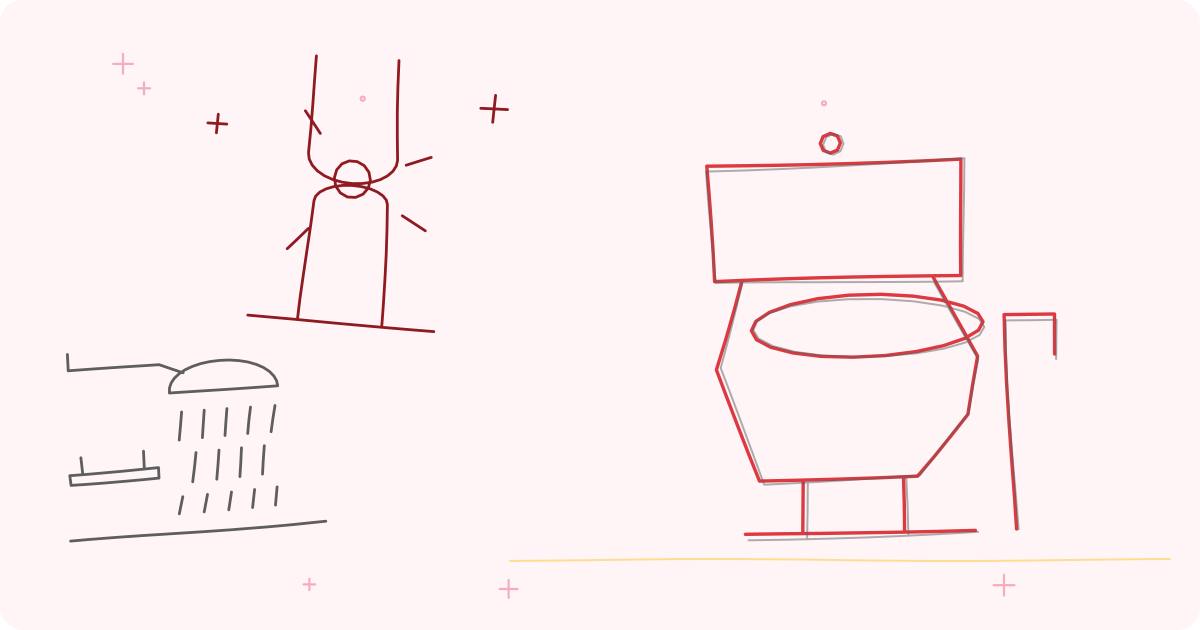
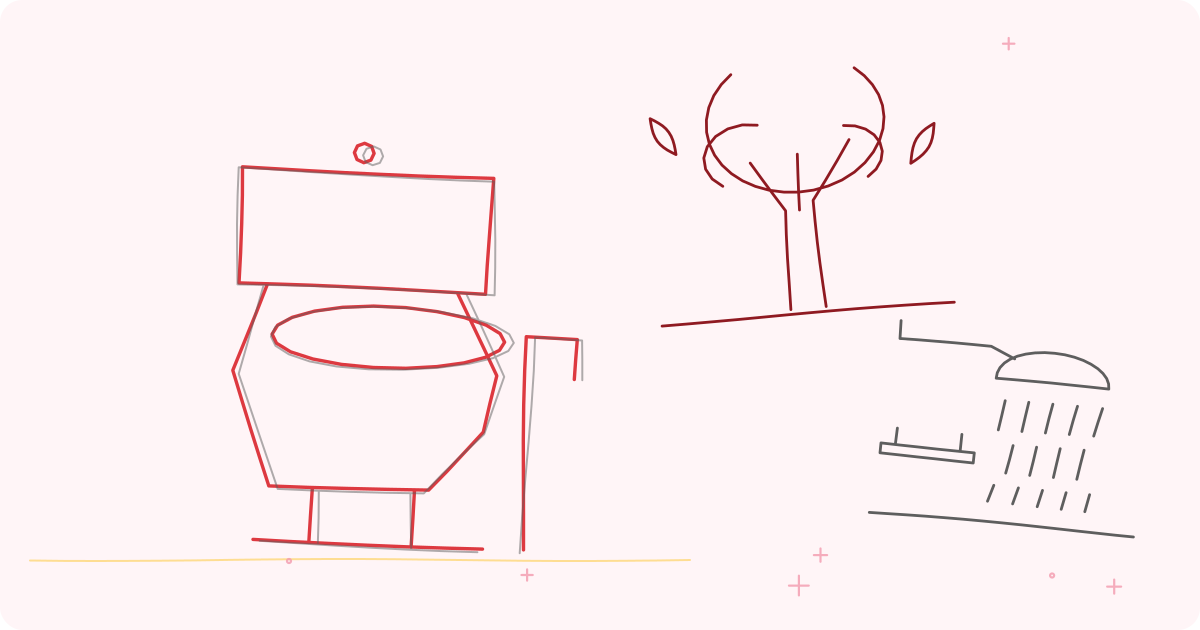
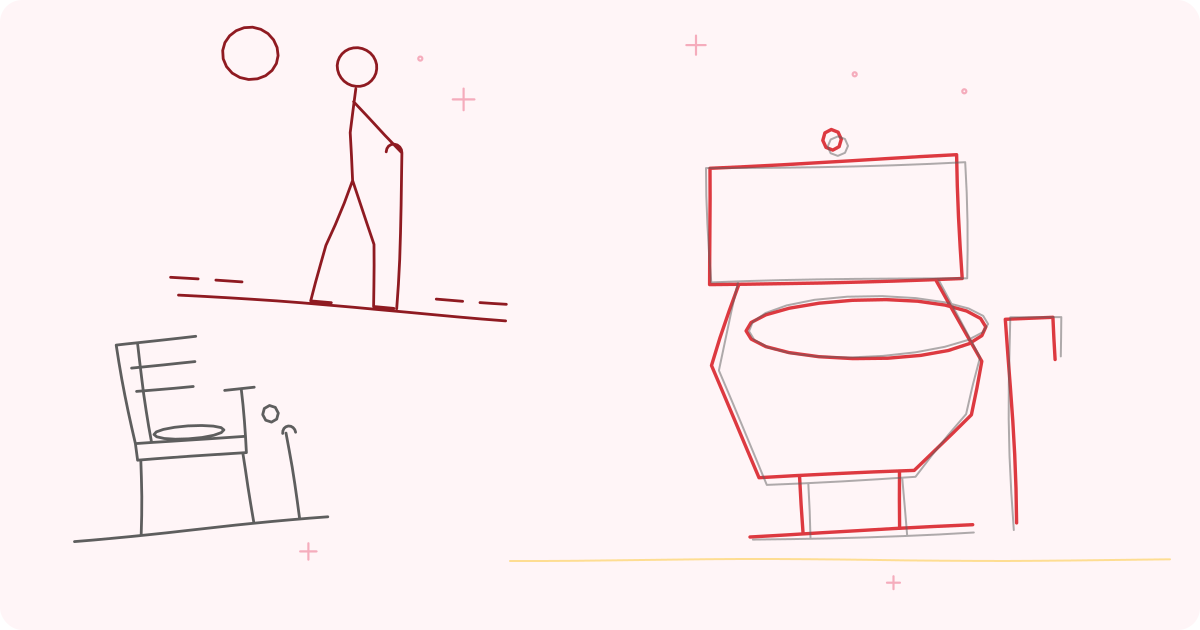
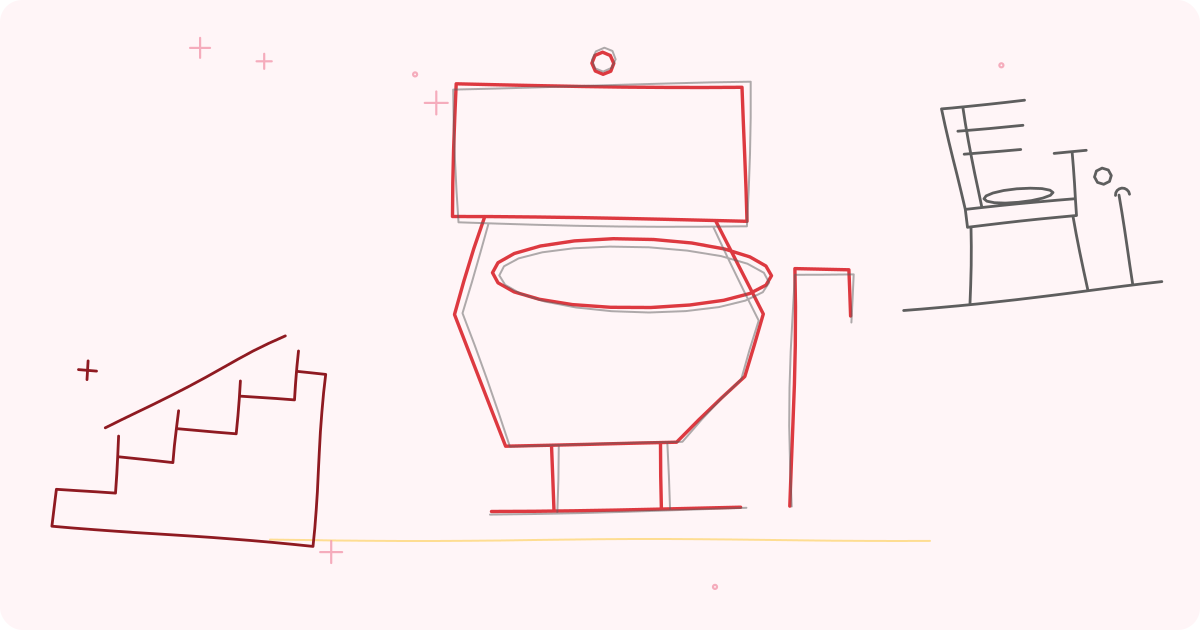
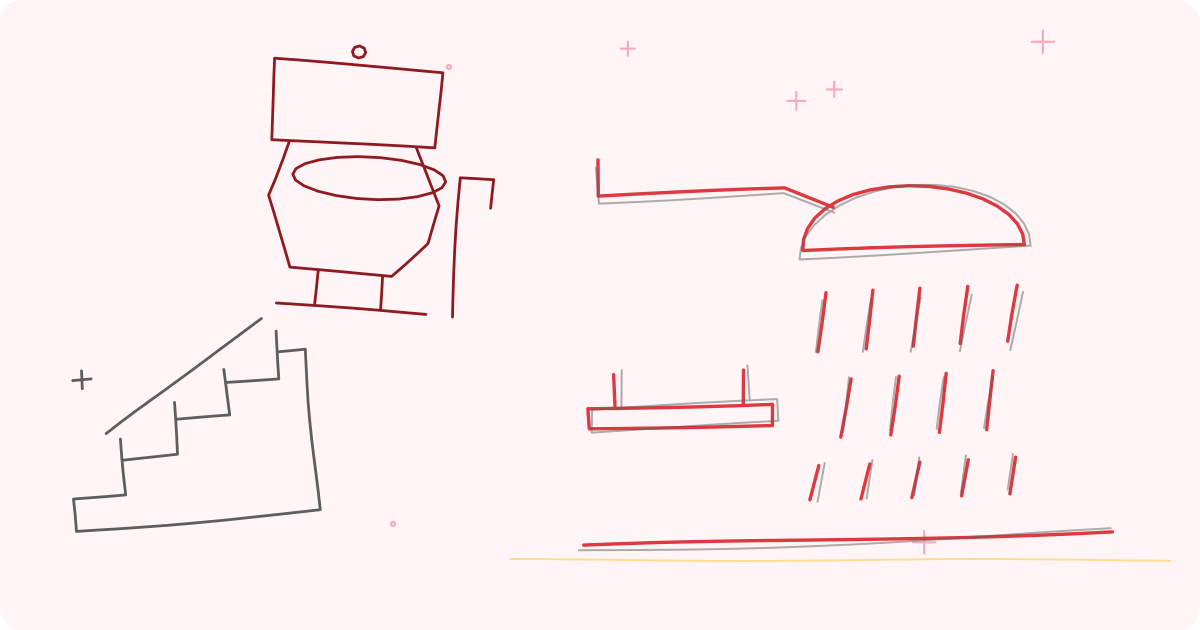
It sits on top of the pan (or replaces the existing seat) and lifts the sitting height by about 5 to 15 cm. The hip and knee need to bend less to sit down, and extend less to stand. This reduces the pushing force needed, so a person with weak legs or sore joints can stand without a lunge. Doctors and therapists often recommend one after hip replacement, when deep bending is restricted for some weeks, or for chronic arthritis.
It does not treat weakness or balance problems. It reduces the effort of one movement, and should be seen as part of a wider plan, including strength and balance work, grab bars and safe lighting.
Types of raised seat
Simple raiser without lid. A moulded plastic ring that clamps or sits on the rim of the bowl, with the normal seat removed or left on top. It is the cheapest and lightest. Check for stability, because many are held by friction alone.
Raised seat with lid. A raised seat that has a hinged lid, so the toilet looks like a normal one when not in use. Some also have a hinged seat that can be lifted for cleaning.
Raised seat with arms. Fixed or fold-away arms give something to push on, like a built-in frame. Arms suit people who need extra push but do not need a free-standing frame. If arms fold, check they lock firmly. See the toilet frame guide for a stand-alone alternative.
Locking and clamp-fix seats. The best designs lock onto the pan with side clamps, screws or a lock, so the seat cannot slide or tilt. Look for a locking mechanism that tightens firmly and feels secure.
Tool-free adjustable height. Some seats have adjustable legs or inserts, so you can use 5, 10 or 15 cm.
Padded seats. A cushioned top is kinder to thin skin. Make sure the padding is easy to wipe and does not hold moisture.
Integrated bidet or wash seats. Powered toilet seats with water spray can help people with poor hand function, but they are a separate subject and need a power supply near water; ask a professional about safe installation.

How high is high enough?
There is no single correct height. The right raise lets your parent sit with hips slightly above the knees and feet flat on the floor, and stand up without a big push. Too little raise, and they still struggle. Too much raise, and their feet may dangle, making them unstable or putting pressure on the back of the thighs. For a shorter person, even a modest raise may leave feet off the floor, and a small foot stool can help.
Measure it this way:
1. Ask your parent to sit on a firm chair and note whether their feet reach the floor. 2. Measure from the floor to the back of the knee. That is a rough ideal seat height. Compare it with the toilet seat height measured at home. 3. Choose a raise that brings the toilet to that height, or slightly higher if standing is the main problem.
After a hip replacement, the surgeon or physiotherapist may specify a minimum height; follow their advice. See bathroom setup after hip replacement.
Fit: the part people get wrong
Toilet pans differ. Common shapes include round and elongated bowls, and Indian-made Western pans often have narrower openings and different mounting holes from imported ones. A seat that does not match may slide, tilt or press unevenly. Before buying:
- Measure the pan opening (inside length and width) and the distance between the fixing holes at the back, if any.
- Check whether the seat clamps or screws to the pan.
- Look at the shape of the rim; some wall-hung pans are very different from floor-standing ones.
- Look at the cistern position. If the cistern is close behind the seat, a thick raised seat with a high lid may not open or tilt.
- Check the lid. A heavy lid on a raised seat can drop suddenly.
When the seat arrives, test it before use: sit on it, rock gently from side to side and front to back, and try standing with the hands pushing down on the arms. A seat that moves is not safe. Do not use a raised seat that slides, even a little.
What about Indian-style toilets?
In many Indian homes there is only a squat pan, flush with the floor. It requires deep knee and hip bending and balance on the balls of the feet. Many older people become unable to squat comfortably, particularly after knee or hip problems. A raised seat does not fit a squat pan. Options include:
- A toilet seat frame or commode placed over the squat pan. A sturdy frame with a seat and a hole, or a commode chair designed to straddle a floor pan, allows a Western-style seated posture. Check that it has non-slip feet and is wide enough to stay steady. See the commode chair guide and the toilet frame guide.
- A fixed Western conversion. A plumber can replace the squat pan with a Western toilet. It is a big job, with plumbing and floor changes. The article on squat toilet to Western seat covers the choices and what to ask a plumber.
- A fold-down seat designed for squat pans. Some products fit over an existing squat pan but vary in quality. Test carefully.
- Adding a Western toilet in a second bathroom and keeping the squat toilet in the first, in a joint family home where other members prefer the squat.
For people who prefer a squat for bowel habits, or for cultural or religious reasons, a small foot stool in front of a Western toilet can recreate a squatting posture. Check stability and ask a doctor if there is any heart or joint condition.
Using the seat safely
- Approach slowly, back to the seat, feel it with the back of the legs and reach for the arms or a grab bar, then lower.
- Do not use the seat as a stand. Do not climb onto it or use it as a step stool.
- Keep the floor dry around the toilet. A non-slip approach helps.
- Stand with a pause. Stand up slowly and wait a few seconds, especially at night; see night-time toilet trips and falls.
- Check the clamps weekly at first, then monthly. Plastic fixings can loosen with use.
- Pay attention to skin. A raised seat with a hard edge may press on the thighs. Look for red marks.
Cleaning and hygiene
Raised seats trap dirt and urine in joints and clamps. Clean with warm soapy water and a household disinfectant that suits the material, and rinse. Remove the seat from time to time and clean underneath. Check plastic for cracks that can hold germs, and replace a cracked seat. Wear gloves if cleaning for a sick or incontinent parent, and wash hands afterward; see infection control for home caregivers. In shared homes, a raised seat used by one person may be used by others, so clean it regularly, and consider a quick-release type for easy removal.
Common mistakes
- Buying a raiser without checking the pan shape.
- Choosing too high a raise for a short person.
- Relying on a seat with arms that wobble.
- Using friction-fit seats on a polished pan.
- Forgetting to check the lid weight.
- Putting a raised seat on a toilet that is already high.
- Assuming a seat replaces a grab bar.
When to ask a professional
An occupational therapist can measure your parent and recommend the right height and type, and can plan the whole bathroom. A physiotherapist can work on leg strength and standing from low surfaces. After joint surgery, follow your surgeon's rules. If your parent has repeated falls in the toilet, sudden changes in bladder or bowel habit, painful passing of urine, or dizziness on standing, see a doctor. A nurse can advise on skin care if your parent has pressure marks.
Equipment mentioned in this guide
Frequently asked questions
How much should a toilet seat be raised?
It depends on your parent's height and difficulty. Most raisers add between 5 and 15 cm. Aim for a seat where hips sit slightly above the knees and feet are flat on the floor.
Will a raised seat fit any toilet?
Not always. Measure the pan opening and the fixing holes, check the shape and look at the clamp design. Test the seat for movement before using it.
Is there a raised seat for an Indian-style toilet?
A normal raised seat does not fit a squat pan. Use a frame or commode that straddles the pan, or have a Western toilet fitted. A therapist or plumber can advise.
Should the seat have arms?
If your parent needs to push with their hands to stand, arms help. Otherwise a wall grab bar may be enough. Check that arms are firmly fixed and do not wobble.
Sources and further reading
- World Health Organization, World report on ageing and health (2015)
- Royal College of Occupational Therapists, guidance on toilet equipment and home adaptations
- American Academy of Orthopaedic Surgeons, OrthoInfo patient information on recovery after hip replacement
- NICE guideline NG249, Falls: prevention, assessment and management in older adults and adults at higher risk
Tags: raised toilet seattoilet seat riserelevated toilet seattoilet seat with armswestern toilet elderlyindian toilet seatBathroom and toilet safetyHealthy ageingElder care
This article is for general education and is not medical advice. Speak to your doctor before changing your exercise, diet or medicines.