Why height matters more than any other feature
A walking stick works like a third leg. When it is the right length, the arm hangs in a comfortable bent position and a good share of body weight can pass straight down through the handle to the ground. When it is too long, the shoulder hitches up and the elbow flares out, so the body leans away from the stick, and the weight no longer travels in a straight line. When it is too short, the person has to bend forward to reach it, and the stick pushes the spine into a stoop.
The effects are practical. People with an over-long stick complain of a sore shoulder or neck and drop the stick often. People with a short stick complain of back ache and avoid using it. In both cases the stick tends to end up in a corner, which is a loss, because a correctly fitted stick can lower the load on a painful hip or knee and help someone keep walking outside the house.
What you need
- A flat floor and a wall or sturdy chair to hold if needed.
- The shoes your parent usually walks in. Heel height changes the measurement by a centimetre or more, so do not measure in socks or slippers unless those are what the stick will be used with.
- A helper, ideally a family member who will watch posture while the person stands.
- An adjustable stick. Fixed-length wooden sticks must be cut, and a cut stick cannot be lengthened again.
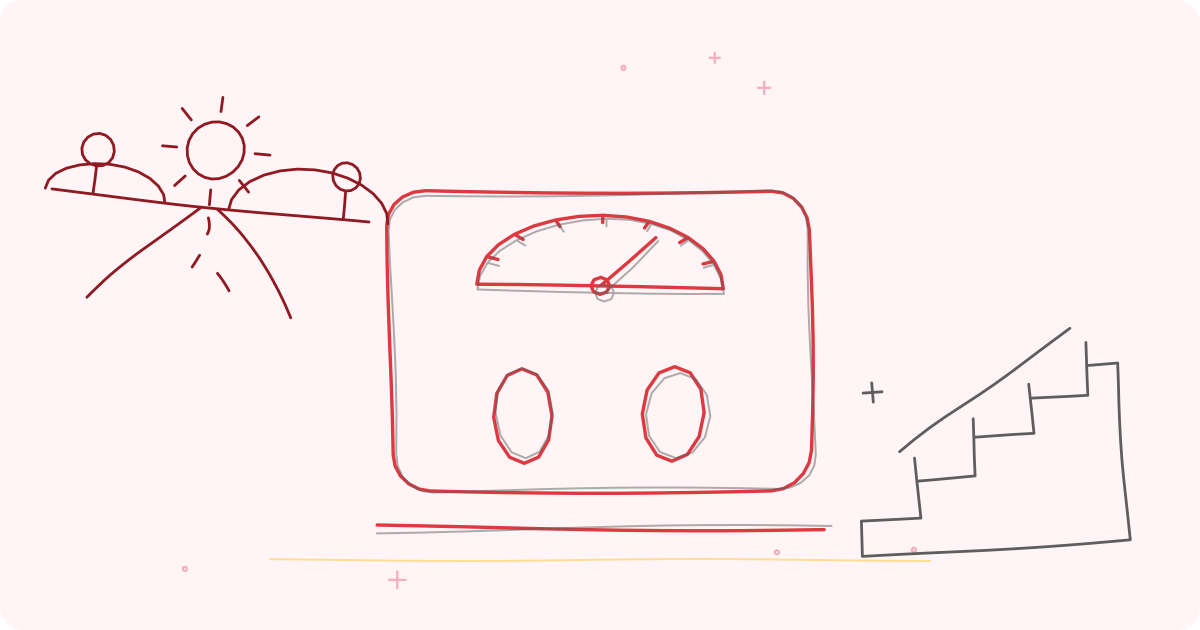
Step one: stand tall and relaxed
Ask your parent to stand as upright as they comfortably can in their normal shoes, with the arms hanging loosely at the sides and the shoulders level. If they are very unsteady, they can stand next to a wall or the back of a firm chair, and the person holding the tape or stick can stand beside them. Do not ask them to puff out the chest or stiffen the arms; a relaxed standing position gives the true measurement.
Step two: find the wrist crease
Look at the hand that will hold the stick. The wrist crease is the line where the hand meets the forearm, the one that deepens when you bend the wrist back. With the arm hanging at the side, this crease is the target height for the top of the handle. In practice you stand the stick next to the person, with the tip on the floor beside the foot, and check that the top of the handle lines up with the crease.
Another common method is to measure from the floor to the crease, and set the stick to that number. Most adjustable sticks have a scale or numbered holes, so this is easy to copy. A third method is to measure to the bony bump at the side of the thigh, the greater trochanter. The two methods agree closely for most people, but the wrist crease is easiest for families to do without special training.
Step three: check the elbow angle
Once the stick is set, ask your parent to hold the handle with the tip a short distance in front of and slightly to the side of the foot. Look at the elbow. It should be bent by about 20 to 30 degrees, a gentle angle, not straight and not sharply bent. A simple way to see it: the forearm should be nearly in line with the upper arm, with a small bend.
- If the elbow is almost straight, the stick is too long. The person will have to lean to the side to reach the ground, and the shoulder will rise.
- If the elbow is bent more than a right angle, the stick is too short. They will lean forward, and the back will tire.
- If the wrist is bent back or the thumb is pressed into the handle, the handle shape or height needs adjusting.
Adjust one hole at a time, test again and check again. Most sticks adjust in steps of about 2.5 cm, which is fine enough for everyday use.
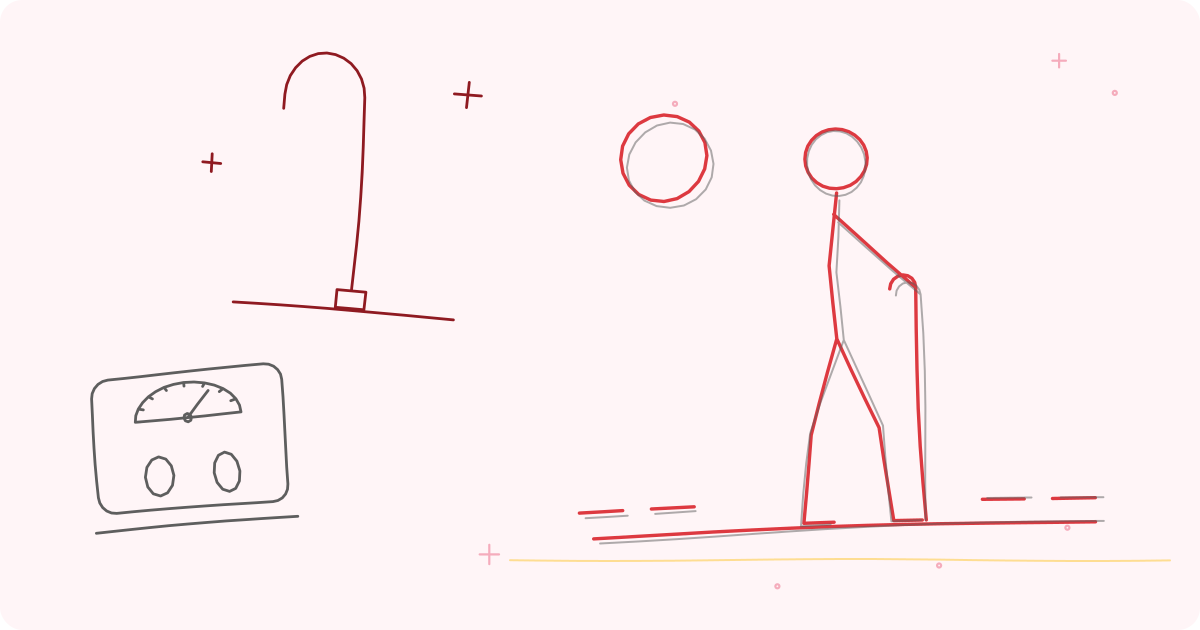
Step four: watch them walk
A static fit is only the start. Walk beside your parent for ten steps along a corridor and watch these things:
- The stick should move forward at the same time as the weak leg, and the person should put weight through it as the weak leg takes its step.
- The shoulders should stay level.
- The body should stay upright, not twisted or leaning towards the stick.
- The tip should land a short distance in front of and slightly outside the foot, not far ahead.
If any of these look wrong, adjust the height or ask a physiotherapist to look at the way your parent walks. The wrong height is one possible cause; other causes include weakness, pain, poorly fitting shoes and a stick in the wrong hand. Our guide on how to choose a walking stick explains how to pick the right hand and type.
Re-check when anything changes
Fitting is not a once-only job. Re-check the height when:
- your parent changes shoes, especially from flat sandals to thicker walking shoes, or the reverse;
- they lose or gain height from a spinal fracture, weight change or posture change;
- they recover from a stroke or surgery and their strength and stance improve;
- a different person borrows the stick, even briefly; or
- the push-button seems loose or the shaft slips.
A good habit is to check the height when you change the rubber tip, since the two jobs go together. Our guide to rubber tips for walking sticks explains how often to do that.
Special situations
Tall or short users. Standard adjustable sticks usually cover a range from about 70 cm to 95 cm. Very tall users, over about 185 cm, may need a longer model, and very small users may need a short one. Check the range before buying.
Uneven stance or a hunched back. If your parent has a curved spine or one shoulder lower than the other, measure to the wrist crease on the stick side while they stand as naturally as they can, and ask a physiotherapist to confirm. They may recommend a slightly different height.
Using a stick on stairs. The height stays the same, but remember that on a flight of stairs the stick may feel too long going up and too short going down. Use the handrail instead if there is one, and read our guide on using a stick on stairs and slopes.
Folding sticks. Folding models usually adjust in the lower tube. After you set the height, lock the joints and test by pressing down on the handle. A good folding stick should not flex noticeably. See our guide to folding walking sticks for travel.
Pivot-base sticks. The tilting foot adds a little to the length, so set the height with the foot flat on the floor and the stick upright.
When the height is right and it still does not feel right
Sometimes the stick is the correct length and the person is still uncomfortable. Look for these causes:
- The handle is too thin or too hard for arthritic fingers. A foam or offset grip helps.
- The wrist is painful. A wrist support or a different handle shape may help, and see wrist supports.
- The shoes are slippery or worn. Replace them, because a good stick on a bad shoe still slips.
- The stick is in the wrong hand. It should be on the side opposite the weak or painful leg.
- The stick is not enough support. If the person still leans heavily or loses balance, they probably need a walker; read when to move from a stick to a walker.
A quick fitting checklist
Print this and tape it inside a cupboard door, or take a photo for your phone.
- Stand tall in normal shoes, arms relaxed.
- Set the top of the handle at the wrist crease.
- Check a 20 to 30 degree bend at the elbow.
- Walk ten steps, and watch the shoulders and posture.
- Lock the push-button until it clicks and test it by pressing down.
- Check the tip is not worn.
- Re-check after any change of shoes, health or user.
When to ask a professional
A stick that fits is a good start, but a physiotherapist can do more. Ask for a professional assessment if your parent has fallen recently, feels dizzy, needs support from furniture indoors, has a changed way of walking or is afraid to go out. A professional can check strength, balance and gait, and advise whether a stick is enough.
Equipment mentioned in this guide
Frequently asked questions
How do I measure the right height for a walking stick?
Have your parent stand upright in their normal shoes with arms relaxed. Set the top of the handle level with the wrist crease. When they hold the handle, the elbow should bend by about 20 to 30 degrees.
Should the stick be measured in shoes or barefoot?
In the shoes your parent will walk in. A thicker sole changes the measurement, so re-check if they switch between sandals and trainers.
What happens if a walking stick is too long?
The shoulder rises, the elbow flares out and the body leans away from the stick, so the stick gives less support and can strain the shoulder and neck. It can also be harder to place accurately on the ground.
Can I cut a wooden walking stick to size?
Yes, a carpenter can cut a wooden stick and fit a rubber tip, but a cut stick cannot be made longer. Measure carefully, and consider an adjustable aluminium stick if the user's needs may change.
How often should the height be checked?
Check it whenever shoes, health or the user change, and whenever you replace the rubber tip. As a routine, a quick check every few months is sensible.
Sources and further reading
- Chartered Society of Physiotherapy, patient information on walking aids and sticks
- NHS patient information leaflets on using walking sticks, produced by hospital physiotherapy departments
- American Academy of Orthopaedic Surgeons, OrthoInfo: Using a cane, crutches or walker
- World Health Organization, Guidelines on the provision of manual wheelchairs and assistive products (general principles of fitting)
Tags: walking stick heightcane fittingwrist crease measurementmobility aidfalls preventionWalking and mobility aidsAdjustable walking stickFolding walking stickMobility and walking aidsHealthy ageing
This article is for general education and is not medical advice. Speak to your doctor before changing your exercise, diet or medicines.