Why the tip matters so much
When your parent puts weight through the stick, the force goes through the shaft and ends at a few square centimetres of rubber. The rubber must do three things at once: grip the floor so it does not slip, absorb a little shock so the jolt is not passed up the arm, and stay put on the shaft. A tip with a worn pattern does none of these well.
Surfaces make a difference. Polished marble, granite and vitrified tiles, so common in Indian homes, are very slippery when wet. Wet tar and leaf-covered paths after rain are also tricky. In dry weather, a hard, shiny tip on a smooth floor can slide sideways when the stick is angled. A wide, ribbed rubber tip with a large footprint lets more of the rubber touch the floor and channels water out of the way, which is why it performs better.
Signs that a tip must be replaced
Check the tip every week or two, and always before a trip. Replace it when you see any of these:
- Worn flat. The ridges, rings or tread pattern at the base have gone smooth, especially on one side. Sticks are often held at an angle, so one edge wears first.
- Worn on one side. An uneven tip tilts the stick and changes its angle on the ground.
- Cracked or split. Cracks let the shaft or its metal insert touch the floor, which then slides.
- Hard or glazed. Old rubber hardens in sun and heat and loses grip. If you press it with a fingernail and it feels like plastic, replace it.
- Loose or rotating. A tip that spins on the shaft, falls off in the hand or leaves a gap at the top is the wrong size or worn out inside.
- Exposed metal. If the shaft's end is showing at the base, the stick is unsafe and must not be used.
Sticks used daily on rough surfaces can need new tips every two to three months; sticks used indoors may last a year or more. There is no set time; the condition of the rubber decides.
What to look for when buying a tip
Diameter. Tips are sold by the diameter of the shaft they fit. The most common sizes for adjustable aluminium sticks are 16 mm, 19 mm and 22 mm. Many adjustable sticks use 19 mm. Measure the outer diameter of the lowest tube with a ruler or slide calliper, or take the old tip to the shop and match it. A tip that is too large will slip off; too small will not go on.
Shape and tread.
- Concentric rings or ridges. Good general grip on wet and dry floors.
- Wide, flared base. Spreads weight and gives more contact, helpful on uneven surfaces.
- Tilting or pivoting base. Used on pivot-base sticks; the foot stays flat even when the stick is angled.
- Studs or spikes. Retractable ice tips exist for snowy hill areas; they are not for indoor use.
Material. Soft natural or synthetic rubber grips better than hard plastic. Ask for a non-marking rubber if you use the stick on light flooring.
Quad stick feet. A quad stick has four small feet, each with its own rubber cap. All four need to be the same height and in good condition. Replace them as a set.
How to fit a new tip
1. Remove the old tip. Hold the shaft firmly and pull the tip off, twisting as you pull. If it is stuck, a little warm water softens it, or ask a shop to do it. 2. Clean the shaft end. Wipe off dirt and dust, and check that the end is not bent or burred. 3. Press on the new tip. Push firmly and twist until it seats against the shaft with no gap. On sticks with a metal ring or washer, make sure it sits correctly. 4. Test. Place the stick upright on the floor and press down with a hand. The tip should not move or twist. 5. Check the height. A new tip adds a few millimetres compared to a worn one, which can change the fit. Re-check the height using our fitting guide.
If the stick is a folding model, check that all sections are locked before you test.
Care and storage
- Keep tips dry. Wet rubber left for long periods can degrade, and mould can develop in humid cities.
- Keep away from heat and sun. Leaving a stick on a dashboard or in strong sun hardens rubber.
- Keep oils off. Cooking oil or grease on the tip makes it slippery. Wipe with a damp cloth and mild soap if it picks up oil.
- Do not drag the stick. Dragging scuffs the pattern.
- Keep a spare. Buy two or three tips and keep them in the drawer so a worn tip can be replaced the same day.
Tips for particular surfaces
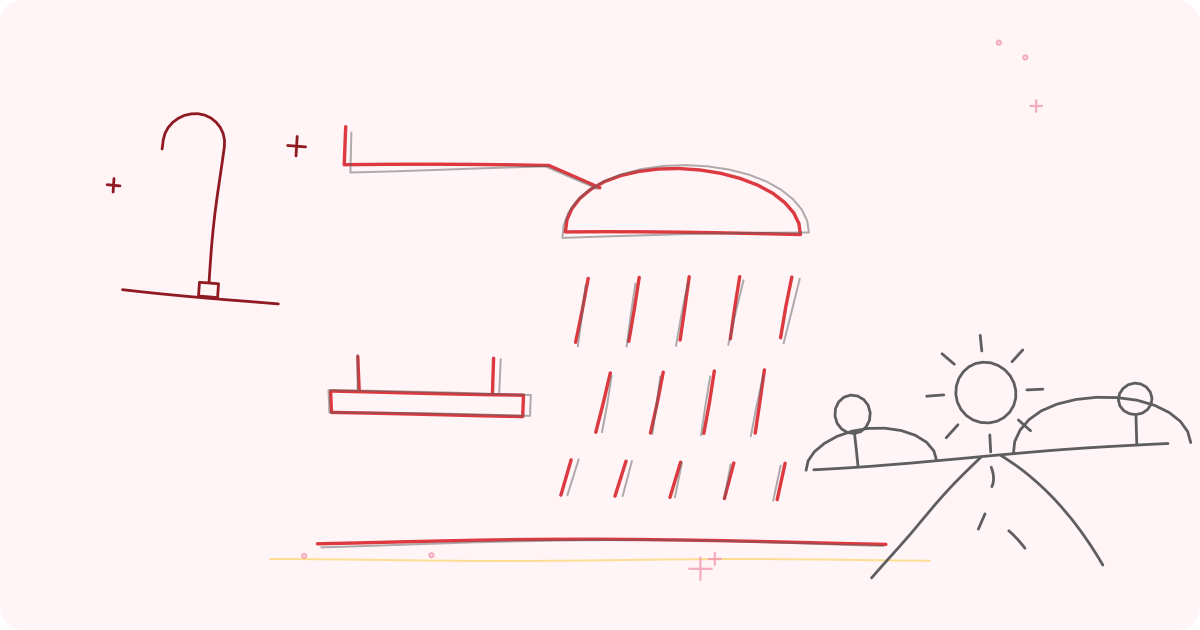
Wet bathroom floors. Avoid using a stick in a wet bathroom; use grab bars, a shower chair and a non-slip mat instead. If a stick must be used there, a wide rubber base on a dry floor is safer than a worn one. Read our bathroom safety checklist.
Polished marble and tile. Choose a wide ribbed tip and clean it regularly. Dust on the floor lowers friction, so mop before the walk.
Wet roads in the monsoon. A wide tip with deep channels, such as the type found on pivot sticks, clears water better.
Gravel and uneven garden paths. A flared tip helps, but consider a rollator or a walking frame if the ground is very rough.
Snow and ice (hill stations). A retractable ice tip can be fitted on top of the rubber for outdoor use, but must be flipped up indoors. Avoid walking on ice if possible.
Buying tips safely
- Buy from a reputable medical equipment supplier, a pharmacy or an official dealer.
- If your parent's stick is an unbranded one, buy a tip by diameter and test it carefully.
- Do not use rubber from other sources, such as furniture feet or bicycle grips, as a substitute; they are not made for the load or the slip resistance.
- Avoid very cheap tips that feel hard or smell strongly of solvent; softer, flexible rubber is generally better.
When to see a professional
If your parent is having more slips than before, the tip may not be the only problem. Ask a physiotherapist for a gait assessment if:
- the stick slips even with a good tip;
- they lean on the stick more than before;
- they have a new fear of falling; or
- they feel dizzy or unsteady even when sitting or standing.
Equipment mentioned in this guide
Frequently asked questions
How do I know what size tip I need?
Measure the outside diameter of the bottom tube of the stick, or take the old tip to a shop. The most common sizes are 16 mm, 19 mm and 22 mm, with 19 mm common on adjustable aluminium sticks.
How often should a walking stick tip be replaced?
As soon as the tread is worn, cracked or loose. For daily outdoor use that can be every two to three months; for gentle indoor use, it may be a year. Check weekly.
Can I use an old tip if it still looks fine?
Check it. Old rubber can look fine but be hard and glazed from sun, which means it grips poorly. If it feels like plastic or has lost its pattern, replace it.
Which tip is best for wet floors?
A wide, soft, ribbed or ring-patterned rubber tip, or a pivot-base foot that stays flat on the floor. Also keep the floor clean and dry, as no tip is perfect on soapy tiles.
Do quad sticks need new tips too?
Yes. Each of the four feet has a rubber cap that wears. Replace all four together so the base stays level.
Sources and further reading
- Chartered Society of Physiotherapy, patient information on walking aids
- NICE guideline NG249, Falls: prevention, assessment and management in older adults and adults at higher risk
- NHS hospital physiotherapy leaflets: looking after your walking aid
- American Academy of Orthopaedic Surgeons, OrthoInfo: Using a cane, crutches or walker
Tags: walking stick tipcane ferrulerubber tip replacementnon-slipfalls preventionWalking and mobility aidsAdjustable walking stickPivot-base walking stickMobility and walking aidsHealthy ageing
This article is for general education and is not medical advice. Speak to your doctor before changing your exercise, diet or medicines.