How a pivot-base stick works
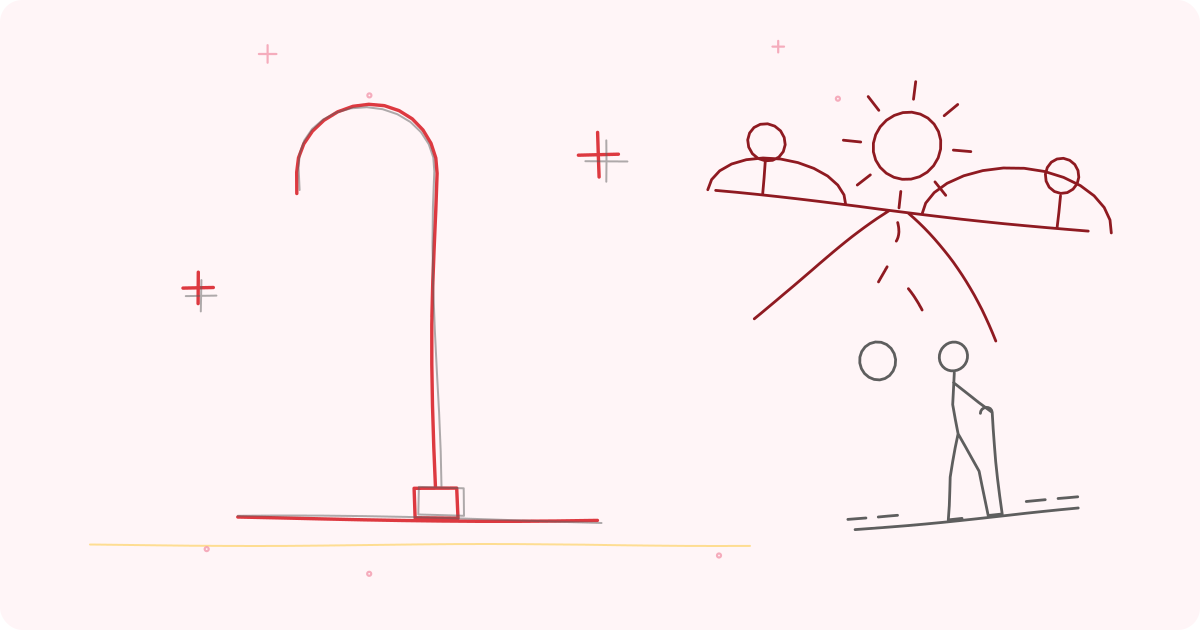
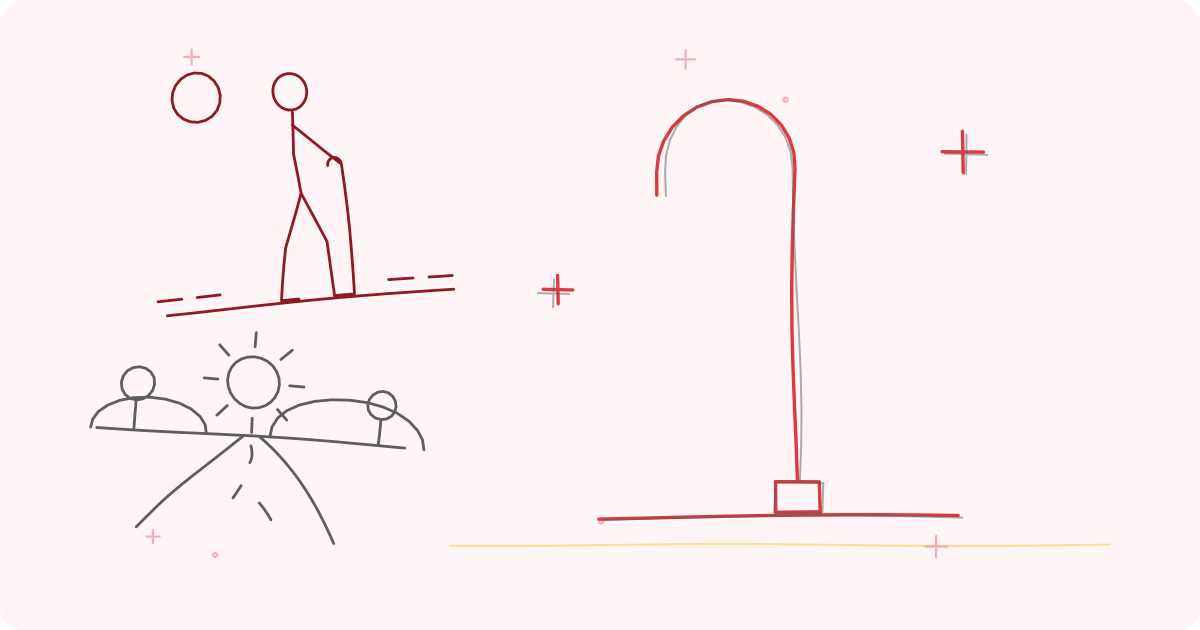
An ordinary stick ends in a round rubber tip fixed to the shaft. When the stick is held at an angle, which it nearly always is, only one edge of the tip touches the floor, giving less grip and more chance of a slide. A pivot-base stick has a flat rubber foot on a joint, usually a ball or hinge. As the stick moves, the foot can tilt to follow the angle of the shaft and stay flat on the ground. A larger, flat area touches the floor, and the grip does not change as the angle does.
Many pivot bases are wider than a standard tip and have ribs or rings in the rubber to channel water, and some have a spring or a locking feature that stops the foot from flopping about when the stick is lifted. The shaft itself is an adjustable aluminium tube like those of other sticks.
Who benefits
- People with mild to moderate unsteadiness who use a stick but find it slips, particularly on smooth or wet floors.
- People who walk on uneven or sloping ground, because the base adjusts to the surface.
- Older adults who live where it rains heavily, such as coastal and monsoon cities, where wet roads and tiles are slippery. See using a walking stick on stairs and slopes, which covers wet-weather habits.
- People who walk on tiles and polished stone indoors, where a tilting foot grips better.
- Those who lean at a variable angle, such as people with knee or hip pain who shift weight.
- People who find a quad stick too bulky but want more stability than a standard stick.
Who it does not suit
- People who need strong stability. A pivot base improves grip, but it does not widen the base of support the way a quad stick does. For hemiplegia, moderate unsteadiness or heavy leaning, a quad stick or walker is better. See quad stick buying guide.
- People with a tremor or poor control, because a floppy base may feel unpredictable. Choose a model with a locking or damped joint, and ask a physiotherapist.
- Heavy leaners. The joint is a wear point; choose a heavy-duty model with a high weight rating, or a different aid.
- Those who cannot lift the stick cleanly. The tilting foot can catch if the stick is dragged.
What to look for when buying
Weight limit. Standard pivot-base sticks are rated for about 100 to 136 kg. Choose one well above your parent's weight, and check how the joint is built.
The joint. A well-made ball or hinge joint should move smoothly but not feel loose. There should be no rattle. Check for a sturdy metal pin or ball, not thin plastic.
The foot. A wide, ribbed rubber foot. Check that it is firmly attached and not cracked. Replacement feet should be available.
Height range. The shaft should adjust to the wrist-crease height; see how to measure and set the height of a walking stick. The pivot base adds a little length, so set the height with the foot flat on the floor.
Handle. An offset or contoured handle with a soft grip is more comfortable; see walking stick handles compared.
Weight and folding. Some pivot sticks fold; check the joints and the fold lock.
Build quality. Check welds, locking buttons, finish and any rattles. In humid cities choose anodised aluminium that resists rust.
Using a pivot-base stick
Use it much as you would a standard stick, with some points.
1. Hold the stick in the hand opposite the weak or painful leg. 2. Place the foot flat a short distance ahead, with the base resting on the ground. 3. Move the stick and the weaker leg together, then step through with the stronger leg. 4. Lift the stick cleanly rather than dragging it, so the foot does not catch. 5. Keep the stick close to the body and the steps short.
The tilting foot lets you lean the stick slightly, but do not rely on it to tolerate extreme angles; keep the shaft reasonably upright. On stairs, follow "up with the good, down with the bad" and use the handrail.
Surfaces: where it helps and where it does not
Wet tiles and marble. The flat foot and rubber channels improve grip. Even so, no tip is perfect on soapy or oily floors. Keep floors dry and use non-slip mats and tape; see anti-slip tape and coatings.
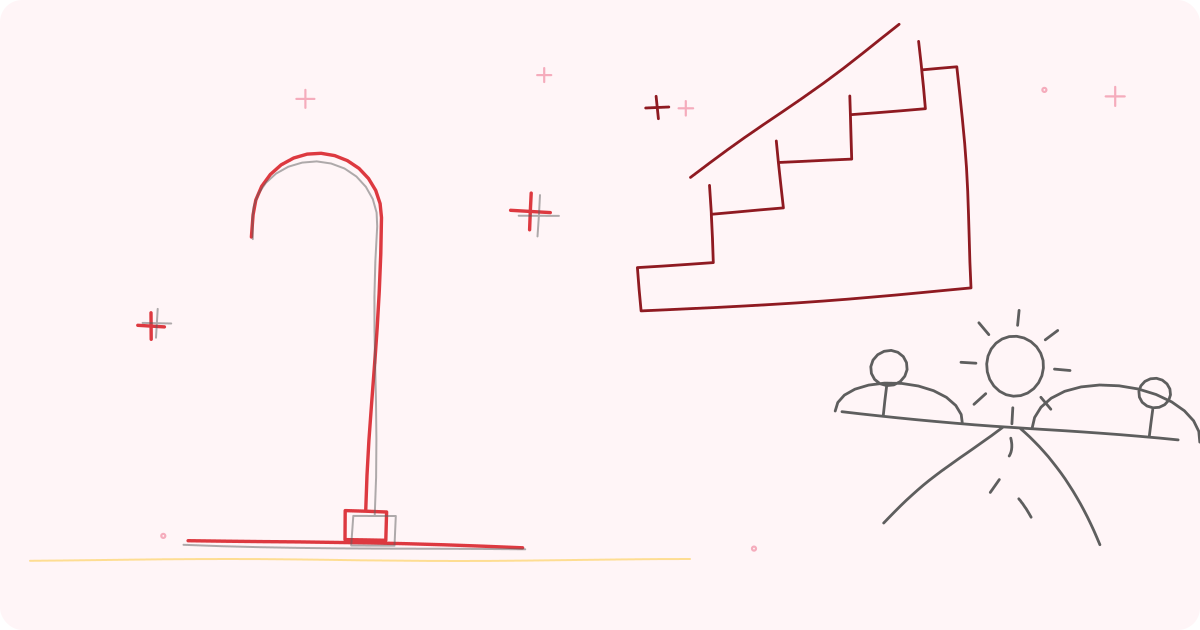
Slopes and ramps. The foot follows the angle, giving better contact. Be careful on steep slopes.
Uneven paths. Better than a standard tip, but gravel, sand and mud can still be difficult. A rollator with large wheels may be better for rough ground; see rollator buying guide.
Kerbs and steps. Place the foot flat on each surface.
Carpets and rugs. The joint can catch in thick pile. Remove loose rugs.
Bathrooms. A stick is not safe in a wet bathroom. Use grab bars, a shower chair and a non-slip mat instead; see bathroom safety checklist for seniors.
Care and maintenance
- Check the joint monthly. It should move smoothly without grit. Wipe away dust and sand.
- Check the foot weekly. Replace it when the tread is worn or cracked; see rubber tips for walking sticks.
- Dry the stick after rain. Water inside the joint can cause rust or sticking.
- Do not oil the rubber. A drop of light oil on a metal joint is fine, but keep it off the foot.
- Store upright or hung, not under heavy objects.
- Replace the stick if the joint is loose, bent or wobbly.
Pivot base versus other options
- Standard stick: lighter and simpler, with less grip on angled surfaces.
- Pivot-base stick: better grip and contact, a little heavier and with one more part to wear.
- Quad stick: a wider base and more stability, but bulkier and harder on stairs.
- Walker or rollator: much more support, with less manoeuvrability in tight spaces.
If your parent is unsure, ask a physiotherapist. A pivot-base stick is often a good step before a quad stick, particularly where the problem is a slipping tip, not poor balance. If your parent is falling or leaning heavily, a more supportive aid is needed; see stick or walker: which one does your parent need.
Tips for families
- Try the stick on the floors your parent walks on, not only in the shop.
- Check the height with the foot flat on the floor.
- Teach lifting, not dragging.
- Combine the stick with other safety steps: good shoes, lighting, handrails and clear floors.
- Keep a spare foot.
When to ask a professional
If your parent has had falls, feels unsteady, leans heavily on the stick or has pain, ask a physiotherapist for a walking assessment; see what to expect from a physiotherapist's walking assessment. A better stick does not replace strength training, medicine review or an eye check.
Equipment mentioned in this guide
Frequently asked questions
What is a pivot-base walking stick?
A stick whose rubber foot is on a joint, so it tilts and stays flat on the floor even when the stick is held at an angle. This gives more grip than a fixed tip.
Is a pivot-base stick safer than a normal stick?
On wet, smooth or uneven surfaces it grips better, which can reduce slips. It does not give extra support for balance the way a quad stick or walker does.
Can I use a pivot-base stick on stairs?
Yes, with a handrail and the usual rule of "up with the good, down with the bad". Place the foot flat on each step.
How do I know when to replace the foot?
When the tread is worn smooth, the rubber is cracked or the foot no longer sits firmly on the joint. Check weekly.
Is a pivot-base stick suitable for someone with a tremor?
It may feel unpredictable. Choose a model with a firm joint and ask a physiotherapist whether a different aid is safer.
Sources and further reading
- Chartered Society of Physiotherapy, patient information on walking aids
- NICE guideline NG249, Falls: prevention, assessment and management in older adults and adults at higher risk
- American Academy of Orthopaedic Surgeons, OrthoInfo: Using a cane, crutches or walker
- World Health Organization, WHO global report on falls prevention in older age (2007)
Tags: pivot base sticktilting base caneswivel tip walking stickstick for wet floorswalking stick for uneven groundmobility aidWalking and mobility aidsPivot-base walking stickMobility and walking aidsBathroom and toilet safety
This article is for general education and is not medical advice. Speak to your doctor before changing your exercise, diet or medicines.