What a pedal exerciser can and cannot do
It can: - keep the hips, knees and ankles moving, easing stiffness; - strengthen the thighs, calves and, with arm use, the shoulders and arms gently; - improve stamina when used regularly; - help circulation and reduce the heaviness of sitting for long periods; see sitting for long hours; - offer activity on days when going out is not possible; see exercising indoors in Indian summer and monsoon; - support mood and sleep through regular activity.
It cannot: - replace walking, balance practice or strength work for the whole body; see walking programme for older adults and balance exercises for seniors; - treat a heart condition, diabetes or arthritis, though exercise supports management; - help bone strength as much as weight-bearing exercise; - make a damaged joint better; pain means stop.
Types
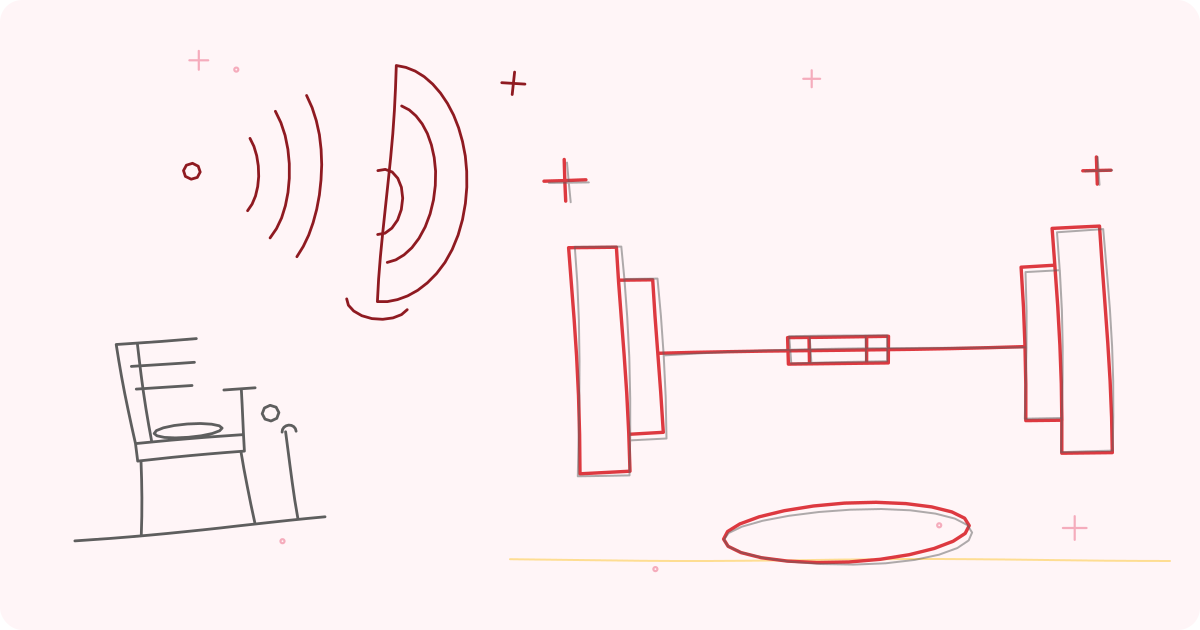
Mini pedal exerciser (compact). A small frame with two pedals and straps, placed on the floor in front of a chair. Lightweight, portable and cheap to run. It can often also be placed on a table for arm use. The simplest choice for most.
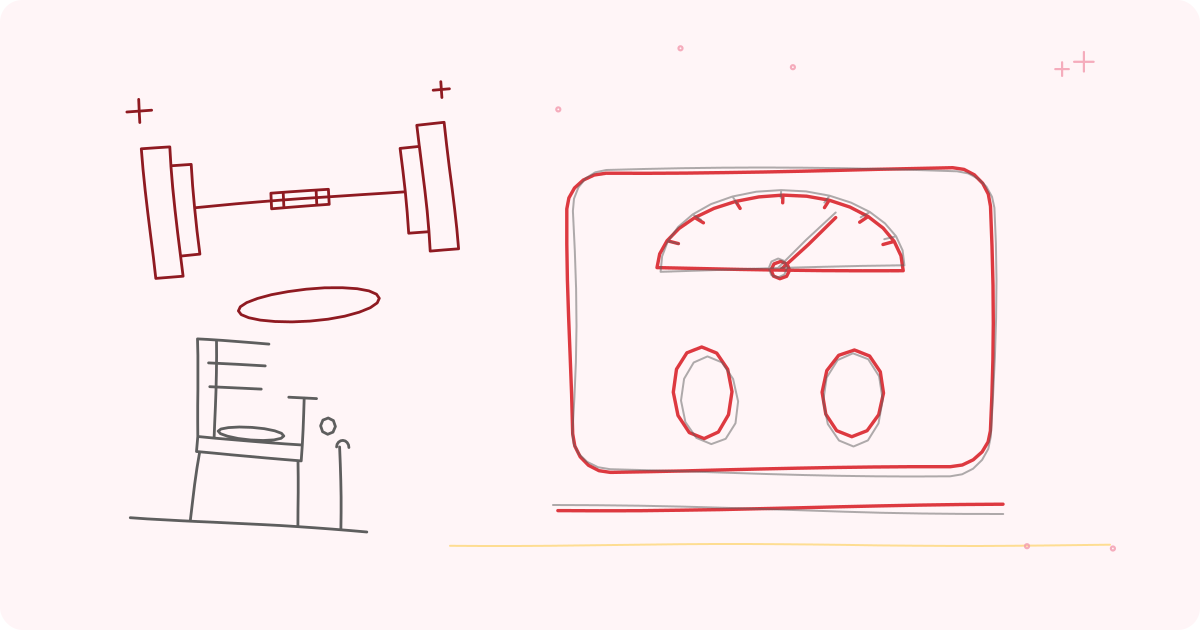
Pedal exerciser with a display. Shows time, speed, distance and approximate calories. The numbers can motivate, but are approximate.
Pedal exerciser with a seat and backrest (recumbent style). A fuller machine with its own seat, handlebars and larger resistance. More stable and suited to those who want a longer session, but takes space and costs more to buy.
Motorised pedal exercisers. Powered units that move the pedals for you (passive movement) or assist. Used in therapy for people who cannot pedal themselves. Only use under professional guidance, as forced movement can injure stiff joints.
Under-desk bikes. Similar to mini exercisers, for office use.
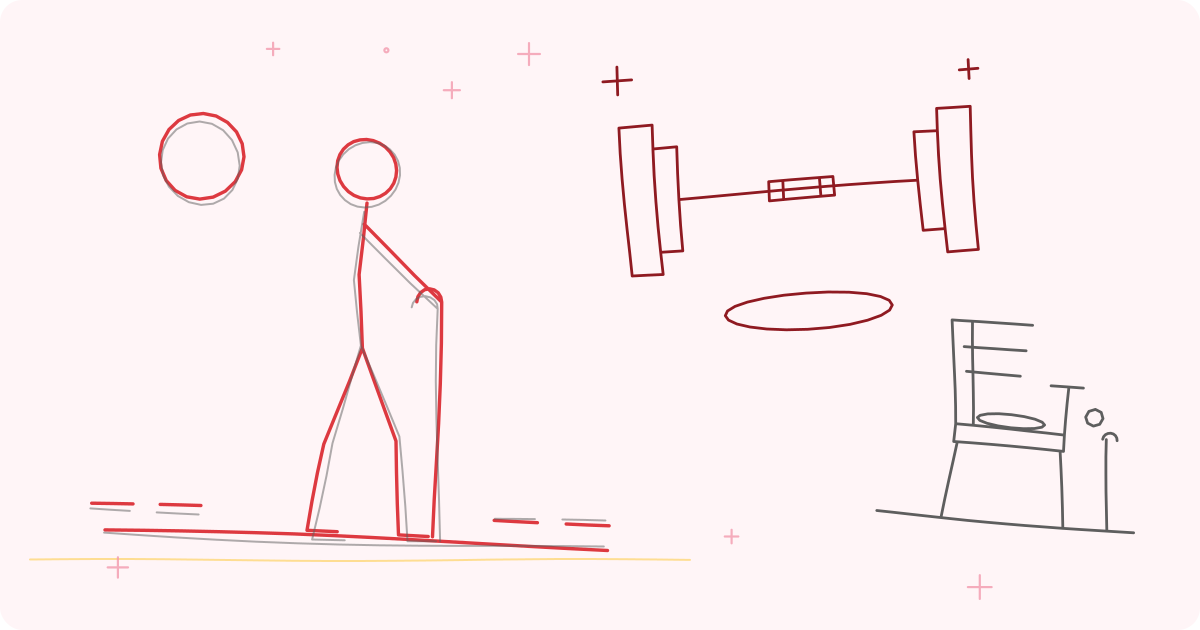
Features to check
- Stability: a wide, solid base with non-slip rubber feet that does not creep forward on marble or tile. Press the frame with your feet before buying; it should not rock or slide. A non-slip mat or a rubber mat helps; see yoga mats and floor exercise safety.
- Adjustable resistance: a knob that lets you set very light to firmer resistance. Choose a unit that has a genuinely light setting. Smooth turning matters; a jerky pedal strains the knees.
- Pedal size and straps: large pedals with adjustable straps that hold the feet without squeezing. For swollen feet, wide straps help. Heel cups or non-slip tread keep the feet from sliding.
- Pedal crank length: a shorter crank means smaller, gentler knee movement, helpful for stiff knees.
- Smooth, quiet operation.
- Weight and handles: easy to lift and carry for a person with weak arms.
- Table use: a stable, non-slip base if used for arms; do not place on an unstable table.
- Display and controls: large, readable digits for poor eyesight.
- Material and finish: rust-resistant in humid climates.
- Weight limit: check that it exceeds the user's weight.
- Build quality and support: buy from a reputable seller with a return policy; see spotting fake or poor quality care products and equipment returns, warranty and servicing.
Who should check first
Ask a doctor before starting, or before increasing effort, if you have:
- heart disease, chest pain, heart failure, a past heart attack or irregular heartbeat; see exercise with heart disease;
- uncontrolled high blood pressure, or dizziness or fainting;
- a recent operation, hip, knee or spine surgery, or a recent fracture; follow the surgeon's plan and see using a pedal exerciser after surgery;
- a swollen, painful or red leg or any history of deep vein thrombosis, which may be a clot and needs urgent medical review, not exercise;
- severe arthritis, a painful knee or hip, or a recent joint injection; see exercise with arthritis;
- diabetes with numb feet or foot sores; see exercise with diabetes and diabetic foot care at home;
- poor circulation with leg pain on walking;
- lung disease and breathlessness;
- osteoporosis with fractures, or severe balance problems;
- a pacemaker or other implanted device, where heart rate response needs medical advice.
Setting up safely
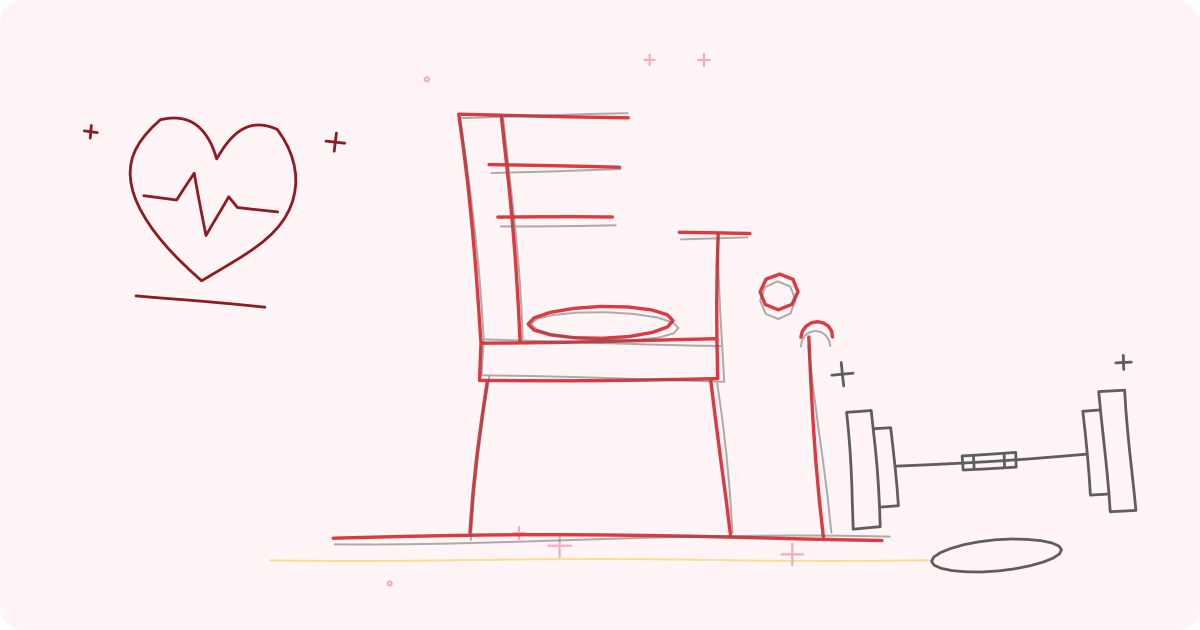
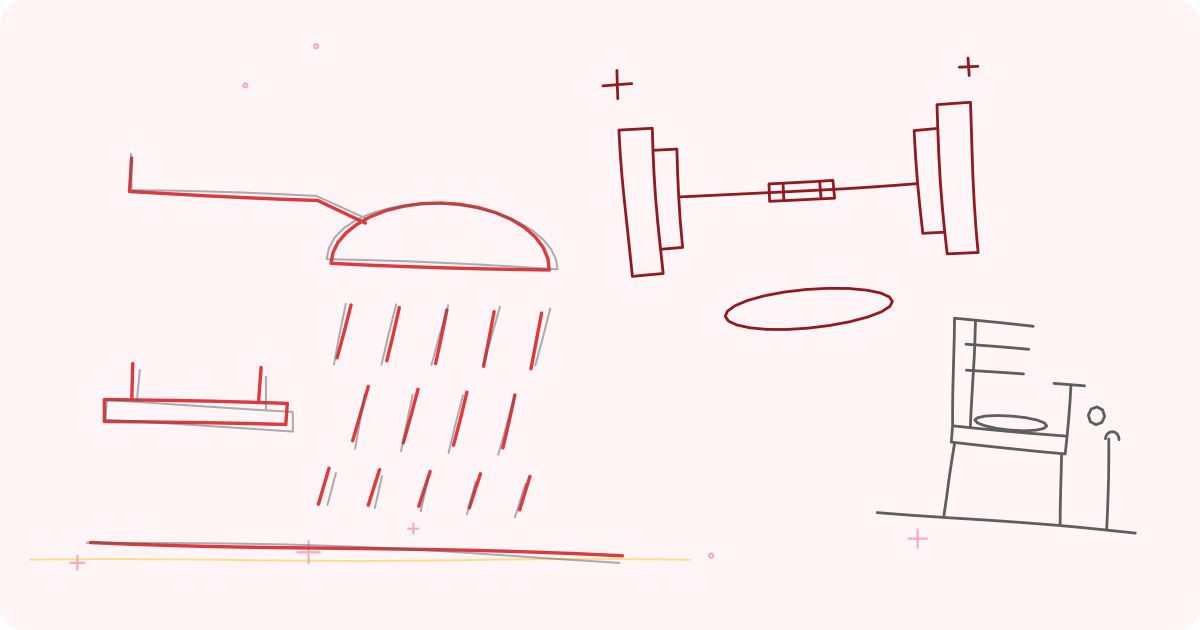
1. Choose a sturdy chair with a firm seat, no wheels and, if possible, arms, placed against a wall so it cannot slide backward. 2. Place the exerciser on a non-slip mat or on a surface where it cannot move, and in front of the chair, so the knees are not too bent at the top of the pedal stroke. 3. Check the distance: at the lowest point of the pedal, the knee should be slightly bent, not fully straight and not locked. At the highest point, the knee should not rise above the hip level uncomfortably. Move the chair or exerciser until this feels natural. 4. Sit tall, back against the chair, shoulders relaxed, feet flat on the pedals with the whole sole supported and the straps snug but not tight. 5. Set the resistance to the lowest level at first. 6. Keep the chair-arms or a stable support within reach. 7. Wear closed, non-slip footwear or well-fitting socks if the straps are comfortable; see choosing shoes for older feet. 8. Have water nearby and a phone or alarm if alone. 9. Clear the floor of rugs, wires and pets. 10. Keep a cushion on a hard chair if needed; see seat cushion buying guide.
How to use it
Legs - Start with two to five minutes at very easy resistance, pedalling slowly and smoothly. - Build up by one or two minutes every few sessions, as comfortable, towards 10 to 20 minutes, in one go or in two or three shorter sessions. - Use the talk test: you should be able to speak in sentences. If you cannot, slow down. - Pedal forward; reverse pedalling is sometimes used for variety, but only if comfortable and the equipment allows. - Increase resistance only slowly and only after the lower level feels easy for two weeks. - Pause if the knees ache or the feet go numb or tingle; check the set-up, and rest. - Sit tall and avoid hunching or gripping the chair arms tightly. - Breathe normally. - Cool down with a minute of very slow pedalling, then stretch the calves and thighs gently; see stretching for stiff older bodies.
Arms (if the unit allows) - Place the exerciser on a sturdy table at about chest height, sit close, and turn the pedals with the hands, with elbows slightly bent and shoulders relaxed. - Start with one to two minutes of light, smooth turning, in both directions if comfortable. - Keep the table stable; do not lean on the exerciser. - Stop if the shoulders or wrists hurt, and avoid raising the unit above shoulder height. - Skip this if you have shoulder, elbow or wrist problems or a recent chest or breast operation, unless a therapist agrees.
Frequency. Most people start with three to five days a week, short sessions, and increase gradually. As part of a week, it counts toward moderate activity but does not replace strength and balance practice.
Stop if
Stop pedalling and rest or seek help if you notice:
- chest pain or tightness, palpitations, severe breathlessness, dizziness or faintness;
- sudden pain in a joint or the calf, or swelling in a leg;
- numbness or tingling in the feet;
- feeling very unwell, cold sweat or nausea;
- a sudden weakness on one side, slurred speech or facial droop (call 112).
Common problems and fixes
- The unit creeps away. Use a non-slip mat or place it against a wall or the bottom of a sturdy furniture piece, which is stable and not lightweight.
- Knee pain. The chair may be too low or too close. Raise the seat with a firm cushion, move the exerciser further away, use a shorter crank or lighter resistance. Ask a physiotherapist.
- Feet slip. Tighten the straps, use non-slip footwear.
- Calf cramps. Warm up first, reduce resistance, drink water and stretch; see restless legs and night cramps.
- Squeaking or rough turning. Check for loose parts and follow the maker's cleaning advice; do not use a damaged unit.
- Boredom. Pedal while listening to music, a prayer or a favourite programme, or with a family member nearby.
- Hot, humid weather. Use a fan, wear light clothes and keep water ready; see heat stroke and dehydration in seniors.
Making it part of a routine
- Link it to something you already do, such as the evening news.
- Keep it in a place where it is easy to reach, not buried in a cupboard.
- Keep a simple tick chart.
- Review progress after a few weeks.
- Family and carers can encourage without nagging; see motivating a parent to exercise.
- Combine with other activity: see exercise at home for seniors: a safe starter guide and chair exercises for seniors.
Cleaning and care
Wipe with a damp cloth, and dry; keep away from water, dust and sun. Check screws and pedal straps regularly. Store in a dry place. Replace worn straps or pedals. Do not oil moving parts unless the maker advises.
When to ask a professional
Ask a doctor if you have heart, circulation, diabetes, bone or joint problems, or any symptoms during exercise. A physiotherapist can adjust the set-up, set resistance and time, and fit pedalling into a wider programme, especially after surgery. A qualified exercise professional experienced with older adults can supervise. In an emergency, call 112.
Equipment mentioned in this guide
Frequently asked questions
How long should an older adult pedal each day?
Many people start with two to five minutes and build up to 10 to 20 minutes, in one or more sessions, if it feels comfortable. Follow your doctor's or physiotherapist's advice if you have a medical condition.
Is a pedal exerciser a substitute for walking?
No. It is gentle, low-impact activity, useful when walking is hard, but walking, balance and strength work offer extra benefits.
Can I use it with knee arthritis?
Many people find pedalling at low resistance eases stiffness, but a painful or swollen knee needs advice first. Stop if pain increases, and ask a physiotherapist about the set-up.
Can I use one if my leg is swollen?
Not before a doctor checks, particularly if only one leg is swollen, red or painful, since it could be a clot. See a doctor first.
Sources and further reading
- World Health Organization, Guidelines on physical activity and sedentary behaviour (2020)
- American College of Sports Medicine, Exercise and Physical Activity for Older Adults (position stand)
- NICE guideline NG158, Venous thromboembolic diseases: diagnosis, management and thrombophilia testing
- Chartered Society of Physiotherapy, patient information on exercise
Tags: pedal exerciserseated cyclingunder desk bikeleg exerciserlow impact exerciseexercise for limited mobilityGentle exercise at homeSeated pedal exerciserMobility and walking aidsCushions, pillows and comfort
This article is for general education and is not medical advice. Speak to your doctor before changing your exercise, diet or medicines.