Why recovery needs special care
- Surgery and illness weaken the body. Muscle loss, reduced stamina, pain, fatigue and poor appetite are common; see rehabilitation after fracture or surgery: physio plan and hospital admission and discharge for seniors.
- Movement rules differ. After a hip replacement, bending the hip beyond a set angle may be restricted for weeks; after a knee replacement, the aim may be to bend and straighten within a range; after spine surgery, bending and twisting may be restricted; after abdominal surgery, straining may be limited; after a fracture, weight and movement are controlled. The pedal motion could break these rules if set up wrongly. See hip replacement recovery equipment and knee replacement recovery equipment.
- Blood clots. Immobility and surgery raise the risk of deep vein thrombosis. Gentle leg movement can help prevent them, but a leg that is already swollen, red, warm or painful needs urgent medical review, not exercise.
- Wounds. Excess movement or sweat can irritate a healing wound.
- Heart and blood pressure. Recovery may be complicated by arrhythmia, anaemia or low blood pressure on standing.
- Medicines. Pain medicines, blood thinners and others can cause drowsiness or dizziness.
- Falls risk. Weakness and unfamiliar equipment increase the chance of a fall.
Ask the team first: what to ask
Before buying or using a pedal exerciser after surgery or a hospital stay, ask the surgeon, physiotherapist or doctor:
1. Is a pedal exerciser appropriate for me or my parent at this stage? If not, when? 2. Are there movement limits for the hip, knee, back, shoulder or abdomen, and how does pedalling fit within them? 3. How far should the seat be from the pedals, and should I avoid any position? 4. Is there any weight-bearing restriction? Pedalling is usually non-weight-bearing, but pedals still load the leg. 5. How long and how often, and how should I start? 6. How should I use resistance? Lowest setting only, or none? 7. Should I use the pedals for arms, or avoid this? After chest, breast, shoulder or heart surgery, arm use may be restricted. 8. What symptoms should make me stop and call? 9. Do I need compression stockings or blood thinners, and how do they fit with exercise? 10. When will you review the plan?
Write the answers down and follow them. If the team says no or "not yet", accept that, and ask what they recommend instead.
If the team approves: set-up and gentle start
The notes below are general safety points for sitting, set-up and monitoring. The details of how long, how hard and with which movement limits come from your own team, not this guide.
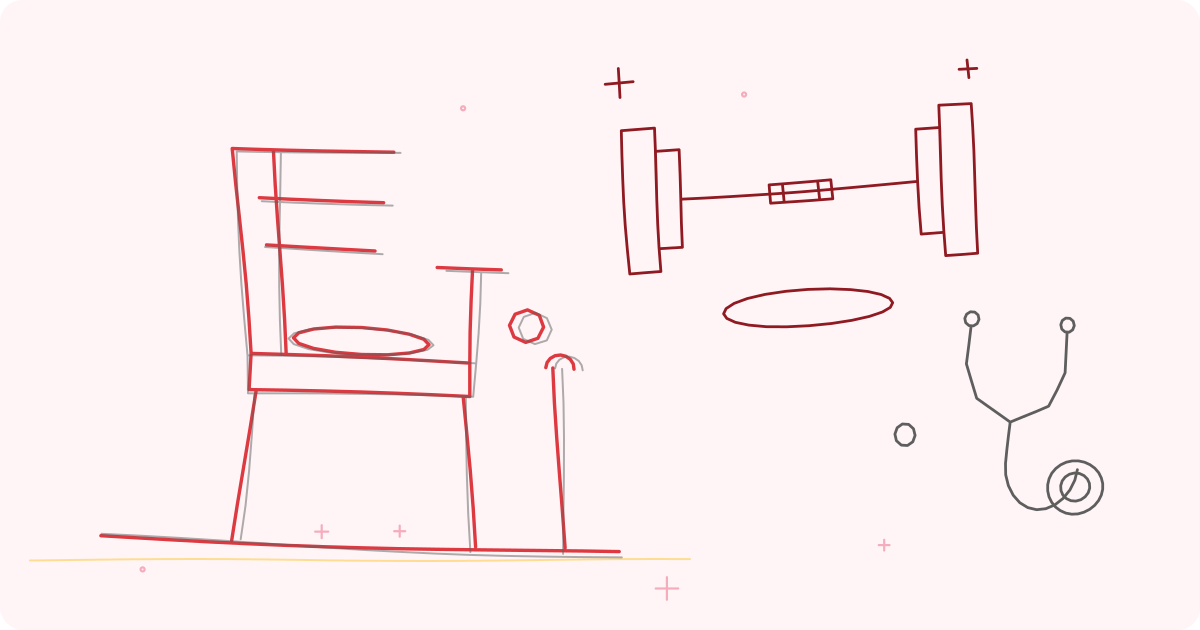
Set-up - Sturdy chair with a firm seat, no wheels and, ideally, arms, against a wall. After hip surgery, the seat height may matter: a higher, firmer seat keeps the hips above the knees; follow your team's advice. A firm cushion can raise a low chair; see seat cushion buying guide. - A non-slip mat under the exerciser, and a stable, uncluttered area. - Position the exerciser so that the knee never straightens fully or bends more than the team permits. Start with the unit placed further from the chair, to keep the movement small, and adjust only on advice. - Footwear and straps: wear closed, supportive footwear; keep straps snug but not tight, particularly with swelling. - Lowest or zero resistance at first. - Someone nearby, particularly in the first sessions, and a phone or alarm within reach; see panic pendant buying guide. - Water and a quiet, cool room. - Check the legs and wound before starting each session.
Starting - Very short sessions, a minute or two at a time, if your team agrees, with pauses, and several times a day rather than one long session. - Slow, smooth pedalling. No pushing through pain. - Notice how the operated limb feels during and afterwards: some mild stiffness or ache may be expected, but sharp pain, a new swelling or increased redness is not. - Do not progress by more than the team advises. Do not increase resistance or time on your own just because it feels easy. - Keep to other parts of the plan: prescribed exercises, walking aids, elevation, breathing exercises and medicines; see walking frame after hip or knee surgery and leg elevation pillow guide.
Stop and call if
Stop at once and contact the surgical team, a doctor or emergency services if you see:
- chest pain, sudden breathlessness, coughing blood, fainting or a racing heart: call 112, since these can signal a clot in the lung or a heart problem;
- a swollen, hot, red or painful calf or thigh, particularly one-sided: urgent medical review for a possible clot;
- sudden severe pain in the operated limb, a limb that looks deformed, or a feeling that something has "given way";
- wound redness, heat, swelling, discharge or opening, or fever;
- dizziness, light-headedness or very low energy;
- numbness, tingling, a cold or pale foot;
- a fall or near-fall.
How it fits into a day of recovery
A pedal exerciser should be one small piece of recovery, not the whole plan.
- Walking and getting up: short, frequent walks with the walker or stick as taught; sitting out of bed; see how to use a walking frame correctly.
- Prescribed exercises: these come first.
- Breathing exercises and coughing as taught, to protect the lungs.
- Rest and sleep: recovery is tiring.
- Food and fluids: protein and fluids support healing; see how much protein do seniors need and hydration for older adults.
- Medicines and pain control: taken as prescribed; see painkillers and older adults.
- Skin and wound care; see wound care at home for older adults.
- A safe home: clear floors, night lights and bathroom aids; see falls risk assessment at home.
- A monitoring plan after hospital: see monitoring a parent after hospital discharge.
After a hospital stay without surgery
After pneumonia, a heart episode, a stroke or other illness, weakness is also common. The same principles apply: ask the doctor or physiotherapist when and how much; start tiny, with rests; watch for symptoms such as breathlessness, chest pain, dizziness or leg swelling; and rebuild gradually. After a stroke, see exercise after a stroke at home; after heart illness, see exercise with heart disease. Never use a pedal exerciser to treat a swollen leg without a diagnosis.
Choosing the equipment
If your team approves, choose a stable unit with a non-slip base, a genuinely light resistance setting, comfortable straps and a smooth action; see pedal exercisers: seated cycling for legs and arms for the features. Renting or borrowing a unit for the recovery period can make sense; see equipment to rent vs buy checklist. Avoid motorised units that move the legs for you unless a therapist advises.
Family and carers
- Encourage, do not push. Fatigue and fear are normal.
- Be present, at least at first, to help with set-up and to watch for symptoms.
- Keep a log: date, minutes, how it felt, any pain or swelling; share it with the team.
- Respect rest.
- Look after yourself; see caregiver burnout signs and prevention.
- Know the numbers: the surgical team and 112.
When to ask a professional
The surgeon or surgical team decides what movement is safe. A physiotherapist can fit a pedal exerciser into the plan, set it up and teach progression. A doctor or nurse can advise on medicines, blood thinners, wound care and warning signs. An occupational therapist can advise on the home. In an emergency, call 112.
Equipment mentioned in this guide
Frequently asked questions
Can I start a pedal exerciser straight after surgery?
Only if your surgeon or physiotherapist says so. Different operations have different movement limits, and the wrong set-up can cause harm.
Will pedalling prevent blood clots?
Gentle leg movement can help circulation, but it does not remove the risk, and your team may also prescribe medicines or stockings. A swollen, painful calf needs urgent assessment.
How long should I pedal after a hip or knee operation?
That depends on your operation and your team's plan. Follow their advice and do not progress on your own.
Is it safe to use after a hospital stay with pneumonia?
Often a short, gentle session can help rebuild strength, but ask your doctor when to start, and stop for breathlessness, chest pain, dizziness or a racing heart.
Sources and further reading
- NICE guideline NG158, Venous thromboembolic diseases: diagnosis, management and thrombophilia testing
- NICE guideline NG157, Joint replacement (primary): hip, knee and shoulder
- World Health Organization, Guidelines on physical activity and sedentary behaviour (2020)
- Chartered Society of Physiotherapy, patient information on recovery and exercise after surgery
Tags: pedal exerciser after surgeryrecovery exercisehospital stay recoverybed rest weaknesspost operative exerciseseated exerciseGentle exercise at homeSeated pedal exerciserCushions, pillows and comfortMobility and walking aids
This article is for general education and is not medical advice. Speak to your doctor before changing your exercise, diet or medicines.