Why legs swell
Fluid moves constantly between the blood vessels and the tissues. When it collects faster than it is removed, the tissue swells, a condition called oedema. In the legs this is often because:
- Gravity and inactivity. Long periods of sitting or standing, especially in hot weather, let fluid pool. The calf muscles normally pump fluid upwards when we walk, so sitting still reduces this.
- Weak veins. Valves in the leg veins weaken with age (chronic venous insufficiency), so blood and fluid back up. Varicose veins are a sign.
- Heart failure, where a weak heart does not pump efficiently and fluid builds in the legs, often with breathlessness. See heart failure at home guide.
- Kidney or liver disease, which alter the body's fluid balance.
- Medicines, such as some blood pressure tablets (particularly calcium-channel blockers), steroids, some diabetes medicines and anti-inflammatory painkillers.
- Low protein levels from poor nutrition or illness.
- Injury, infection or a blood clot, which usually affect one leg.
- Hot weather and salty food.
- Lymphatic problems, after surgery or radiotherapy.
Because the causes range from harmless to serious, new or increasing swelling should always be mentioned to a doctor. See swollen legs in older adults.
How elevation helps
Raising the legs above the level of the heart lets gravity help fluid drain out of the lower legs. It can reduce swelling, heaviness and discomfort within half an hour, and it takes pressure off the veins. It is a simple, drug-free measure that is often recommended alongside walking, calf exercises and, where prescribed, compression stockings; see compression stockings guide.
Elevation is a comfort and management measure, not a treatment for the cause. If swelling returns quickly or keeps increasing, the underlying problem needs attention.
Types of leg elevation aids
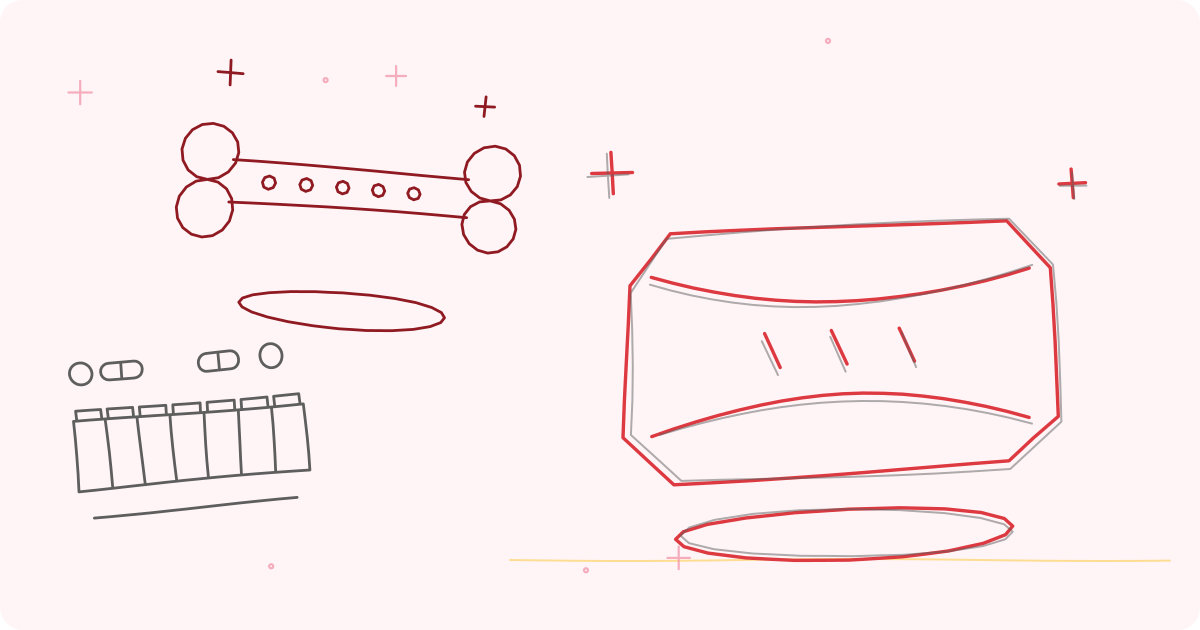
Wedge-shaped leg pillow. A foam wedge that slopes up from the ankles to the knees, or from the foot to the thigh, that holds the legs raised and supported along their length. The most useful and stable kind.
Leg rest cushion with a cut-out. A cushion with a groove for the calves, keeping the legs in place and avoiding pressure behind the knees.
Heel-lifting pillow or foam blocks. Raise only the feet, and are less effective than supporting the whole leg.
Bed wedge. A large wedge that raises the legs or the whole bed section; see wedge pillows.
Adjustable bed or recliner. An adjustable bed or a recliner with a footrest that elevates the legs; see hospital beds at home. A recliner raises the legs but often bends the knees too much, so check the angle.
Stacked pillows. An improvised option, but they slip and give poor support.
Choosing a pillow
Height. The feet should rest above the level of the heart, usually 15 to 30 cm (6 to 12 inches) above the hips when lying flat on the back. A pillow that is too low does little.
Length. Supports the whole calf from the heel to just below the knee, so there is no pressure behind the knee or on the heel.
Firmness. Firm, high-density foam that holds its shape, with a soft covering. Soft foam collapses.
Width. Wide enough for both legs or for one at a time.
Cover. Removable, washable, breathable and non-slip.
Weight and portability. Light enough to move.
Fit with the bed or chair. Make sure it works on your parent's bed, sofa or recliner.
How to use it
1. Lie on your back on the bed or sofa, with a pillow under the head. 2. Place the pillow under the calves, so that the heels are slightly above the knees and the knees are slightly bent, not locked straight. 3. Check that the legs are higher than the heart, with support along the calf and no pressure under the knee or on the heel. 4. Relax for 15 to 30 minutes, two or three times a day, or as your doctor advises. Moving the ankles up and down while elevated helps circulation. 5. Get up slowly, sitting for a moment before standing, since some people feel dizzy.
During the day: where possible, avoid long periods of sitting with the legs down, and walk regularly. If sitting, use a footstool, though a footstool only partly helps unless the legs are raised above the heart.
At night: some people find elevation in bed comfortable; others find a raised position uncomfortable. If you sleep with the legs raised, check that the pillow does not strain the lower back or cause sliding.
Safety points
- Do not use elevation without medical advice if your parent has heart failure, severe peripheral arterial disease or a suspected blood clot. In heart failure, raising the legs sends more fluid to the heart and may cause breathlessness. In arterial disease, raising the legs can worsen pain.
- Watch for breathlessness. If your parent becomes breathless on lying with the legs raised, stop and call the doctor.
- Protect the heels. In a frail person who spends long hours in bed, pressure on the heels can cause sores; check the skin daily; see preventing bedsores at home. A pillow that floats the heels off the bed is helpful.
- Avoid pressure behind the knee, which can restrict circulation.
- Skin checks. Swollen skin is fragile and tears easily. Keep it moisturised and handle gently.
- Do not wrap legs tightly, and use compression only as prescribed.
Other measures that help
- Walk regularly, since calf muscles pump fluid upward.
- Ankle pumps and circles while sitting.
- Avoid prolonged sitting and standing, and cross-legged posture.
- Reduce salt, if the doctor advises; see nutrition for heart health after 60.
- Check medicines with the doctor, not stopping them yourself.
- Compression stockings if prescribed, with correct sizing; see compression stockings: measuring, sizing and putting them on.
- Maintain a healthy weight.
- Daily weights, if the doctor has advised, for heart conditions; see daily weights in heart failure.
- Skin care. Moisturise and look for cracks.
- Footwear. Wide, adjustable shoes; see walking aids and footwear.
Warning signs: see a doctor
Seek medical help promptly for:
- swelling in one leg that is new, painful, red or warm (possible clot or infection);
- swelling with breathlessness, chest pain, or needing more pillows to sleep (possible heart problem);
- rapid weight gain over days, or swelling of the abdomen, face or hands;
- swelling with fever, redness or spreading warmth (possible infection, cellulitis);
- skin that is shiny, tight, weeping or breaking down, or ulcers on the legs;
- swelling after starting a new medicine; or
- reduced urine output, fatigue or confusion.
Call emergency services (112) for sudden breathlessness, chest pain, or coughing blood.
Care of the pillow
Wipe or wash the cover regularly, air the foam and avoid direct sun. Replace the pillow when it flattens. Keep a spare cover.
When to ask a professional
A doctor should assess new, worsening or one-sided swelling. A nurse can advise on skin care and compression, and a physiotherapist on exercises. An occupational therapist can advise on positioning and beds. Our care advisors can arrange a nurse visit and recommend equipment.
Equipment mentioned in this guide
Frequently asked questions
How high should I raise my legs to reduce swelling?
Above the level of the heart, usually 15 to 30 cm above the hips when lying on the back, with the whole calf supported and no pressure behind the knee.
How long should I keep my legs up?
Typically 15 to 30 minutes, two or three times a day, or as your doctor advises. Longer periods are fine if comfortable, but not if breathless.
Is leg elevation safe for everyone?
Not always. People with heart failure or severe arterial disease should get a doctor's advice first, since raising the legs can cause problems.
Do I need a special pillow?
A firm wedge or leg-rest pillow works better than stacked ordinary pillows, which slip and give uneven support.
What if only one leg is swollen?
See a doctor promptly. Swelling in one leg, especially with pain, redness or warmth, can be a blood clot or infection.
Sources and further reading
- NICE Clinical Knowledge Summaries, Leg swelling and oedema
- British Heart Foundation and Heart Failure guidelines (NICE NG106, Chronic heart failure in adults: diagnosis and management)
- NICE guideline CG168, Varicose veins: diagnosis and management
- World Health Organization, World report on ageing and health (2015)
Tags: leg elevation pillowswollen feetswollen anklesoedemaraise legsleg swelling at nightCushions, pillows and comfortJoint and pain supportHealth monitoring devicesHealthy ageing
This article is for general education and is not medical advice. Speak to your doctor before changing your exercise, diet or medicines.