Why weight shows fluid
One litre of fluid weighs about one kilogram. When the body holds extra fluid, weight rises quickly. Fat and muscle change slowly over weeks, so a rise of one or two kilograms in a few days is much more likely to be fluid than food. In heart failure, early fluid build-up may show as weight gain before ankles swell, the abdomen enlarges or breathing becomes difficult. Spotting it early lets the doctor review treatment before an emergency admission. See heart failure at home: daily checks and warning signs.
On the other hand, a fall in weight can mean the body has lost too much fluid, for example from diarrhoea, vomiting, poor drinking, hot weather or too much of a water tablet, which can cause dizziness, weakness and kidney strain. And over a longer time, weight loss with poor appetite can signal advanced illness or poor nutrition. Tell the doctor about both directions of change.
What you need
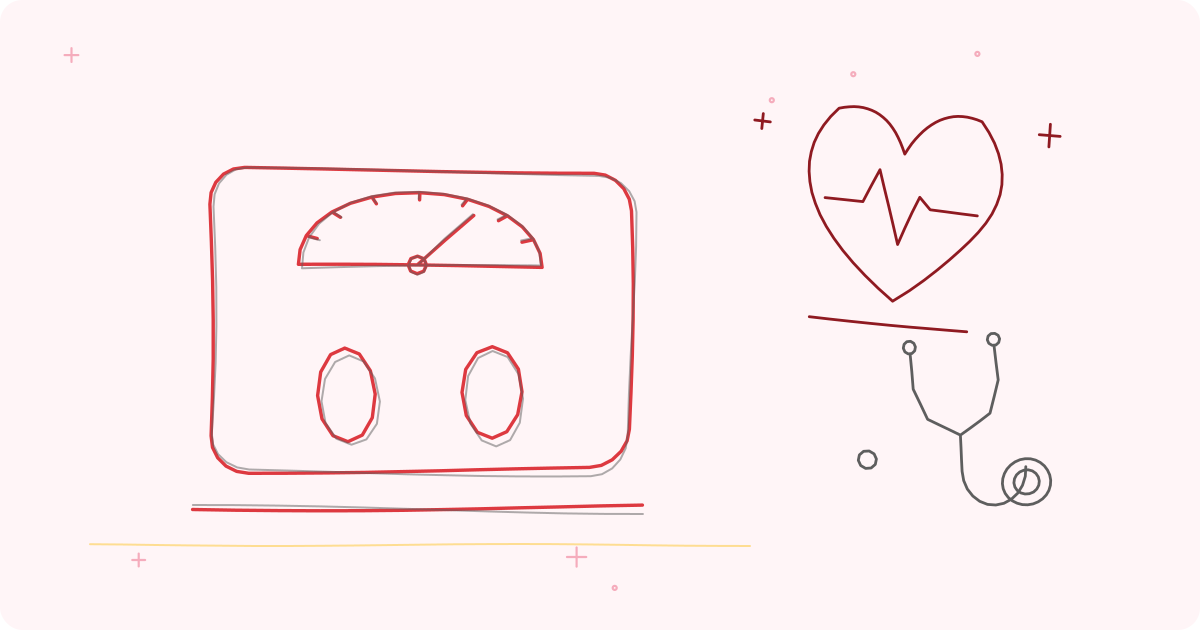
- A reliable digital scale with a large display, a stable base and a good weight range. See weighing scales and unplanned weight loss in older adults for choosing and placing one.
- A log sheet or notebook, with a pen.
- A fixed spot on a hard flat floor, near a rail or wall.
- Optionally, a blood pressure monitor and pulse oximeter, if the doctor advises.
How to weigh accurately every day
Consistency matters more than the exact figure.
1. Weigh at the same time every day, ideally in the morning, after passing urine and before eating or drinking. 2. Use the same scale in the same place each time. 3. Wear similar clothing, such as nightwear or light clothes, without shoes. Do not weigh in a shawl one day and a vest the next. 4. Check that the scale reads zero before stepping on. 5. Stand still, with weight evenly spread, until the reading settles. 6. Write the number down immediately, with the date. 7. Step off safely. Use a rail or helper if your parent is unsteady or breathless. A person who is dizzy or very weak should not be left to weigh alone.
Compare today's weight with yesterday's, not with the clinic's scale.
What changes to watch for
Many heart failure programmes teach thresholds like these, but your own doctor's numbers come first:
- A gain of about 1 to 1.5 kg in a day or about 2 kg in a week is commonly used as a signal to call the doctor or heart failure nurse.
- Gains in smaller steps over several days that add up to the same amount also matter.
- A steady loss over days with dizziness, thirst or less urine may mean too much fluid has been lost.
- A gradual fall over weeks with poor appetite should also be reported.
Write the doctor's agreed thresholds at the top of the log. If none have been given, ask for them at the next visit.
Signs that go with weight gain
Weight gain matters more when it comes with:
- Swelling of the ankles, feet, legs, abdomen or hands; shoes and rings feel tight.
- Breathlessness on exertion, or at rest, or when lying flat; needing more pillows; waking at night breathless.
- A new or worse cough, especially a dry or frothy one.
- Fatigue, poor appetite or feeling full, nausea.
- Reduced urine.
- A faster pulse or palpitations.
- Lower oxygen readings on an oximeter, if used; see pulse oximeters: how they work.
What to do if weight goes up
- Call the doctor or heart failure nurse the same day, giving the weights, symptoms and any changes in food, salt, fluids or medicines.
- Do not adjust water tablets or any other medicine yourself. Some heart failure clinics give a written, personalised plan for diuretics; follow that only if your doctor has given you one. Otherwise wait for advice.
- Review salt intake: pickles, papad, namkeen, packaged soups, instant noodles, salted snacks, restaurant meals and processed foods contain a lot of hidden salt. Ask the doctor or dietician about salt and fluid limits for your parent, which vary a lot from person to person.
- Keep a record of the readings for the visit.
- Rest and put the legs up if swollen, as comfortable, and avoid heavy exertion until reviewed.
- Do not fast or restrict fluids sharply without advice.
When to call 112
Call 112 at once if your parent has:
- Severe breathlessness, cannot speak in full sentences, is struggling or gasping.
- Chest pain or pressure, fainting, a very fast or irregular pulse with dizziness.
- Frothy, pink-tinged sputum.
- Blue or grey lips, confusion or drowsiness.
Building the habit
- Link it to a routine: after the first trip to the toilet and before tea or breakfast.
- Keep the scale visible and the log on top of it or nearby.
- Use a chart with columns for date, weight and notes. A wall chart can help.
- Set a reminder on a phone if your parent is forgetful.
- Involve family: a relative can phone each morning and note the number.
- Do not turn it into a source of anxiety. If a number is up by a few hundred grams, that can be normal variation. Look at the trend.
Pitfalls and troubleshooting
- Different scales or places give different results. Use one.
- Eating or drinking before weighing raises weight.
- Not emptying the bladder.
- Shoes, heavy clothes or carrying items.
- A scale on a carpet or uneven floor.
- Dying battery causing erratic readings. Replace batteries and test with a known weight, such as a bag of rice marked at a measured weight.
- Swollen legs that mask fat loss. Weight may stay steady even though muscle is falling. Mention poor appetite to the doctor.
- Medicine changes, since a new diuretic dose may lower weight, and a new medicine that retains fluid may raise it. Tell the doctor of any changes.
- Power cuts do not affect battery scales, but check the display in the dark.
Other home checks in heart failure
Besides weight, your doctor may ask you to track:
- Blood pressure and pulse, at set times; see how to measure blood pressure at home accurately.
- Oxygen saturation, if breathlessness is present.
- Symptoms, such as swelling and breathlessness, on a simple diary.
- Fluid intake, if restricted, with a marked jug.
- Medicines, using a pill organiser and chart.
After a heart attack, the plan may differ; see home monitoring after a heart attack. For people with kidney disease too, see home monitoring in chronic kidney disease.
Indian conditions
In hot, humid weather, people with heart failure can lose more fluid by sweating and may feel dizzy, or the body may retain fluid in humid periods; the doctor may adjust the plan. Travel, weddings, festivals and religious fasts change salt and fluid intake. Plan ahead with the doctor. During outages, keep the scale battery-powered and the log on paper. If your parent lives alone, have a relative or neighbour check in each morning.
When to ask a professional
Ask the doctor or heart failure nurse for personal thresholds for weight gain, what to do about salt and fluids, when to call and what a plan for diuretics should look like. Ask a dietician for low-salt meal ideas that suit your family's cooking. Call the same day for weight gain beyond the agreed limit, new swelling, increasing breathlessness or a new cough. Call 112 for severe breathlessness, chest pain, fainting or frothy sputum.
Equipment mentioned in this guide
Frequently asked questions
Why weigh every day rather than once a week?
Fluid can build up in a few days. Daily weights let you catch a rise early, while weekly weights may miss it until symptoms are severe.
How much weight gain should worry me?
Many programmes use about 1 to 1.5 kg in a day or 2 kg in a week as a trigger to call, but follow the numbers your own doctor gives.
Should I change my parent's water tablet when weight rises?
No, not on your own. Call the doctor or heart failure nurse for advice, unless your doctor has given a written plan.
Does weight loss mean heart failure is improving?
It can if excess fluid is leaving as planned, but rapid loss with dizziness or weakness can mean too much fluid has been lost. Report it, and also report slow loss with poor appetite.
Can we use any scale?
A stable, accurate digital scale is best, and it should be the same one every day, on a firm flat floor.
Sources and further reading
- NICE guideline NG106, Chronic heart failure in adults: diagnosis and management
- European Society of Cardiology, guidelines for the diagnosis and treatment of heart failure
- World Health Organization, World report on ageing and health (2015)
- Indian Council of Medical Research, guidance on cardiovascular disease management
Tags: daily weight heart failurefluid retentionweight gain swellingheart failure monitoringweighing scaleedemabreathlessnessHealth monitoring devicesHealthy ageingElder care
This article is for general education and is not medical advice. Speak to your doctor before changing your exercise, diet or medicines.