What heart failure feels like
- Breathlessness: on exertion at first, later at rest; needing to sit up to breathe; waking at night gasping; needing extra pillows.
- Swelling: of the ankles, feet, legs and sometimes the abdomen.
- Rapid weight gain from fluid.
- Tiredness and weakness, reduced ability to do usual activities.
- Persistent cough or wheeze, sometimes with frothy sputum.
- Poor appetite, nausea and a bloated feeling.
- Needing to pass urine at night.
- Fast or irregular heartbeat, dizziness, confusion in severe cases.
These can also be caused by other conditions, so diagnosis by a doctor is needed, usually with an ECG, blood tests and an echocardiogram. See also after a heart attack: recovery at home and atrial fibrillation and blood thinners.
The daily routine
A simple daily routine catches problems early.
1. Weigh every morning. - After passing urine, before breakfast, wearing similar light clothing, on the same flat, firm scale. - Write the weight in a log or chart; see daily weights in heart failure and weighing scale and weight loss in seniors. - A gain of about 2 kg (about 4 to 5 lb) over two to three days, or more than 1 kg in a day, often signals fluid build-up. Many cardiology teams give this as a rule; ask your doctor for the exact threshold for your parent. Call the doctor the same day when it is reached. - Weight loss that is unplanned also needs attention.
2. Check for swelling. Look at ankles, shins and feet; press a thumb on the shin for a few seconds and see if a dent remains; note whether shoes are tighter; see swollen legs in older adults.
3. Check breathing and sleep. How many pillows were needed? Any night-time waking with breathlessness? Can he walk the usual distance? Note changes.
4. Check blood pressure and pulse if the doctor advises, at set times; see how to measure blood pressure at home. A very high or low reading, or a pulse that is very fast, slow or irregular, should be reported; see how often to check vitals.
5. Oxygen level: a pulse oximeter is not required for everyone; if used, know its limits and the readings the doctor wants reported; see pulse oximeter guide and pulse oximeter accuracy limits.
6. Take medicines exactly as prescribed.
7. Note symptoms in a diary. Bring it to every visit.

Salt
Salt makes the body hold water. Reducing it helps control swelling and breathlessness.
- Do not add salt at the table; cook with little salt.
- Avoid salty foods: pickles, papad, chutneys, namkeen, chips, instant noodles, canned and packaged foods, salted nuts, pizza, restaurant and street food, stock cubes, many ready sauces.
- Flavour with lemon, herbs, spices and garlic.
- Read labels for sodium.
- Avoid salt substitutes that contain potassium unless the doctor agrees; they can be dangerous with some medicines and kidney disease.
- Eat out sparingly and ask for less salt.
- The doctor or dietician will advise on the exact limit.
See nutrition for heart health after 60 and hypertension home care guide.
Fluids
Some people with heart failure are asked to limit fluids, others are not. Follow your doctor's individual advice. If a limit is set (often about 1.5 to 2 litres a day in advanced cases), measure fluids: all drinks, soups, tea, milk, curd drinks, ice and juicy fruits count. Use a marked bottle to track. Do not restrict fluids on your own, because dehydration also harms, especially in hot weather or during vomiting and diarrhoea; ask the doctor what to do on such days. See hydration for older adults and heat stroke and dehydration in seniors.
Medicines: safe habits
Heart failure usually needs several medicines to ease the heart's workload, remove excess fluid and protect the heart over time. This guide names none. What families must know:
- Take every medicine every day, exactly as prescribed, even when feeling better.
- Never stop, skip or change doses without the cardiologist, and do not take extra water tablets on your own. Call if swelling or breathlessness worsens.
- Water tablets cause frequent urination; schedule them as advised (often morning) so sleep is not disturbed; watch for dizziness, cramps and weakness from salt loss, and report them.
- Know the side effects that need a call: dizziness, fainting, very slow pulse, a dry cough, swelling, rash, kidney problems; do not stop yourself.
- Avoid over-the-counter medicines such as many painkillers and cold remedies, and herbal products, which can worsen heart failure or kidney function; ask the pharmacist or doctor; see painkillers and older adults and supplements and medicine interactions.
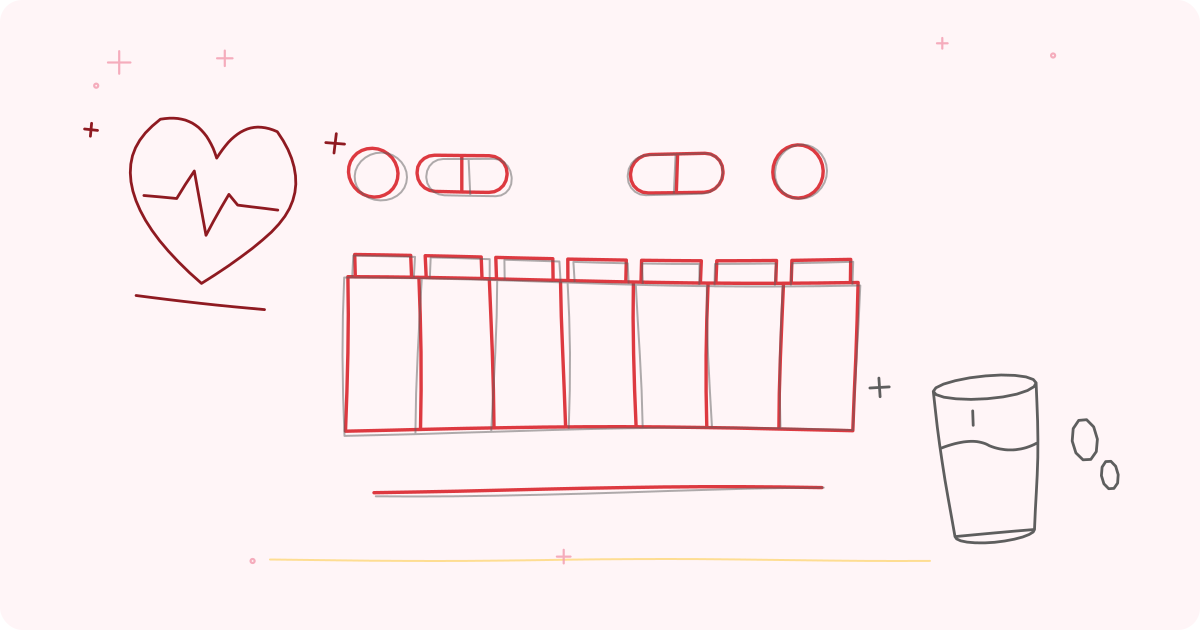
- Use a pill organiser and alarms; see pill organiser guide.
- Keep a list, and carry it to hospital.
- Blood tests are needed regularly to check kidneys and salts; keep appointments.
- Plan refills, particularly for travel and festivals.
Activity and rest
Rest during flare-ups, but between them, regular gentle activity improves strength and symptoms. Ask the doctor about cardiac rehabilitation. Start slowly, with short walks, build gradually, stop if breathless or dizzy. See exercise with heart disease, walking programme for older adults and chair exercises for seniors. Avoid heavy lifting, straining and exercise in extreme heat. Plan rests during the day; pace tasks. Energy-saving tips: sit to bathe and dress, keep items within reach, use a shower seat; see shower chair buying guide.
Sleeping and positioning
Many people breathe more easily propped up. Use extra pillows, a wedge or a backrest, or a bed with adjustable head; see backrests for sitting up in bed and wedge pillow guide. Note how many pillows are needed; an increase is a warning sign. Raise swollen legs when resting; see leg elevation pillow guide. Sleep apnoea is common; mention snoring and pauses to the doctor.
Other healthy habits
- Stop tobacco and limit alcohol.
- Stay up to date with vaccines, including flu and pneumonia, as advised; infections can trigger flare-ups; see vaccines for older adults in India and pneumonia in older adults.
- Manage diabetes, blood pressure and kidney disease; see diabetes at home after 60 and chronic kidney disease home care.
- Keep to a healthy weight; muscle loss and poor appetite are common in advanced disease; see malnutrition in older adults.
- Manage mood: depression and anxiety are common; see depression in older adults.
- Avoid extreme heat and humidity; see exercising indoors in Indian summer and monsoon.
- Plan travel: carry medicines and records; see travel with an elderly parent checklist.
Action plan: traffic lights
Ask your cardiologist for a written plan. A common structure is:
Green (stable): usual weight, no new swelling or breathlessness, able to do usual activity. Carry on with routine.
Amber (call the doctor the same day): - weight gain of about 2 kg over a few days, or the doctor's threshold; - more swelling in the ankles, legs or abdomen; - more breathless than usual, or needing more pillows; - a new or worse cough, especially at night; - more tired, dizzy or reduced appetite; - a fast heartbeat; - fever or infection symptoms, vomiting or diarrhoea, or not drinking.
Red (call 112 now): - severe breathlessness at rest, or unable to speak in sentences; - chest pain or pressure lasting more than a few minutes; - coughing frothy or pink sputum; - fainting or collapse; - confusion, blue lips or grey skin; - signs of stroke (face drooping, arm weakness, slurred speech); see stroke warning signs and the first hour; - a very fast, very slow or irregular pulse with feeling unwell.
Sit the person upright, loosen clothing, keep calm and follow the operator's instructions. See when breathlessness is an emergency and ambulance and emergency numbers in India.
Advanced heart failure and comfort care
In later stages, symptoms may be hard to control, hospital stays frequent and quality of life affected. Palliative care can help with breathlessness, fatigue and decisions, alongside heart treatment; see palliative care at home guide and advance care planning in India. Oxygen at home is sometimes used; see oxygen and heart conditions: travel and safe use of oxygen and electrical equipment.
Family and carers
Learn the plan; weigh together; keep logs; cook low-salt for everyone; attend appointments; keep emergency numbers visible; look after your own health; see caregiver burnout signs and prevention and home health monitoring starter kit.
When to ask a professional
A cardiologist or doctor diagnoses, treats and adjusts medicines. A heart failure nurse teaches self-care. A dietician helps with low-salt meals. A physiotherapist and cardiac rehabilitation team guide activity. A pharmacist reviews medicines. For senior services, call Elderline 14567. In an emergency, call 112.
Equipment mentioned in this guide
Frequently asked questions
Why must we weigh every morning?
Rapid weight gain from fluid is often the earliest sign that heart failure is worsening, appearing before swelling and breathlessness. Catching it early can prevent a hospital stay.
Can my mother drink as much water as she likes?
Not necessarily. Some people have a fluid limit, others do not. Follow your doctor's advice and do not restrict or increase fluids on your own.
Can we stop the water tablets if she urinates too much?
No. Do not stop or change them on your own. Call the doctor about timing or side effects.
Is heart failure curable?
It is usually a long-term condition that can be controlled, not cured, with medicines, self-care and follow-up, helping people live well for years.
Sources and further reading
- NICE guideline NG106, Chronic heart failure in adults: diagnosis and management
- British Heart Foundation, patient information on living with heart failure
- Cardiological Society of India, patient information on heart failure
- World Health Organization, World report on ageing and health (2015)
Tags: heart failure at homedaily weightsfluid retentionbreathlessness elderlyheart failure symptomssalt restrictionConditions and devicesDigital weighing scaleHealth monitoring devicesBeds, mattresses and rest
This article is for general education and is not medical advice. Speak to your doctor before changing your exercise, diet or medicines.