What depression can look like in later life
Typical signs lasting more than two weeks:
- Persistent sadness, emptiness, irritability or tearfulness, or loss of interest and pleasure in usual activities, prayers, TV, grandchildren, food.
- Tiredness and low energy; moving or speaking slowly, or restlessness and pacing.
- Poor appetite and weight loss, or overeating.
- Sleep change: waking very early, trouble falling asleep, or sleeping too much.
- Poor concentration and memory, difficulty making decisions; the person may seem confused (sometimes called "pseudodementia").
- Feelings of worthlessness, guilt, being a burden, or hopelessness.
- Physical complaints without clear cause: aches, headaches, stomach trouble, dizziness.
- Neglecting self-care, medicines, food or hygiene.
- Withdrawing from family and friends; refusing to leave the house.
- Increased use of alcohol or sleeping tablets.
- Thoughts that life is not worth living, or of death or suicide.
Late-life depression can look different from that in younger people: less visible sadness, more physical symptoms, irritability and withdrawal. Families may hear "I am just old". See depression in elderly, depression, the hidden epidemic and mental illness in seniors: 5 signs to watch out for.
Why it happens
Depression usually has several causes together.
- Losses: a spouse or friends dying, retirement, loss of role, income or independence, moving home, children living far away; see grief and bereavement in later life.
- Health: chronic pain, stroke, heart disease, diabetes, Parkinson's disease, thyroid problems, vitamin B12 or D deficiency, hearing or vision loss, dementia and cancer; see stroke recovery at home guide and parkinsons disease home care guide.
- Medicines: some medicines can contribute to low mood; ask the doctor to review them, but never stop any yourself; see polypharmacy and deprescribing.
- Isolation and loneliness; see loneliness and isolation in older adults.
- Poor sleep, inactivity and poor nutrition.
- Family history or earlier episodes of depression.
- Alcohol and tobacco.
- Abuse or neglect, money worries and family conflict.

Depression, grief and dementia
Grief brings waves of sadness and longing that usually soften over time and still include moments of comfort. If sadness is constant, with worthlessness or inability to function after many months, ask for help. Dementia and depression often overlap and can be confused: depression may mimic memory loss, and people with dementia can become depressed. A doctor can sort this out; see dementia stages and what each needs and mild cognitive impairment guide.
Starting the conversation
- Choose a quiet time and speak privately, with warmth and no hurry.
- Describe what you notice rather than labelling: "You have been sleeping less and not enjoying your morning walk. I am worried about you."
- Listen without correcting, lecturing or saying "cheer up" or "think of others who are worse off".
- Ask directly about hopelessness and thoughts of death. Asking about suicide does not put the idea in someone's head; it often brings relief.
- Reassure: depression is an illness, not weakness; help works.
- Offer to go with them to the doctor, and suggest that the visit is for "tiredness, sleep and appetite" if the word depression is a barrier.
- Respect their pace, but do not give up if they refuse the first time; return gently.
See how to respectfully handle loved ones dealing with mental health issues.
Getting help and treatment
The family doctor is a good first step. The doctor can check for physical causes (thyroid, vitamin levels, anaemia, infections), review medicines, assess mood and memory and, if needed, refer to a psychiatrist, psychologist or counsellor. Treatment may include talking therapies, support in problem-solving, structured activity, medicines prescribed by the doctor, or a combination. Medicines can take weeks to work and may have side effects, especially with other illnesses and medicines. Do not start, stop or change any antidepressant or other medicine on your own, give someone else's tablets, or use sleeping tablets and alcohol to cope. Report side effects, falls or confusion to the doctor. For severe, stubborn or psychotic depression, specialist care, sometimes in hospital, may be advised.
Daily support at home
These steps support treatment; they do not replace it.
- Keep a gentle routine: regular waking, meals, bathing, outings and bedtime give structure; see daily routine chart for a frail parent.
- Daylight and movement: a short walk, chair exercises, yoga or stretching, as the doctor allows; exercise has real benefit for mood; see walking programme for older adults and chair exercises for seniors.
- Meaningful activity: hobbies, music, prayer, gardening, cooking together, tasks that make them feel useful; see good and easy hobby ideas for senior citizens.
- Social contact: short, regular visits, phone and video calls, temple or community groups, old friends; see community and social activities for seniors in kolkata for the kind of local groups to look for.
- Eating well: small frequent meals, favourite foods and fluids; see malnutrition in older adults.
- Sleep: consistent timings, a quiet dark room, less daytime napping; see insomnia in older adults.
- Limit alcohol and tobacco.
- Treat pain, hearing and vision problems; see hearing loss home care guide.
- Break big tasks into small steps and celebrate small wins.
- Avoid pressure and comparisons; be patient with slow progress.
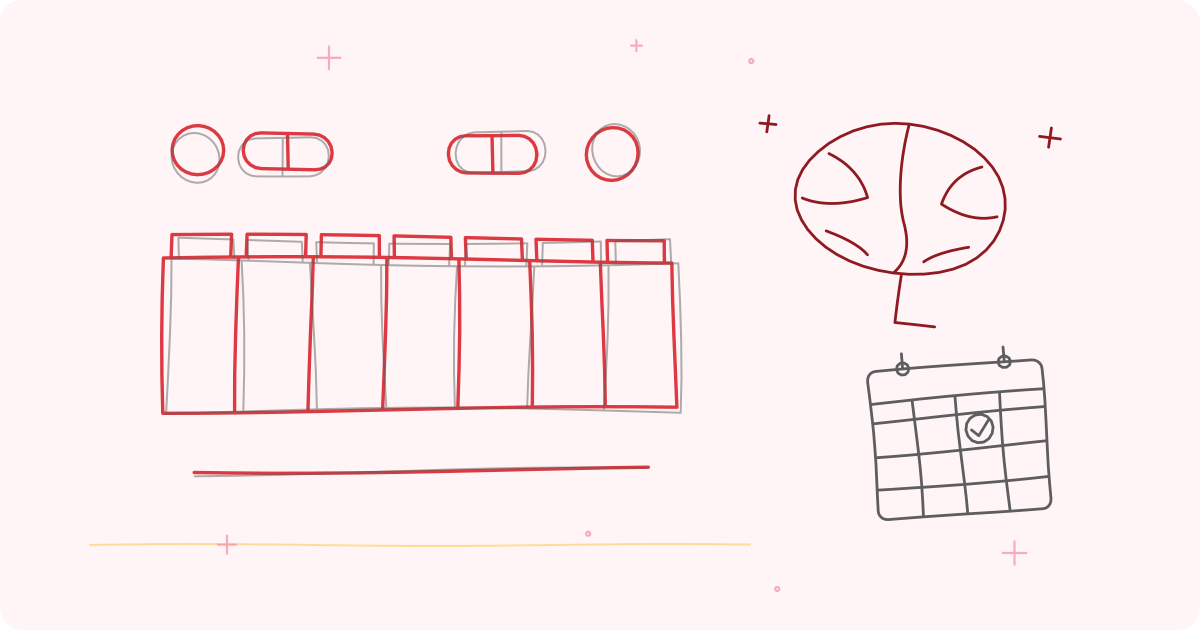
- Keep medicines organised and supervised; see pill organiser guide.
- Reduce stress and worry with calm routines and breathing exercises; see breathing techniques for relieving stress and anxiety.
- Avoid unproven remedies; see home remedies for depression for general ideas to discuss with the doctor, and do not replace treatment with them.
Suicide risk: what to watch and do
Older adults, especially older men, have high rates of suicide, and warning signs are often missed. Take any talk of death seriously. Warning signs include: saying life is not worth living, being a burden or wanting to die; giving away possessions; saying goodbyes; sudden calm after a long low period; stockpiling tablets; refusing food or medicines; preoccupation with death; or sudden interest in weapons, ropes or pesticides.
What to do: - Stay with the person. Stay calm and listen without judgment. Ask directly: "Are you thinking of ending your life?" - Remove means: lock away or dispose of stored medicines, pesticides, sharp objects and ropes, and keep keys and tablets in a safe place. - Seek help at once: call 112 if there is immediate danger, an attempt or a plan with the means at hand. Take the person to the nearest hospital emergency department. For talking and support, India has national helplines for mental health; Tele-MANAS (14416) is a free government mental health helpline, and Elderline 14567 can offer information and support for older people. Neither is an ambulance. - Do not leave the person alone until a professional has assessed. - After the crisis: follow up with the doctor and agree a safety plan with the family.
Caring for yourself as a carer
Living with a depressed parent is draining. You may feel helpless, angry or guilty. Share the load with siblings, take breaks, speak with a friend or counsellor and keep your own health appointments. You cannot fix depression alone, and you are not to blame for it. See caregiver burnout signs and prevention and sharing care among siblings.
When to ask a professional
See a doctor if low mood, loss of interest, sleep or appetite change last more than two weeks, if daily functioning is affected, or if there is any talk of self-harm. A psychiatrist or clinical psychologist gives specialist care. A counsellor or social worker can offer support. For senior services, call Elderline 14567. For emergencies, call 112.
Equipment mentioned in this guide
Frequently asked questions
Is it normal for older people to feel low all the time?
No. Sadness after a loss is natural, but constant low mood, loss of interest or hopelessness is a medical problem that can be treated.
Will talking about suicide make it more likely?
No. Asking directly and listening calmly can reduce risk and open the way to help.
Can depression look like dementia?
Yes. It can cause poor memory and concentration. A doctor can tell the difference, and both can occur together.
Can we manage depression with exercise and family support alone?
These help a great deal, but moderate or severe depression usually needs professional assessment. Ask the doctor what is right for your parent.
Sources and further reading
- NICE guideline CG90, Depression in adults: treatment and management; and NG222, Depression in adults
- World Health Organization, mhGAP guidelines and fact sheet on depression
- Indian Psychiatric Society, patient information on depression in older adults
- Ministry of Health and Family Welfare, India, Tele-MANAS national tele mental health programme
Tags: depression elderlylate-life depressionlow moodmental healthsuicide preventioncaregiver supportConditions and devicesWeekly pill organiser with alarmDaily living aidsHearing and vision aids
This article is for general education and is not medical advice. Speak to your doctor before changing your exercise, diet or medicines.