What Parkinson's does
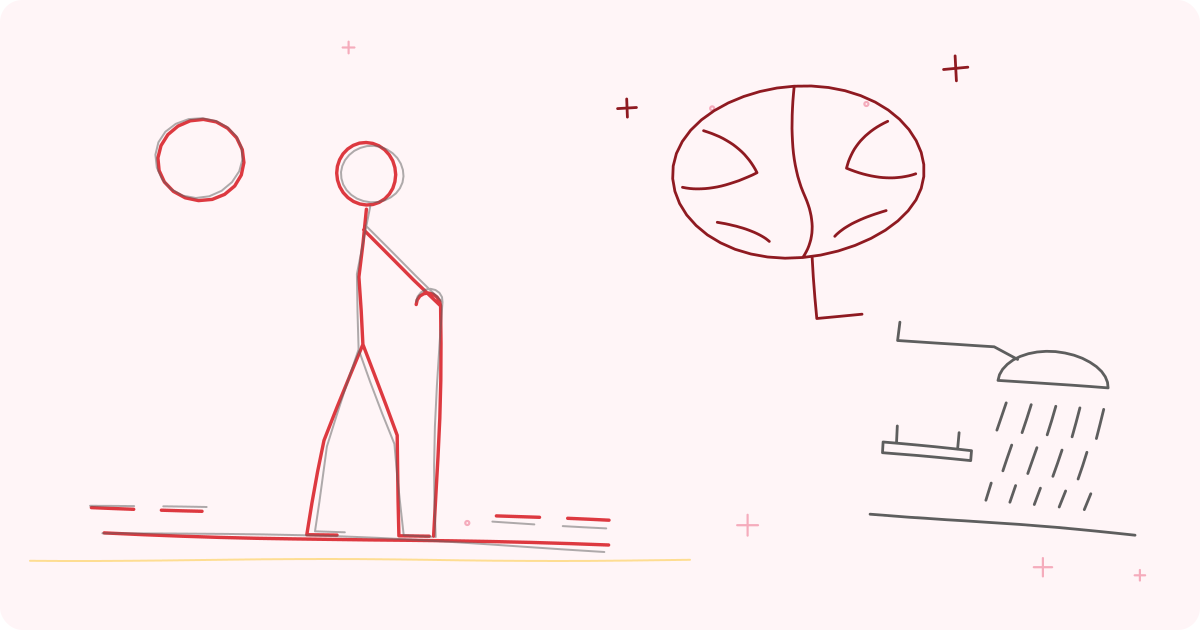
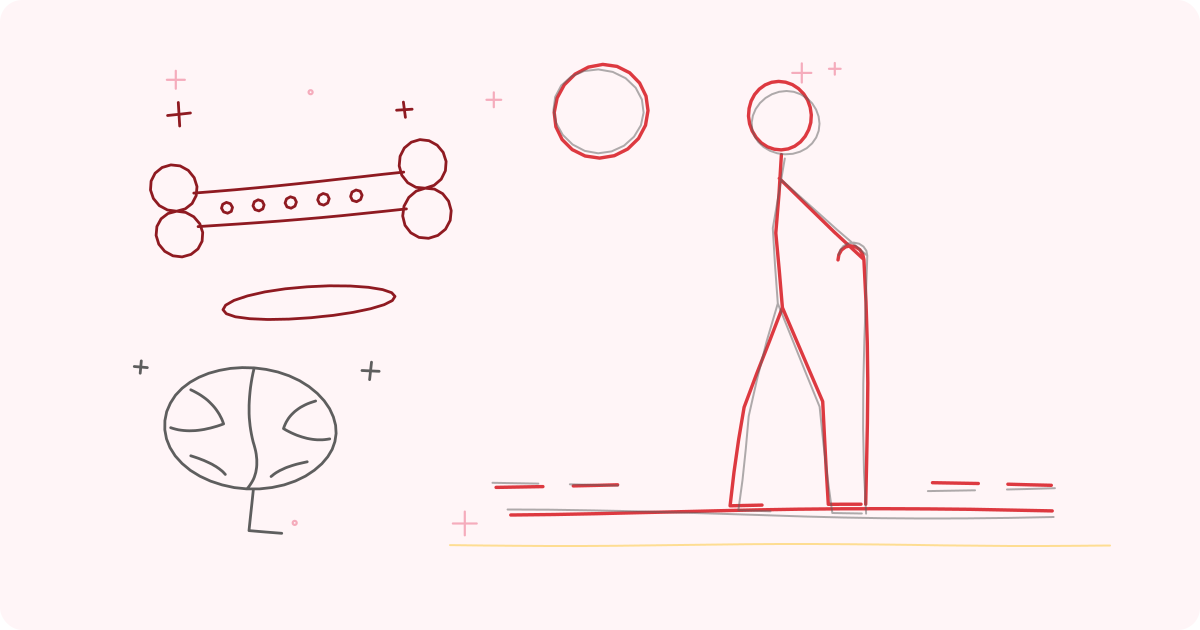
Motor symptoms: - Tremor, often at rest, typically in one hand ("pill-rolling"), which eases with movement. - Slowness (bradykinesia): movements become slow and small; handwriting shrinks; buttons and cutlery become hard. - Stiffness (rigidity): stiff limbs and trunk, pain, reduced arm swing. - Postural instability: a stooped posture and balance problems, usually later. - Walking changes: shuffling, small steps, freezing; see Parkinson's freezing and falls. - Softer voice, less facial expression, drooling, swallowing difficulty.
Non-motor symptoms (often as troublesome): - Constipation, urinary urgency, low blood pressure on standing; see constipation in older adults and dizziness and low blood pressure when standing. - Sleep problems, vivid dreams, acting out dreams; see sleep problems in older adults. - Low mood, anxiety, apathy; see depression in older adults and anxiety in older adults. - Loss of smell, fatigue, pain, sweating. - Memory and thinking changes, hallucinations in some, particularly later.
Not every shaking hand is Parkinson's, and not every case looks alike. A doctor, ideally a neurologist, diagnoses it.
Medicines: what families should know
Medicines that replace or mimic dopamine are the mainstay. This guide does not name them or advise on doses. What matters at home:
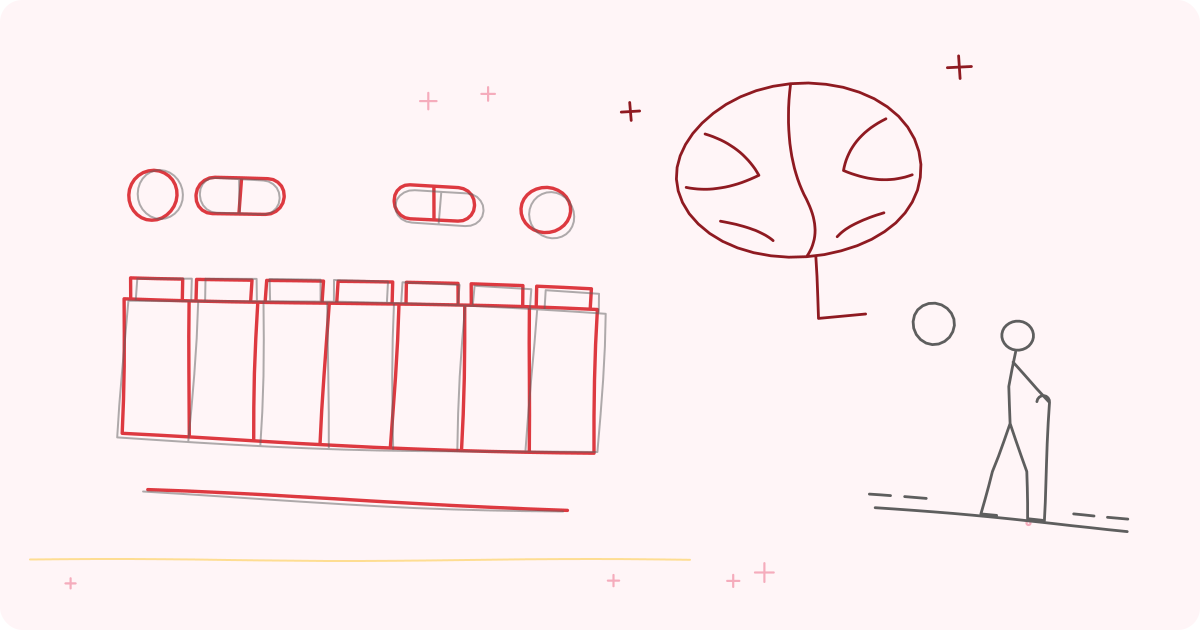
- Timing is critical. Doses are often spaced several times a day. Late or missed doses can lead to stiffness, slowness and falls. Use a schedule, alarms and a pill organiser; see pill organiser guide and medicine reminders for forgetful parents. In hospital or when travelling, ensure doses are given on time; tell staff clearly.
- Never stop, skip or change doses suddenly without the neurologist. Abrupt stopping can cause a dangerous worsening.
- "On" and "off" times: the person may move well when medicine is working ("on") and poorly when it wears off ("off"). Keep a diary of when movement is good or bad, and share it with the neurologist, who may adjust timing. Plan activities in "on" periods.
- Protein and levodopa-type medicines: some people find that heavy protein meals reduce the effect of certain medicines. Ask the neurologist or a dietician about timing meals; do not cut protein without advice, since muscle needs it.
- Side effects: nausea, dizziness, sleepiness, hallucinations, compulsive behaviours (such as gambling or overeating), extra movements (dyskinesia). Report them; do not stop the medicine yourself.
- Avoid some medicines: certain anti-sickness and psychiatric tablets can worsen Parkinson's. Always tell any doctor or pharmacist your parent has Parkinson's. See medicine side effects families should watch and polypharmacy and deprescribing.
- In hospital, carry a letter with the medicine schedule.
Exercise and movement
Regular exercise is among the most beneficial things for Parkinson's, improving walking, balance, strength and mood. Choose a mix of walking, strength, balance and flexibility, ideally guided by a physiotherapist who knows Parkinson's, and time it for "on" periods; see exercise for Parkinson's disease, balance exercises for seniors and walking programme for older adults. Big, deliberate movements, rhythmic cues and tall posture help counter small steps and stooping. Walking aids need individual assessment; see walking aids for Parkinson's.
Preventing falls
Falls are among the biggest risks, caused by freezing, poor balance, low blood pressure, dyskinesia, medicines and home hazards.
- Light the way, especially at night; see motion-sensor night lights.
- Clear paths of rugs, wires and clutter; widen doorways; see flooring, rugs and trip hazards.
- Use non-slip, supportive footwear; see choosing shoes for older feet.
- Use cues for freezing, such as lines on the floor or counting; see Parkinson's freezing and falls.
- Turn in small steps; do not rush.
- Rise slowly from bed or chair.
- Have rails, grab bars and a raised seat; see bathroom safety for Parkinson's disease.
- Have a way to call for help; see panic pendant buying guide and falls risk assessment at home.
Eating, swallowing and drooling
Slow movement of the muscles can make swallowing less safe, and reduce appetite. Signs: coughing at meals, a wet voice, food sticking, drooling, weight loss, chest infections. Tell the doctor, who may arrange a speech and language therapist assessment. Sit upright, eat slowly, take small mouthfuls and avoid distractions. Cutlery with easy-grip handles, non-slip mats and bowls help with tremor; see eating with tremor or weak grip and easy grip cutlery guide. Maintain nutrition; weight loss is common; see malnutrition in older adults. Fibre and fluids ease constipation; see psyllium husk guide only with the doctor's advice. Mouth care matters; see oral care for frail older adults.

Speech and voice
The voice often becomes quiet and monotone. Speech therapy that trains a louder, clearer voice is effective. Encourage speaking in a loud voice, taking a breath before sentences and facing the listener. Allow time; do not finish sentences. See communicating with someone who has dementia for patient communication principles, if thinking is also affected.
Mood, sleep and thinking
Depression and anxiety are common and treatable, and may appear before movement symptoms. Apathy can be mistaken for laziness. Sleep disturbance, daytime sleepiness and vivid dreams are frequent. Memory problems and hallucinations may occur, particularly with advanced disease or some medicines; tell the doctor promptly rather than hide it, since they can often be improved. See dementia home setup if dementia develops, and delirium in older adults for sudden confusion, which is urgent. Social contact, purposeful activity and a routine help; see loneliness and isolation in older adults.
Daily living and home set-up
- Dressing: sit to dress; choose loose clothes with Velcro, elastic or large buttons; see dressing aid guide.
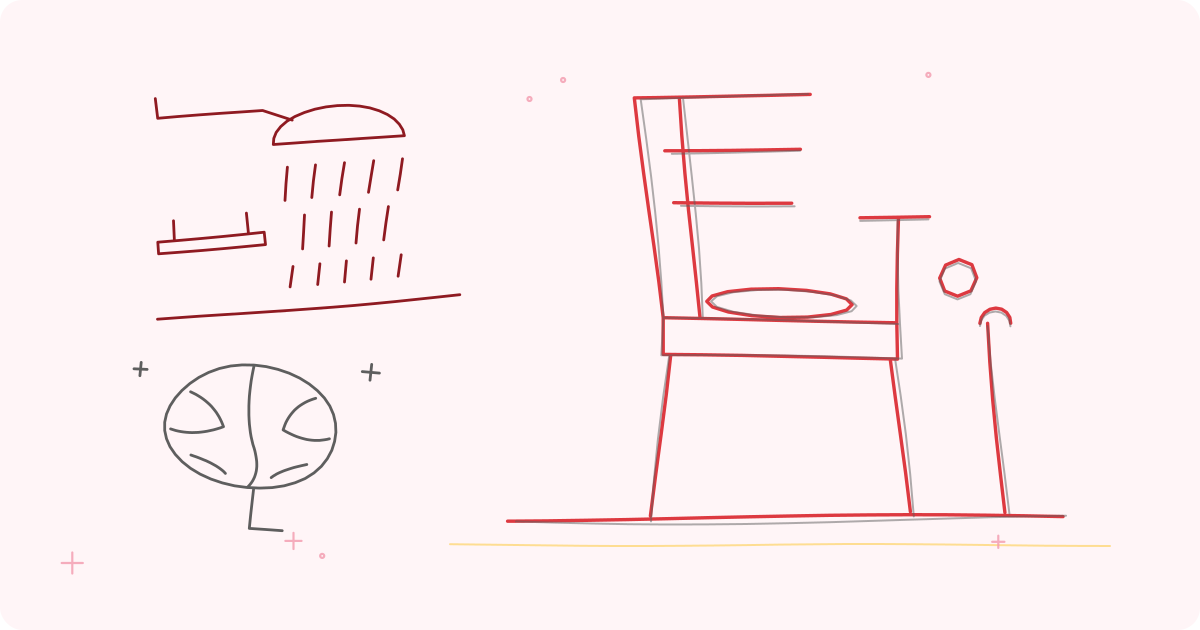
- Bathing: shower chair, handheld shower, grab bars; see shower chair buying guide.
- Toilet: raised seat, grab bar or frame; plan for urgency; see raised toilet seat guide.
- Bed: a firm mattress, easy to turn; satin sheets or a bed rail may help rolling, with advice; see bed height and getting out of bed.
- Chairs: firm, with arms and a raised seat.
- Kitchen: non-slip mats, one-handed or easy-grip tools; see kitchen setup for seniors.
- Handwriting: large-grip pens, lined paper; speech-to-text on a phone; see phone accessibility features for seniors.
- Heat: Parkinson's can affect temperature regulation; stay cool; see exercising indoors in Indian summer and monsoon.
Advanced stages
In later stages, mobility declines, swallowing and thinking worsen, and care needs rise. Plans for support at home, equipment, palliative care input and respite should be made early; see palliative care at home guide, hospital bed buying guide, preventing bedsores at home and when home care is no longer enough.
Carers
Parkinson's care is long and demanding. Learn the disease, share tasks, attend appointments, and look after your own health. See caring for a parent with Parkinson's, caregiver burnout signs and prevention and respite care and taking a break. Parkinson's support groups give practical help.
Emergency and urgent signs
Call 112 for a fall with injury, chest pain, severe breathlessness, choking that does not clear, signs of stroke or collapse. Call the doctor the same day for sudden severe worsening of movement, high fever with stiffness (especially if medicines were missed), new confusion or hallucinations, repeated falls, difficulty swallowing, severe vomiting that prevents taking medicines, or dizziness and fainting. Missing medicines for more than a day through vomiting or hospital problems needs urgent advice.
When to ask a professional
A neurologist diagnoses and adjusts medicines. A Parkinson's nurse specialist can advise on day-to-day issues. A physiotherapist teaches exercise and cueing. An occupational therapist adapts the home. A speech therapist helps voice and swallowing. A dietician helps with nutrition. For senior services, call Elderline 14567. In an emergency, call 112.
Equipment mentioned in this guide
Frequently asked questions
Is Parkinson's disease the same as tremor?
No. Tremor is one symptom, and not everyone has it. Slowness, stiffness and balance problems are also key features, and a doctor must diagnose.
Why do medicine times matter so much?
Many Parkinson's medicines act for a few hours, so late or missed doses can bring stiffness, slowness and falls. Use alarms and an organiser, and never change doses without the neurologist.
Can exercise really help?
Yes. Regular exercise improves walking, balance, strength and mood, and is considered part of treatment. A physiotherapist can tailor it.
What should we tell the hospital?
That the person has Parkinson's, the exact medicine schedule, and that doses must not be delayed. Carry a written list.
Sources and further reading
- NICE guideline NG71, Parkinson's disease in adults
- Parkinson's UK, information on living with Parkinson's and for carers
- World Health Organization, World report on ageing and health (2015)
- Movement Disorder Society of India, public information on Parkinson's disease
Tags: parkinsons disease home careparkinson symptomstremorfreezingcarer parkinsonfalls parkinsonsConditions and devicesRollator with seat and brakesMobility and walking aidsBathroom and toilet safety
This article is for general education and is not medical advice. Speak to your doctor before changing your exercise, diet or medicines.