
Understand what changes
Dementia can affect:
- Memory, especially recent events and names.
- Finding words and following conversation.
- Understanding: long sentences, abstract ideas, quick changes of topic.
- Attention: easily distracted, difficulty with noise or several people speaking.
- Time and place: confusion about where and when.
- Recognition: of faces and objects.
- Reasoning and insight: the person may not realise they have a problem.
- Emotions: anxiety, anger or sadness may be more intense and quickly changing.
But often retained for a long time:
- Emotional memory: feelings of safety or distress remain even if the cause is forgotten.
- Understanding of tone, facial expression and body language.
- Old memories and songs, prayers and habits.
- The need to be respected, loved and useful.
Before you speak: check the basics
- Hearing and sight: check glasses and hearing aids are in and working; see hearing aid buying guide, hearing aid care and batteries and talking with someone who is hard of hearing.
- Pain, hunger, thirst, toilet, tiredness: unmet needs make talking harder.
- Environment: reduce noise, turn off the television, face the light, sit at their level.
- Timing: choose a time when the person is calm and at their best, often the morning.
- Your own mood: the person senses stress, so take a breath.

How to approach
1. Approach from the front, in sight, not from behind. 2. Get at the same eye level; smile. 3. Say your name and theirs, and the relationship, if needed: "Hello Amma, it is Rohan." 4. Make eye contact and use a warm, calm tone. 5. Touch gently, such as a hand on the arm, if welcome, to attract attention. 6. Pause to allow them to focus before speaking.
What to say and how
- Use short, simple sentences with one idea at a time.
- Speak slowly, clearly, in a warm, lower-pitched voice; do not shout.
- Use names rather than pronouns: "Rahul is coming" rather than "he".
- Ask one question at a time, and prefer yes or no or simple either-or choices: "Would you like tea or milk?" rather than "What would you like?"
- Give time to answer; wait five to ten seconds or longer. Do not rush or fill every silence.
- Say what you want, positively: "Let's sit here" rather than "Don't stand there".
- Give one instruction at a time, and break tasks into steps: "Pick up the cup." Then "Now drink."
- Show as well as tell: demonstrate, point, hold up the object.
- Use familiar words and the language the person spoke earlier in life: many bilingual people revert to their first or mother language, so use it where possible.
- Avoid baby talk or talking down; speak as to an adult.
- Avoid quizzing: "Do you remember what you had for lunch?" or "Who am I?" causes distress. Offer information gently instead: "I am your son Rohan, and I am glad to see you."
- Avoid long explanations or reasoning.
- Do not talk about the person as if absent; include them.
Non-verbal communication
Most of what a person with dementia understands later on comes from tone, face and touch.
- Relaxed face and open posture; avoid frowning or folded arms.
- Warm, gentle voice.
- Gentle touch, hand holding, a hug if welcome, hand massage; watch for signs that touch is unwelcome.
- Gestures and pointing.
- Pictures and objects: a photograph, the real object (a cup, a toothbrush) to show what you mean.
- Music: singing a familiar song together can open communication.
- Smell, taste, touch: familiar scents, tastes and textures comfort.
- Reading their non-verbal signals: facial expression, posture, restlessness, rubbing a body part, which may signal pain, hunger, toilet or fear.
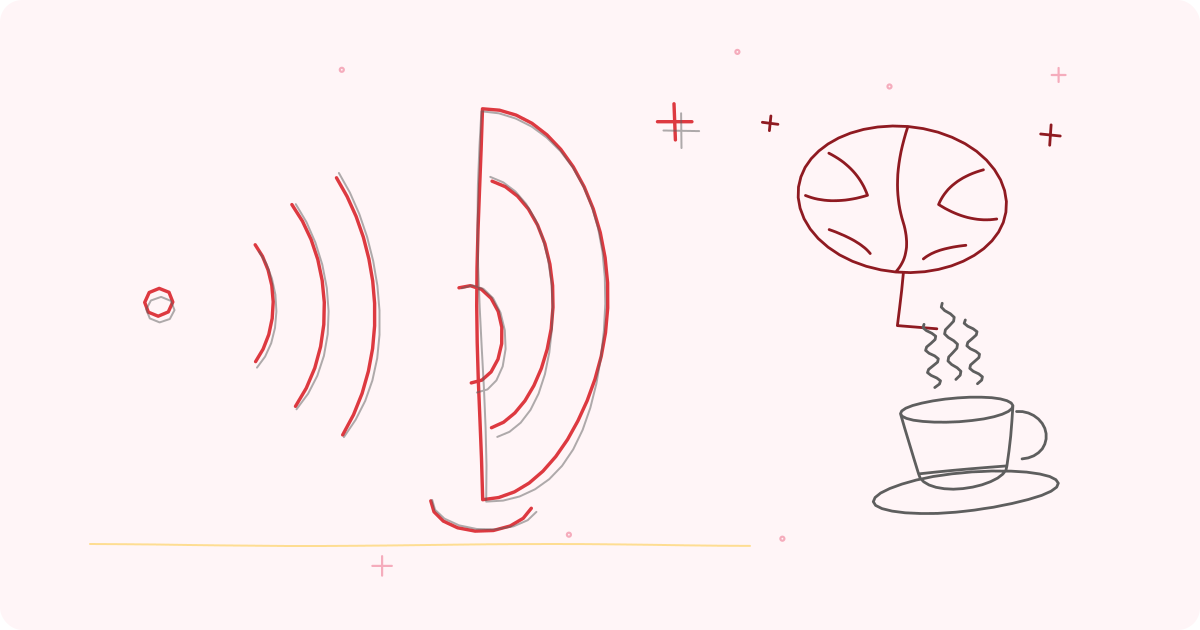
Listening well
- Give full attention: put down the phone.
- Let them finish, even if slow; do not finish sentences unless they seem to want help.
- Listen for feelings more than facts. If the story is muddled, respond to the emotion: "That sounds frightening."
- Repeat key words back to show you are listening.
- Do not interrupt or correct small errors.
- Accept silence.
- If you do not understand, say so kindly, and ask them to show you or try another way.
- Offer words if they are searching, gently, or suggest "Do you mean...?"
Repeated questions
Repeating is not deliberate; the person truly does not remember asking.
- Answer calmly each time, as if for the first time, perhaps in a slightly different way.
- Look for the feeling behind it: a person asking "When is my son coming?" may be anxious or lonely. Reassure: "He will be here, and I am with you."
- Write the answer on a card or whiteboard, or use a calendar and clock, for someone who can still read; see orientation aids for memory loss and talking clock guide.
- Distract with an activity or snack.
- Do not say "I just told you" or "You asked that already".
- Check for unmet needs: pain, boredom, anxiety.
- Take a break if you are frustrated, when safe.
When the person says things that are not true
People may say their spouse is alive, accuse someone of stealing, believe they must go to work, or see things that are not there.
- Do not argue or insist on the facts. It often leads to distress and conflict.
- Join their reality and respond to the feeling. For example: "You miss Dad. Tell me what he was like." This approach is called validation, and is widely taught to carers.
- Reassure rather than correct; then gently redirect to another subject or activity.
- If a wrong belief causes harm (for example, not wanting to take medicine), find another way; do not lie in a way that is cruel. Avoid false statements that you may have to maintain, but use kind "therapeutic" responses that comfort without deceiving.
- Accusations of theft: stay calm, look for the item with them, and reassure; have a place for lost items, and spares of key items such as spectacles and keys.
- Hallucinations: if they are not frightening, you need not challenge them; if frightening, reassure, check lighting and glasses, and tell the doctor.
- Do not take it personally. The person is not trying to hurt you.
Distress, anger and aggression
- Stay calm, keep voice low, and give space.
- Look for triggers: pain, noise, being rushed, personal care, tiredness, hunger, need for the toilet, fear, feeling trapped.
- Do not argue, touch suddenly, or restrain.
- Acknowledge feelings: "I can see you are upset. I am here."
- Move to a quiet place; reduce stimulation.
- Distract gently with music, a favourite snack, a walk.
- Protect yourself if needed; step back and call for help.
- Afterwards, note what happened and tell the doctor; see dementia challenging behaviours and dementia sundowning.
During personal care
- Explain each step simply, before you do it: "I am going to wash your hands."
- Allow choices and control where possible.
- Be gentle and unhurried; avoid a rushed tone.
- Respect privacy and dignity.
- Use a consistent routine; see dementia daily routines.
- Stop and try later if the person is upset; see bathing a parent who resists.
Talking on the phone and in groups
- On the phone, use simple language, speak clearly, and be patient; video calls may help because faces and expression are visible. A simple amplified phone may help; see amplified phones guide.
- In groups, speak one at a time, reduce noise, include the person, and give time. Short visits are easier than long gatherings; remind visitors to introduce themselves.
By stage
Early: be honest and open; speak about the diagnosis if the person wishes; use notes, lists and phone reminders; give time; involve the person in decisions; see mild cognitive impairment. Middle: shorter sentences, more repetition, gestures and pictures; focus on feeling; keep routine; see dementia stages and what each needs. Late: words may be few or absent. Use touch, music, tone, smell, eye contact and presence. Talk to the person as before; hearing often persists. Sit with them; see palliative care at home guide.
For carers: be kind to yourself
You will lose patience sometimes; everyone does. Step away for a minute, breathe, and try again. Learn from other carers in support groups. See caring for a parent with dementia at home, caregiver burnout signs and prevention and respite care and taking a break.
When to ask a professional
Ask a doctor or memory clinic if communication changes suddenly, since infection, pain, medicines or delirium can cause it; see delirium in older adults. An audiologist and eye doctor can check hearing and vision. A speech and language therapist can advise on communication and swallowing. A dementia support group can offer practical tips. For senior services, call Elderline 14567. In an emergency, call 112.
Equipment mentioned in this guide
Frequently asked questions
Should I correct my mother when she says something wrong?
Usually not. Arguing causes distress. Respond to the feeling behind the words, reassure and gently redirect.
How do I cope with the same question over and over?
Answer calmly each time, look for the worry behind it, offer a written cue or a distraction, and remind yourself that the person truly does not remember.
What if my father does not recognise me?
Do not quiz. Introduce yourself warmly, stay calm and focus on the connection. Recognition may fluctuate, but he can still feel your care.
Is it ever acceptable to go along with a false belief?
Often yes, to avoid distress, by responding to the feeling and redirecting, but do not use deceit that harms or denies safety. Seek advice if unsure.
Sources and further reading
- NICE guideline NG97, Dementia: assessment, management and support for people living with dementia and their carers
- Alzheimer's Society (UK), guidance on communicating with a person with dementia
- Alzheimer's and Related Disorders Society of India, information for families caring for people with dementia
- World Health Organization, Global action plan on the public health response to dementia 2017 to 2025
Tags: dementia communicationtalking to someone with dementiarepeated questionsdementia carer tipsmemory loss conversationvalidationConditions and devicesAmplified big-button phoneHearing and vision aidsDaily living aids
This article is for general education and is not medical advice. Speak to your doctor before changing your exercise, diet or medicines.