
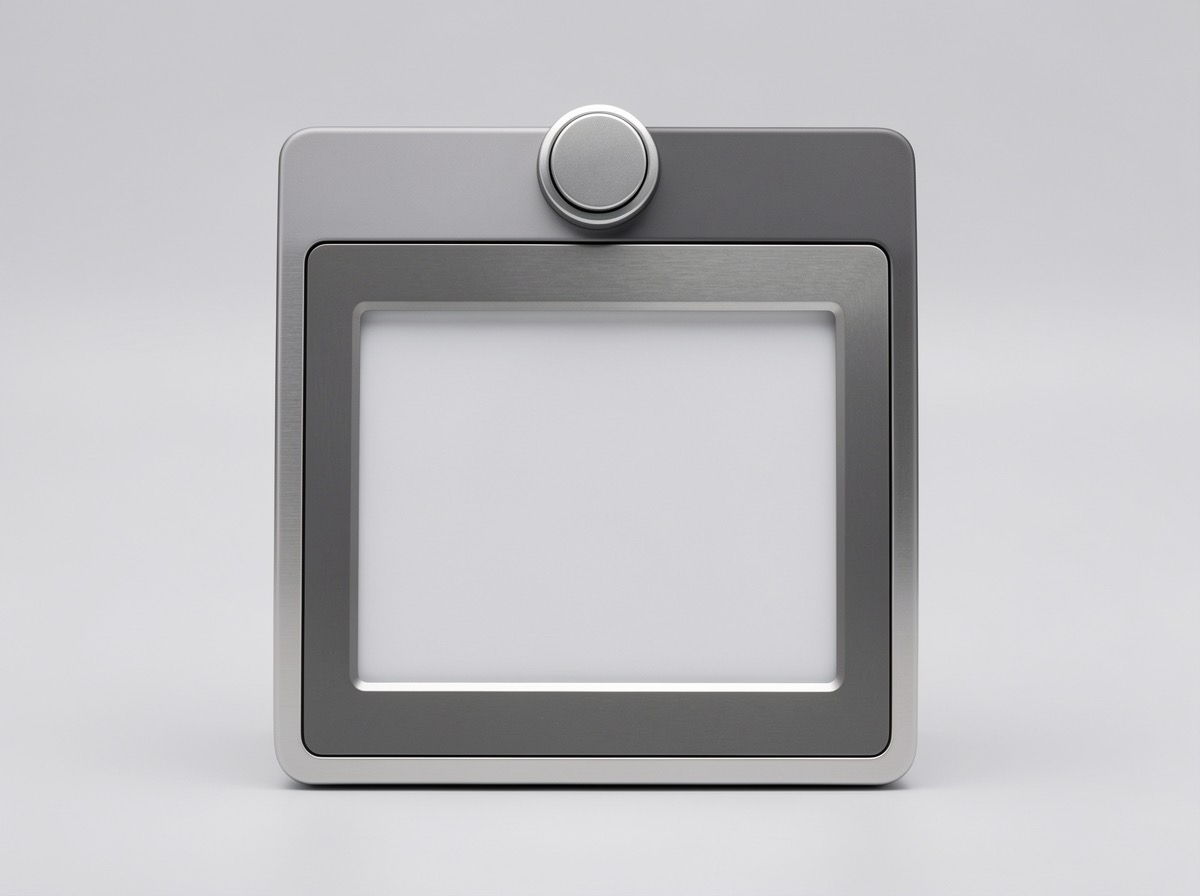
Illustrative picture. We confirm the exact model with your price.
Large-display talking clock
Shows the day, date and time in big print and speaks on a button.
Good forPoor vision or memory
- Price and delivery confirmed first
- A nurse can advise before you buy
- Set-up help when it is needed
What it is, and who it helps
A large-display talking clock shows the time, the day and the date in big print, and speaks them aloud at the press of a button. For people with poor vision or memory, it helps keep track of the day and the appointments in it.
Knowing the day and date reduces confusion and anxiety, and some models can also show medicine reminders.
How to choose
- Choose a display that is large and has high contrast, with the day of the week written out in full.
- Pick a clear, natural voice and a simple single button.
- Check the volume can be adjusted and the clock has a battery backup.
- Look for alarms for medicines or appointments if needed.
Using it safely
- Place it where the person can see and reach it, such as the bedside or the main chair.
- Check the batteries regularly.
- Pair it with a notice board or calendar for appointments.
Before you buy
Is it useful for dementia?
A day and date clock can help with orientation. It works best with routine and kind reminders.
Can a talking clock be set for medicine times?
Some models have alarms for medicine or appointments. Check the features before buying.
More in Daily living aids · Care plans · Services · Tech gadgets for seniors
General information, not medical advice. Ask a doctor, nurse or physiotherapist what is right for your parent.
Not sure this is the right one?
A nurse can suggest the right choice, arrange delivery and show how to use it.