
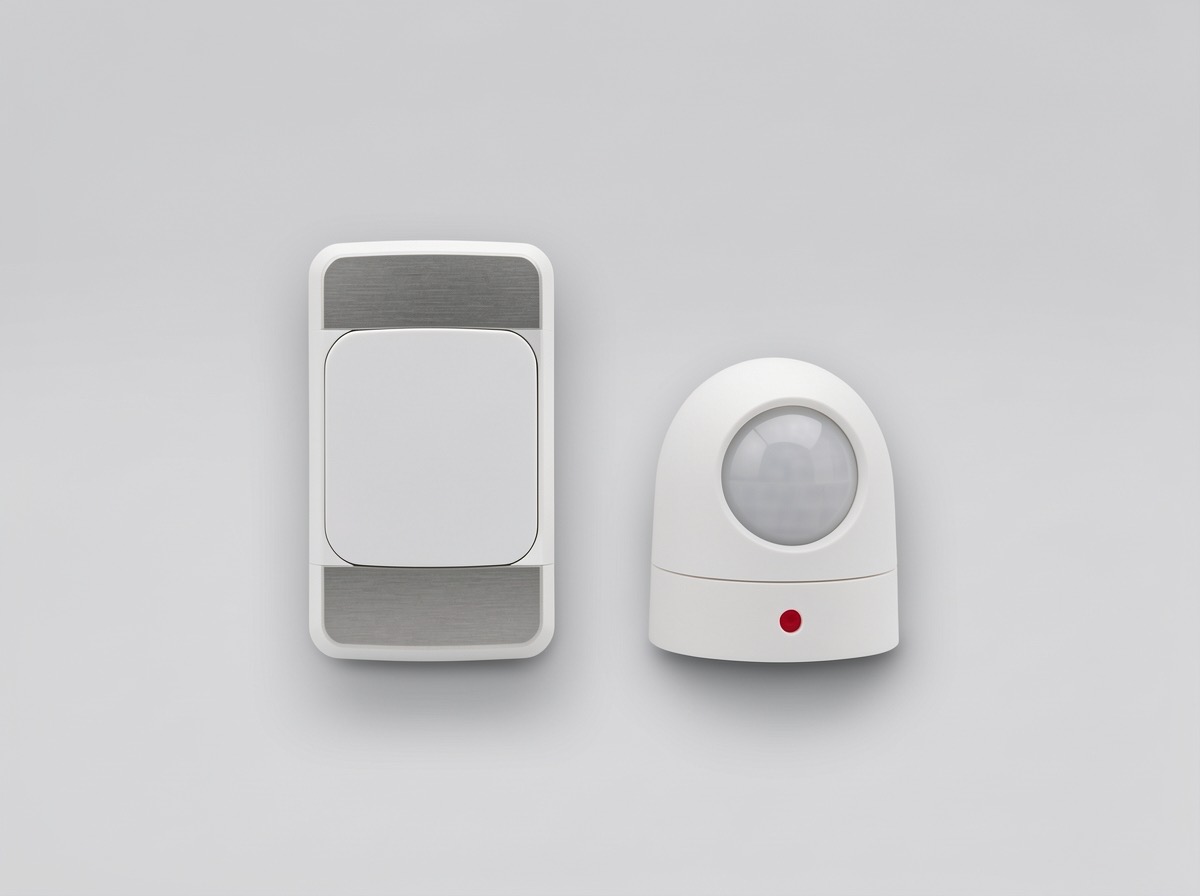
Illustrative picture. We confirm the exact model with your price.
Door and motion sensor
Notices unusual activity, such as a door opened at night.
Good forDementia, wandering, living alone
- Price and delivery confirmed first
- A nurse can advise before you buy
- Set-up help when it is needed
What it is, and who it helps
Door and motion sensors notice activity without cameras: a door opening at night, no movement in the kitchen by lunchtime, or an unusual pattern during the day. They are useful for people with dementia who wander, or those who live alone and whose family want reassurance.
Alerts go to a phone or the care team, so that someone can check in.
How to choose
- Decide what you want to know: a door opening, movement in a room, or a bed or chair leaving.
- Choose battery-operated, wireless sensors that are easy to place and need no wiring.
- Check how alerts are sent, and to whom, and whether it needs the internet.
- Look for a system that learns normal routines and alerts only to unusual events.
Using it safely
- Tell your parent what is being monitored, and why; agree to it as far as possible.
- Do not rely on sensors alone for someone at high risk of wandering.
- Replace batteries on schedule and test the alerts.
Before you buy
Do sensors record video or sound?
Simple door and motion sensors do not. They only note that something moved or opened.
More in Safety and alert devices · Care plans · Services · Emergency support · Elder tech and wearables
General information, not medical advice. Ask a doctor, nurse or physiotherapist what is right for your parent.
Not sure this is the right one?
A nurse can suggest the right choice, arrange delivery and show how to use it.