
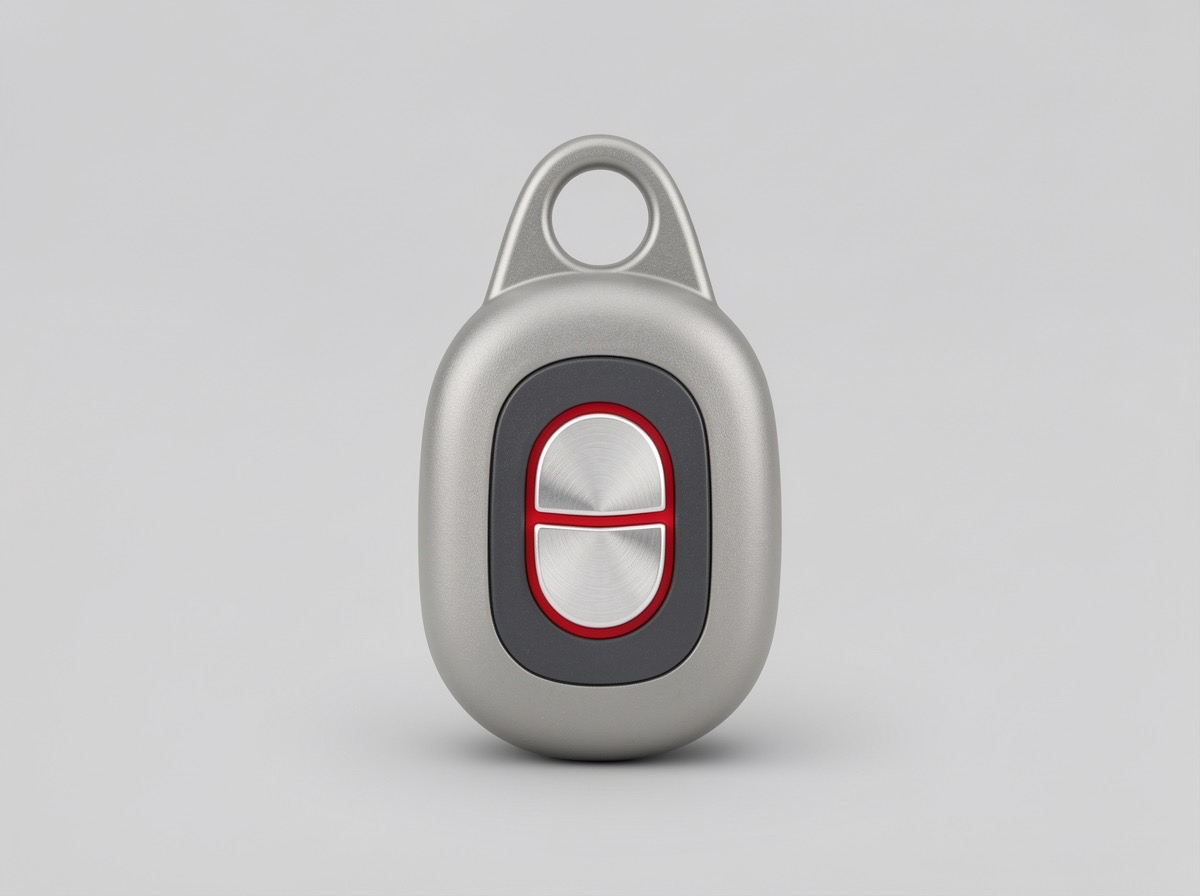
Illustrative picture. We confirm the exact model with your price.
GPS tracker
Small tracker for a pocket or bag, with location alerts.
Good forPeople who may wander
- Price and delivery confirmed first
- A nurse can advise before you buy
- Set-up help when it is needed
What it is, and who it helps
A GPS tracker is a small device that can be worn or carried and shows its location on a phone. For people with dementia who may become lost, it allows a family member to find them quickly, and some can alert you when the person leaves a set area.
It does not replace supervision, but it adds a safety net and reassurance.
How to choose
- Pick a tracker that is small, light and can be worn on a watch, in a pocket or on a belt, in a way that your parent will keep with them.
- Check battery life and how often the location updates.
- Look for geofence alerts and an emergency button.
- Check subscription costs and whether it works well in your area.
Using it safely
- Charge it regularly, and test that your family can see the location.
- Be open about it, and respect dignity and privacy.
- Combine it with an ID bracelet, a recent photo and neighbours who know.
Before you buy
Can a tracker be used indoors?
GPS works best outdoors. Indoors, it may be less accurate.
More in Safety and alert devices · Care plans · Services · Emergency support · Elder tech and wearables
General information, not medical advice. Ask a doctor, nurse or physiotherapist what is right for your parent.
Not sure this is the right one?
A nurse can suggest the right choice, arrange delivery and show how to use it.