First, rule out physical causes
A sudden change in behaviour is a medical alarm. Before you try anything else, think of:
- Pain: arthritis, a fracture after a fall, toothache, constipation, a full bladder, pressure sores, tight shoes, an urinary infection. The person may not be able to say it hurts; look for grimacing, guarding, groaning or resisting movement.
- Infection or illness: a urinary or chest infection, fever, dehydration, low sugar, low oxygen, heart problems. New confusion with fever is delirium until proven otherwise; see delirium in older adults.
- Medicines: new medicines, changes in doses, interactions, or medicines that increase confusion; ask the doctor or pharmacist for a review; never stop or change them yourself; see dementia and medicines at home.
- Senses: poor hearing or vision, missing glasses or hearing aids; see hearing loss home care guide.
- Basic needs: hunger, thirst, tiredness, bowel or bladder needs, being too hot or cold.
- Sleep problems and night-time confusion; see dementia sundowning.
- Depression or anxiety; see depression in older adults.
Call the doctor the same day for any sudden change in behaviour, and call 112 if there is fever with drowsiness, breathlessness, signs of stroke, a fall with injury or a person who cannot be roused.
Then look at the pattern: ABC
Keep a short diary for a week or two, noting:
- A, antecedent: what happened before? Time of day, who was there, what task, noise, light, mood, last meal, pain, medicines.
- B, behaviour: what exactly did the person do or say? How long did it last? How intense?
- C, consequence: how did others respond, and what happened next? Did it make things better or worse?
Patterns often jump out: afternoon restlessness, resistance only at bath time, distress when a particular person visits, shouting when the television is loud. See care diary and handover notes. Share the diary with the doctor.
Common behaviours and what may help
### Repeated questions or actions
The person cannot store the answer. They may feel anxious and seek reassurance. - Answer calmly each time, in the same short words. - Look for the feeling beneath: "You are worried about your lunch. It is on its way." - Offer a simple note, a clock or a calendar, or a distracting activity. - Avoid saying "I just told you".
### Agitation, restlessness and pacing
- Check pain, toilet, thirst, hunger and temperature.
- Offer a walk, music, a snack or a familiar task such as folding towels.
- Reduce noise, crowds and clutter; dim bright lights; draw curtains in the evening.
- Keep a calm tone, avoid rushing and avoid asking many questions.
- Allow safe pacing in a clear space; avoid restraining.
### Aggression and hitting out
- Stay calm, keep a safe distance and do not argue or shout.
- Do not restrain, corner or grab. Step back, lower your voice and give space.
- Look for triggers: pain, fear during care, feeling trapped or being touched suddenly.
- Approach from the front, say who you are and what you will do, and ask permission: "May I help you with your shirt?"
- Offer choices and let the person do as much as possible.
- If the person is a danger to themselves or others, call for help; call 112 if there is immediate danger.
- Afterwards, record what happened and tell the doctor.
### Accusations, suspicion and delusions
Dementia can cause fixed false beliefs: that things are stolen, a spouse is unfaithful or caregivers are imposters. - Do not argue or try to prove otherwise; it hardens the belief. - Acknowledge the feeling: "It must be upsetting to lose your glasses. Let us look together." - Keep duplicates of often-lost items such as keys, glasses and a purse, and learn favourite hiding places. - Redirect to another activity. - Tell the doctor, because infection, medicines and depression can contribute.
### Hallucinations
Seeing people or animals who are not there can occur, particularly in some types of dementia and with illness. - If the person is not distressed, you need not intervene. If frightened, offer reassurance without confirming or arguing: "I know that frightened you. I am here." - Check lighting and shadows, mirrors and patterns; reduce clutter and noise. - Report new hallucinations to the doctor promptly, since illness, medicines and poor eyesight can be involved.
### Resisting personal care, particularly bathing
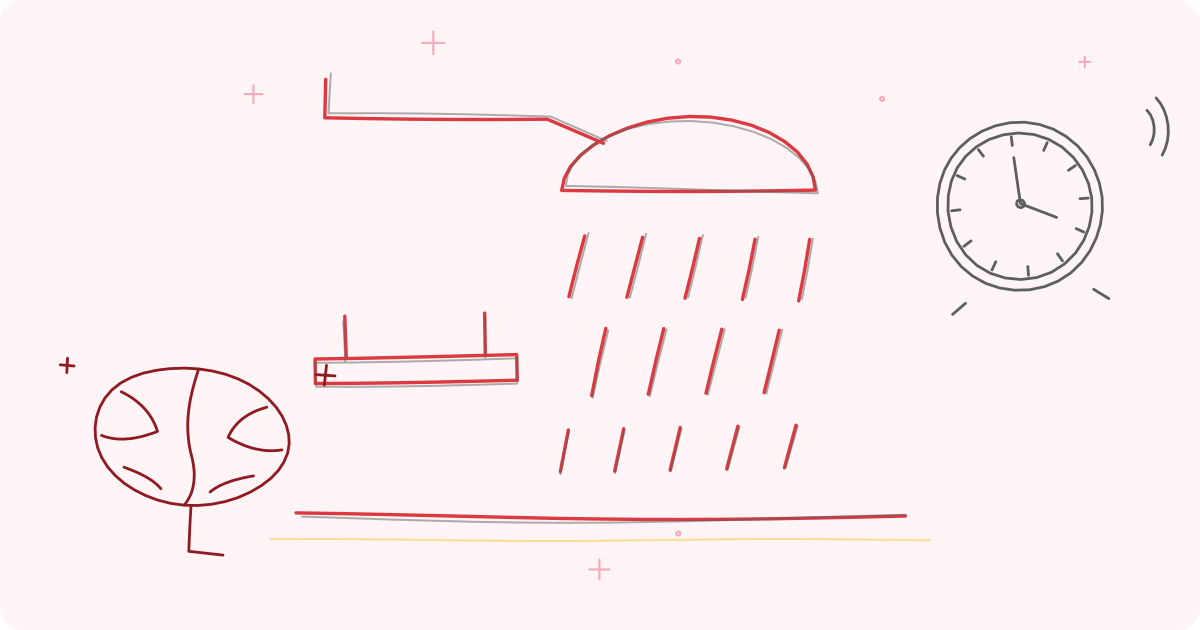
Care can feel invasive, cold, embarrassing and frightening to a person who may not understand why a stranger is undressing them. - Choose the time of day when the person is calmest; keep the room warm. - Explain simply, one step at a time, and let them hold a washcloth. - Preserve privacy and dignity with towels, doors closed, and same-gender carer if preferred. - Consider a sponge wash or a wash on alternate days when baths cause distress. - Do not force; try again later.
See bathing a parent who resists, bed bath step by step and dignity and consent in care.
### Refusing food, medicines or help
- Check for pain, sore mouth, poorly fitting dentures, constipation, difficulty swallowing and depression.
- Offer favourite foods in small portions, finger foods and a calm setting; see dementia, eating and weight loss.
- For medicines, ask the doctor about simpler schedules, other forms or timing, and never hide tablets in food without medical advice; see giving medicines safely at home.
### Wandering and exit-seeking
The person may be looking for home, a long-gone relative or a former job, or may be restless or bored. - Provide exercise, activity and meaning during the day. - Make the home safe; fit door chimes or sensors; see wandering and dementia safety and dementia patients stray dangerously afar while wandering at night. - Carry ID; consider tracking; no device ensures safety. - Walk with them, then redirect gently: "Let us have tea first, then see."
### Sundowning (late-day confusion)
Confusion and agitation often worsen at dusk. Keep afternoons calm, light the home well before dark, avoid caffeine late, keep a routine, and offer a quiet activity; see dementia sundowning.
### Sexual or disinhibited behaviour
Removing clothes, inappropriate remarks or touching can result from brain damage, discomfort, a need for the toilet or loss of inhibition. Stay calm, gently redirect, ensure privacy, check for physical causes such as an itchy or wet pad, and tell the doctor; see coping with inappropriate sexual behaviour in dementia patients. Do not shame the person.
### Apathy and withdrawal
Not all difficult behaviour is loud. Loss of motivation, sitting for hours and refusing to join in are common and can reflect depression. Offer gentle, familiar activities and company, and tell the doctor.
Adjust the environment and routine
- Reduce noise and overstimulation, and avoid crowds and clutter.
- Good lighting, without glare or shadows; keep the bedroom dim at night with a night light.
- Keep familiar objects and photographs around.
- A predictable routine helps greatly; see dementia daily routines.
- Meaningful activity every day: music, gardening, folding, cooking, prayer, walks.
- Good sleep habits, with daytime light and exercise.
- Consistent carers where possible; introduce new helpers slowly; see training a new attendant: the first week.
- Check the person's comfort: clothes, shoes, temperature, seating.
How to respond in the moment
1. Stay calm, breathe, lower your voice and slow your movements. 2. Ensure safety first, yours and theirs. 3. Do not argue, reason or correct. Join their reality where it is harmless. 4. Acknowledge the emotion: "You feel scared. I am here." 5. Give space if they feel trapped, and approach slowly from the front. 6. Distract or redirect with a drink, snack, music, a walk or a familiar object. 7. Stop the task and try again later if distress rises. 8. Reflect afterwards on what the trigger may have been.
Medicines: a cautious approach
Non-drug approaches should come first. Medicines to calm or sedate carry serious risks in dementia, including falls, stiffness, sleepiness, chest infections, stroke and earlier death. They are sometimes necessary for severe distress or danger, but only when prescribed and reviewed regularly by a doctor, at the lowest effective dose and for the shortest time. Do not give sedatives or sleeping tablets on your own, share medicines or increase doses. Do not stop them abruptly either. Ask the doctor about a review. See polypharmacy and deprescribing.
Looking after yourself
Hostile behaviour from someone you love is hurtful, and exhaustion makes it harder to respond calmly. Take breaks, share the load and speak about your feelings. If you notice that you are close to shouting, shaking or hurting the person, step away, ask for help and seek support at once; see caregiver burnout signs and prevention, respite care: how to take a break and guilt, grief and anger in family carers. For mental health support, a national tele-mental-health helpline (Tele-MANAS, 14416) has been announced; check the current number and service.
When to ask a professional
Talk to the doctor, neurologist, geriatrician or psychiatrist about any new or severe behaviour, medicine review and safety. A psychologist or occupational therapist can help with strategies and the home. A dementia carers' group offers peer support. For senior citizens' information and support, Elderline 14567 is a helpline; check current availability. Call 112 if someone is in immediate danger, has been injured, is missing or has a sudden severe change with fever, breathlessness or signs of stroke.
Equipment mentioned in this guide
Frequently asked questions
Why does my mother accuse me of stealing?
Memory loss and misperception can create false beliefs. Do not argue; reassure, help look for the item and tell the doctor.
Should we give a sedative when he is aggressive?
Only if the doctor prescribes it after checking for causes. Sedatives carry serious risks in dementia and are not a first step.
Is it normal for her to be worse in the evening?
Yes, many people with dementia are more confused and restless at dusk. Routine, light, a calm evening and a medical review can help.
What if I am afraid of my father when he becomes aggressive?
Keep a safe distance, avoid confrontation and get help. Tell the doctor and consider a safety plan. Call 112 if there is immediate danger.
Sources and further reading
- NICE guideline NG97, Dementia: assessment, management and support for people living with dementia and their carers
- Alzheimer's Society (UK), public information on changes in behaviour
- Alzheimers and Related Disorders Society of India, public information on dementia behaviours
- World Health Organization, mhGAP guidance on dementia
Tags: dementia behaviouragitationaggressionsundowningdistresscarer strategiesCaregiver how-tosMotion-sensor night lightBathroom and toilet safetyDaily living aids
This article is for general education and is not medical advice. Speak to your doctor before changing your exercise, diet or medicines.