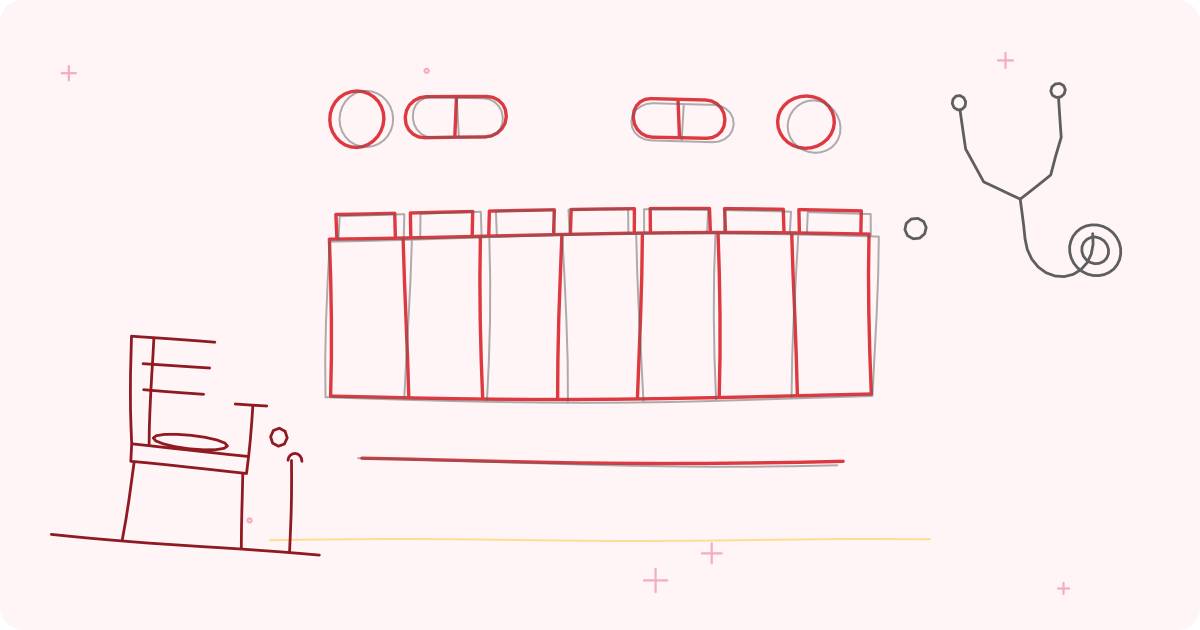
Step one: make one master list
Create a single, up-to-date medicine list and carry a copy to every appointment. For each medicine, record:
- the name as written on the box (brand and the active ingredient if shown);
- what it is for (ask the doctor in plain words);
- the strength, how many to take and when (morning, noon, night, with or without food);
- the prescribing doctor and the date it was started;
- special instructions, such as "before food", "do not take with milk" or "stop if vomiting";
- the expiry date and the pharmacy.
Include everything: tablets, capsules, syrups, inhalers, eye and ear drops, creams, patches, injections, vitamins, tonic, ayurvedic, homeopathic and herbal products, and anything bought without a prescription. Update after every visit, and cross out stopped medicines. Take photographs of labels as a back-up. See emergency contact card and medical summary and care diary and handover notes.
Ask the doctor or pharmacist for a regular medicine review at least once a year and after any hospital stay. Questions to ask: Is each medicine still needed? Can any be stopped or simplified? Are any likely to cause dizziness, confusion, constipation, poor appetite or falls? Do any interact? See polypharmacy and deprescribing and medicine side effects families should watch.
Step two: organise and store
- Use a pill organiser with days and times, filled once a week by one person, ideally the same person each time, from the original boxes, in good light and with the list in front of you. Check against the list each time. Keep the original packaging, since the organiser does not show names or strengths; see pill organiser guide.
- Keep medicines that should not go in organisers (liquids, inhalers, eye drops, some tablets that are damaged by light or moisture) in their original containers with clear labels.
- Store as the label says: most medicines in a cool, dry place away from direct sun and bathroom steam, not in a car or on a window ledge; some need a refrigerator. Think about summer heat and monsoon humidity in India.
- Keep medicines out of reach of children, and away from a person with dementia who might take extra.
- Check expiry dates monthly and discard expired or stopped medicines safely, returning them to the pharmacy if possible; do not give leftovers to others.
- Keep refills ahead, with a reminder about a week before supply ends, to avoid gaps, particularly before festivals, travel or weekends.
- One pharmacy where possible, so the pharmacist sees the full picture.
Step three: build a routine
- Tie medicines to daily habits, such as brushing teeth, breakfast, evening tea or bedtime, and keep the times consistent.
- Use alarms, a talking clock or phone reminders; see medicine reminders for forgetful parents and talking clock guide.
- Record each dose on a chart or tick sheet, which prevents double doses: "Did I already give it?" is a common worry.
- Give medicines yourself or supervise if your parent has memory problems. Do not leave tablets out for later; see dementia and medicines at home.
- Plan for travel, hospital stays and outings, packing extra tablets, the list and the original packs; see emergency bag for a hospital visit.
- Give the person a chance to take part, with clear explanations, to preserve dignity and cooperation.
Step four: giving them
- Wash your hands and check the right person, right medicine, right dose, right time and right route (by mouth, drops, patch, inhaler) each time.
- Read the label and look at the tablet. If it looks different from usual, check with the pharmacist before giving it.
- Sit the person upright and give a full glass of water with tablets, unless restricted. Lying down can make tablets stick in the throat. Stay while they swallow, and check the mouth is empty.
- Food and timing: follow the label about before or after food. Some medicines must not be taken with certain foods, tea, milk, calcium products, grapefruit or alcohol. Ask the pharmacist.
- Swallowing difficulty: ask the doctor or pharmacist before crushing, opening or splitting any tablet or capsule, since some slow-release or coated types become dangerous if broken. Ask whether a liquid or dissolving form exists. Never hide medicines in food or drink without the doctor's knowledge, particularly in dementia; see feeding someone who cannot feed themselves.
- Inhalers, drops and patches: ask the nurse or pharmacist to show the correct technique; see eye drops made easy and inhaler technique for older adults.
- Injections, including insulin, need specific training; see insulin and injections at home.
- Do not share medicines between people.
- Refusal: if the person refuses, do not force. Stay calm, ask why (taste, size, side effects, fear, a belief that they do not need it), try again later and tell the doctor. Do not disguise or deceive. If refusal continues, ask the doctor about alternatives.
Step five: watch and report
After starting a new medicine, or changing a dose, or when the person seems unwell, watch for:
- dizziness, light-headedness, falls, drowsiness, confusion or agitation;
- nausea, vomiting, diarrhoea, constipation, loss of appetite;
- rash, itching, swelling of the lips, tongue or face;
- unusual bruising or bleeding; black stools;
- changes in urine, breathing, heartbeat, mood or sleep;
- anything new that began after a medicine change.
Report symptoms to the doctor or pharmacist the same day, and note them in your diary. Do not stop the medicine yourself unless told, except in an emergency. Call 112 for swelling of the face or throat, difficulty breathing, severe rash with blistering, chest pain, collapse, signs of stroke, severe bleeding or vomiting blood, or if a possible overdose has occurred.
Home checks can help the doctor: blood pressure for those on blood pressure medicines; blood sugar for those on diabetes medicines; weight for heart failure; see how to measure blood pressure at home and how to test blood sugar at home. Share results with the doctor; do not adjust doses yourself.

Missed and extra doses
Ask the doctor or pharmacist, for each medicine, what to do if a dose is missed, and write it down. Do not double the next dose unless told. If an extra dose is given by mistake, call the doctor or pharmacist for advice; if the person is very drowsy, confused, breathless, vomiting or unwell, call 112. In India, you may also contact a poison information centre or the hospital; keep numbers handy and check them.
Special care groups
- Blood thinners: never stop, skip or change; see atrial fibrillation and blood thinners.
- Diabetes medicines: meal timing and low sugar risks; see diabetes and low sugar emergencies.
- Painkillers: avoid over-the-counter use without advice; see painkillers and older adults.
- Sleeping tablets and sedatives: raise falls and confusion; use only as prescribed; see insomnia in older adults.
- Herbal and supplements: can interact; see supplements and medicine interactions.
- Kidney disease: many medicines need adjusting; see chronic kidney disease home care.
Working with the doctor and the pharmacist
Bring the list, the actual boxes and your questions. Ask for plain-language explanations and written instructions. Tell every doctor about all medicines. Do not accept changes from multiple prescribers without them talking to each other. Share a copy of the discharge summary after hospital stays; see hospital admission and discharge for seniors. Be careful with online purchases; see medical device licences and safe buying.
When to ask a professional
A pharmacist can check interactions, explain how to take medicines and review your organiser. A doctor decides all changes. A nurse can show injection, inhaler and drop techniques. A geriatrician can lead a thorough medicine review. In an emergency, call 112.
Equipment mentioned in this guide
Frequently asked questions
Can I crush my mother's tablets to make them easier to swallow?
Not without asking the doctor or pharmacist. Some tablets must not be crushed because it changes how they act.
What if my father says he feels fine and wants to stop his tablets?
Do not stop them yourself. Tell the doctor, who can explain why they matter or change the plan.
How do I avoid double doses?
Use a weekly pill organiser, one person in charge, and a tick chart after each dose.
Can I give the same medicine as last time for a new symptom?
No. Symptoms may have a different cause, and medicines may interact. Ask the doctor or pharmacist.
Sources and further reading
- NICE guideline NG67, Managing medicines for adults receiving social care in the community; and NG5, Medicines optimisation
- World Health Organization, Medication Without Harm global patient safety challenge
- Indian Pharmacopoeia Commission, Pharmacovigilance Programme of India, public information on safe use of medicines
- Indian Pharmaceutical Association, public information on medicine storage and use
Tags: medicine safetymedication managementpill organiserside effectscaregiverspolypharmacyCaregiver how-tosWeekly pill organiser with alarmDaily living aidsHealth monitoring devices
This article is for general education and is not medical advice. Speak to your doctor before changing your exercise, diet or medicines.