What burnout feels like
Burnout often arrives slowly. You may notice some of these.
In the body: constant tiredness that sleep does not fix; headaches, back pain, stomach trouble; changes in appetite; frequent colds; trouble falling or staying asleep, even when the person you care for is settled.
In the mind and mood: feeling empty, numb, hopeless or trapped; irritability and short temper; tearfulness; dreading each day; trouble concentrating or remembering; feeling that nothing you do is enough; anxiety about what could go wrong.
In behaviour: withdrawing from friends and family; dropping hobbies, prayer or exercise; relying on more tea, sugar, tobacco or alcohol to get through; neglecting your own medical appointments; snapping at the person you care for or others; missing work or struggling at work.
In feelings about caring: resentment, guilt about the resentment, wishing it would all end, then feeling ashamed of that thought. These feelings are common and human. They do not mean you do not love your parent. See guilt, grief and anger in family carers.
Warning signs that need action soon: rough handling or shouting at the person you care for, neglecting their needs, thoughts of harming yourself or them, heavy drinking, or feeling unable to continue. Talk to a doctor or counsellor soon, and see below for support.
Why it happens
- Long hours and no breaks: nights broken by calls, no day off, no holiday.
- Heavy physical tasks: lifting, bathing, turning and cleaning, without training or equipment; see how to lift and transfer safely.
- Emotional strain: watching a parent decline, coping with memory loss or behaviour changes; see dementia challenging behaviours.
- Role overload: juggling work, children, home and care.
- Money worries: loss of income, medical costs, lack of insurance.
- Family conflict or unfair division of work; see sharing care among siblings.
- Isolation: fewer friends, no one who understands.
- Little recognition, or criticism from relatives who help rarely.
- Lack of knowledge: not knowing what to expect or how to do tasks safely.
- Perfectionism and guilt: the belief that you must do everything yourself and that any rest is selfish.
- Own health problems left untreated.

Small habits that protect you
Big changes are hard when you are exhausted. Start with small, repeatable habits.
Sleep. It is the first thing to go and the most important to protect. Share night duty where possible; see night-time caregiving. Nap when the person you care for naps. Keep a regular bedtime when you can.
Food and water. Eat regular meals rather than leftovers on the run. Keep water and a snack nearby. Limit too much caffeine and sugar.
Movement. Even ten minutes of walking, stretching or yoga on most days helps mood and body. Do some during the day, not only when you have free time.
Your own health. Keep your check-ups, vaccines and medicines. Tell your doctor that you are a carer; they can look out for you.
Pause points. Build tiny breaks into the day: five minutes on the balcony, a cup of tea sitting down, a few slow breaths, a prayer, a phone call to a friend. Many short pauses add up.
Something that is yours. Keep one thing that is for you: a song, a garden corner, a book, a WhatsApp group with friends, a weekly visit to a temple or park.
Say no to something. Decide what you can drop: social visits that drain you, extra tasks that others can do, standards that are higher than necessary.
Notes and routines. A shared care diary, a medicine chart and a daily schedule reduce mental load; see care diary and handover notes.
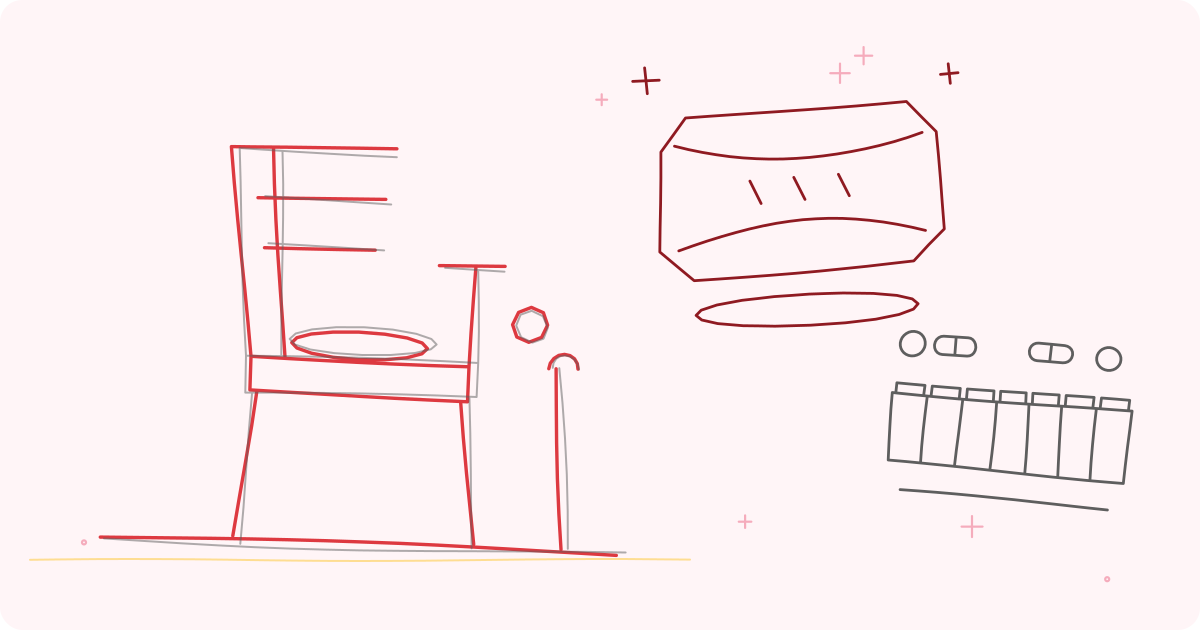
Right equipment. The correct bed, a shower chair, a transfer belt, grab bars and a commode reduce physical strain and risk of injury. Use them, and get training from a nurse or physiotherapist; see hospital bed at home guide.
Comfort for your body. Heat packs, a good pillow, comfortable shoes and attention to your back posture help prevent aches;.
Share the load
Asking for help is a skill, and many people find it hard.
- Be specific. "Can you take Amma to the doctor on Thursday?" works better than "I need help."
- Divide tasks by strength. Someone good with money does paperwork; someone far away makes the evening call and pays for help; someone local covers weekends.
- Hold a family meeting every so often to review the plan, with honesty and without blame; see sharing care among siblings.
- Use paid help where possible: a home attendant for a few hours, a nurse for specific tasks; see hiring a home attendant checklist.
- Involve neighbours, friends and community groups for small favours and company; see volunteers, neighbours and community help.
- Involve the older person as far as they can take part; see involving children and grandchildren in care.
- Accept imperfect help. The dishes may be put away in the wrong place; that is fine.
Take real breaks
Respite means someone else takes over care for a period so that you can rest. It can be a few hours, a weekend, a week or longer. Options include a trusted relative, a paid attendant, a day-care centre or a short stay in a care facility. Plan for it before you are desperate, write instructions and hand over notes, and try the arrangement for a short period first. Guilt is common; remind yourself that rest makes you a better carer. See respite care: how to take a break and benefits of respite care.

Get emotional support
- Talk. To a friend, sibling, faith leader, doctor or counsellor. Being understood is a relief in itself.
- Carer support groups, in person or online, connect you with others who understand. Hospitals, memory clinics, senior citizens' associations and charities sometimes run them; ask around.
- Counselling or therapy can help with guilt, grief, anger and low mood. See a doctor if low mood, loss of interest, poor sleep or appetite last more than two weeks; see depression in older adults for signs that apply to any age.
- Mental health helplines: the government has announced a national tele-mental-health service called Tele-MANAS (14416); please check the current number and hours before relying on it. Elderline 14567 offers information and support for senior citizens; check current availability.
- Faith and meaning: prayer, reflection, music and community rituals comfort many carers.
When the caring is not working
If you find that you cannot continue safely, you are not obliged to push on until you collapse. Options include more paid help, moving the person to live with another relative, day care, assisted living or a care home. These choices are hard, and they are not abandonment. See when home care is no longer enough and choosing an assisted living or care home.
When to ask a professional
See a doctor if you have persistent exhaustion, low mood, anxiety, sleep trouble, pain or any physical symptoms, or if you are using alcohol or sedatives to cope. A counsellor or psychologist can help with stress, guilt and grief. A nurse or physiotherapist can teach safe handling to protect your back. A social worker can explain local support. If you feel you might harm yourself or the person you care for, or you are in immediate danger, call 112.
Equipment mentioned in this guide
Frequently asked questions
I love my mother but I sometimes feel angry or want to run away. Is something wrong with me?
No. These feelings are common among carers under strain. Acknowledge them, rest and talk to someone. They are a signal that you need support.
How do I ask my brother to help without a fight?
Choose a calm time, describe your limits, make specific requests and offer choices. If it is hard, ask a trusted relative or counsellor to join.
Is it selfish to take a break?
No. Rest and time for yourself protect your health and make you a better carer.
How can I tell stress from burnout?
Stress feels like too much; burnout feels like too little, with exhaustion, detachment and hopelessness. If it lasts and affects daily life, seek help.
Sources and further reading
- NICE guideline NG150, Supporting adult carers
- World Health Organization, Mental health and older adults fact sheet
- Indian Psychiatric Society, patient information on stress and burnout
- Alzheimers and Related Disorders Society of India, support for dementia carers
Tags: caregiver burnoutcarer stressself carerespitefamily caregiversmental wellbeingCaregiver how-tosHot and cold packCushions, pillows and comfortDaily living aids
This article is for general education and is not medical advice. Speak to your doctor before changing your exercise, diet or medicines.