
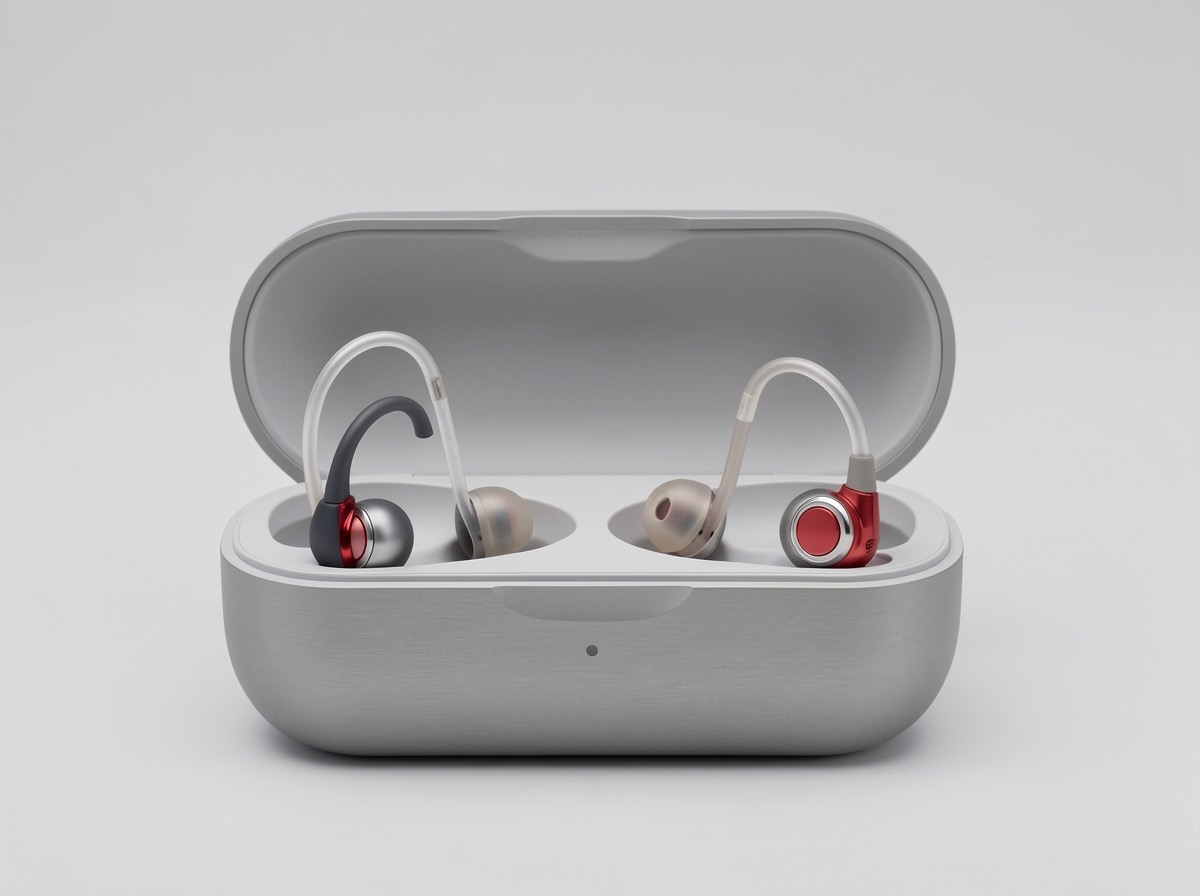
Illustrative picture. We confirm the exact model with your price.
Hearing aid (after a test)
Fitted and programmed after an audiologist's test, with follow-up.
Good forHearing loss confirmed by a test
- Price and delivery confirmed first
- A nurse can advise before you buy
- Set-up help when it is needed
What it is, and who it helps
A hearing aid is a small, programmable device that makes sounds louder and clearer, tuned to the person's own hearing loss. Treating hearing loss helps conversation, safety and social life, and research suggests it may help protect thinking skills in people at risk.
A hearing aid is fitted after a hearing test by an audiologist and needs follow-up adjustments, which is why it is not the same as a cheap sound amplifier.
How to choose
- Start with a proper hearing test, which shows the type and level of loss and which devices will help.
- Decide between behind-the-ear, in-the-ear and nearly invisible styles, based on the loss, dexterity and preference.
- Look at features that matter in daily life: noise reduction, rechargeable batteries, Bluetooth for phone calls and TV.
- Ask about the trial period, follow-up visits, repairs, warranty and cost of batteries.
Using it safely
- Wear it daily and expect a few weeks to adjust, since the brain needs time to relearn sounds.
- Clean it as directed, keep it dry and store it safely away from pets and children.
- See an audiologist or doctor for sudden hearing loss, pain, discharge or loss in one ear only.
Before you buy
Are over-the-counter amplifiers as good?
For mild loss they may help, but they are not tuned to your hearing. Get a test first.
More in Hearing and vision aids · Care plans · Services · Hearing loss and brain health
General information, not medical advice. Ask a doctor, nurse or physiotherapist what is right for your parent.
Not sure this is the right one?
A nurse can suggest the right choice, arrange delivery and show how to use it.