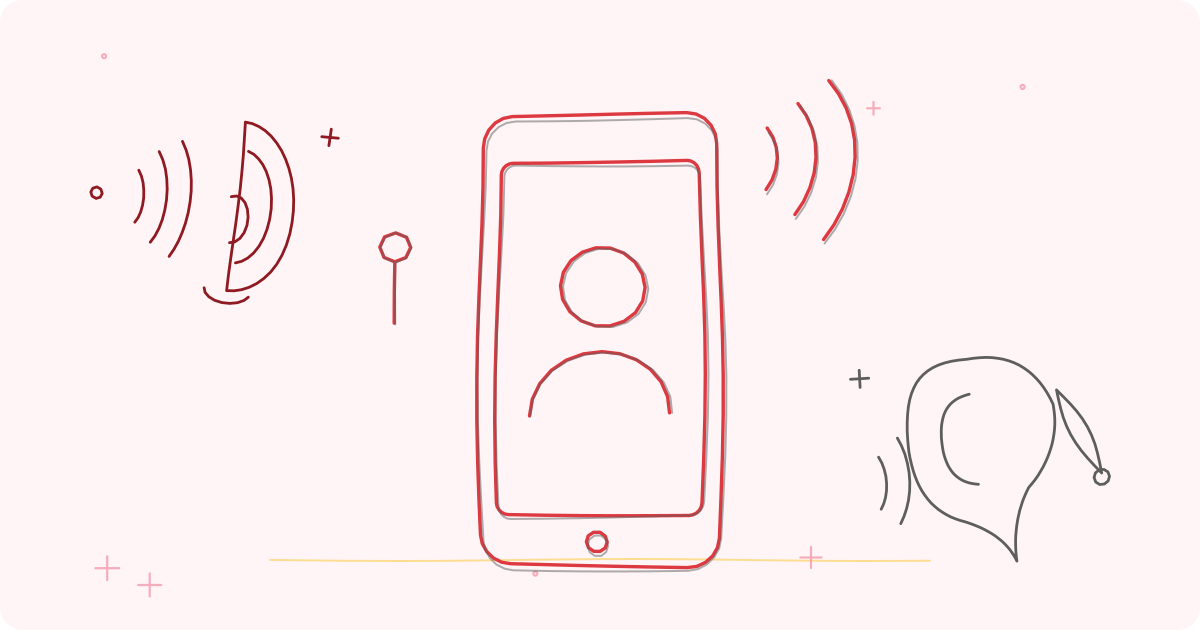
Why speaking louder is not the answer
Age-related hearing loss usually affects high-pitched sounds first. Vowels, which carry the volume of speech, may still be audible, but consonants such as s, f, th, k, p and t, which carry the meaning, fade. So the person hears that someone is talking but cannot make out the words. Shouting raises the volume of the vowels, distorts the voice and may sound angry; it does not restore the consonants. Clear, slightly slower speech, with the face visible and noise reduced, works much better. If the person has hearing aids, make sure they are in, switched on and working; see hearing aid care, batteries and troubleshooting.
Before you speak
- Get attention first. Say the name, wave or touch an arm gently, so that they are ready to listen before you start. Starting mid-sentence from another room means a miss.
- Face the person at about one to two metres, at eye level, so they can see your face and lips. Do not talk with your back turned, from another room, while walking away or while washing up.
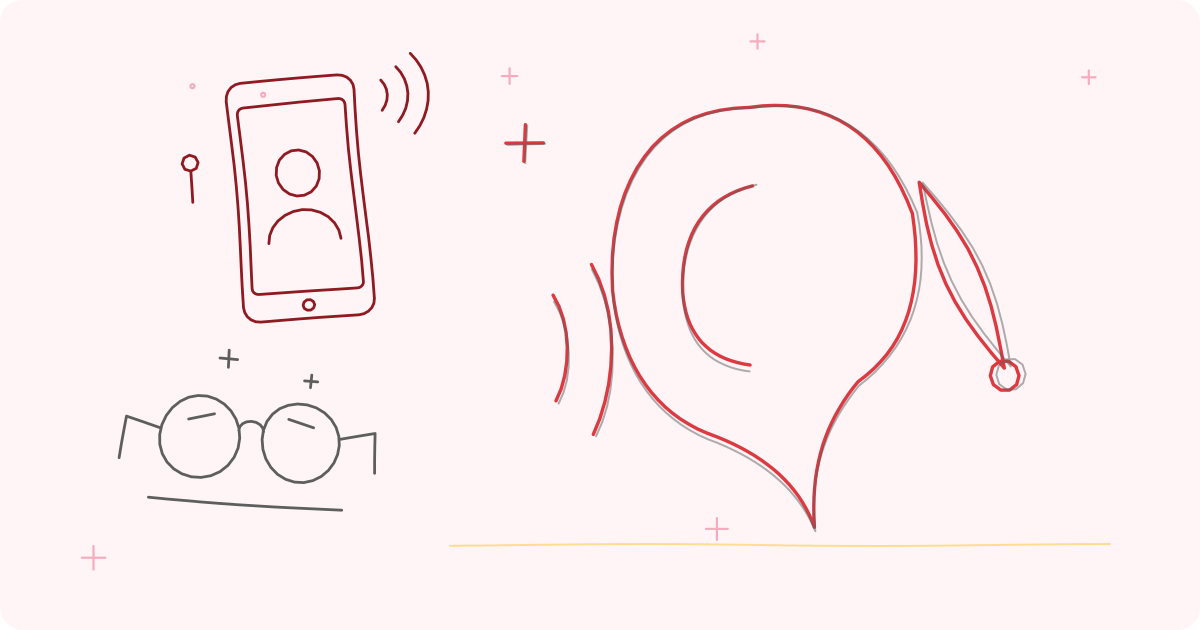
- Check the light. The light should fall on your face and not behind you. Avoid standing in front of a window, which silhouettes your face. See lighting for older eyes: brightness, colour and glare.
- Reduce background noise. Switch off the television, radio, fan or mixer, close the window against traffic, and move away from the pressure cooker or the kitchen.
- Make sure aids or amplifiers are in use. Glasses help too; seeing faces better helps understanding.
- Choose a good place for important conversations: a quiet room, not a noisy market or a corridor.

While you speak
- Speak clearly, at a normal or slightly slower pace, with natural rhythm and small pauses. Do not exaggerate lip movements or shout.
- Use a slightly lower pitch where you can; deeper voices are often easier to hear than high ones.
- Keep your hands and food away from your mouth, and avoid chewing or smoking while talking. A moustache can hide lips; speak extra clearly.
- Use short sentences and one idea at a time, and give the topic first: "About dinner tonight, would you like dal or sabzi?"
- Use gestures and facial expression, which give clues. Point, show an object or write a key word.
- Do not cover your mouth or turn away. Remove masks if safe to do so, or use a clear one; masks muffle sound and hide lips.
- If not understood, rephrase rather than repeating louder. A different word may be easier to hear. "Are you hungry?" may become "Would you like to eat?"
- Check understanding gently. Ask them to say back the plan, or confirm key details such as times, medicines and names. Do not just ask "did you hear?" since the answer will often be "yes".
- Do not say "never mind" or "I'll tell you later". It excludes the person. Instead, write it, rephrase or give the gist.
- Be patient and unhurried. Frustration is visible and makes it harder.
In groups and at meals
- Seat the person where they can see everyone's faces, with their better ear towards the group and with their back to the noise, away from the television or the kitchen.
- One speaker at a time. Overlapping talk is the hardest situation. Ask others to take turns.
- Tell them the topic before a new conversation, and recap when it changes.
- Share the key points afterwards, or repeat names and plans.
- Use good lighting and a round table where possible, rather than a long table.
- Keep music and television low during meals.
- At family events, such as weddings, ask the organisers for a quieter corner or a seat near the front, and tell the person what is going on. Allow breaks, because listening tires.
- Do not talk about the person in front of them as if they are not there.
On the telephone
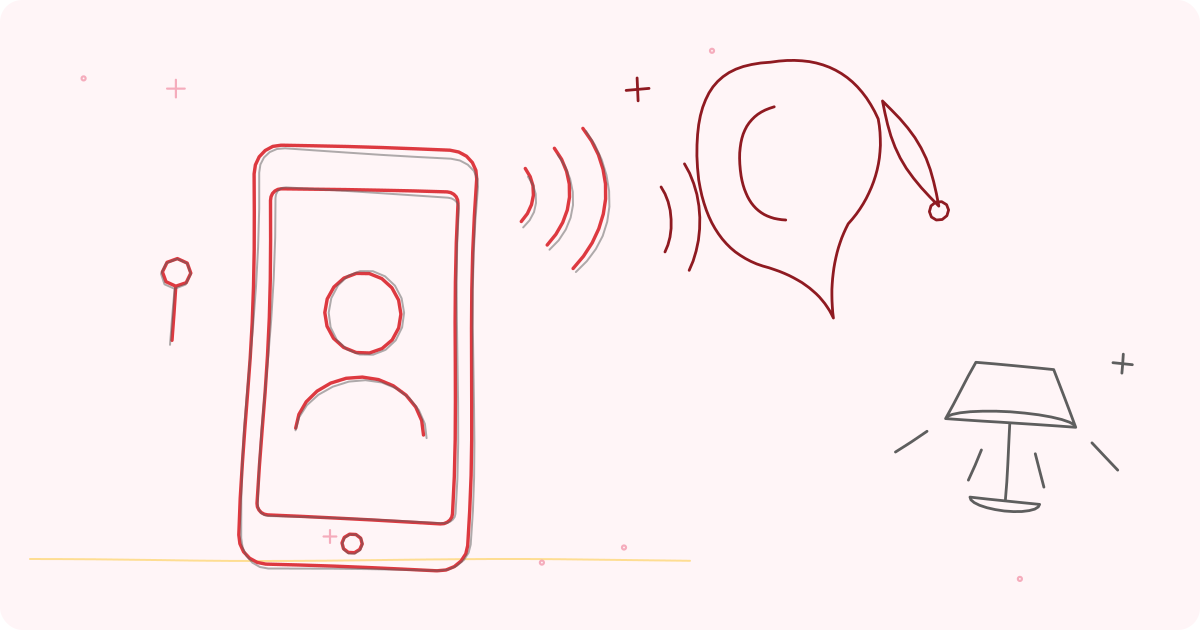
- Use the speaker or a headset, and a phone that suits hearing loss; see amplified phones and phone settings for hearing loss and phone accessibility features for hearing and vision loss.
- Speak clearly and slowly, and say who is calling at the start.
- Use video calls so that they can see your face, with good light.
- Send text messages or voice-to-text for key information such as times and addresses.
- Repeat important numbers and details, and follow up in writing.
Television and entertainment
Turn on captions or subtitles, which help everyone. If the volume bothers others, consider TV headphones or a streamer; see TV headphones and streamers for hearing loss. Avoid raising the volume until it hurts the neighbours.
Making the home friendlier to hear in
- Soft furnishings, curtains and rugs reduce echo, which blurs speech. Bare floors and tiled rooms are hard for hearing aid users.
- Reduce constant noise such as fans, air conditioners and dripping taps where practicable.
- Place chairs so people can face each other.
- Use a flashing doorbell or a vibrating alarm if needed, and make sure smoke alarms are loud or have lights. See smoke and gas safety for older adults.
- Keep lighting good at the dining table and sitting area.
In public places, shops and hospitals
- Tell staff that your parent is hard of hearing, and ask them to face and speak clearly.
- Write down key points, such as the doctor's instructions, medicines and next appointment, or ask the clinician to write them. Take notes and photographs.
- Choose quiet times for appointments.
- Bring a family member to repeat and confirm what was said.
- Keep spare batteries and a charged phone.
See also a hearing test: what to expect and emergency contact card and medical summary.
If the person also has dementia, vision loss or other difficulties
Hearing loss and dementia often coexist, and each makes the other harder to manage. Use short, simple sentences, a calm tone, written cues and photographs. See communicating with someone who has dementia. Where eyesight is poor too, rely on touch, a clear voice and good contrast; see hearing and vision loss together: practical support.
Feelings on both sides
Hearing loss strains relationships. The listener may feel stupid, tired, anxious or excluded and may pretend to understand. The speaker may feel irritated, worn out or hurt by being ignored. Both can feel guilty. Some tips:
- Name it: "This is hard for both of us, and we can work on it together."
- Take breaks in long conversations.
- Praise effort and patience.
- Avoid blame: hearing loss is not stubbornness.
- Share the load within the family and with friends, so that one person does not bear all the repeating.
- Keep the person involved in decisions and conversations, so that they do not retreat. See hearing loss and isolation in later life.
- Look after yourself: carers of people with hearing loss can become exhausted. See caregiver burnout: signs and prevention.
When it is time to seek help
If communication problems are growing, if the person is withdrawing, or if you are unsure how much they hear, arrange a test; see signs of hearing loss in parents and how to raise it gently. If they already have aids but still struggle, ask the audiologist about adjustments and extra devices; see hearing aids: types, costs and how to choose.
When to ask a professional
Ask an audiologist or ENT doctor to test hearing, treat problems such as wax, and advise on aids and assistive devices. Ask a speech-language therapist or audiologist about communication training, and about lip-reading or listening classes if available. Seek urgent care for sudden hearing loss or loss with dizziness, ear pain, weakness or facial droop; call 112 for signs of stroke.
Equipment mentioned in this guide
Frequently asked questions
Why does my father hear me but not understand?
Age-related loss often removes high-pitched consonants, so speech sounds loud but unclear. Clear speech, face-to-face talk and reduced noise help more than shouting.
Should I speak louder?
Speak clearly, at a normal or slightly raised level, not shouted. Face the person, reduce noise and rephrase if needed.
How can I include my mother in group conversations?
Seat her where she can see faces, ask people to speak one at a time, tell her the topic and reduce background noise.
What if she says she hears fine?
Many people minimise hearing loss. Offer a test gently as a routine check, and focus on benefits such as enjoying family conversations.
Do these tips help with hearing aids too?
Yes. Hearing aids work best in quiet, face-to-face conversation with clear speech.
Sources and further reading
- World Health Organization, World report on hearing (2021)
- National Institute on Deafness and Other Communication Disorders, tips for communicating with a person with hearing loss
- National Institute for Health and Care Excellence, NG98 Hearing loss in adults: assessment and management
- American Speech-Language-Hearing Association, communication strategies for people with hearing loss
Tags: talking to hard of hearingcommunicating with hearing lossspeak clearlyhearing loss tips familycommunication strategieshearing tacticsHearing and vision aidsHearing aid (after a test)Healthy ageingElder care
This article is for general education and is not medical advice. Speak to your doctor before changing your exercise, diet or medicines.