What counts as constipation
Normal bowel habits vary widely, from three times a day to three times a week. Constipation is not just infrequent stools; it is a change from the person's usual pattern, with one or more of:
- Fewer than three bowel movements a week.
- Hard, dry, lumpy stools (Bristol stool types 1 and 2).
- Straining, or needing to press or use fingers to pass stool.
- A feeling of incomplete emptying or of blockage.
- Abdominal discomfort, bloating or cramps.
- Taking a very long time on the toilet.
Doctors use symptom-based criteria (the Rome criteria), but the practical test is whether the person is comfortable and passing soft, easy stools regularly.
Why it is common in older adults
- Low fibre and low fluid intake: a diet of rice, rotis, biscuits and tea, with few vegetables, fruit and pulses; reduced thirst; fear of frequent urination or incontinence leading to drinking less; see hydration for older adults: how much and how to remember.
- Less activity: sitting, bed rest, pain or fear of falling slows the gut.
- Slower gut movement and weaker abdominal and pelvic floor muscles with age.
- Medicines: very common culprits. These include opioid painkillers (codeine, tramadol, morphine), iron tablets, calcium supplements and some antacids, calcium channel blockers (for blood pressure), diuretics, anticholinergics (bladder and some antidepressant and allergy medicines), antipsychotics, antiparkinson drugs, some anticonvulsants and others. Do not stop any medicine yourself; ask the doctor whether alternatives or additional measures are possible; see medicine side effects families should watch for.
- Medical conditions: diabetes, an underactive thyroid, Parkinson's disease, stroke, dementia, depression, spinal problems, low potassium or high calcium and bowel disorders.
- Ignoring the urge because the toilet is far, cold, unclean or unsafe, or for lack of privacy, or because of poor mobility.
- Poor toilet position, such as a high seat with feet dangling, or using a bed pan.
- Dental problems limiting fibre-rich foods; see teeth, dentures and eating well in later life.
- Laxative overuse, which can weaken the bowel's natural activity.
- Bowel obstruction or tumours (see red flags).
A daily routine that works
### 1. Fibre from food
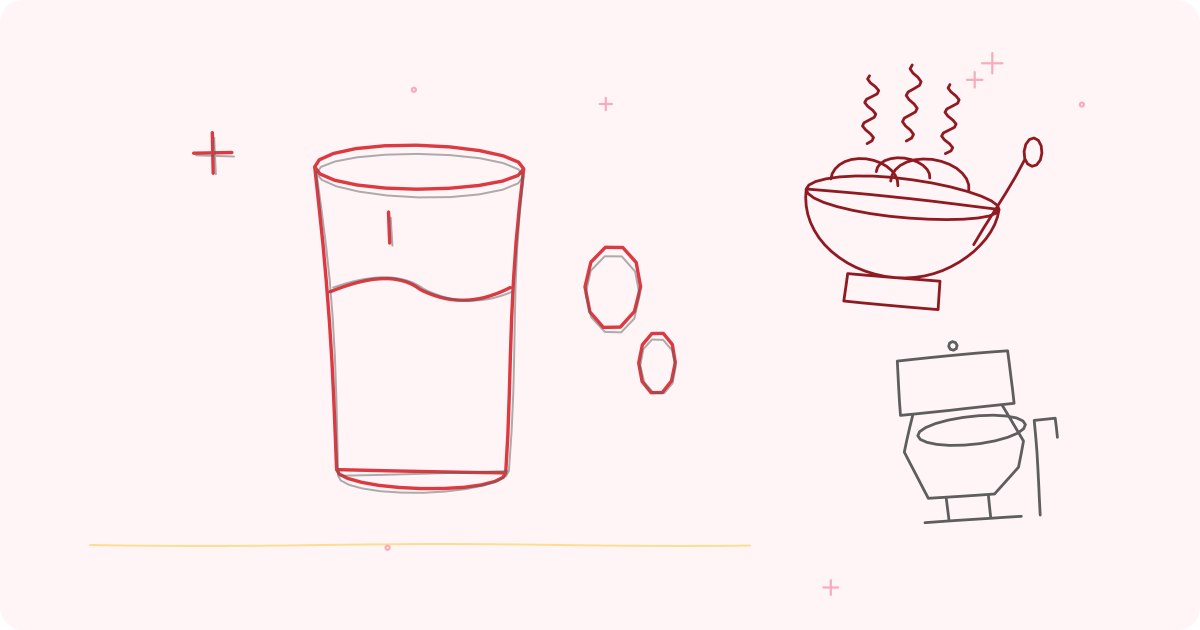
Dietary fibre adds bulk and softness to stool. Many older adults get less than half of the roughly 25 to 30 grams a day suggested for adults. Increase gradually over two to three weeks, with plenty of fluids; a sudden rise without water can worsen constipation and cause gas.
Indian sources: - Whole grains and millets: whole wheat atta rotis (with the bran), dalia (broken wheat), oats, ragi, jowar, bajra, brown rice, red rice, barley. - Pulses and legumes: dals with husk (moong with skin, whole masoor), chana, rajma, lobia, sprouts, peas. - Vegetables: leafy greens (methi, palak, amaranth, drumstick leaves), carrots, beans, cabbage, cauliflower, pumpkin, bottle gourd (lauki), ridge gourd (turai), bhindi, raw banana, drumstick pods, with their skins where suitable. - Fruit: papaya, guava, pear, apple with peel, orange, banana (ripe, which tends to soften, whereas unripe banana can bind), prunes, figs (anjeer), dates, raisins soaked overnight. - Nuts and seeds: flaxseed (alsi), chia, sesame, almonds, walnuts in small amounts.
See 10 high-fibre foods to keep gut healthy and balanced diet chart plan for elderly people.
Texture adjustments: for people with poor teeth, grate, cook until soft, mash or blend vegetables and fruit; make dalia porridge, vegetable khichdi, soups and stewed fruit; see soft and pureed diets. Avoid raw salads and whole nuts when chewing or swallowing is difficult.
### 2. Fluids
Aim for about 1.5 to 2 litres a day in total, unless the doctor limits fluids because of heart or kidney disease. Water, buttermilk, thin dal, soups, nimbu pani, coconut water (check with the doctor in kidney disease), milk and tea all count. A warm drink in the morning, such as warm water with a little lemon, or warm milk, can stimulate the bowel for some people. See hydration for older adults: how much and how to remember.
### 3. Movement
Walking, even short, frequent walks around the house, chair exercises and gentle stretching stimulate the gut. For bed-bound people, changing position and leg movements help. See walking programme for older adults and chair exercises for seniors.
### 4. Toilet routine
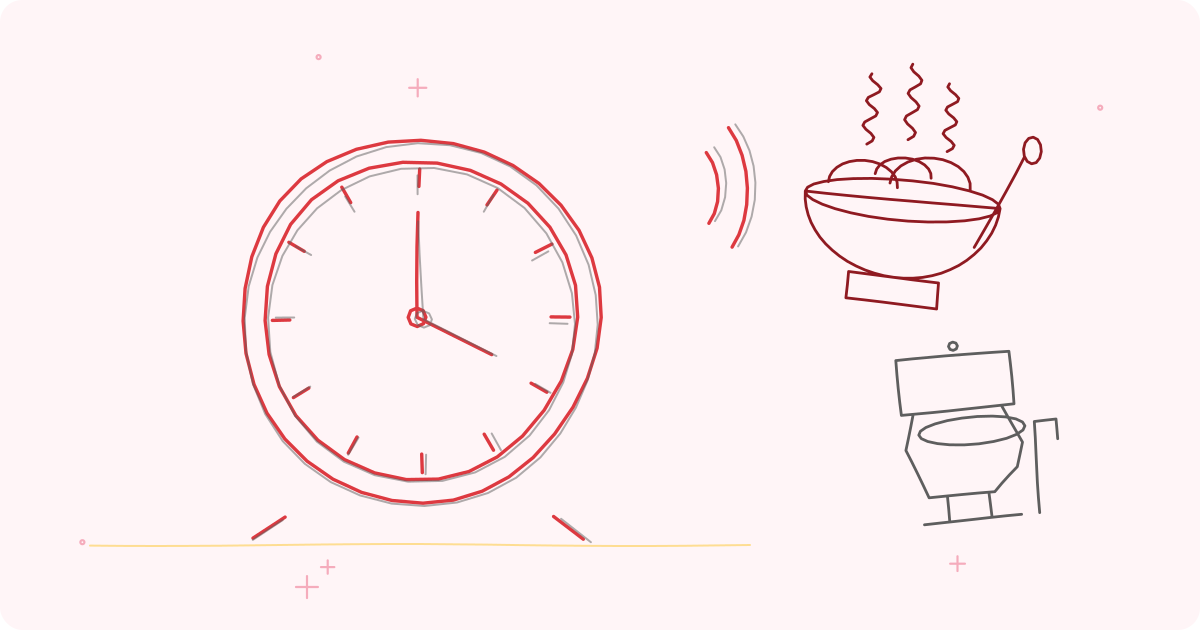
- Try after meals, especially breakfast and after a warm drink, when the gut reflex is strongest, at the same time every day, for five to ten minutes. Do not rush, and do not strain for long.
- Respond to urges promptly.
- Privacy, warmth and comfort in the bathroom.
- Position: feet on a small stool so that knees are above the hips, lean forward with a straight back and relax the belly; see raised toilet seat guide and commode chair guide. Squat-style toilets suit the position but are hard for stiff knees; see Indian-style toilet to western conversion.
- Breathing: breathe out gently as you push; avoid holding your breath, which strains the heart.
- Keep a diary of bowel movements, stool type, foods, drinks and medicines. This helps the doctor.
Fibre supplements
If food does not provide enough fibre, a bulk-forming supplement such as psyllium husk (isabgol) may help, when taken with plenty of water. See psyllium husk: how to take it and who should be careful. Cautions include swallowing problems, bowel narrowing and interactions, and the need to separate from medicines. Start with a small dose and increase slowly. Products such as flaxseed, wheat bran and prunes are other options. Probiotics have limited, inconsistent benefit for constipation; see probiotics for older adults: what they can and cannot do.
Laxatives: the cautious approach
Laxatives should be used under the guidance of a doctor or pharmacist, especially in frail older adults.
- Bulk-forming (fibre): such as psyllium, as above.
- Osmotic laxatives: lactulose, macrogol (polyethylene glycol) and milk of magnesia draw water into the bowel; generally preferred for older adults. Milk of magnesia and other magnesium products should be avoided or used with caution in kidney disease. Lactulose can cause bloating and gas.
- Stimulant laxatives: senna, bisacodyl, sodium picosulfate; useful for short periods or when others fail; long use is discouraged; cramps can occur.
- Stool softeners: such as docusate; evidence of benefit is limited.
- Suppositories and enemas: glycerin suppositories and others are used for rectal loading; enemas can be risky in frail older adults, in kidney disease, and must be used only on medical advice.
- Newer prescription medicines for opioid-induced and chronic constipation are available for selected cases.
- Herbal and "churna" preparations: some contain strong stimulant herbs such as senna or others, which can cause cramps, diarrhoea, dehydration and electrolyte loss; some products contain undeclared ingredients or heavy metals; ask the doctor or pharmacist before using. See supplements and medicine interactions: a safety guide.
- Castor oil and mineral oil: not recommended without advice.
Never use daily stimulant laxatives for months without medical review, never give laxatives for severe abdominal pain or vomiting, and never increase doses on your own. A regular, low-dose osmotic laxative prescribed by a doctor is often better and safer than occasional strong ones. See bowel incontinence and constipation in later life for the link with impaction and leakage.
Special situations
For bedridden people, use a routine with privacy, a semi-sitting position and fluids; see bed pans: types and how to use them. In dementia, prompt the toilet after meals; see incontinence and dementia: routines and reassurance. Constipation is very common in Parkinson's disease, diabetes and with low-fibre fasting foods; see fasting, festivals and older adults: staying safe. In heart, kidney or liver disease, fluid and food limits apply, so ask the doctor. Hard stool stuck in the rectum can cause leakage of liquid stool; see bowel incontinence and constipation in later life.
Red flags: see a doctor
- Blood in stool, black tarry stool or blood on paper.
- New constipation or a change in bowel habit lasting more than a few weeks, especially after age fifty, thin pencil-like stools or alternating diarrhoea and constipation.
- Unexplained weight loss, loss of appetite or tiredness.
- Severe or persistent abdominal pain, a swollen abdomen or vomiting.
- No stool and no gas for more than a day or two with pain or vomiting: possible obstruction; call 112.
- Pain on passing stool, or a lump at the anus.
- New confusion or agitation with constipation.
- Constipation after starting a new medicine.
- A family history of bowel cancer.
When to ask a professional
Ask the doctor to review constipation that is new, severe or persistent, and to review medicines, check thyroid, calcium, sugar and other causes, and examine the abdomen and rectum if needed. Ask a dietician for a high-fibre plan suited to the person's teeth, budget and conditions. Ask a pharmacist for safe laxative options. Seek urgent help for severe pain, vomiting, a swollen abdomen, rectal bleeding or no stool or gas; call 112 if severe.
Equipment mentioned in this guide
Frequently asked questions
How much fibre should an older adult eat?
Roughly 25 to 30 grams a day for many adults, built up slowly with plenty of fluids. A dietician can adjust for teeth, appetite and health conditions.
Is it safe to use a laxative every day?
Gentle options such as psyllium or an osmotic laxative may be used daily under medical guidance. Strong stimulant laxatives should not be used long term without review.
Does warm water in the morning help?
A warm drink can stimulate the bowel for some people. It works best with fibre, fluids, movement and a toilet routine.
Can my father stop his iron or calcium tablet because of constipation?
Do not stop on your own. Tell the doctor, who may change the form, timing or dose, or add measures.
When should we worry?
For blood in stool, severe pain, vomiting, weight loss, a change in bowel habit lasting weeks, or no stool and gas with a swollen abdomen.
Sources and further reading
- National Institute for Health and Care Excellence, Clinical Knowledge Summary: Constipation
- World Gastroenterology Organisation, global guidelines on constipation
- American Gastroenterological Association and American College of Gastroenterology, guidelines on chronic constipation
- Indian Council of Medical Research and National Institute of Nutrition, Dietary Guidelines for Indians
Tags: constipationfibrelaxativesbowel routineisabgolhigh fibre indian foodsstrainingGut health and nutritionHealth monitoring devicesHealthy ageing
This article is for general education and is not medical advice. Speak to your doctor before changing your exercise, diet or medicines.