Who uses a bed pan
- People who cannot get out of bed because of illness, frailty, stroke, fracture, surgery or advanced disease.
- People who are recovering after a hip or knee operation, or after a fall, under the surgeon's or physiotherapist's advice.
- Those who cannot stand or transfer safely to a commode or toilet.
- People with severe pain, breathlessness or weakness.
- People who prefer to avoid pads and can use a pan with help.
- Short-term use during acute illness, when a commode is not safe.
If a person can sit up safely and be transferred, a bedside commode is usually more comfortable and more natural than a bed pan; see commode chair guide and bedside commode and urinal routines.
Types
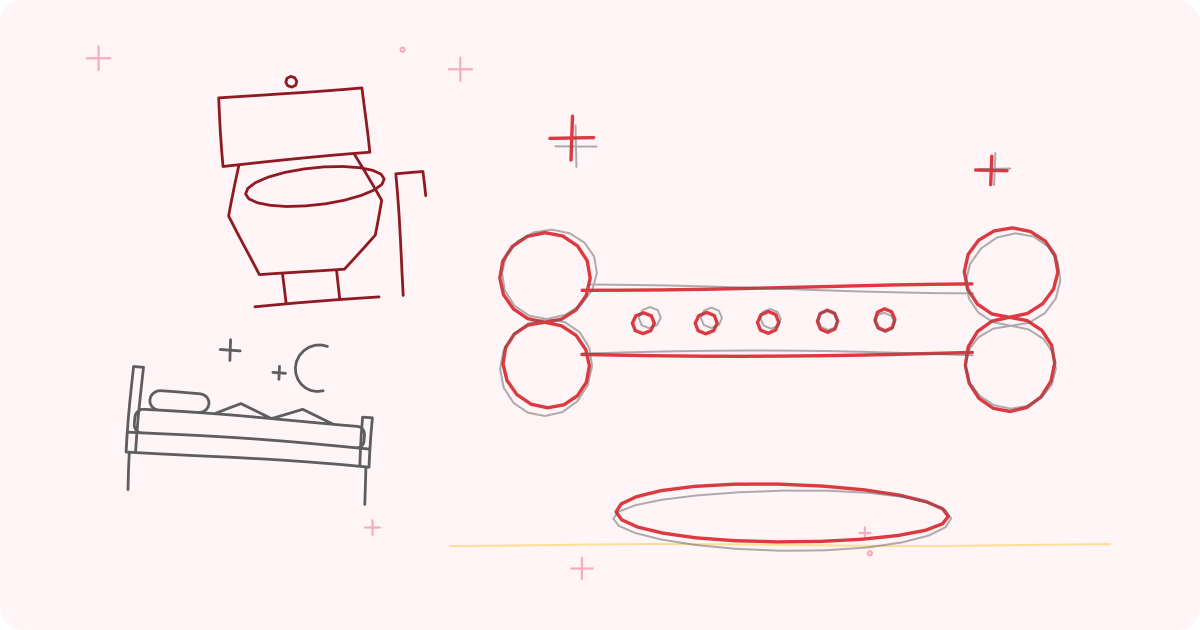
Standard (high-back) bed pan. A deeper, rounded pan with a wide rim and a handle. It suits people who can lift their hips or be rolled, and who are not restricted in hip movement. It is the most common type, and the deeper shape holds more.
Fracture (slipper) bed pan. A flatter, wedge-shaped pan with a low back and a narrow rim, designed to slide under the buttocks with little lifting. It is the preferred choice for people with hip fractures, spinal problems, painful joints, frailty or after surgery, where lifting the hips is painful or restricted. It holds less liquid, so check carefully for overflow. Women may find it more comfortable.
Bed pan with lid. Keeps odour and spills in during transport.
Padded or cushioned bed pans and rim covers. Soft covers reduce pressure and chill.
Bariatric bed pans. Wider and stronger for larger bodies.
Disposable bed pans and liners. Pulp or plastic liners that can be discarded, reducing cleaning.
Inflatable bed pans. Soft, thin pans that inflate under the buttocks; helpful for very frail skin, but not for all.
Bed pan with a urinal attachment for men or women who need both.
Materials: stainless steel, polypropylene or other plastic. Plastic is lighter, warmer and easier on skin; steel lasts but is cold, so warm it with warm water before use.
Preparation
- Gather supplies: the pan (warmed with warm water, and dried), a cover or lid, toilet paper or wipes, a bowl of warm water, a towel, gloves, a waterproof underpad, a bag for waste and barrier cream if advised.
- Wash hands, put on gloves and explain the steps.
- Ensure privacy: close doors and curtains, cover the person with a sheet, and remove visitors.
- Check the bed: lock the brakes, raise the bed to a safe working height and lower the side rail on your side, while keeping the other raised.
- Place an underpad under the buttocks to catch spills.
- Powder or oil on the pan is not necessary; avoid talcum powder, which clumps. A light smear of water or a liner reduces sticking.
Step by step: placing a standard pan (person can lift hips)
1. Raise the head of the bed slightly (about 30 to 45 degrees, or as the doctor allows), so that the person is semi-sitting. Lying flat makes it difficult to pass stool and increases the risk of spills. 2. Ask the person to bend their knees and place their feet flat on the bed, if they can. 3. Ask them to lift their hips by pushing through their feet, while you slide the pan, wide end under the buttocks, with the narrow end towards the feet. Support the lower back with one hand if needed. Do not pull on a person's arms. 4. Check the position: the buttocks rest on the rim, and the genitals sit over the opening. 5. For men, place a urinal or a piece of paper over the penis to avoid splashing. 6. Raise the head of the bed higher if allowed, to a sitting position, which helps bowel movement. 7. Cover the person, put toilet paper and a call bell or phone within reach, and allow privacy if safe to leave them, staying close by. Never leave a confused or unstable person.
Placing a fracture pan or for those who cannot lift
1. Check with the doctor, surgeon or physiotherapist about turning and positions. 2. Roll the person gently onto their side (towards you or away, as advised), keeping hips and spine aligned, with a pillow between the knees if needed. 3. Place the pan against the buttocks, with the flat, narrow end under the buttocks and the wide part towards the back, pressing it flat against the mattress. 4. Hold the pan in place and roll the person back onto it, with a second person helping if needed. 5. Check that they are centred and comfortable. 6. Raise the head of the bed slightly if permitted.
Removing the pan
1. Offer wipes or help to clean (see below). 2. Ask the person to lift the hips, or roll them onto their side, holding the pan against the buttocks so that it does not tip. 3. Remove the pan carefully, keeping it level, and cover it. 4. Place it on a stable surface. 5. Clean the person from front to back, pat dry, check skin, and apply barrier cream if advised; see wipes and perineal hygiene done gently. 6. Remove the underpad if soiled, tidy the sheet and help the person lie comfortably. 7. Empty, clean and store the pan; wash hands. 8. Note any unusual urine or stool.
Comfort, skin and pressure
- Do not leave the person on the pan for long. Prolonged sitting on a hard pan compresses skin and tissue and can cause pressure sores or red marks within minutes in frail people. Aim for a few minutes, and no more than needed. See preventing bedsores at home and pressure ulcers: stages, wound care and prevention.
- Warm the pan before use, and consider a soft cover.
- Check the skin of the buttocks and tailbone after each use: red marks that do not fade or any skin damage should be reported.
- Use a slide sheet to avoid dragging.
- Do not use the pan as a seat for extended periods.
- Avoid rushing, which causes anxiety and stalls bowel movements.
- Protect the bed with an underpad and mattress protector; see mattress protectors for incontinence.
- Relieve pain as the doctor advises before moving.
Helping bowel movements
- Position: a semi-sitting position with knees slightly raised helps. If the person's feet can press on a firm surface or a footrest, that helps.
- Timing: about 20 to 30 minutes after meals or a warm drink, when the bowel is naturally active.
- Privacy and patience.
- Fibre, fluids and activity as the doctor allows; see constipation in older adults.
- Avoid straining, which can raise blood pressure, strain the heart and cause bleeding; people with heart disease or after surgery should avoid straining. Tell the doctor about constipation.
- Do not use laxatives or enemas unless prescribed.
Hygiene and cleaning
- Wear gloves and wash hands thoroughly.
- Empty into the toilet, pouring gently, and flush.
- Rinse with cold water, then wash with warm water and detergent, using a dedicated brush.
- Disinfect with a diluted household disinfectant used as directed, or as the nurse suggests, and rinse and dry.
- Store clean and dry, covered, away from food areas.
- Do not clean in the kitchen sink.
- Keep one for each person.
- See commode chair cleaning and hygiene and infection control for home caregivers.
Safety for carers
- Protect your back: raise the bed, bend your knees, use slide sheets and ask for help with heavy people.
- Use gloves and wash hands.
- Do not lift a person alone if they are heavy.
- Take care with sharp or cracked pans.
- Keep the floor dry.
Problems and solutions
- Spills: place an underpad, use a fracture pan, raise the head slightly, and place a rolled towel in front.
- Cold or hard pan: warm it and use a cover.
- Pain on lifting: use a fracture pan and roll technique; check with the physiotherapist.
- No result: do not force; try later; check for constipation or retention; see a doctor if it persists.
- Difficulty urinating on a pan: a semi-sitting position, privacy, warm water over the genitals and relaxation help. If the person cannot pass urine at all, seek urgent medical help.
- Embarrassment: privacy, a calm tone and respect; see dignity in intimate care: words, privacy and consent.
- Confusion or dementia: explain slowly; try a routine; see incontinence and dementia: routines and reassurance.
When to ask a professional
Ask a nurse or physiotherapist to show you the right technique and pan type, especially after hip or spinal surgery. Ask the doctor about straining, constipation, blood in stool, difficulty passing urine, pain or skin damage. Seek urgent help if the person cannot pass urine, has severe abdominal pain or swelling, vomiting, black or bloody stool, fever with confusion or a wound that looks deep or dark; call 112 for emergencies.
Equipment mentioned in this guide
Frequently asked questions
Which bed pan is best after a hip fracture?
Usually a fracture (slipper) pan, which slides under with less lifting. Follow the surgeon's and physiotherapist's advice on turning.
How long can someone stay on a bed pan?
As short a time as possible, usually just a few minutes. Long periods on a hard pan can damage the skin.
Should the person lie flat?
No. A semi-sitting position makes passing stool easier and reduces spills, unless the doctor has restricted sitting up.
How do I clean the pan?
Empty into the toilet, rinse in cold water, wash with warm soapy water and a dedicated brush, disinfect as advised and dry.
Is a commode better?
If the person can be transferred safely, yes, because sitting is more natural. A bed pan is for those who cannot.
Sources and further reading
- Royal College of Nursing, guidance on toileting and continence care
- National Institute for Health and Care Excellence, CG179 Pressure ulcers: prevention and management
- National Institute for Health and Care Excellence, guidance on infection prevention and control
- World Health Organization, guidance on hand hygiene in health care and home settings
Tags: bed panfracture bed panbedpan usebedridden toiletingbed pan placementcommode alternativebowel care in bedIncontinence and hygieneBeds, mattresses and restHealthy ageing
This article is for general education and is not medical advice. Speak to your doctor before changing your exercise, diet or medicines.