What freezing is, and what it is not
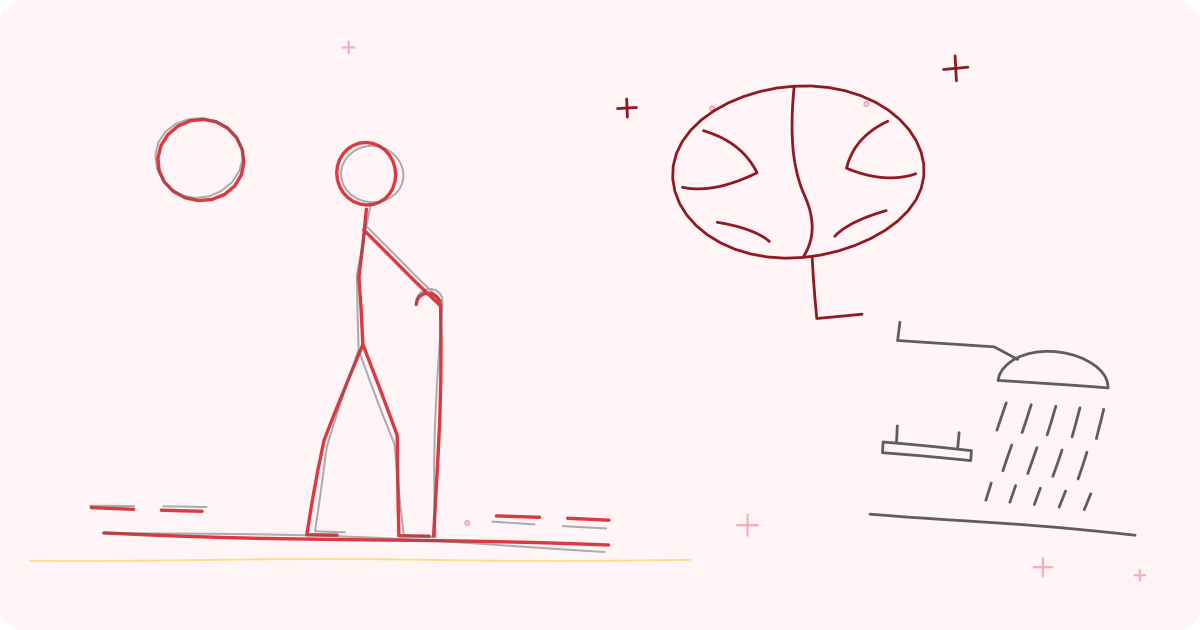
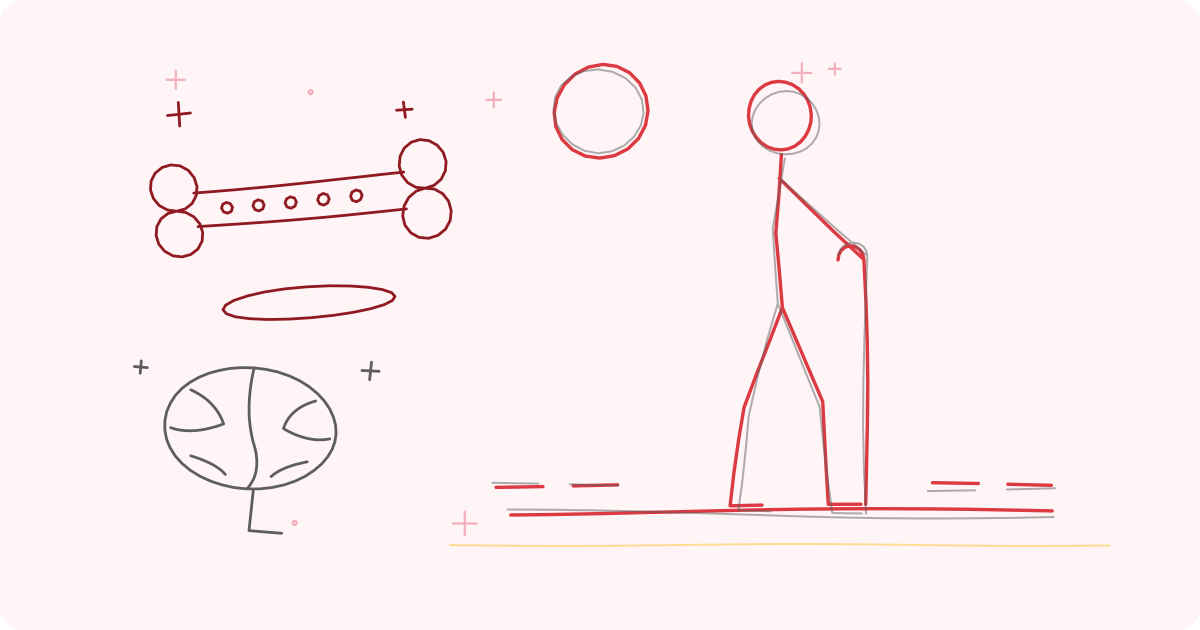
Freezing is a sudden, brief inability to start or continue stepping. Forms include:
- Start hesitation: difficulty initiating the first step.
- Turn hesitation: freezing when turning, especially in tight spaces.
- Freezing in tight places: doorways, lifts, narrow corridors, near furniture.
- Destination hesitation: freezing when approaching a chair, a toilet or a goal.
- Freezing in open spaces, with crowds or distractions.
- Festination: speeding up with small, rapid steps, which can lead to a fall.
It is not laziness, fear alone or stubbornness. It is related to how the brain generates movement. It tends to be worse in "off" periods when medicines are wearing off, with stress, fatigue, dual tasking (walking while talking or carrying) and when anxious. Some people also freeze during "on" times.
Triggers to look for
Keep a diary for a week, noting when and where freezing occurs, the time relative to medicine, and what the person was doing.
- Doorways and thresholds, especially narrow bathroom doors.
- Turning, particularly sharp turns.
- Narrow spaces, clutter, furniture.
- Hurrying: answering the phone or door, rushing to the toilet.
- Crowds, markets, temples, weddings.
- Patterned floors and shadows that look like barriers.
- Carrying objects, talking while walking.
- Medicine wearing off; see below.
- Anxiety, fatigue, cold, and poor lighting.
Knowing the triggers helps you modify the environment and plan for outings; see mobility aids for temples and weddings.
Medicines and the neurologist
Freezing is often linked with medicine timing. Tell the neurologist if freezing happens when medicine is wearing off or when it is at peak, and show the diary. The neurologist may adjust medicines, which only they should do. Never change doses or times yourself. Keep doses on time; see Parkinson's disease at home.
Cueing strategies that can restart walking
Cues give the brain another route to trigger a step. What works varies by person, and a physiotherapist can help find the right ones. Practise cues when not frozen, so they become automatic.
Visual cues - Lines on the floor: coloured tape across doorways, or parallel lines a step apart in the hall, so the person steps over them. Place at thresholds, in front of the toilet and chairs. - Step over a real or imagined line, or an object such as a cane held horizontally by a helper. - A laser-pointer cane or walker that projects a line to step over; some people find these helpful, some do not. - Look at a target ahead, not at the feet.
Auditory cues - Counting aloud: "one, two, one, two". - A steady beat: a metronome app, music with a clear rhythm, clapping or a wearable device. - A marching song or a phrase repeated.
Mental and body cues - Think "big step" or imagine stepping over a puddle. - Rock gently from side to side, shifting weight, before stepping. - Lift the knee high and march in place, then step. - Stand tall, with shoulders back. - Take a breath, relax, and begin again; do not force. - Step with the heel first.
Turning - Turn in a wide arc rather than pivoting on the spot. - Take small steps around the turn, as if tracing a circle, not twisting. - Do not turn while carrying things.
What not to do: do not pull, push or shout. Pulling can throw the person off balance. Wait a few seconds, offer a cue and be patient. Do not rush the person; do not ask them to walk while talking.
Making the home safer
- Widen the route: at least 90 cm; open doors wide or remove them; use sliding or curtained doors; see bathroom layout for wheelchair and walker users.
- Remove clutter, furniture and rugs; see flooring, rugs and trip hazards.
- Mark thresholds with coloured tape or a contrast strip; lower sills or use a gentle ramp; see portable ramps for thresholds.
- Use plain flooring; avoid bold patterns.
- Light every path, especially at night; see motion-sensor night lights.
- Place seats and rails along long routes so the person can pause.
- Put the toilet close and consider a commode at night; see commode chair guide.
- Reduce the need to hurry: a cordless phone, a doorbell that is easy to ignore, a plan for the toilet.
- Non-slip bathroom floors, grab bars, a shower seat; see bathroom safety for Parkinson's disease.
- Bed: firm, at the right height, with space to stand and turn; see bed height and getting out of bed.
- Chairs: firm with arms; see choosing a chair for an older person.
Equipment: choose with a physiotherapist
Walking aids can help or hinder in Parkinson's, depending on the person. A therapist should assess.
- Wheeled walker or rollator: the most commonly helpful, because the person can keep moving without lifting. A rollator with brakes and a seat lets someone rest; see rollator buying guide, rollator brakes and seat safety and rollator on Indian pavements. Make sure it is the right height and not so fast that the person festinates.
- Standard frame: lifting a non-wheeled frame requires a start-stop pattern that may provoke freezing; not usually favoured.
- Stick: may help some people early on; may not stop freezing; see how to choose a walking stick. A cane with a visual cue can help.
- Wheelchair for outings when distances are long, to preserve energy and safety; see wheelchair buying guide.
- Footwear: light, supportive, with a thin, firm sole; avoid thick, sticky soles and loose slippers; see choosing shoes for older feet.
- Cueing devices: metronome apps, wearable vibration devices or laser accessories; try before buying.
- Alerts and sensors: a pendant or watch; see panic pendant buying guide and fall detection watch guide.
- Hip protectors and soft flooring may be considered for high-risk people; ask the doctor.
How a carer can help safely
- Stay calm, and speak quietly.
- Do not pull. Stand to the side or slightly behind.
- Offer a cue: "Let's count: one, two", or place a foot or stick as a step-over target.
- Wait. Freezing usually passes within seconds.
- Help the person shift weight gently from side to side if they cannot start.
- Do not hurry the turn, guide in a wide arc.
- Keep one hand free to steady, using a transfer belt only if taught; see how to use a transfer belt.
- Use a rolling or wheeled approach in crowded places, with a clear path.
- Protect your own back; see how to lift and transfer safely.
If a fall happens
Check responsiveness, breathing, pain and injury before moving the person. Call 112 for a head injury, severe pain, a shortened or turned leg, chest pain, difficulty breathing, loss of consciousness or if unsure; see what to do after a fall. If the person is unhurt and wishes to get up, guide them using a sturdy chair and a safe technique; see how to get up after a fall. Do not leave them lying; see long lie after a fall. Tell the neurologist about any fall, since the cause may be treatable, including low blood pressure, medicine effects or infection. Falls in Parkinson's can lead to fractures; see osteoporosis at home and hip fracture recovery at home.
Exercise and training
Physiotherapy for Parkinson's includes cueing training, big-amplitude movement, balance work, turning practice and strengthening. Practise cues daily, in the "on" period, in the places where freezing occurs. See exercise for Parkinson's disease, balance exercises for seniors and physiotherapist gait assessment.
Emotional side
Freezing can be embarrassing, especially in public, and fear of freezing leads to avoiding outings. Practise cues, plan routes, tell friends how to help and allow extra time. Anxiety makes freezing worse; calming routines help; see anxiety in older adults. Keep social activity going; see loneliness and isolation in older adults.
When to ask a professional
See the neurologist if freezing or falls are increasing, if they occur with medicine wearing off, or if new symptoms appear. A physiotherapist experienced in Parkinson's can teach cueing and select a walking aid. An occupational therapist can adapt the home. A doctor can check blood pressure, medicines and bone health. For senior services, call Elderline 14567. In an emergency, call 112.
Equipment mentioned in this guide
Frequently asked questions
Why does my father freeze at doorways?
Narrow spaces and thresholds trigger freezing in many people with Parkinson's. Widening the opening, marking a line to step over and using a count or rhythm can help.
Should I push him when he freezes?
No. Pulling or pushing can cause a fall. Wait a few seconds and offer a cue such as counting or a step-over target.
Is a walking stick or a rollator better?
It depends. Many people do better with a wheeled walker, but a physiotherapist should assess, since some aids can provoke freezing.
Can medicines help freezing?
Sometimes, because freezing can relate to medicine timing. Tell the neurologist and keep a diary. Never change doses yourself.
Sources and further reading
- NICE guideline NG71, Parkinson's disease in adults
- Parkinson's UK, information on freezing and falls
- World Health Organization, Global report on falls prevention in older age (2007)
- Chartered Society of Physiotherapy, patient information on Parkinson's and movement
Tags: parkinsons freezingfreezing of gaitfalls parkinsonscueing strategieswalking aids parkinsonscarer tipsConditions and devicesRollator with seat and brakesMobility and walking aidsBathroom and toilet safety
This article is for general education and is not medical advice. Speak to your doctor before changing your exercise, diet or medicines.