What happens to bone
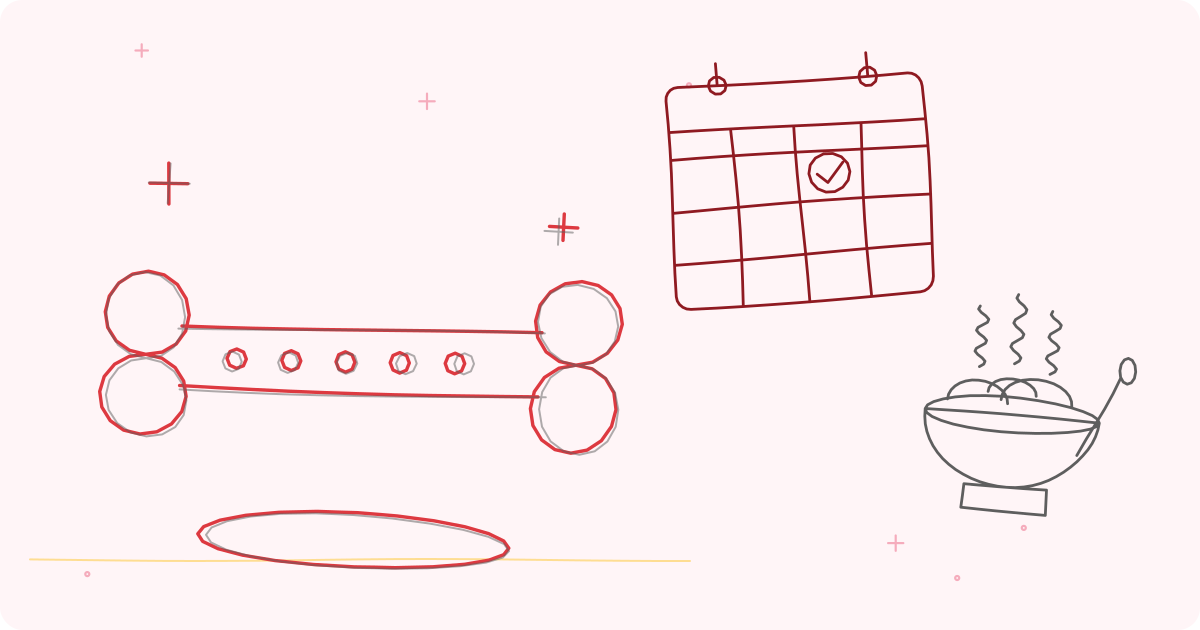
Bone is living tissue, constantly broken down and rebuilt. Peak bone mass is reached in early adulthood. After about 40 to 50, breakdown outpaces rebuilding. In women, falling oestrogen after menopause speeds the loss. In men, loss is slower but real. Osteoporosis develops when bone density falls low enough that fractures happen with minor force (fragility fractures).
Who is at higher risk
- Women after menopause, particularly early menopause.
- Older age and a family history of fractures, especially a parent's hip fracture.
- Low body weight or a small frame.
- Low calcium intake, vitamin D deficiency (very common in India), little sun exposure.
- Long-term steroid tablets, and some other medicines; ask your doctor, but never stop prescribed medicines yourself.
- Conditions such as rheumatoid arthritis, thyroid disease, kidney disease, coeliac disease and diabetes.
- Smoking and heavy alcohol.
- Inactivity and frailty; see frailty in older adults.
- Previous fracture after age 50.
Diagnosis
A doctor may suggest a bone density scan (DEXA), blood tests for calcium, vitamin D, thyroid, kidney function and others, and an assessment of fracture risk based on age, history and measurements. A spine X-ray may show collapsed vertebrae. Loss of height of several centimetres, a rounded upper back or sudden back pain after a minor strain may be clues. Ask your doctor whether a scan is suitable, and take previous reports to visits; see keeping a health record at home.
Food and sunlight
- Calcium: adults over 50 generally need more calcium than younger adults; the best sources are food: milk, curd, paneer, ragi, sesame, leafy greens, almonds, fish with soft bones. Supplements are sometimes advised, but the dose and type depend on your diet, kidneys and other conditions, so ask a doctor.
- Vitamin D: needed for calcium absorption. Many Indians are deficient despite sunshine, particularly those who stay indoors or cover their skin. A blood test shows levels, and the doctor decides on supplements. See calcium and vitamin D guide and vitamin D deficiency in India. Sensible sunlight, such as short exposure of arms and face in the morning sun, helps, with care for skin and heat.
- Protein: supports muscle and bone; see how much protein do seniors need and indian meals for high-protein seniors.
- Other nutrients: vitamin K, magnesium and others are found in a varied diet; avoid high-dose supplements without advice; see supplements and medicine interactions.
- Limit alcohol, smoking, very high salt, and heavy cola intake.
- Avoid crash dieting; low weight harms bones.
Safe exercise
Exercise strengthens muscles, helps balance and gives bone the load it needs. Choose weight-bearing activity (walking), strength training, balance work and posture exercises. Avoid forceful forward bending, twisting, heavy lifting with a rounded back and high-impact movements, particularly with spine fractures. See exercise for osteoporosis, walking programme for older adults and balance exercises for seniors. Ask the doctor about clearance before starting.
Fall prevention: the most practical protection
Most fractures follow falls. Make the home safer:
- Good lighting, night lights and clear floors; see flooring, rugs and trip hazards and motion-sensor night lights.
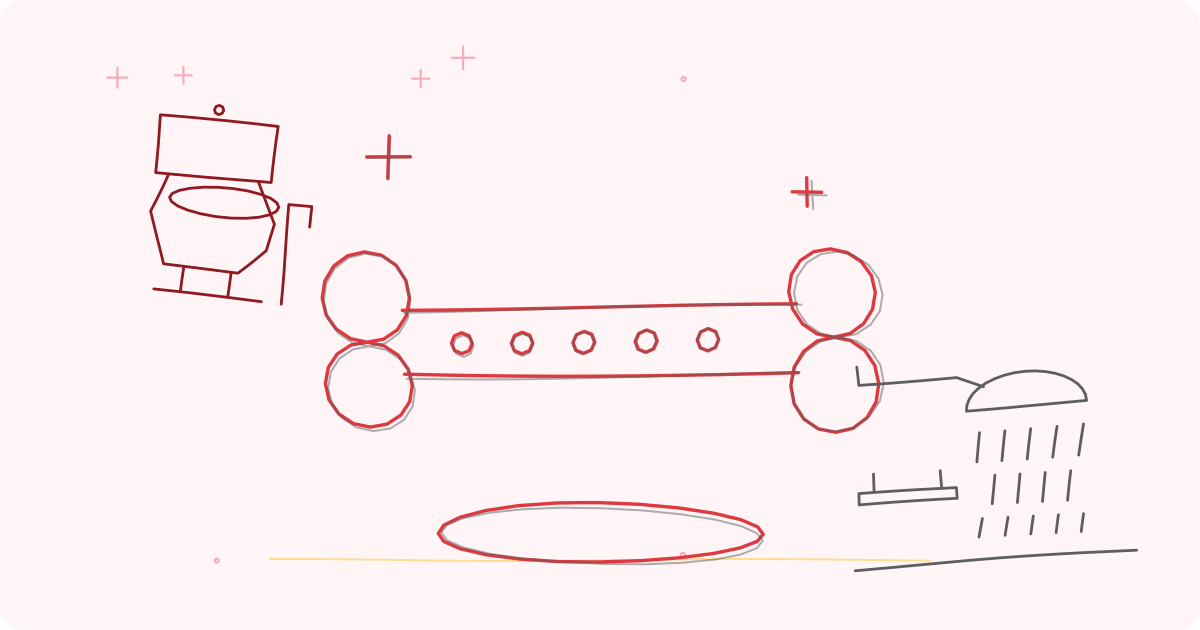
- A safe bathroom: grab bars, shower seat, non-slip floor; see bathroom safety checklist.
- Supportive footwear; see choosing shoes for older feet.
- Walking aid if advised; see walking aids for osteoporosis.
- Review medicines that cause dizziness; see polypharmacy and deprescribing.
- Check eyes and hearing; see hearing and vision checkup schedule.
- A way to call for help; see panic pendant buying guide.
- Know what to do after a fall; see what to do after a fall and falls risk assessment at home.
Medicines: general picture only
Several types of medicines exist that slow bone loss or build bone, and doctors choose among them based on risk, kidney function, stomach, teeth and other factors. Some are taken weekly or monthly with specific rules; others are given by injection. They take months to work and must be taken exactly as instructed, usually together with calcium and vitamin D as advised. Do not stop or change them yourself, and tell your dentist and doctor about them; see osteoporosis medicines and supplements. Report new thigh or groin pain, jaw pain or problems after dental work to the doctor.
Living well day to day
- Move safely: bend at the hips and knees, keep the back straight, hold loads close, avoid twisting while lifting; use a reacher; see reacher grabber guide and how to lift and transfer safely.
- Sit and sleep well: a firm chair with back support, a medium-firm mattress; see mattress firmness for back pain.
- Avoid sudden jolts: rough vehicles, sudden stops; use seat support in autorickshaws and buses.
- Cough and constipation: persistent cough or straining stress the spine; see a doctor; see constipation in older adults.
- Posture: stand tall; posture exercises from a physiotherapist.
- Pain: vertebral fractures can be painful for weeks; see a doctor for pain relief and a back support only if prescribed; see back belts and lumbar supports.
- Emotions: fear of fractures can lead to inactivity; encourage sensible activity; see anxiety in older adults.
- Travel and festivals: plan seating and avoid crowds and rough floors; see travel with an elderly parent checklist.
Fracture warning signs
Call 112 after a fall with severe pain, inability to stand, a deformed or shortened leg, or pain in the hip or groin. Also for chest pain, severe breathlessness or signs of stroke. See a doctor promptly for sudden back pain after minor strain, new loss of height or a rounding back, wrist or shoulder pain after a fall, or new numbness or weakness in the legs. For recovery after a hip fracture, see hip fracture recovery at home.
Questions to ask the doctor
At the clinic, it helps to ask: How low is the bone density, and what is the fracture risk over the next ten years? Which tests are needed, such as vitamin D, calcium, thyroid and kidney function? Is treatment recommended, and what are its benefits and side effects for my parent given other illnesses? How long will treatment last, and how will it be monitored? How much calcium and vitamin D should come from food and how much from supplements? Which exercises are safe and which should be avoided? What should we do about dental work while on bone treatment? When is the next scan? Writing the answers down, and keeping reports together, makes later visits easier.
Special points for men and the very old
Osteoporosis is under-recognised in men, who often present only after a hip fracture. Low testosterone, heavy drinking, smoking, long-term steroids and some prostate treatments increase the risk, so men with fractures after minor falls deserve assessment. In very old or frail people, the focus shifts further towards preventing falls, keeping muscle strength, protecting skin and treating pain, alongside bone treatment, with decisions made jointly by the family, the person and the doctor; see frailty in older adults.
Family support
Talk about bones, not just "take care". Arrange a vitamin D and bone check where appropriate, help make the home safe, support exercise, accompany visits and ensure medicines are taken correctly, with a pill organiser if needed; see pill organiser guide.
When to ask a professional
A doctor diagnoses osteoporosis and chooses treatment. A physiotherapist designs safe exercise. An occupational therapist assesses the home. A dietician advises on calcium, protein and vitamin D. A dentist should know about any bone medicines. For information on senior services, call Elderline 14567. In an emergency, call 112.
Equipment mentioned in this guide
Frequently asked questions
Can osteoporosis be reversed?
Bone loss can be slowed and, with some treatments, bone density can improve, but the main aim is to prevent fractures with medicines when advised, nutrition, exercise and fall prevention.
Is walking enough for bone health?
It helps, but combine it with strength and balance exercises. A physiotherapist can advise on the right mix.
Should my mother take calcium tablets on her own?
Ask her doctor first. Needs depend on diet, kidney function and other conditions, and too much calcium can cause problems.
Can she still do yoga?
Possibly with an instructor experienced in osteoporosis, avoiding deep forward bends and strong twists, and with medical clearance.
Sources and further reading
- NICE Clinical Knowledge Summaries, Osteoporosis: prevention of fragility fractures
- Royal Osteoporosis Society (UK), patient information on living with osteoporosis
- Indian Society for Bone and Mineral Research, patient and clinical guidance
- World Health Organization, World report on ageing and health (2015)
Tags: osteoporosisbone healthfracture preventionvitamin dfalls preventionbrittle bonesConditions and devicesWall-fixed grab barBathroom and toilet safetyGut health and nutrition
This article is for general education and is not medical advice. Speak to your doctor before changing your exercise, diet or medicines.